KEY CONCEPTS
- Warm colors (reds, oranges, yellows): advance, excite, read as lit surfaces
- Cool colors (blues, purples, greens): recede, calm, read as shadow surfaces
- Single warm accent on a cool drawing = instant focal point
- Limited palettes (3–4 colors) force clarity and create visual cohesion
- Character color codes: Red = danger/energy; Blue = calm/trust; Black = mystery; Gold = nobility
- Color temperature (warm light + cool shadow) is more powerful than hue alone
The simplest color approach for figure drawing: a warm light source and a cool shadow. Choose a warm yellow-orange for lit areas and a cool blue-purple for shadow areas. The contrast between warm and cool creates vibrant, living color even with just two hues — this warm/cool split is used in nearly every professional oil painter's color system.
For character design: the colors of a costume communicate personality before the character does anything. Red = danger, energy, passion. Blue = calm, trustworthy, controlled. Black = mysterious, powerful, undefined. Gold = noble, important, earned status. These are not arbitrary rules — they are deeply ingrained cultural codes that viewers respond to instantly.
TRY THIS — 10 MINUTESTake a completed figure rough. Apply three colors: (1) a neutral warm gray as your base mid-tone, (2) a warm light highlight (yellow-orange), (3) a cool shadow tone (blue-purple). Three colors only, no blending. See how far three deliberate colors go toward creating a fully realized figure. This is the professional limited palette approach.
REFERENCE GALLERY
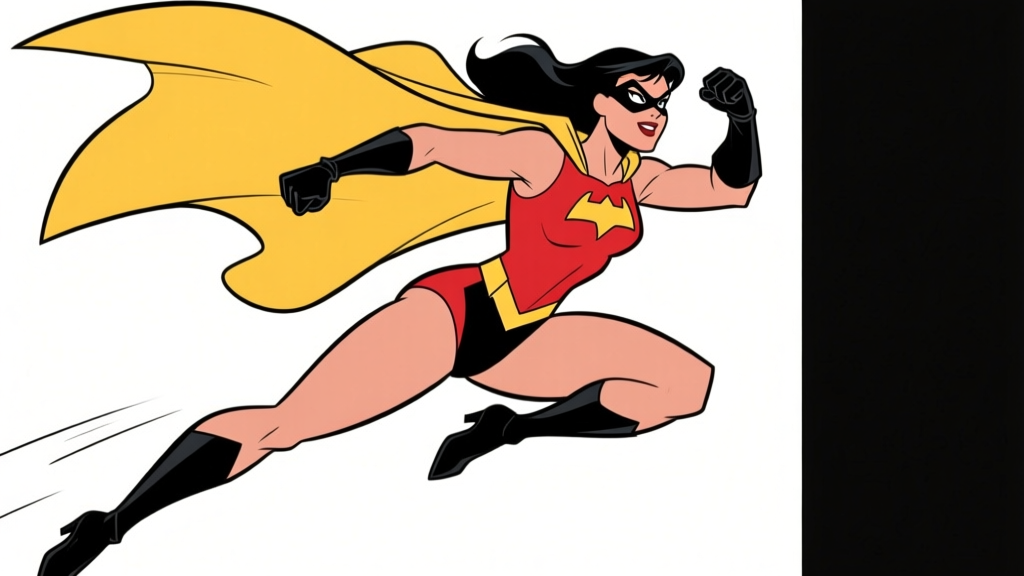
Female hero — warm/cool color study
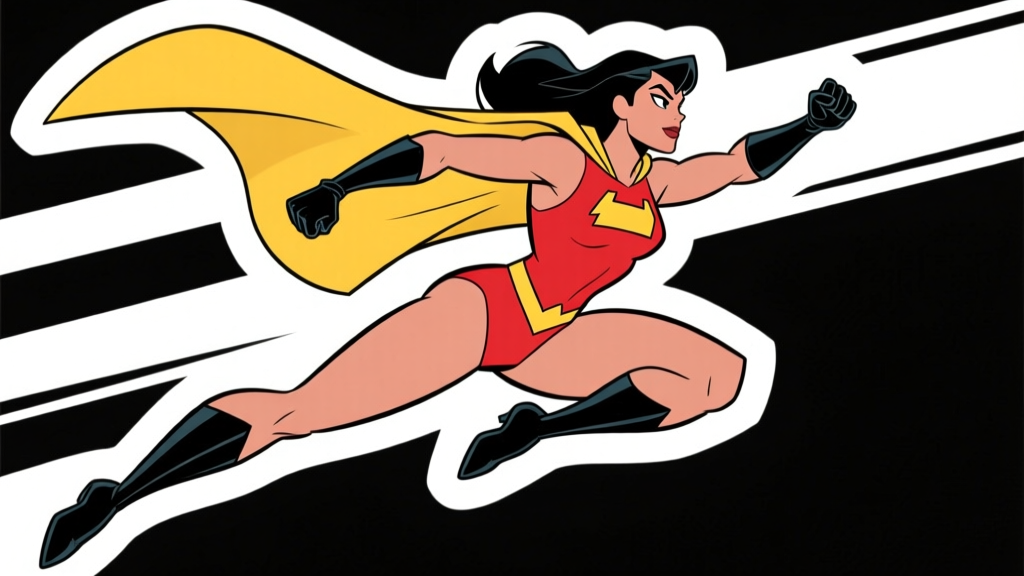
Female hero — color and energy
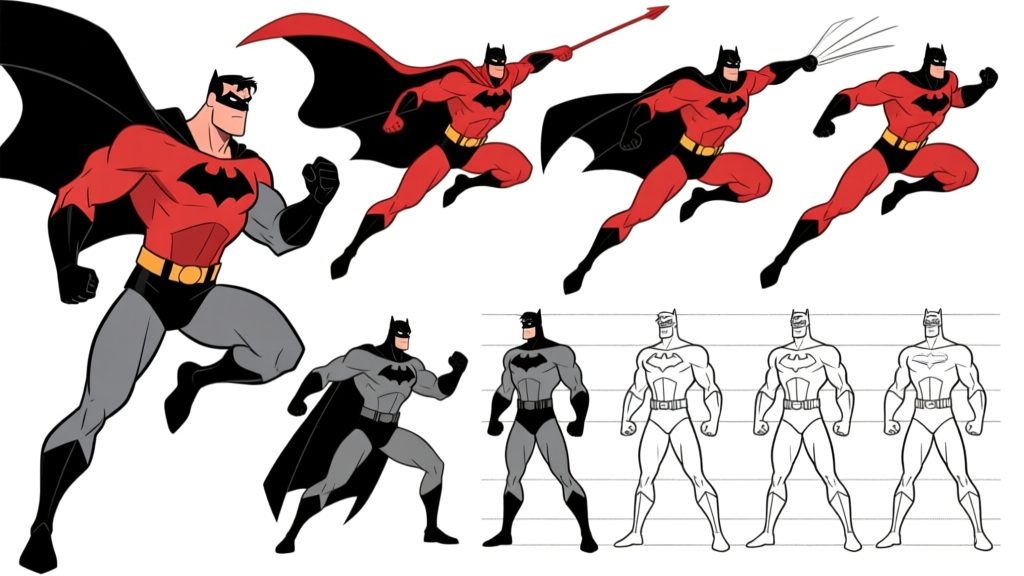
Hero lineup — color consistency across group
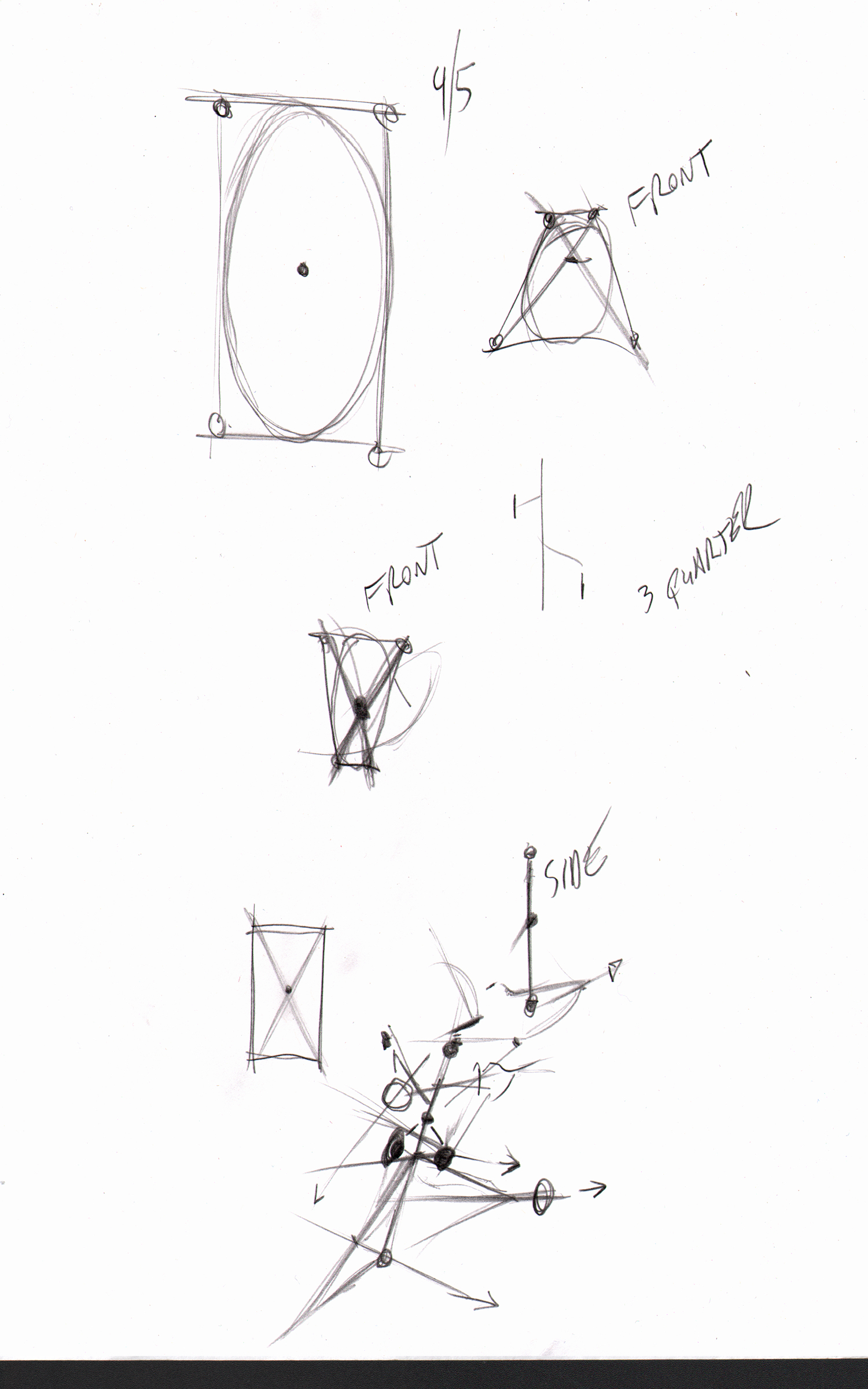
Life drawing — color/light figure study
Drawing plate — color over line, value pass