KEY CONCEPTS
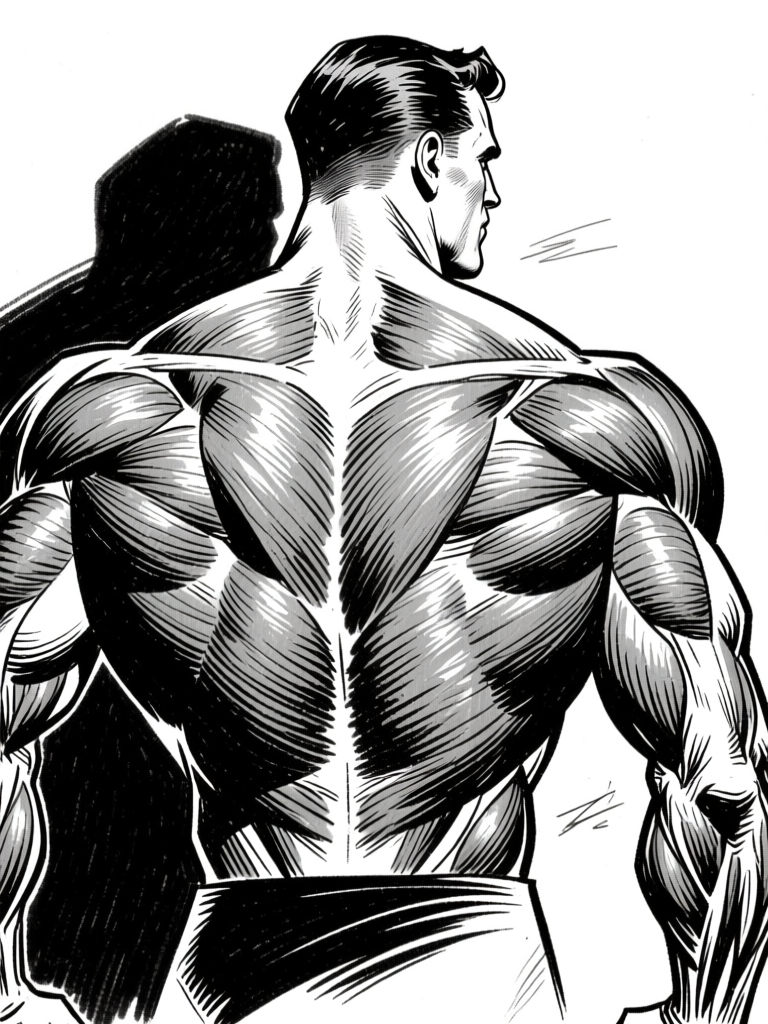
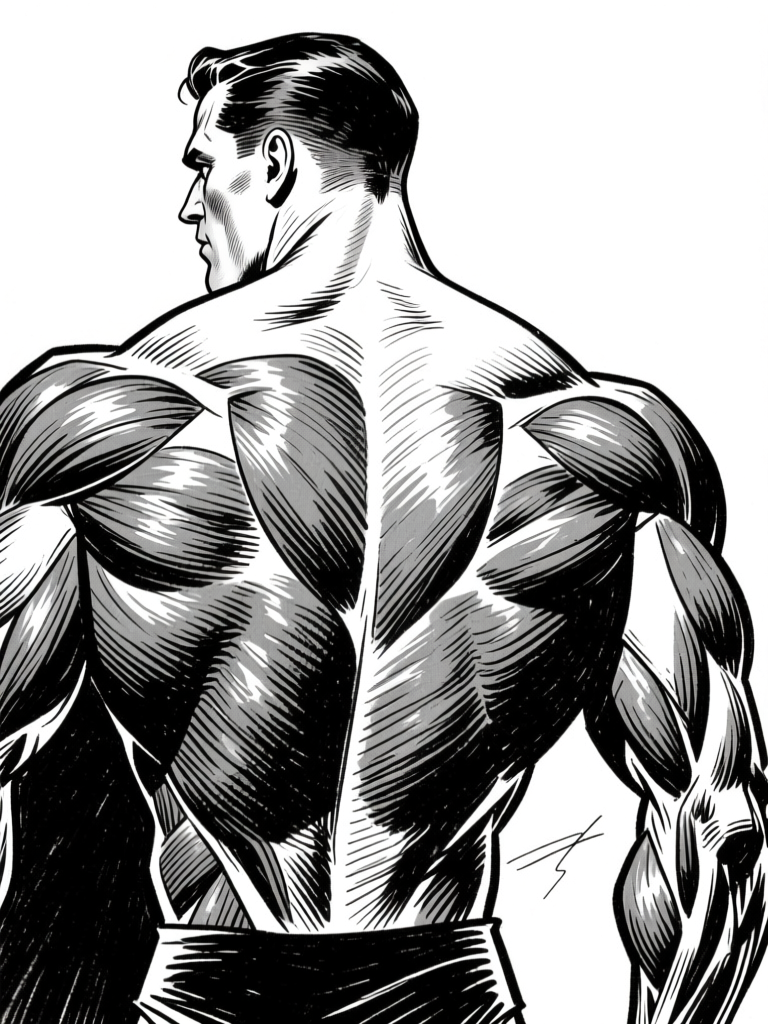
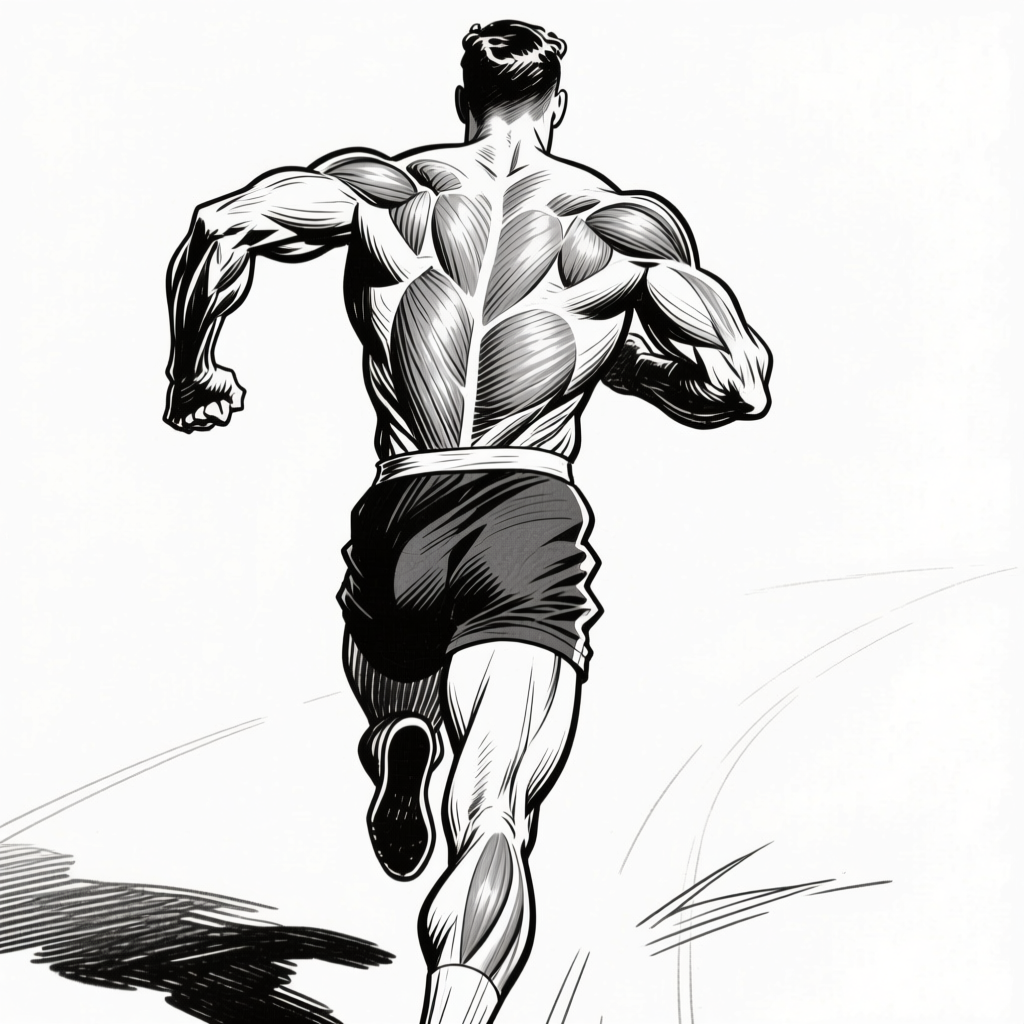
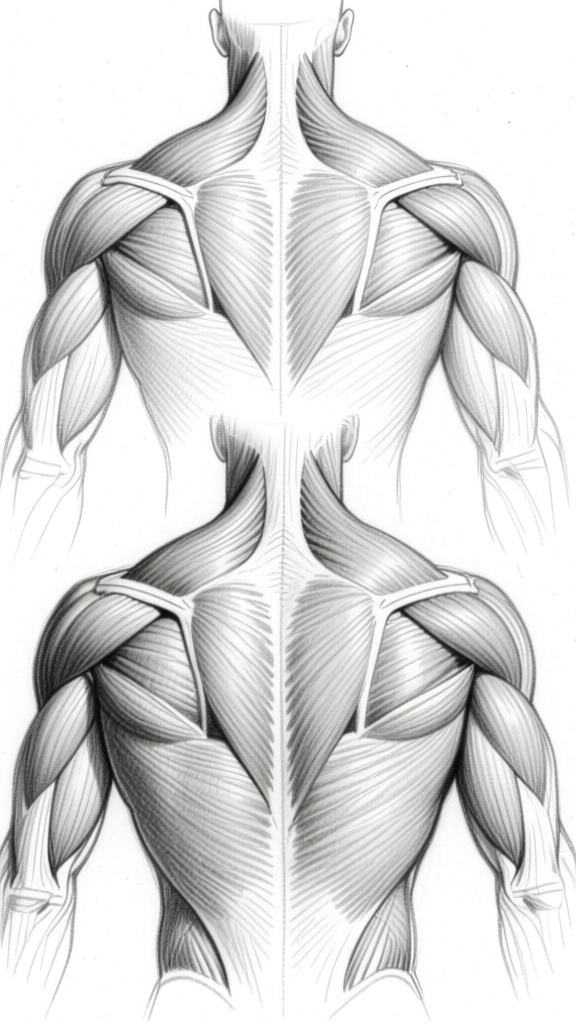
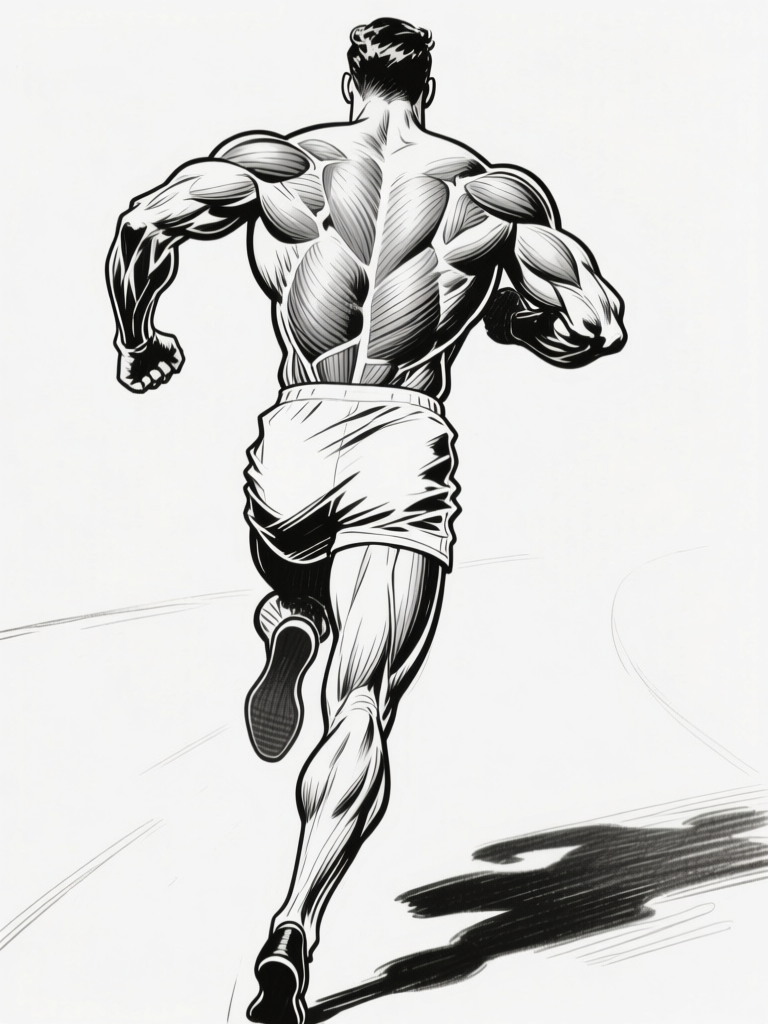
- Trapezius: the large diamond/kite shape from neck to mid-back
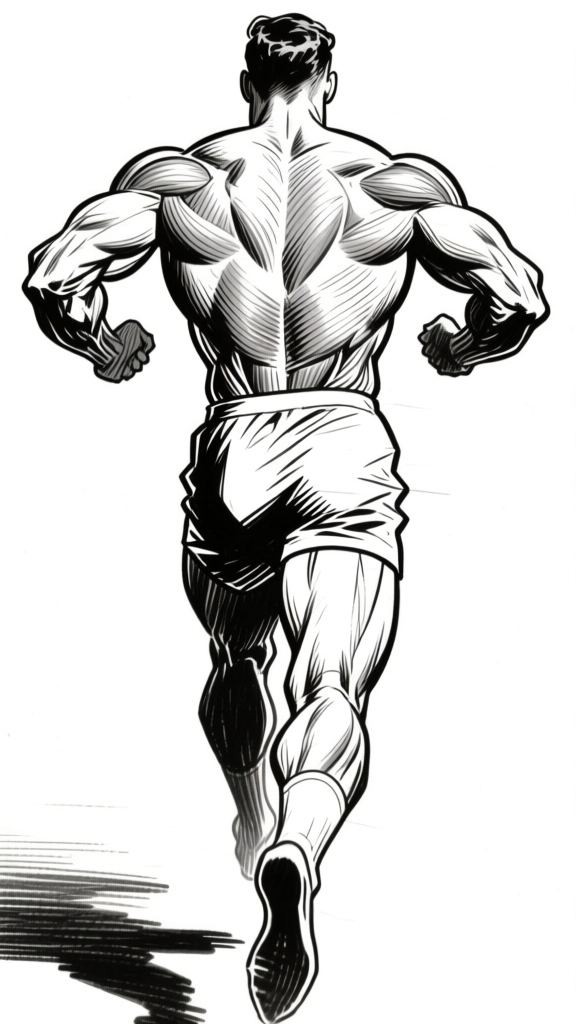
- Latissimus Dorsi (lats): the wing muscles that create the V-taper from behind
- Shoulder blades (scapulae): visible surface plates that move dramatically with arm motion
- Spine: a central groove — the erector spinae muscles flank it on both sides
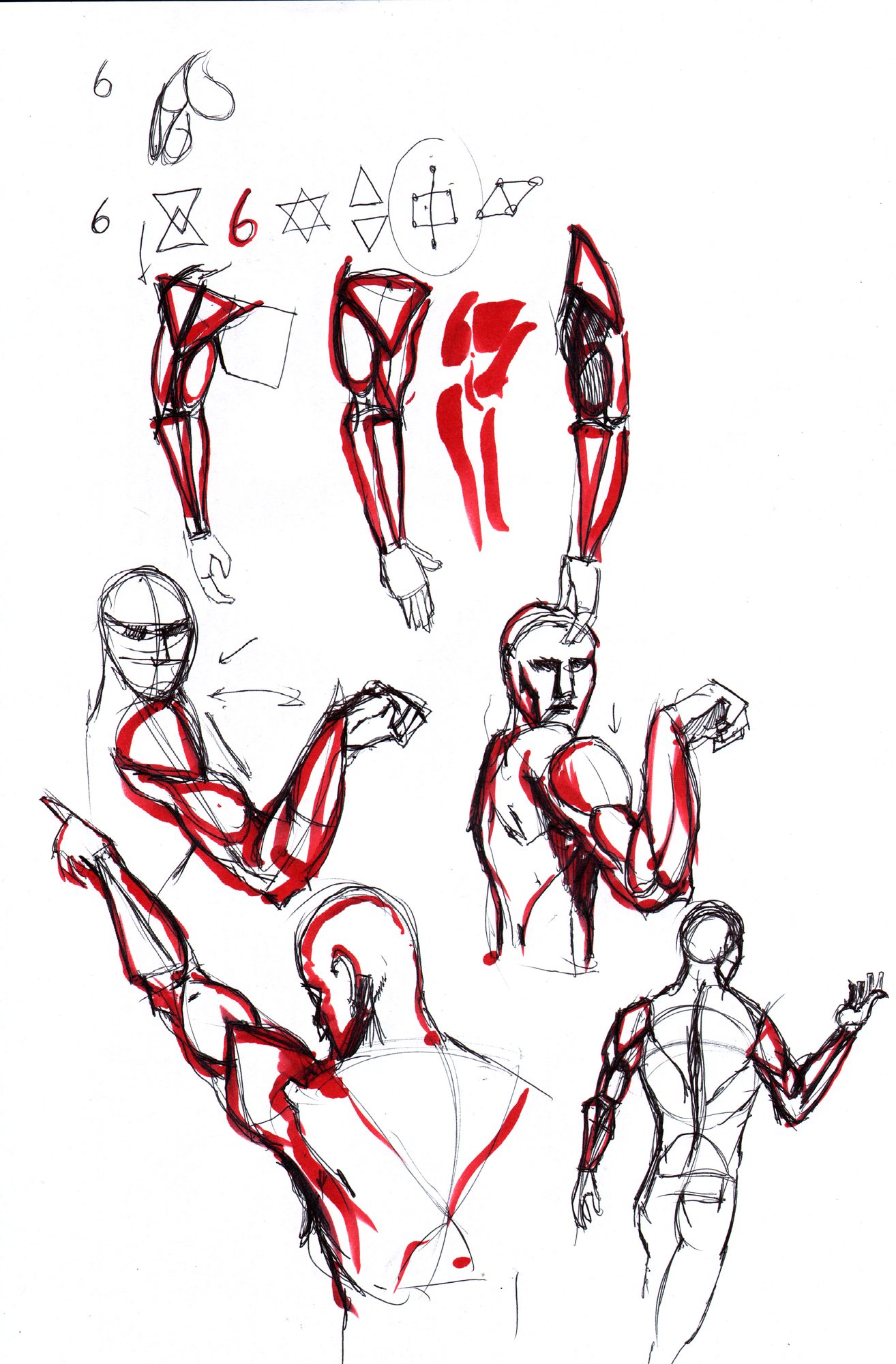
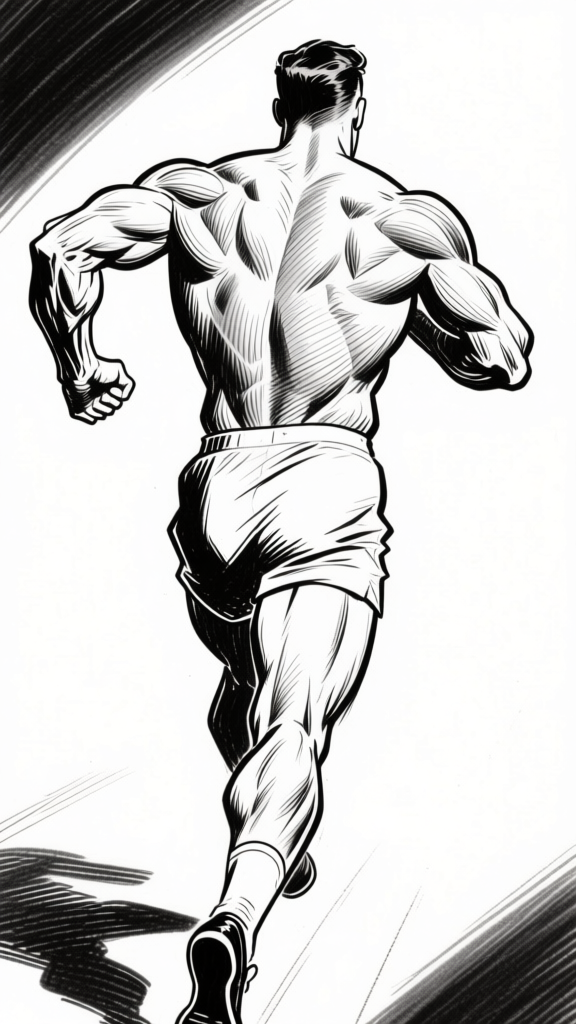
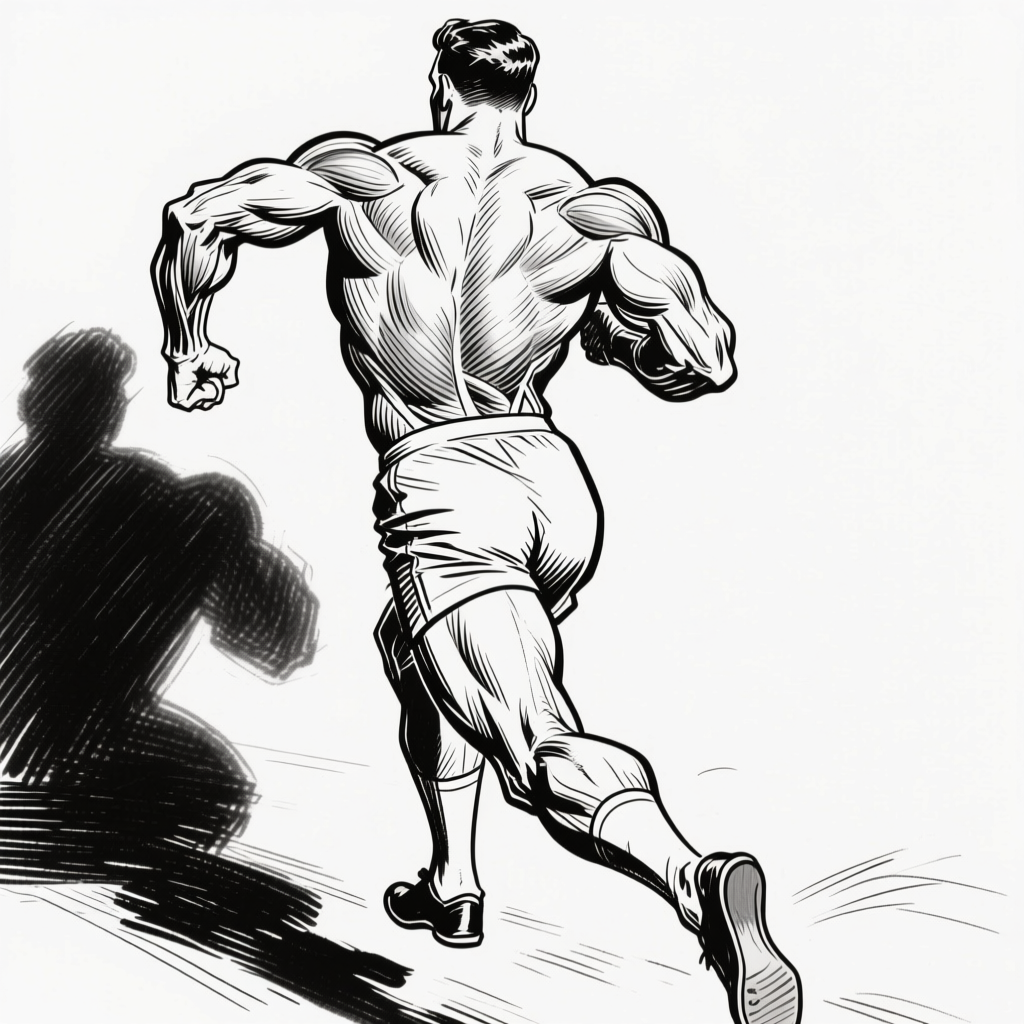
- When arms raise, shoulder blades rotate — know this movement
- The back is also a barrel — treat it as the back face of the rib cage cylinder
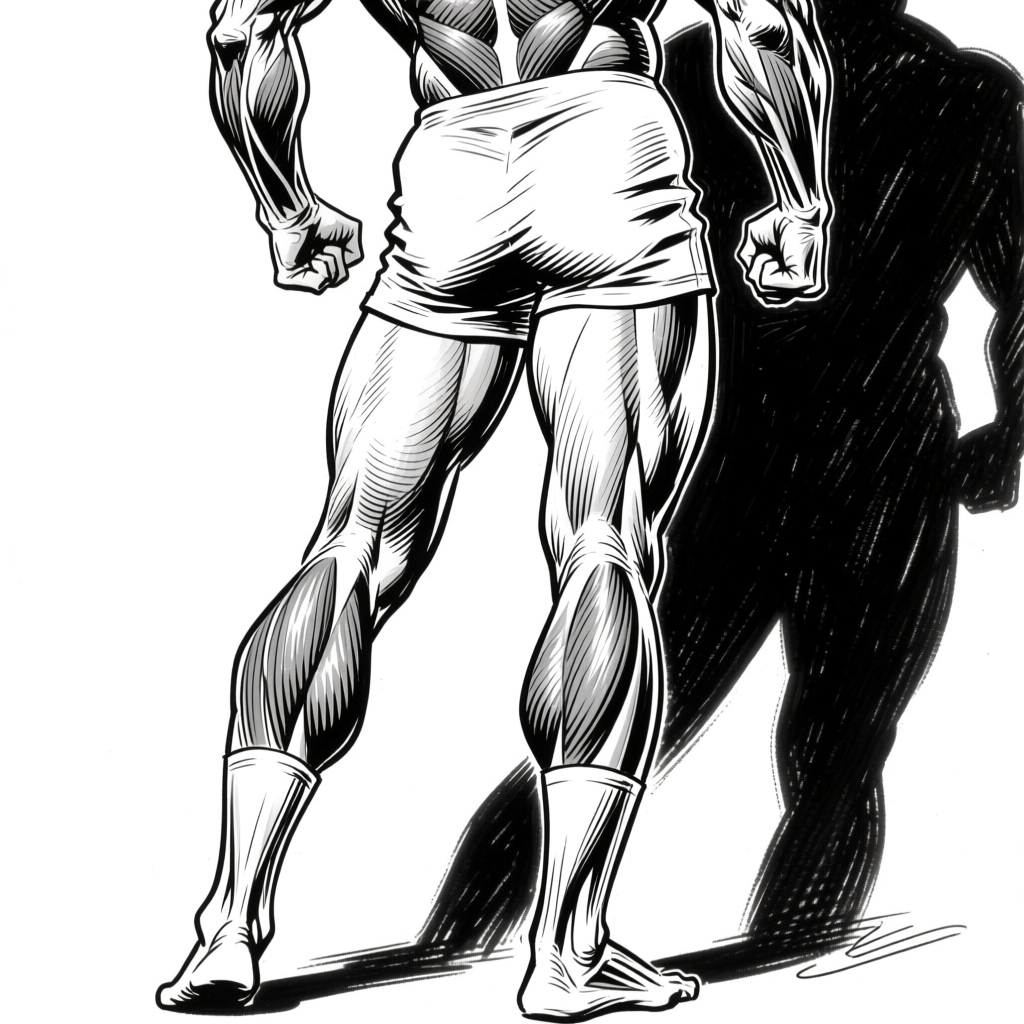
The most important back muscle for figure drawing is the trapezius — the large, kite-shaped muscle that runs from the base of the skull down to the mid-spine and out to both shoulders. It is always visible and gives the figure its "powerful neck and shoulders" look that reads as strength from any distance.
The lats (latissimus dorsi) are the large wing-like muscles that create the V-taper when viewed from behind. They originate at the lower spine and insert into the upper arm. When a character spreads their arms wide or reaches upward, the lats fan out dramatically — this is one of the most visually powerful muscular moments in any figure drawing.
The four-step back construction: (1) Draw the spine as a single vertical stroke. (2) Place the shoulder blades as two angular triangular plates flanking it. (3) Add the trapezius as a large diamond shape connecting the blades to the neck. (4) Add the lat curves swooping down and inward to the waist. You have the complete back structure in four marks.
VOCABULARY
- Trapezius — The large kite-shaped muscle covering the upper back and neck
- Latissimus Dorsi — The large wing-like muscles of the mid-to-lower back — the "lats"
- Scapula — The shoulder blade — a triangular bone that floats on the back of the rib cage
- Erector Spinae — Two columns of muscle flanking the spine — create the back's central groove
REFERENCE GALLERY