KEY CONCEPTS
- Deltoid: triangular shoulder cap — three heads; creates shoulder width
- Bicep: two-headed front upper arm — the classic "flex" muscle
- Tricep: three-headed rear upper arm — larger than the bicep
- Brachioradialis: dominant outer forearm — creates the forearm's widest point
- The elbow is a hard bony landmark — never make it soft
- The forearm tapers dramatically from elbow to wrist
Draw the arm from the top down: (1) Deltoid as a large rounded 6 cap on the shoulder. (2) Bicep as a medium 6 running down the front of the upper arm. (3) Tricep as a larger 6 (with its horseshoe top) running down the back of the upper arm. (4) The elbow as a zero circle connecting upper arm to forearm. (5) The forearm as a cluster of smaller 6s tapering toward the wrist.
The forearm taper is one of the most visually satisfying forms in figure drawing. At the elbow, the forearm is almost as wide as the upper arm. At the wrist, it tapers to a narrow wedge. The brachioradialis creates the dominant outer forearm form, and the long flexor tendons running to the wrist give the inner forearm its distinctive cord-like texture on athletic figures.
TRY THIS — 10 MINUTESDraw an arm from memory using only 6-shapes, assembled in sequence: deltoid → bicep/tricep → elbow zero → forearm taper → wrist. Do this five times, alternating between the arm extended and the arm bent at 90 degrees. Notice how the shapes rearrange and compress with the bend — especially the bicep, which becomes more prominent when the arm is bent.
REFERENCE GALLERY
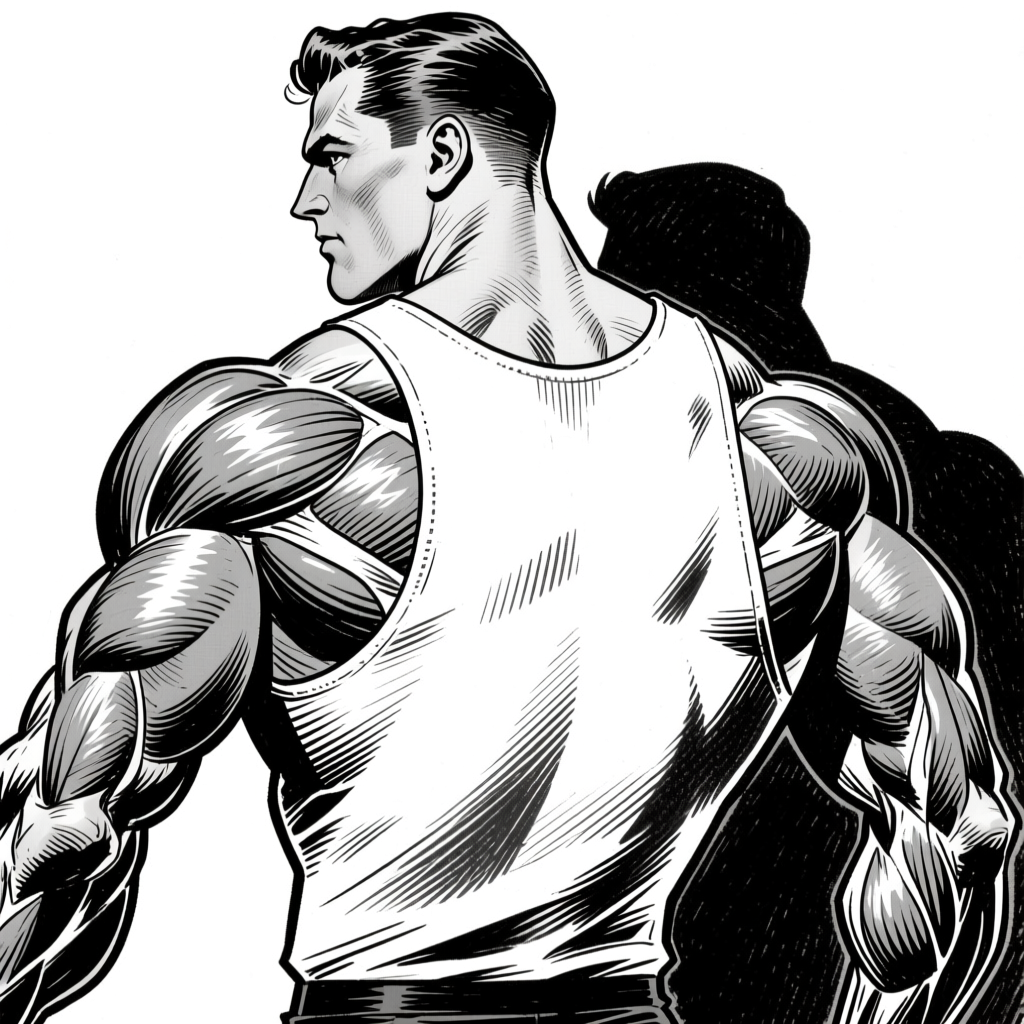
Shoulder and arm structure — side view
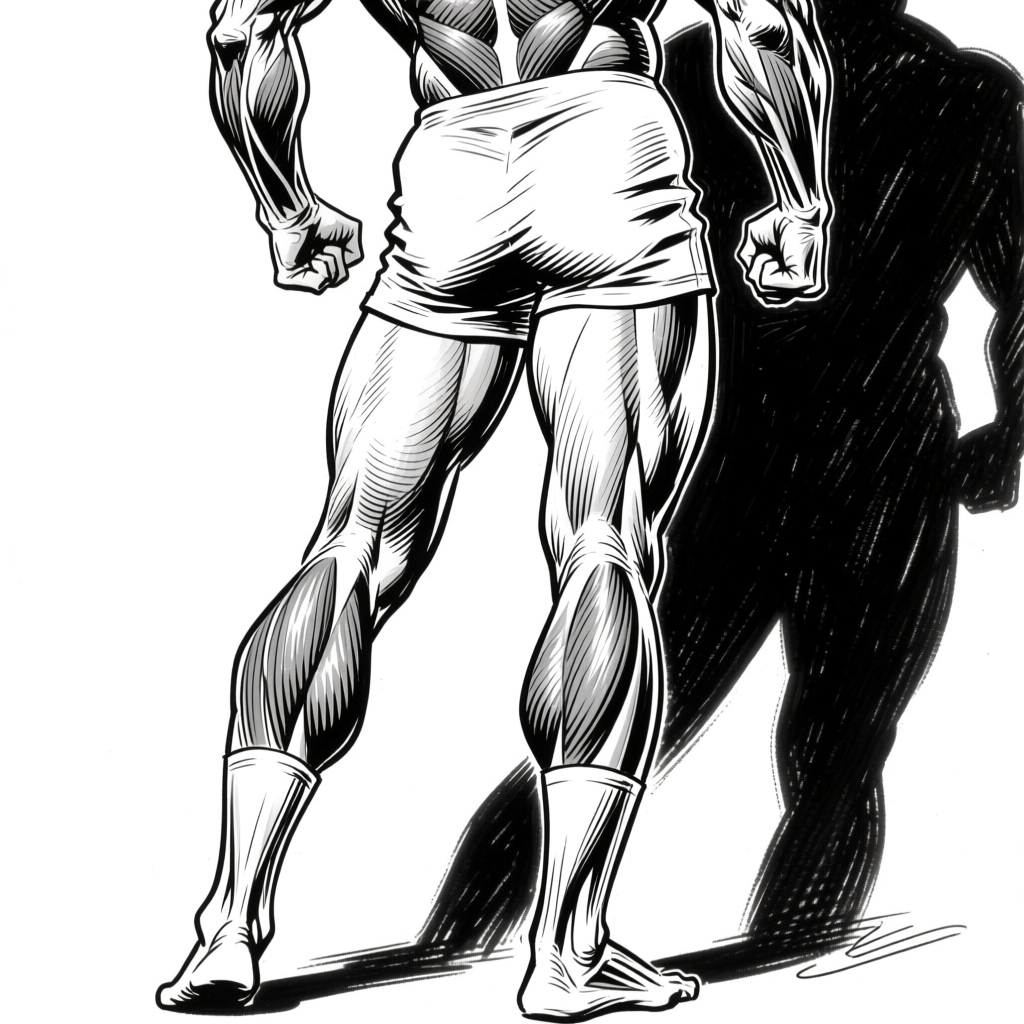
Figure with arm musculature visible
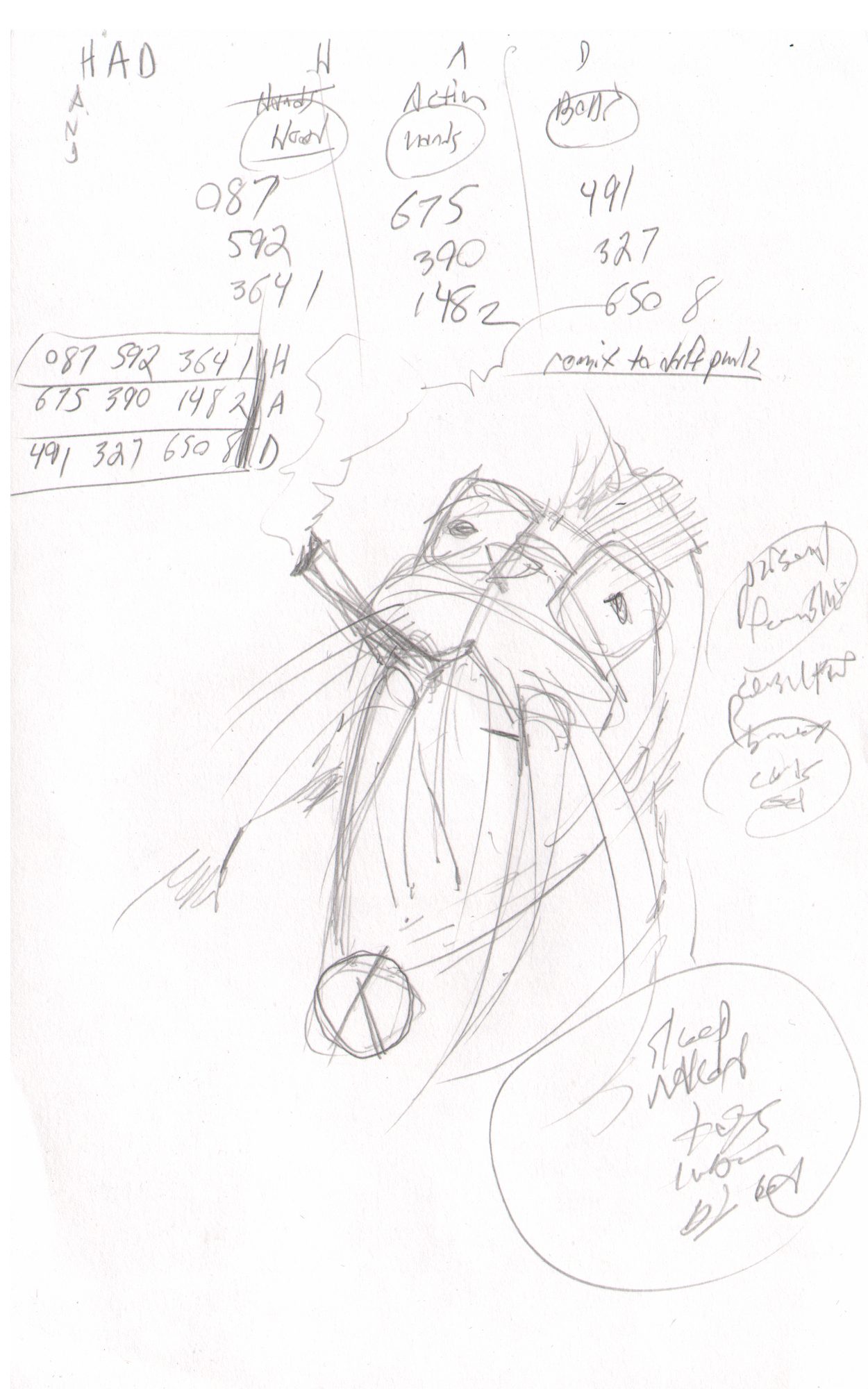
Arm digit annotations — HAD/arm muscle breakdown
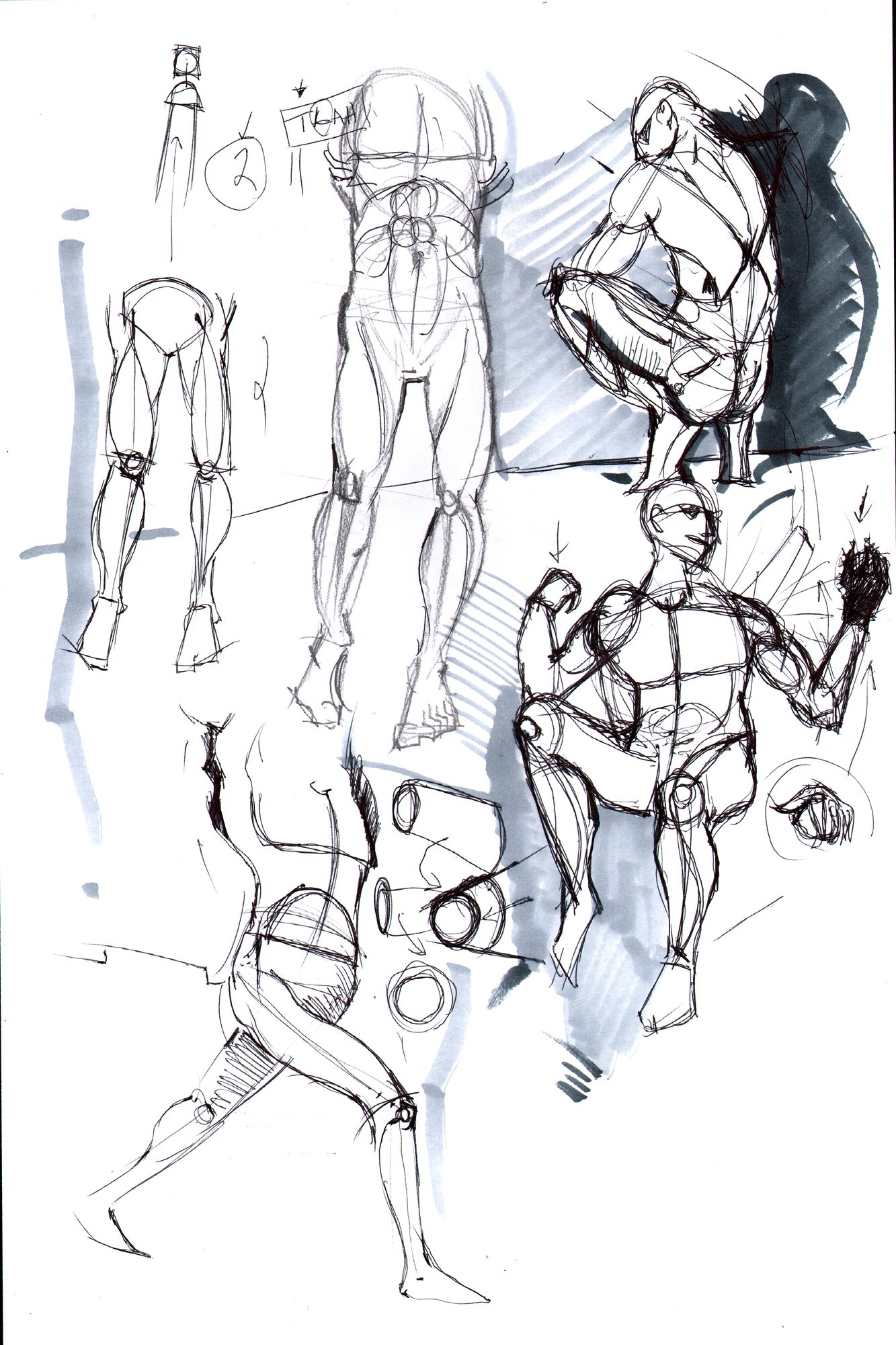
Life drawing — arm sequence reference
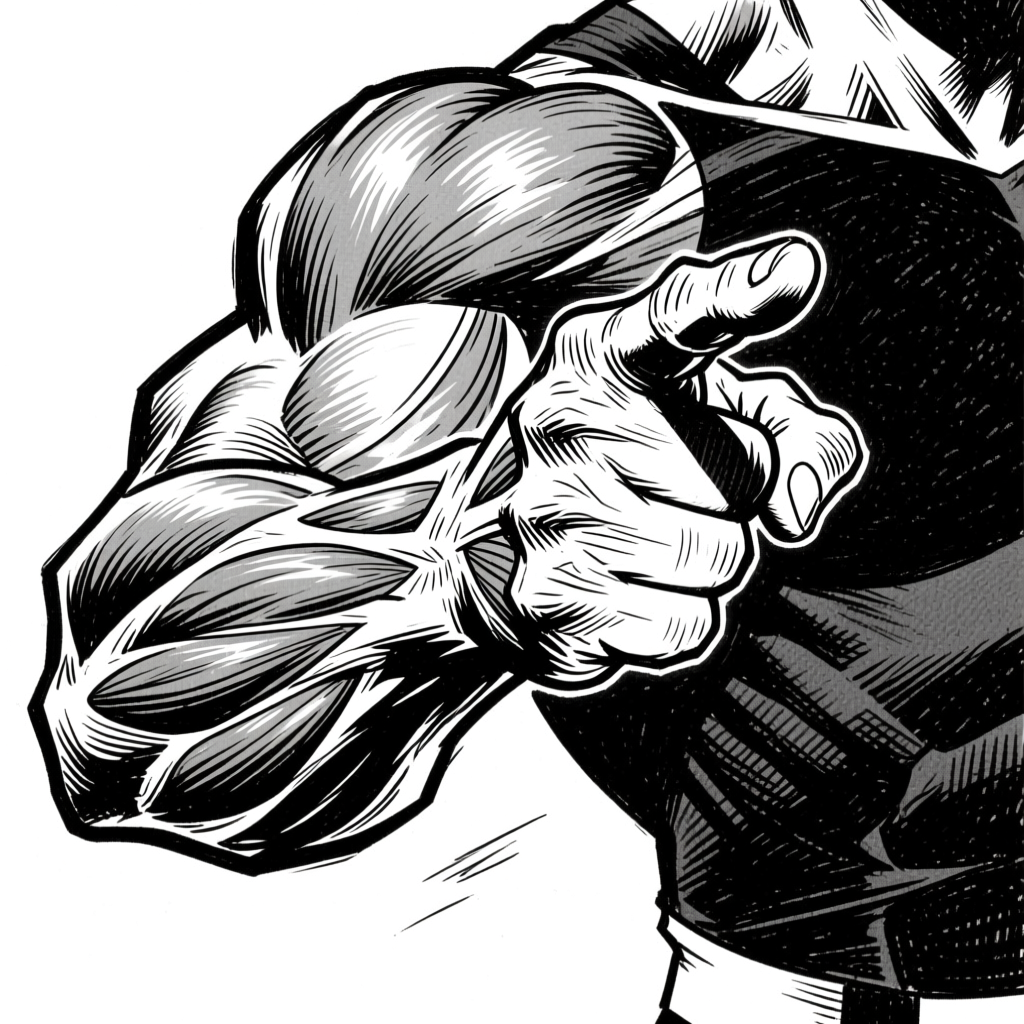
Arm and fist — extreme close-up
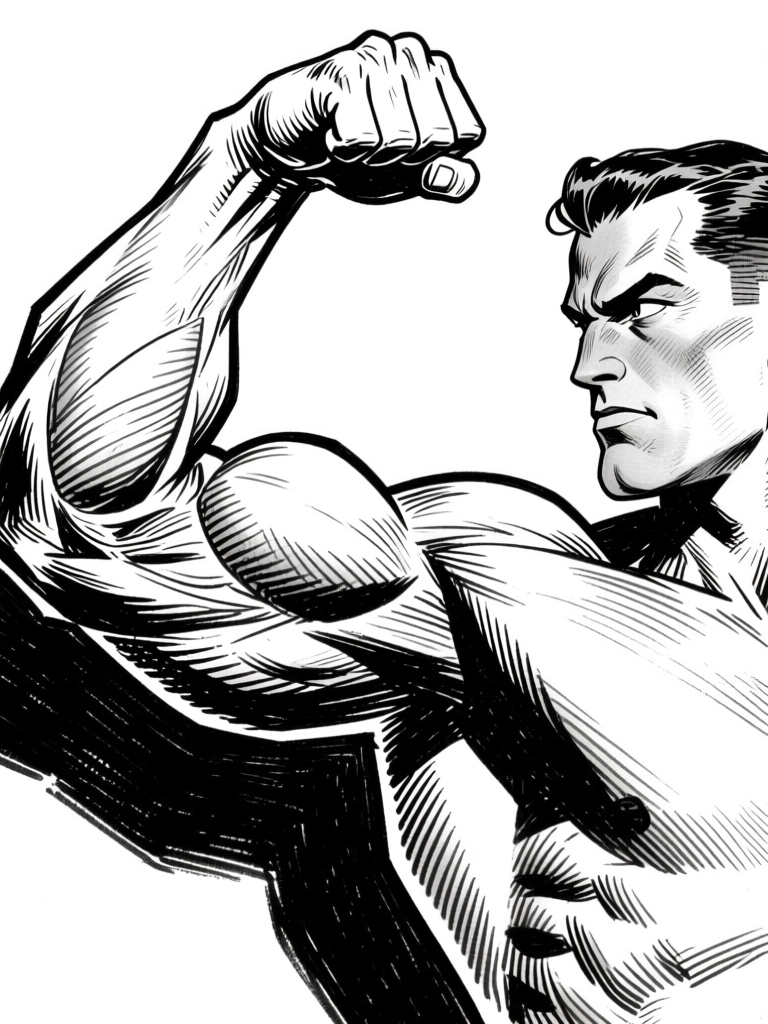
Arm and bicep — close-up flex
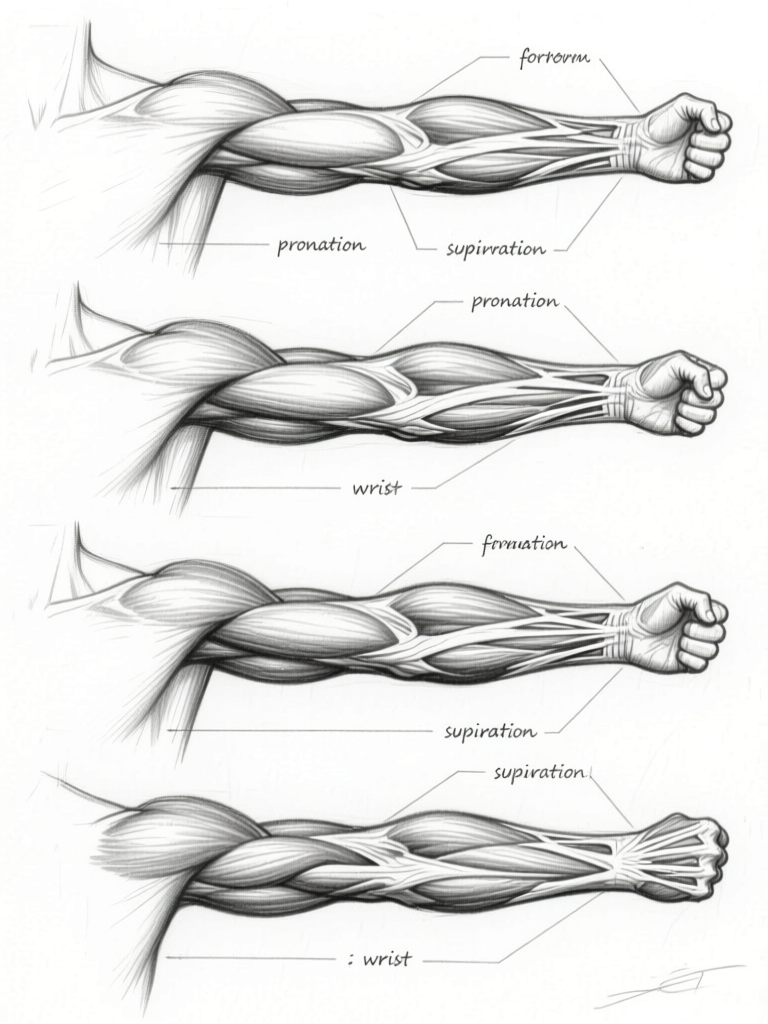
Arm anatomy — four-view detailed
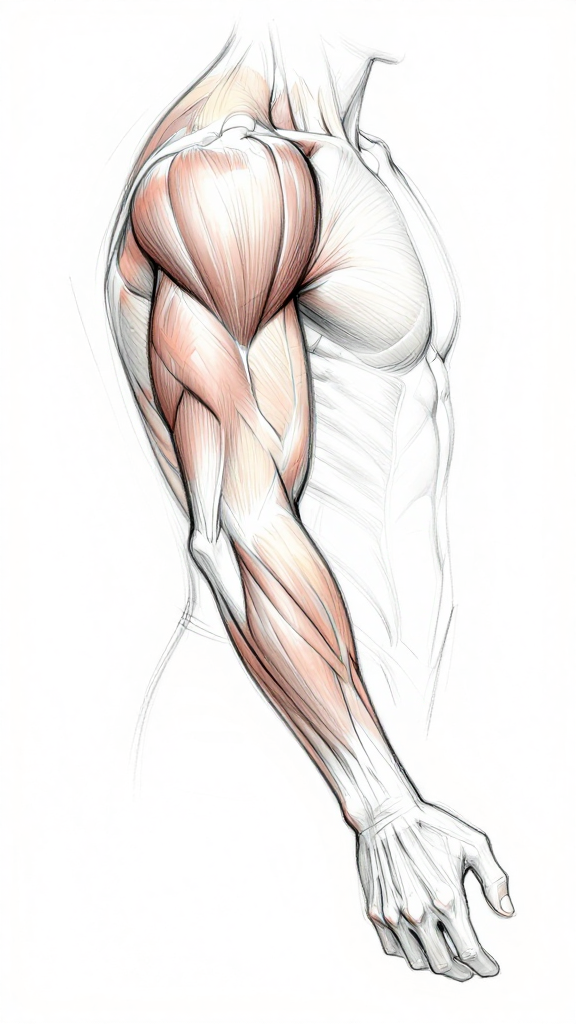
Arm anatomy — colored study
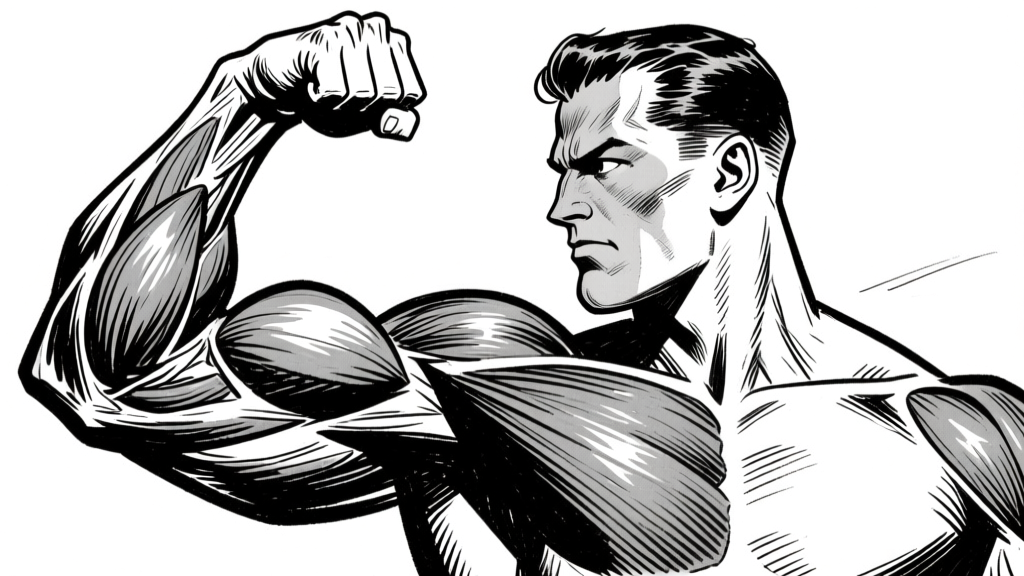
Arm and bicep — flex study
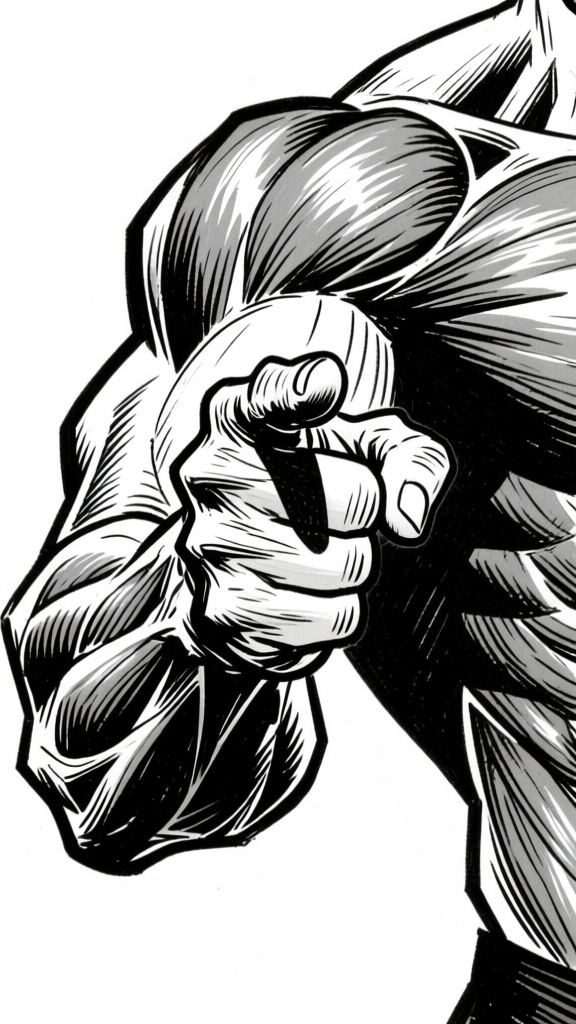
Arm and fist — close-up ink
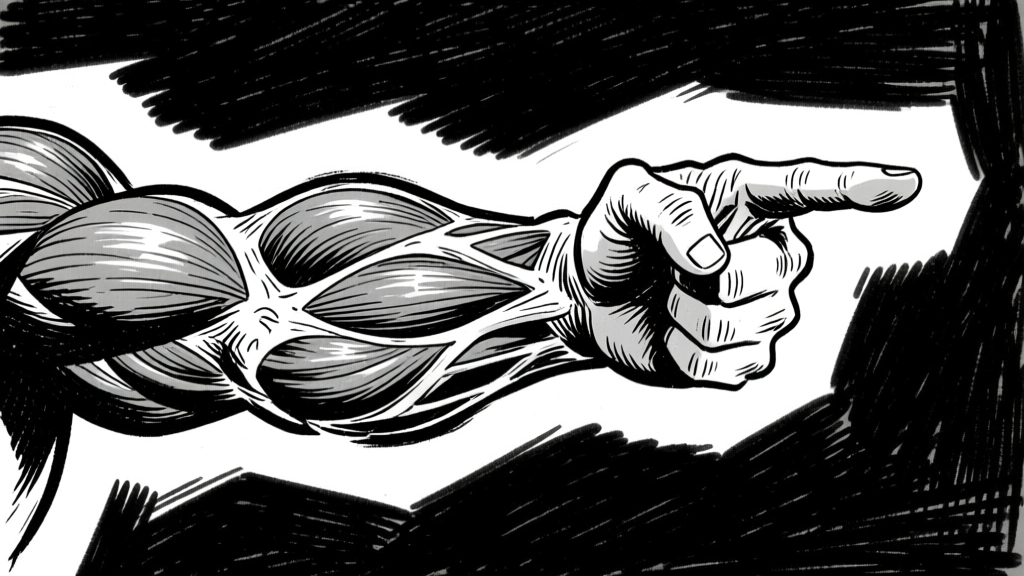
Arm and fist — pointing detailed
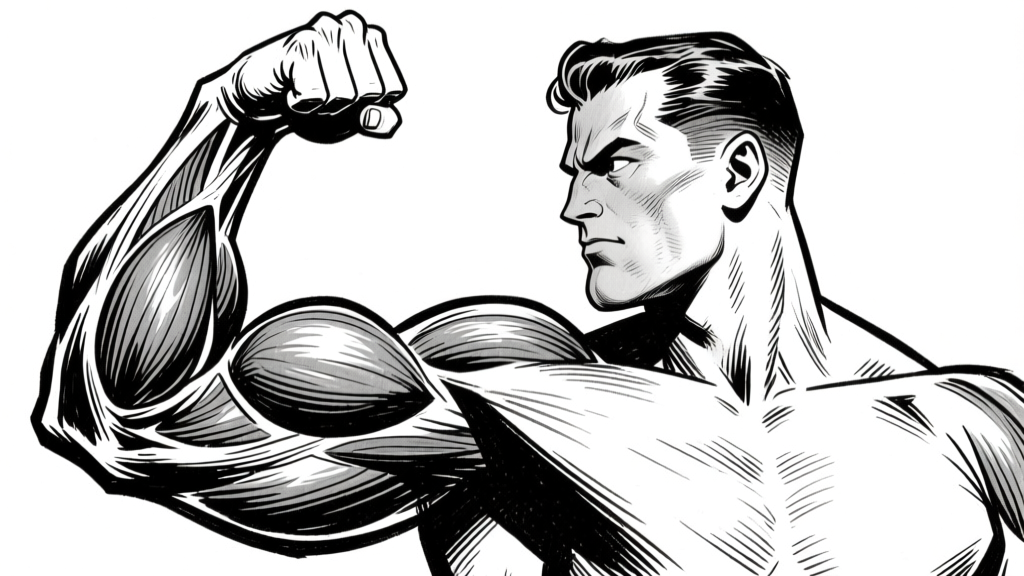
Arm and bicep — hero close-up