KEY CONCEPTS
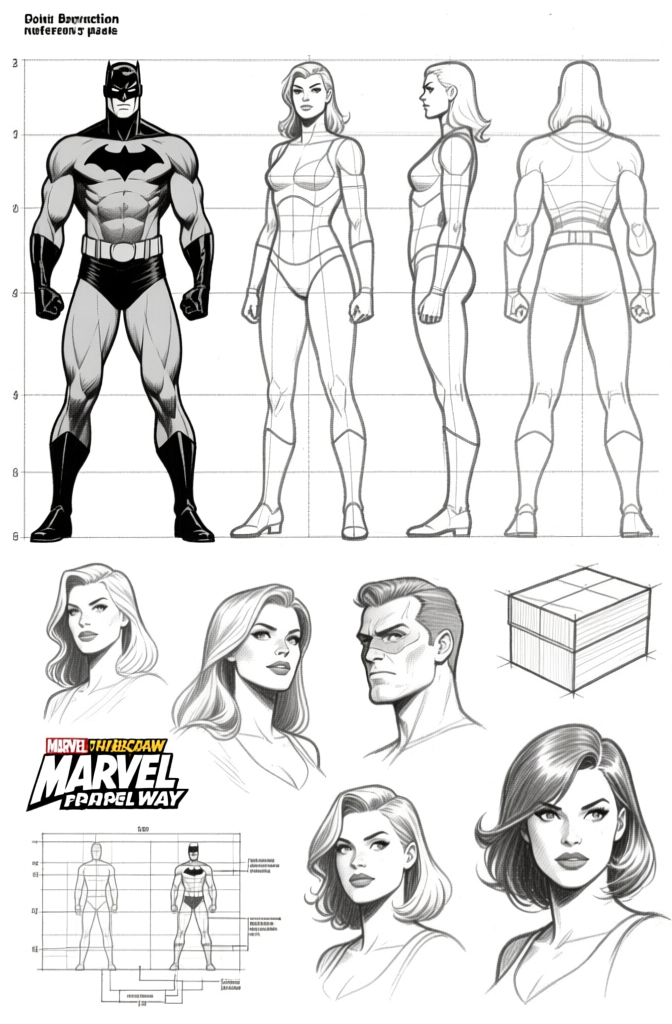
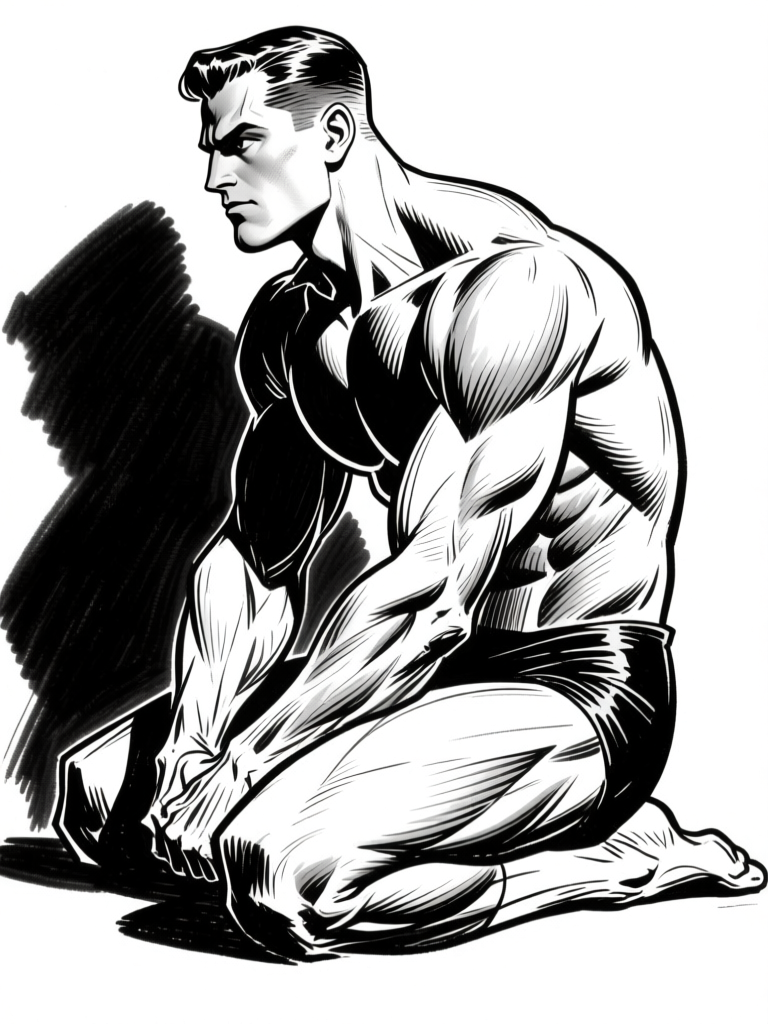
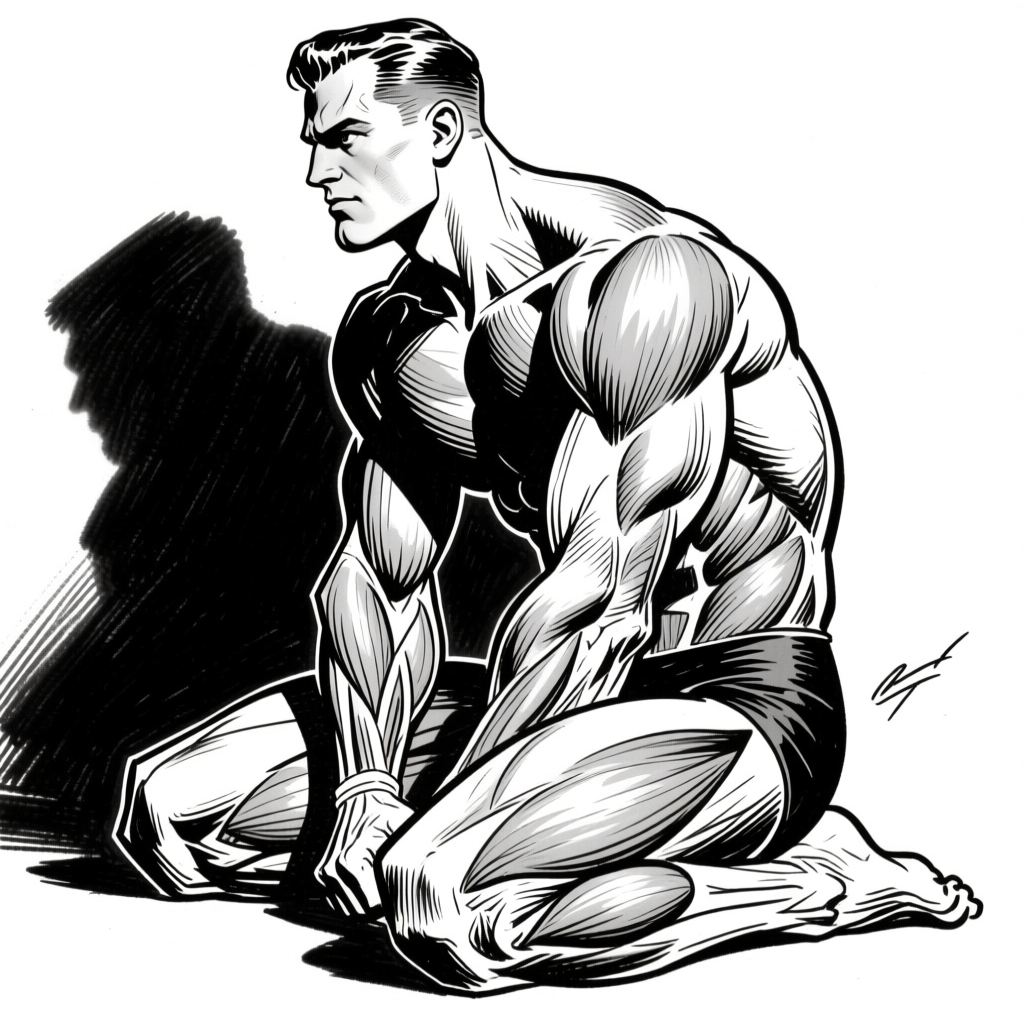
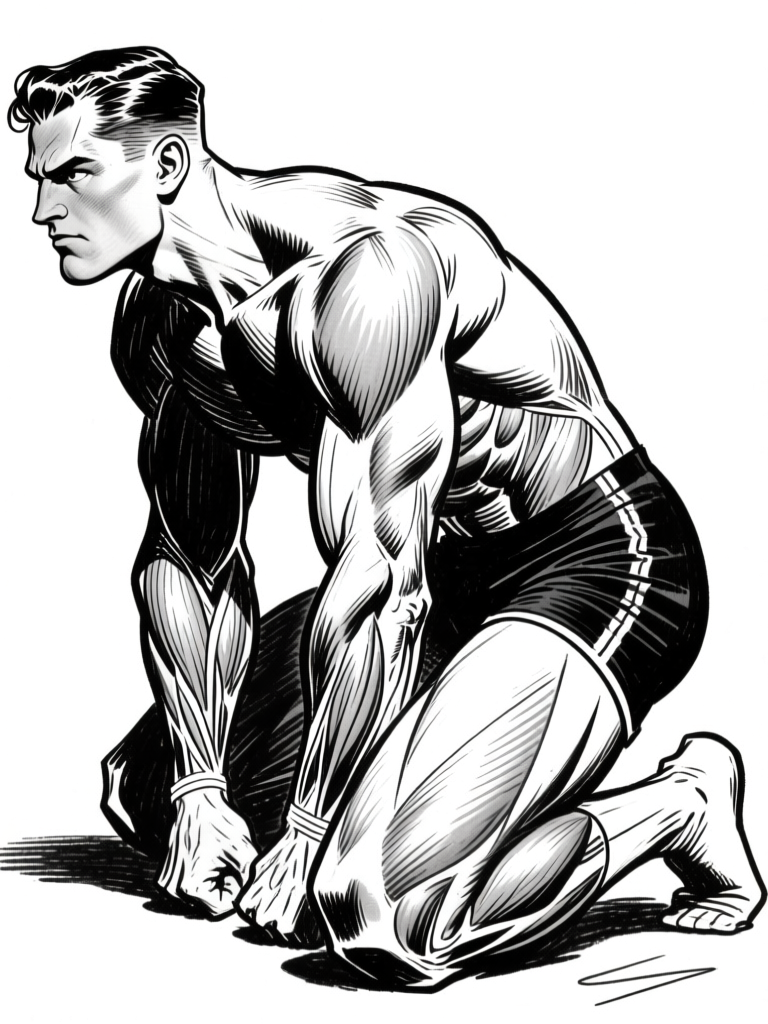
- Standard proportions: 7.5 heads tall — Heroic: 8–9 heads tall
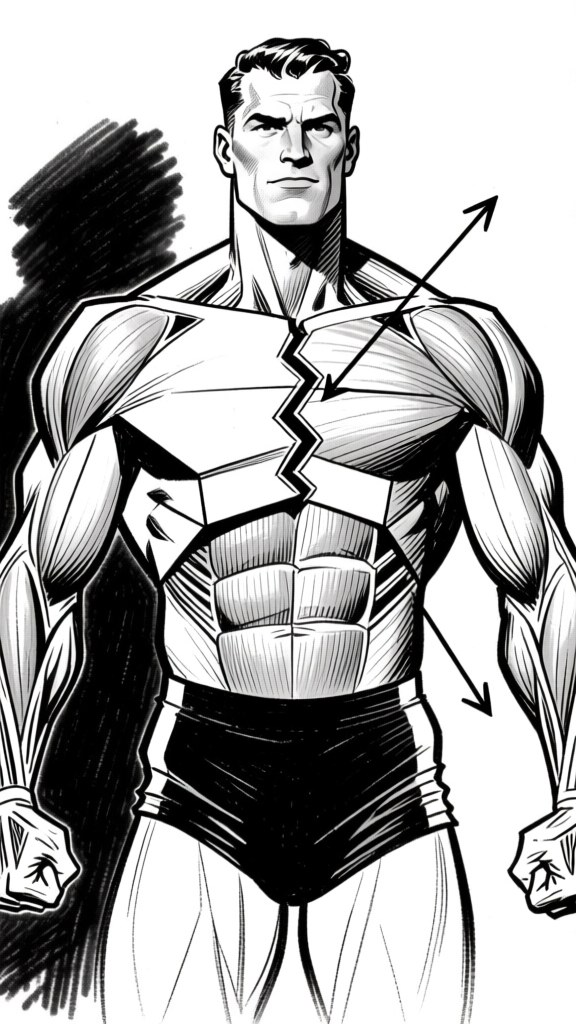
- Male hero shoulders: +30% width from real life
- Leg length: add half a head to make them read as powerful and elegant
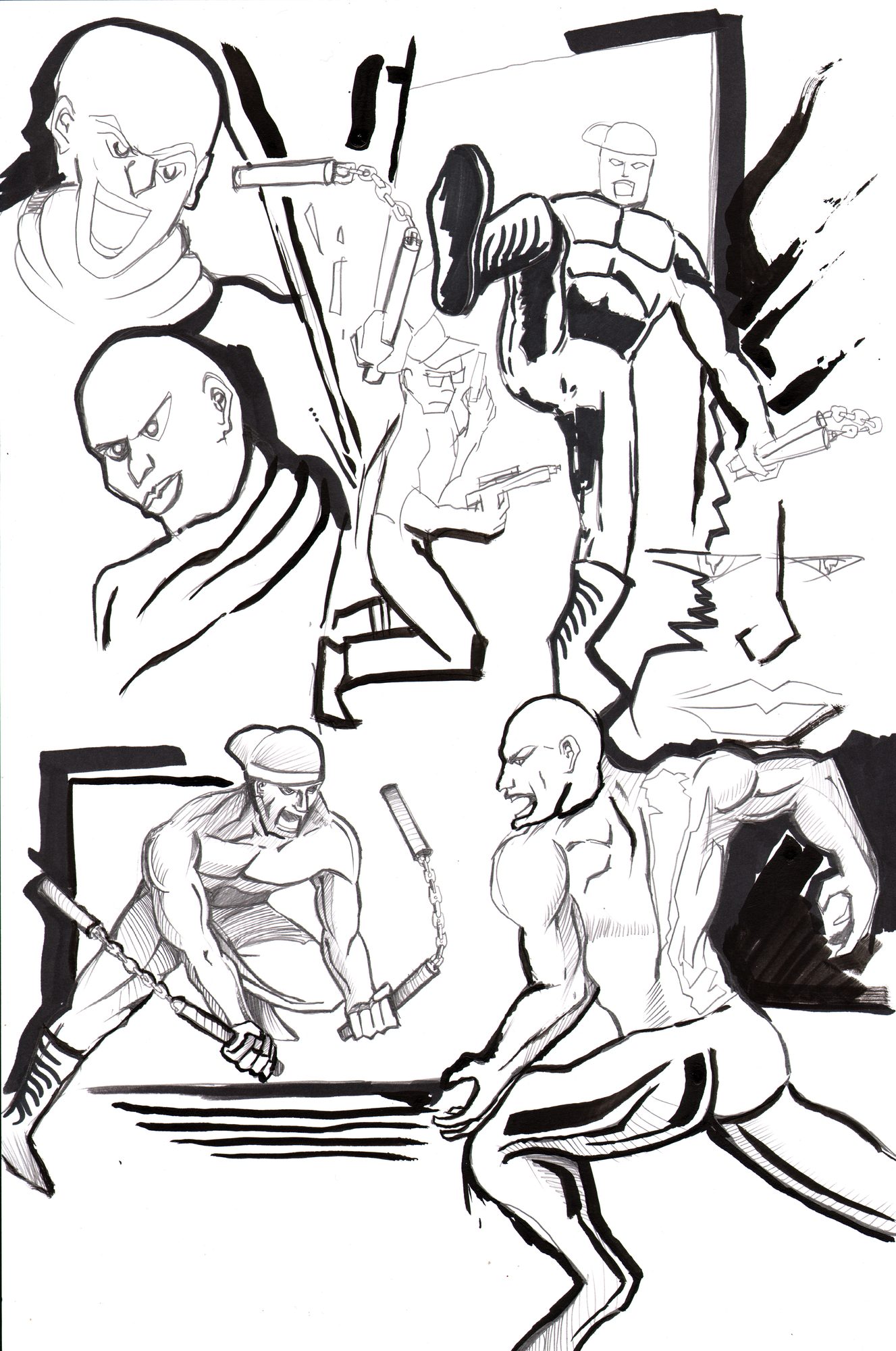
- Exaggeration must serve the character type: speedster = lean; bruiser = compact/wide
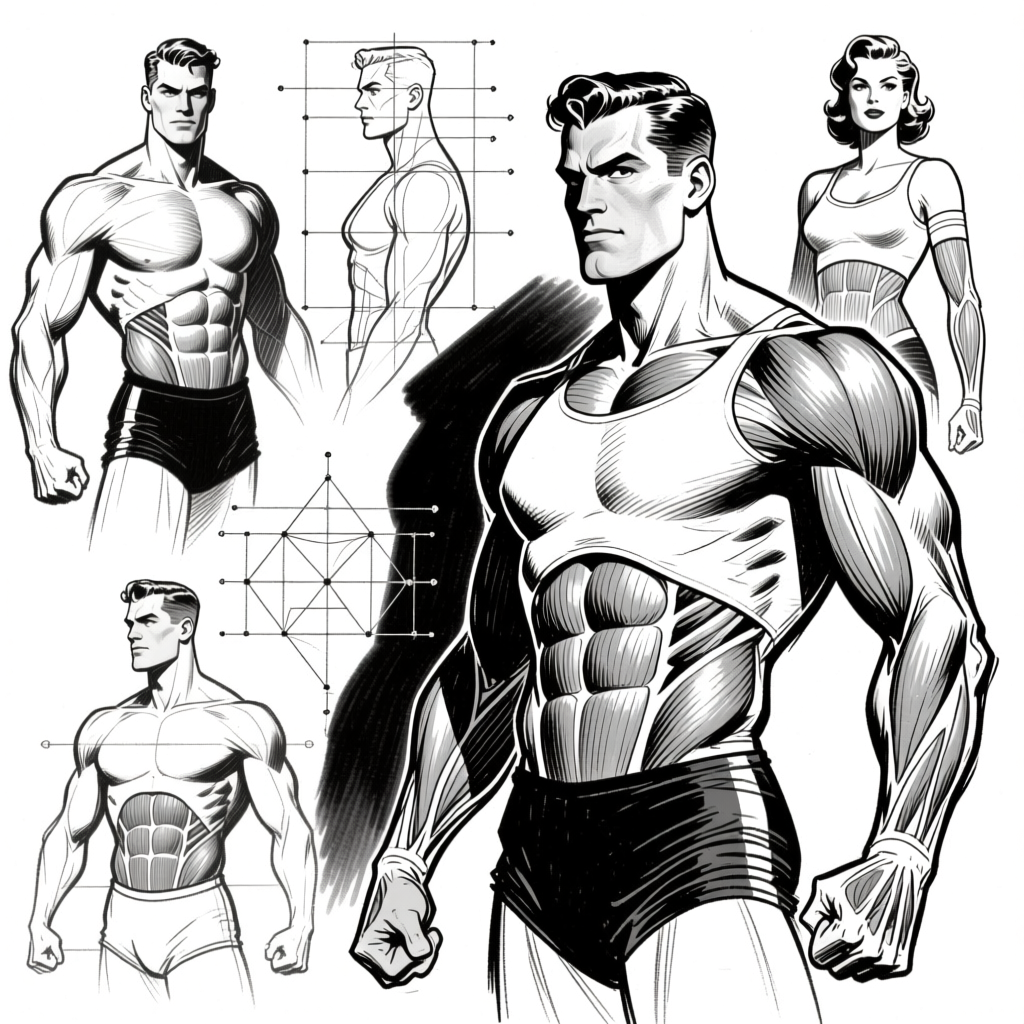
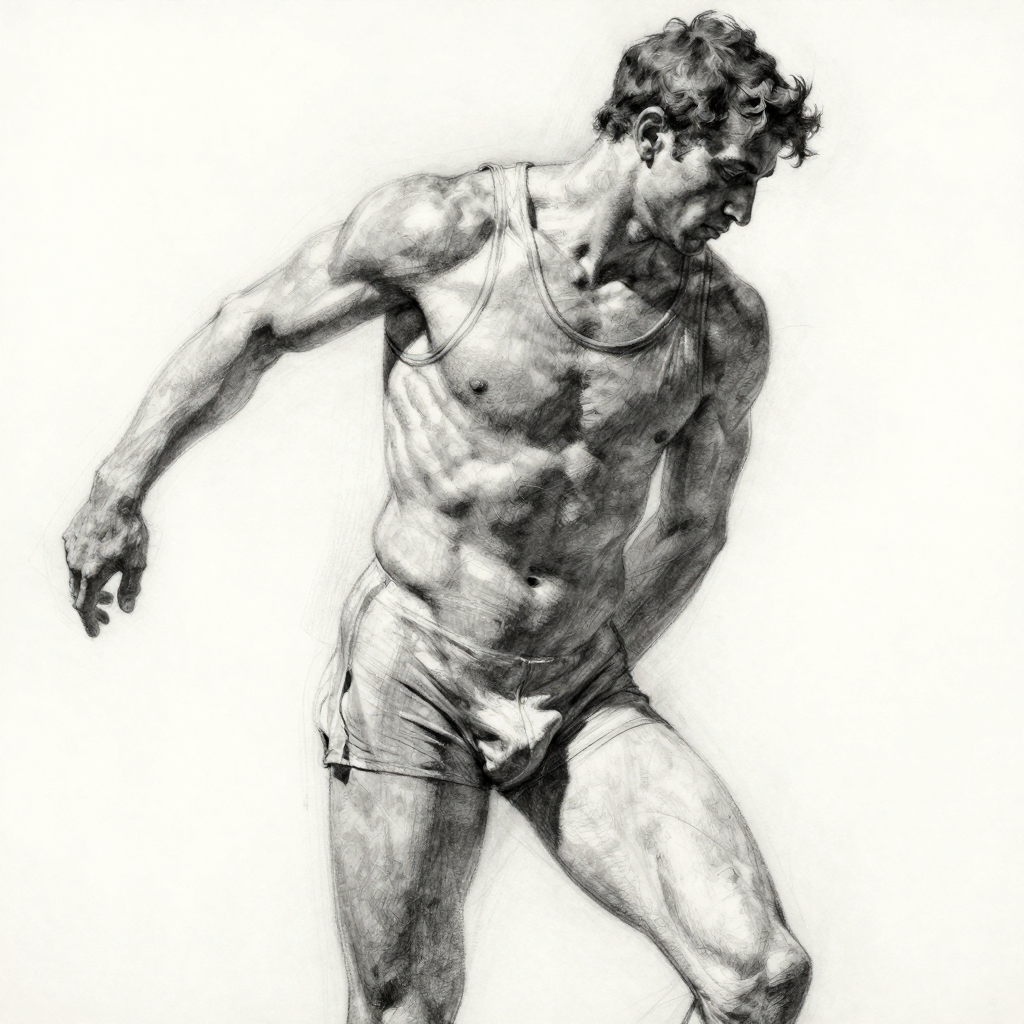
- You must know real anatomy before you can meaningfully exaggerate it
- The exaggeration conveys personality before the character does anything
The principle is non-negotiable: you must know what real looks like before you can break it for effect. Exaggeration without anatomical foundation is inaccuracy that reads as incompetence. But exaggeration built on solid anatomical knowledge is intentional design decision-making — and that difference is always visible to the viewer, even if they cannot articulate it.
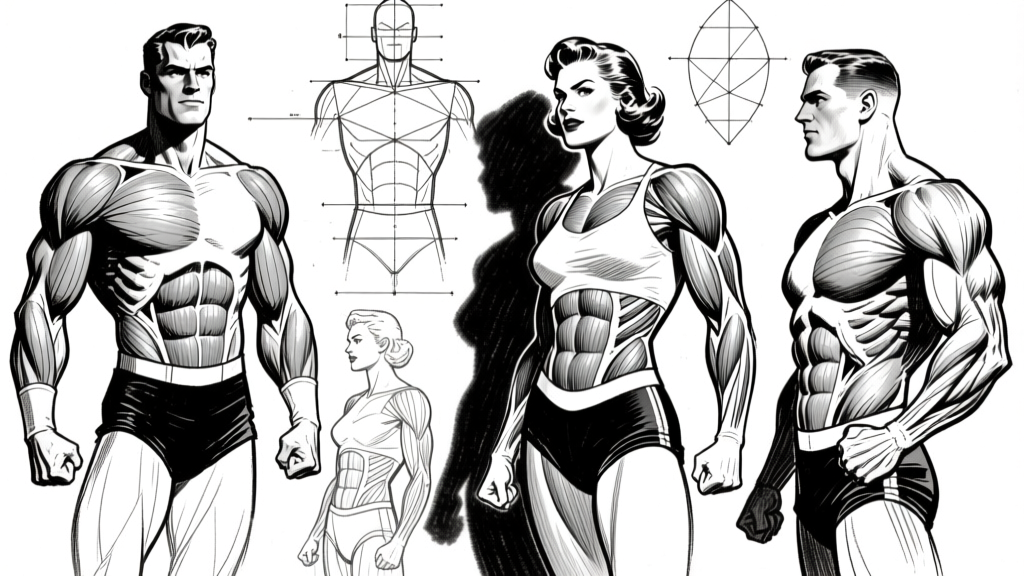
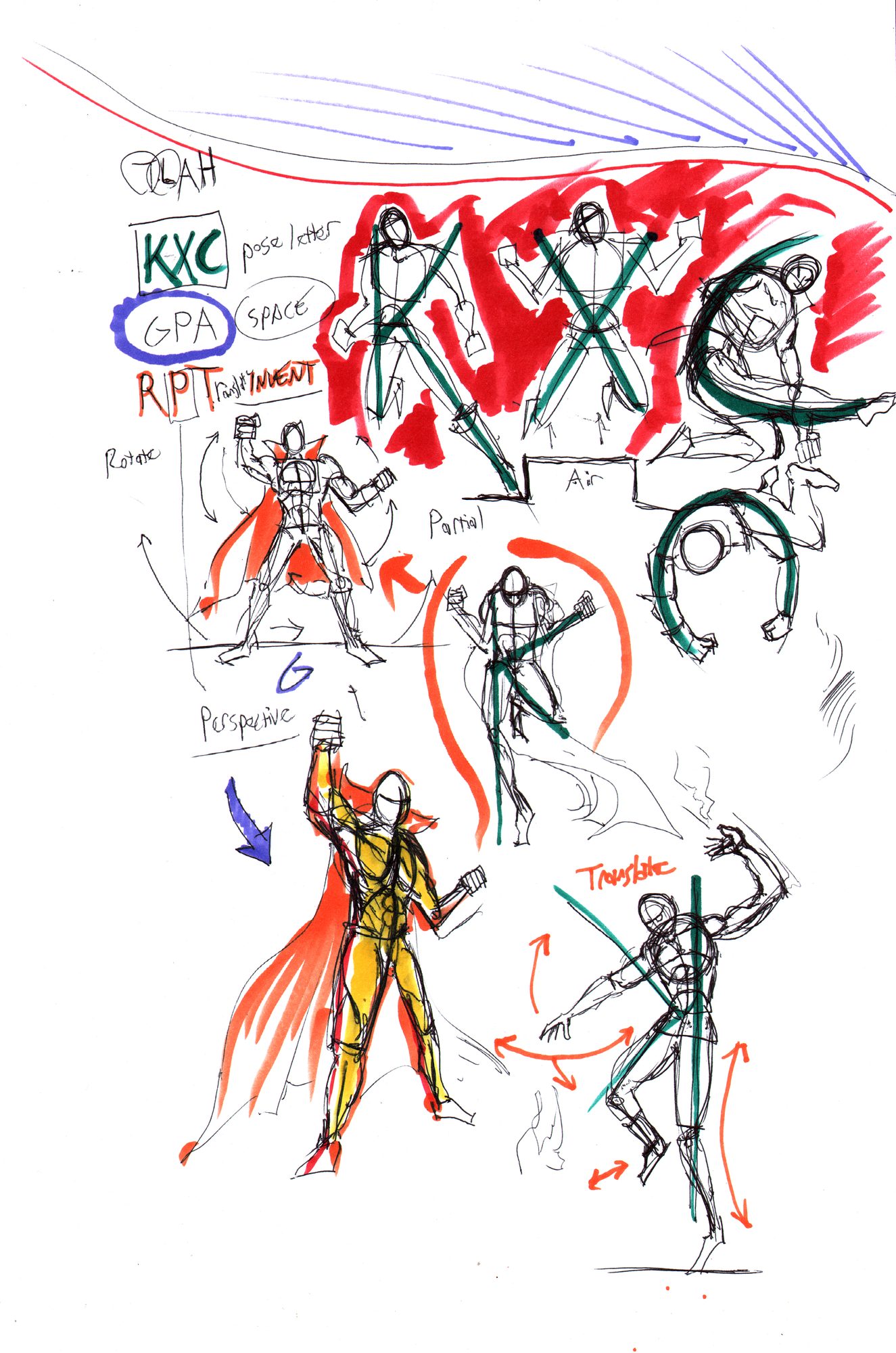
A character design rule: the body tells the story before the costume does. A speedster has long, lean limbs and a sleek, aerodynamic silhouette. A heavy bruiser has compact, wide mass with thick limbs and a low center of gravity. A mystic has flowing, elongated proportions with less muscular definition. Each body type is built by systematically pushing specific measurements away from the average.
REFERENCE GALLERY