KEY CONCEPTS
- Fabric always follows the body beneath it — draw the naked figure first
- Tension folds: fabric pulls tight between two anchor points — folds radiate from tension
- Compression folds: fabric bunches and zigzags at flexed joints
- Armor = the figure's muscles simplified and hardened into surface planes
- The cape follows motion and velocity — at rest: heavy vertical folds; in action: streaming
Armor in heroic art is essentially the figure's muscles solidified. The breastplate follows the pectoral and rib cage curves exactly. The shoulder plates mimic the deltoid's round form. The thigh plates follow the quad mass. Drawing armor well requires knowing the anatomy beneath it — which is why academic anatomy study always comes first, even for fantasy and science fiction character designers.
TRY THIS — 10 MINUTESDraw a standing figure completely naked with full anatomical detail. Then, on a clean sheet placed over it (or drawn beside it), draw the costume layered over the exact same body: every piece of fabric follows the anatomy directly beneath it. Tight areas tighten over protruding forms; loose areas hang from anchor points. The anatomy dictates every clothing decision.
REFERENCE GALLERY
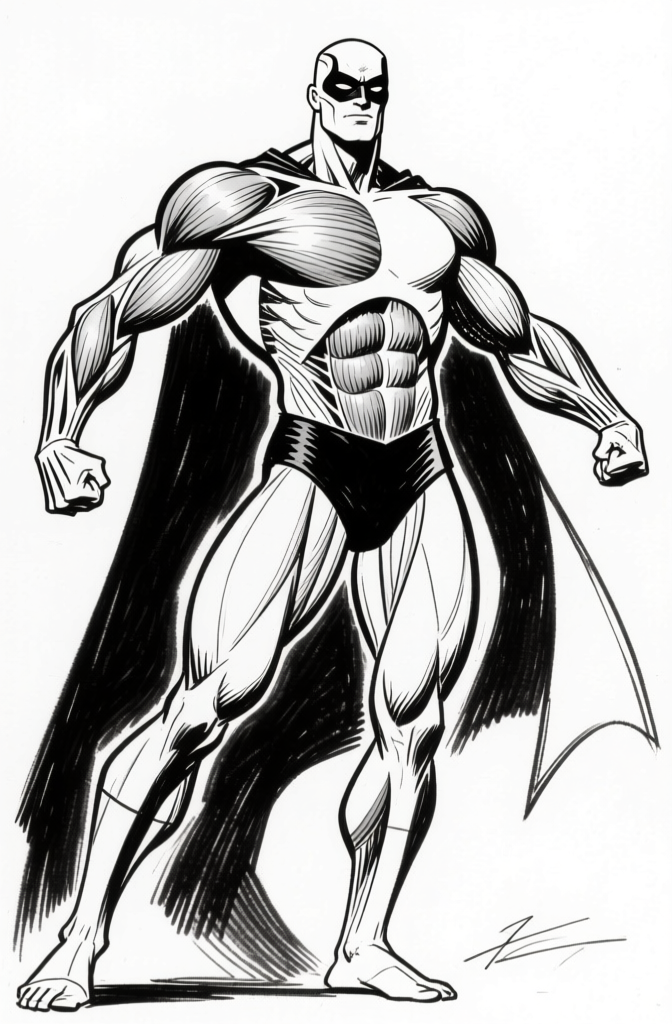
Hero figure with full costume
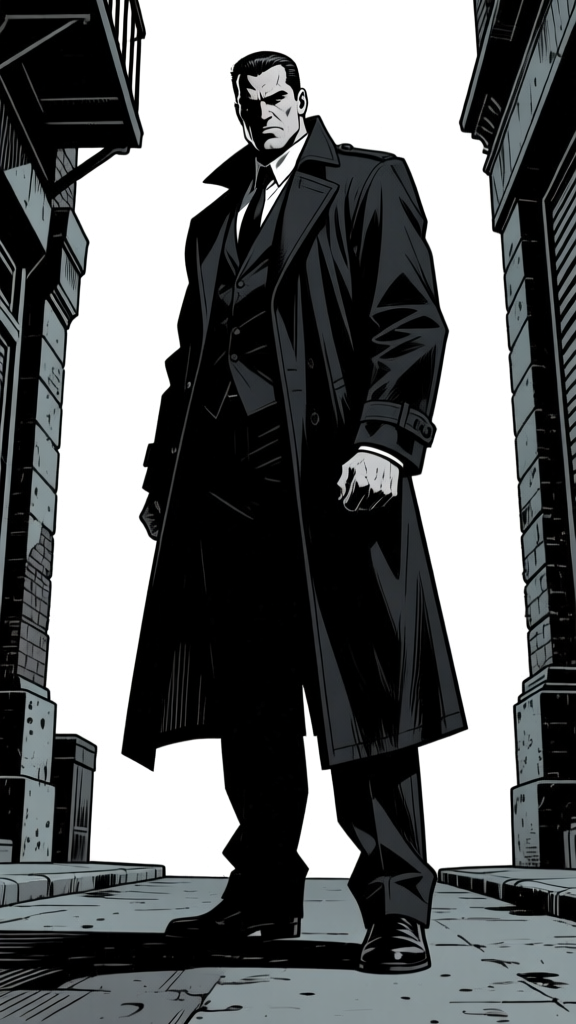
Noir trenchcoat figure — fabric folds
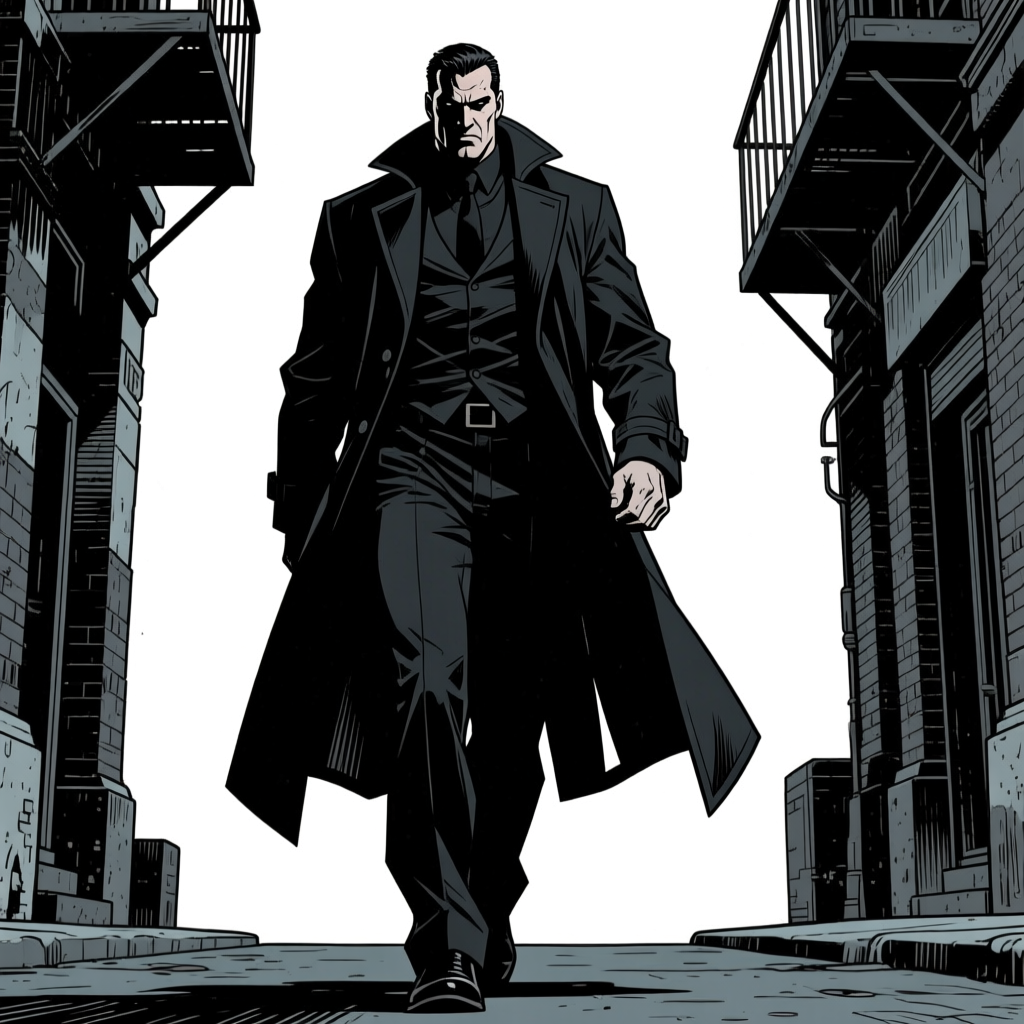
Street figure — clothing in motion
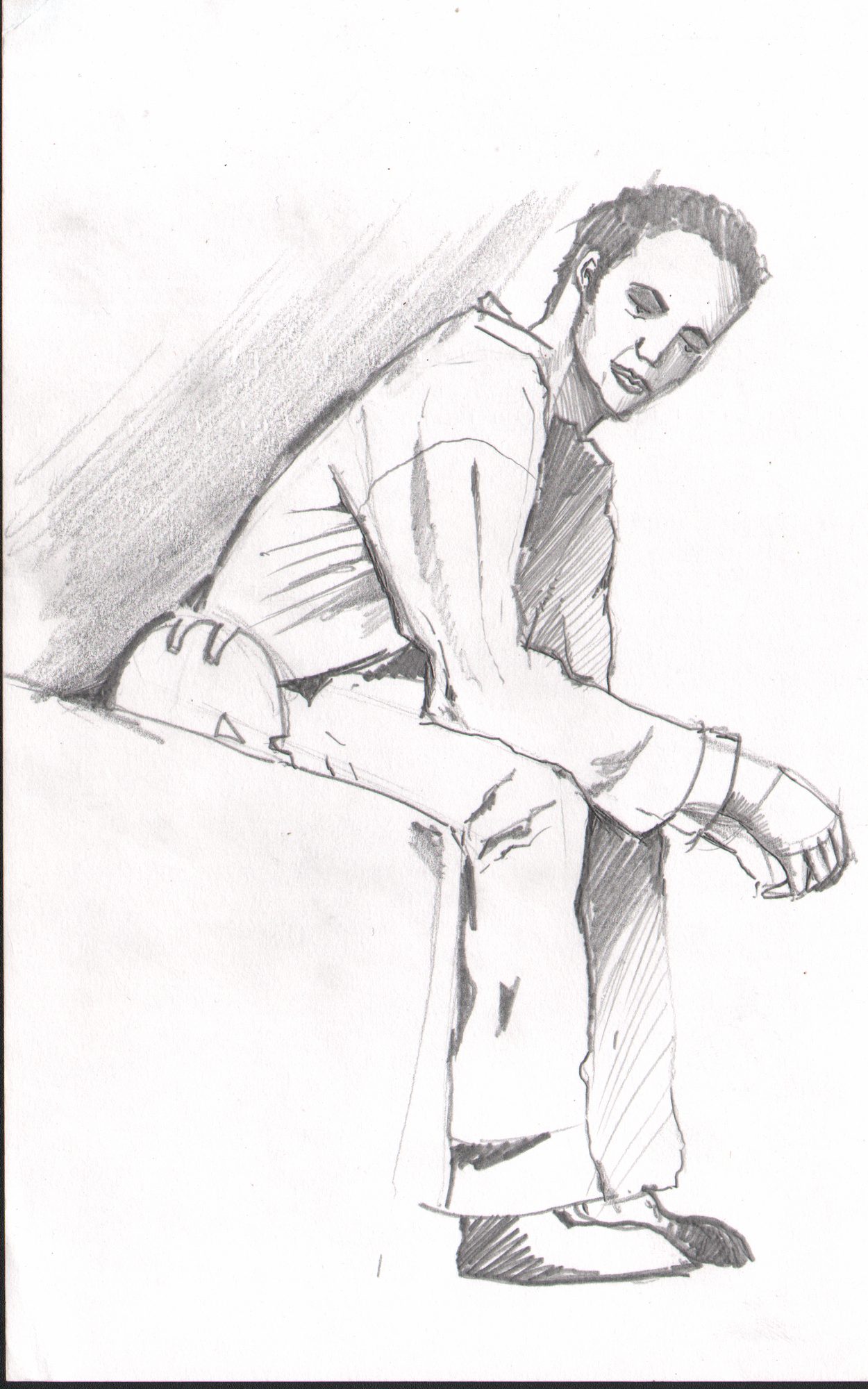
Seated clothed figure — clothing folds
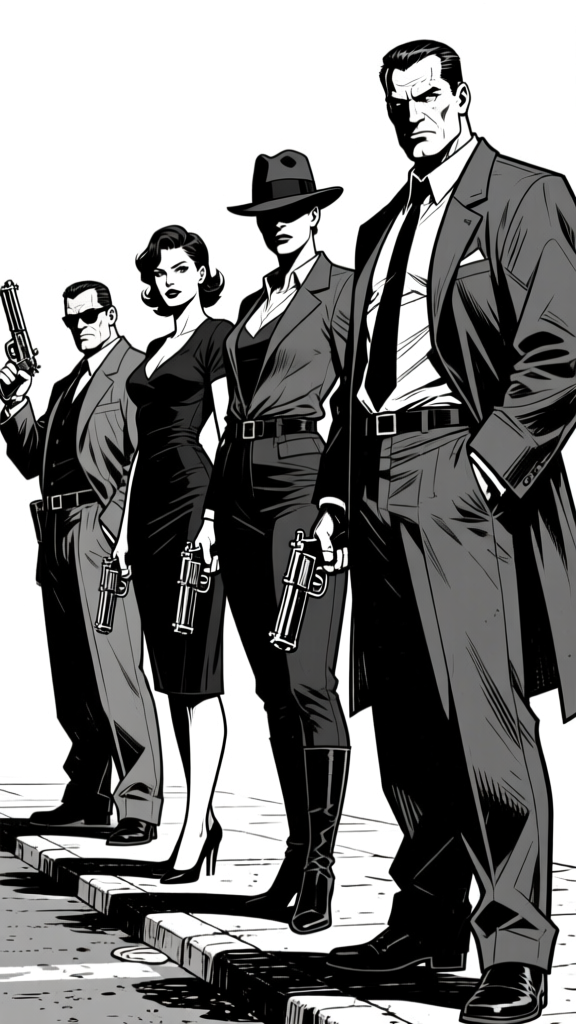
Group clothed figures — noir
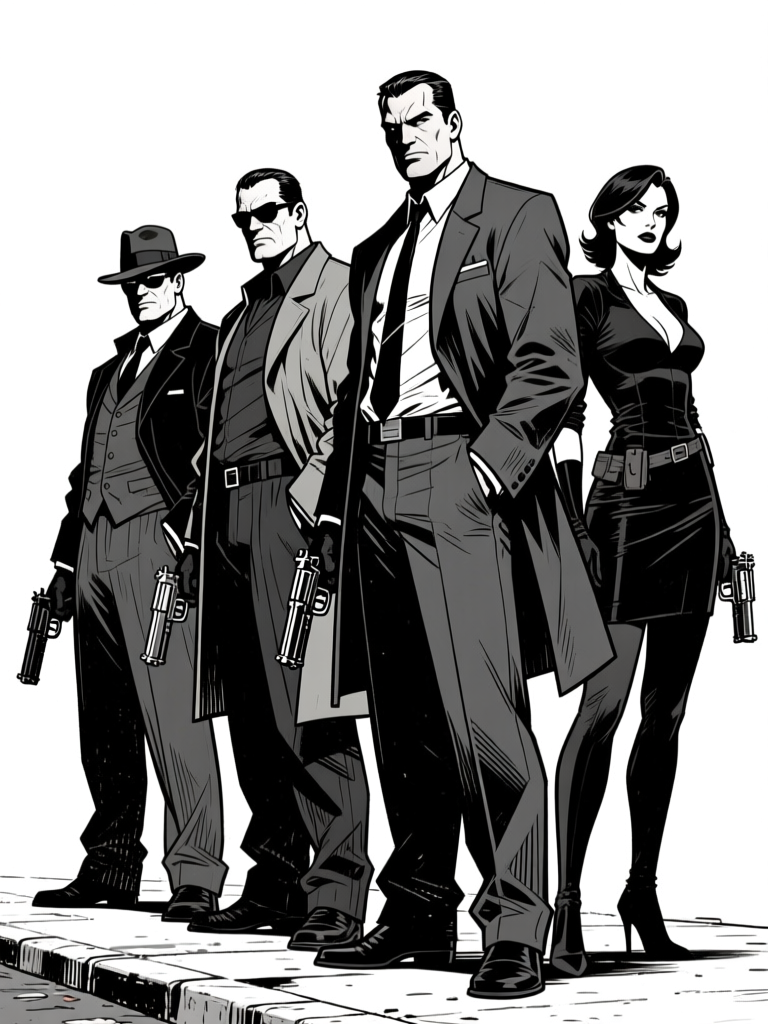
Group clothed figures — lineup
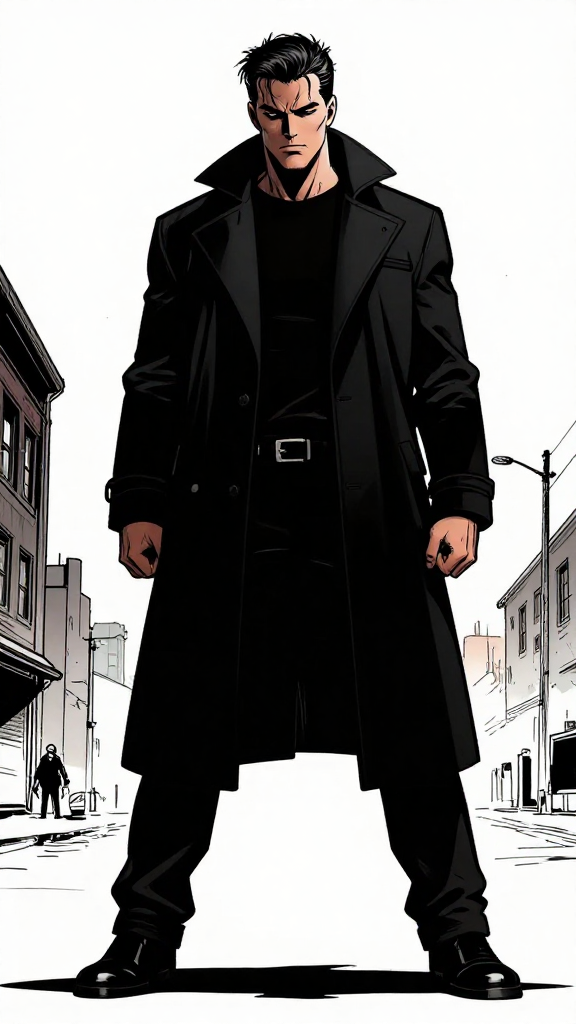
Clothed figure — long coat
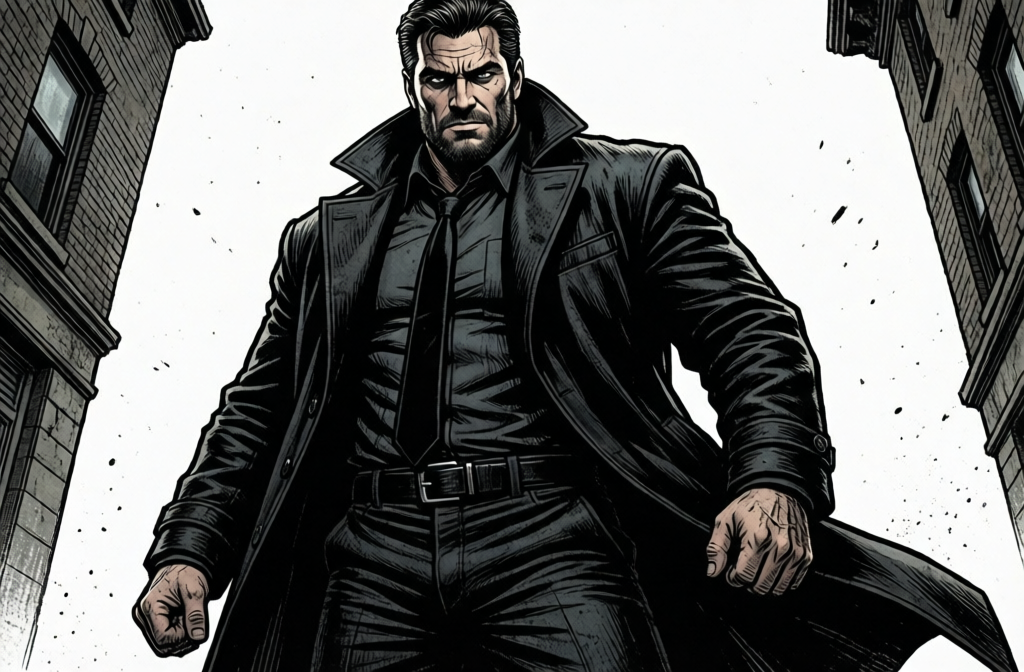
Clothed figure — action coat
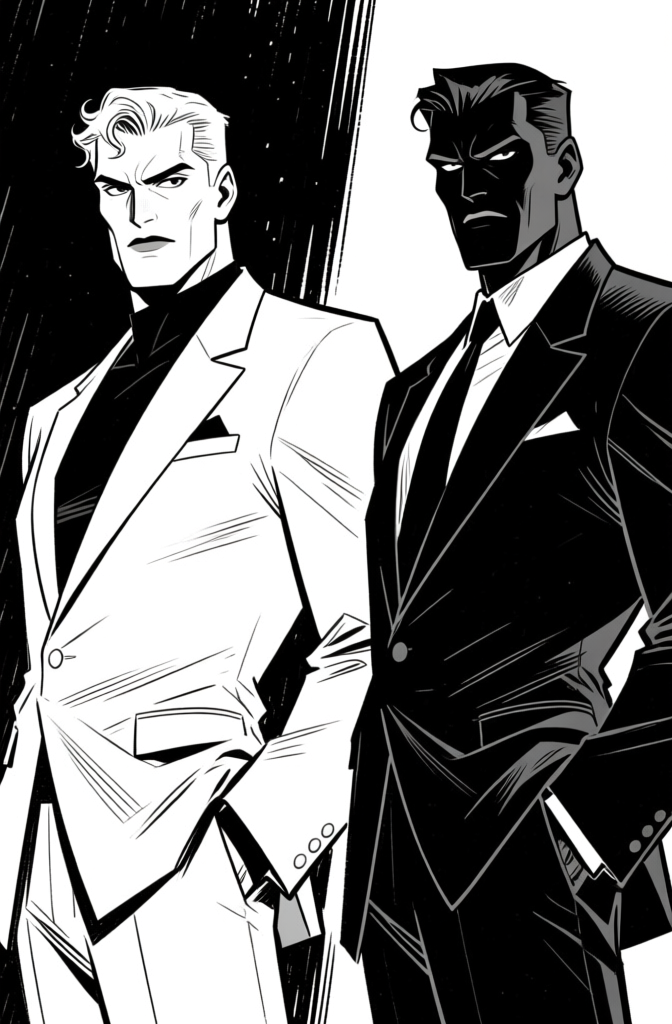
Two clothed figures — suits
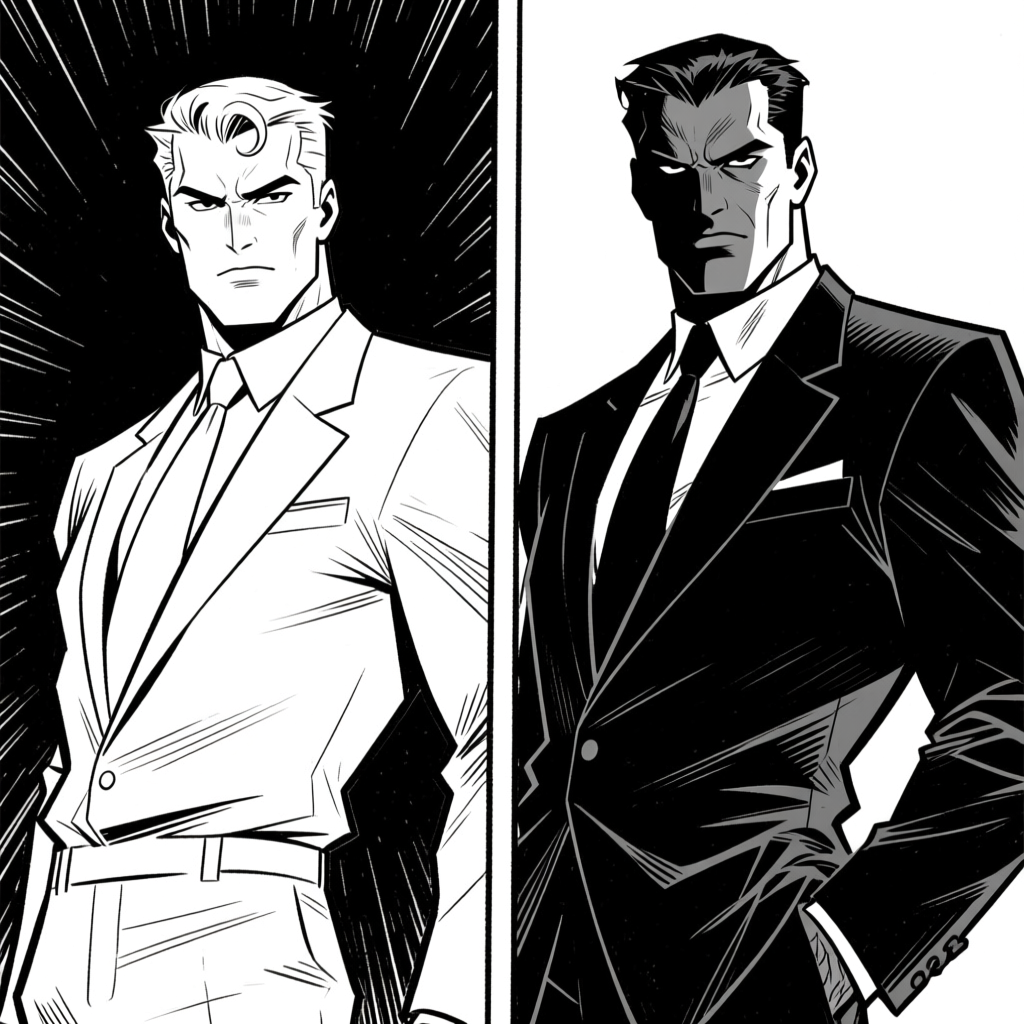
Two clothed figures — suits
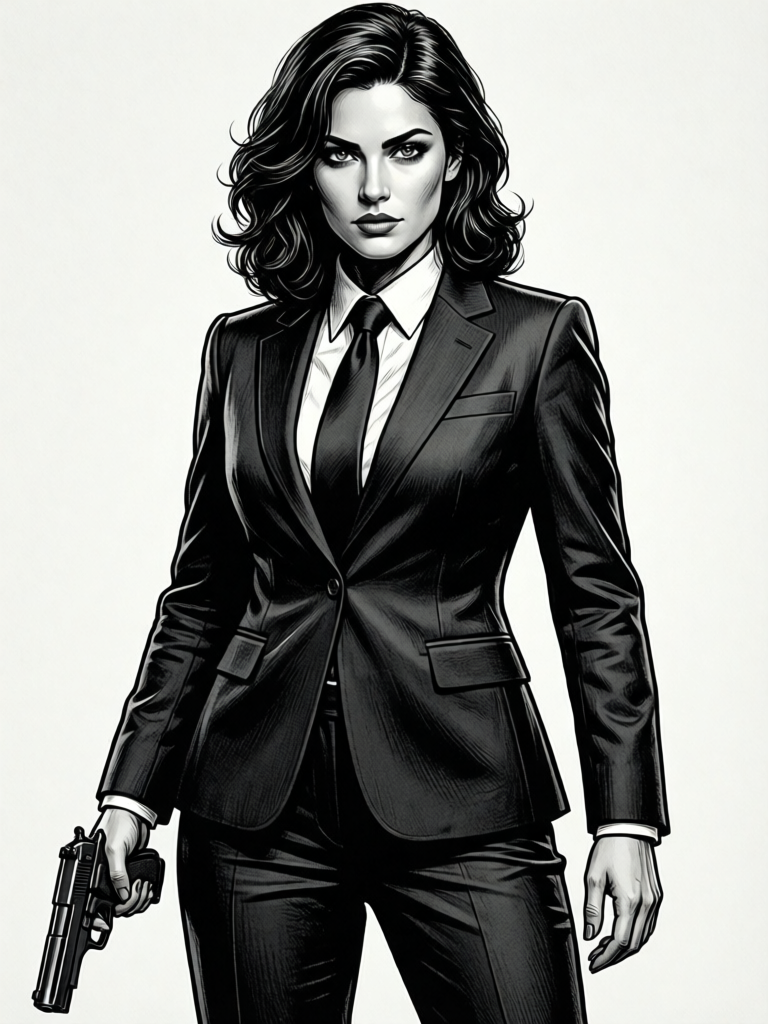
Female clothed — suit figure
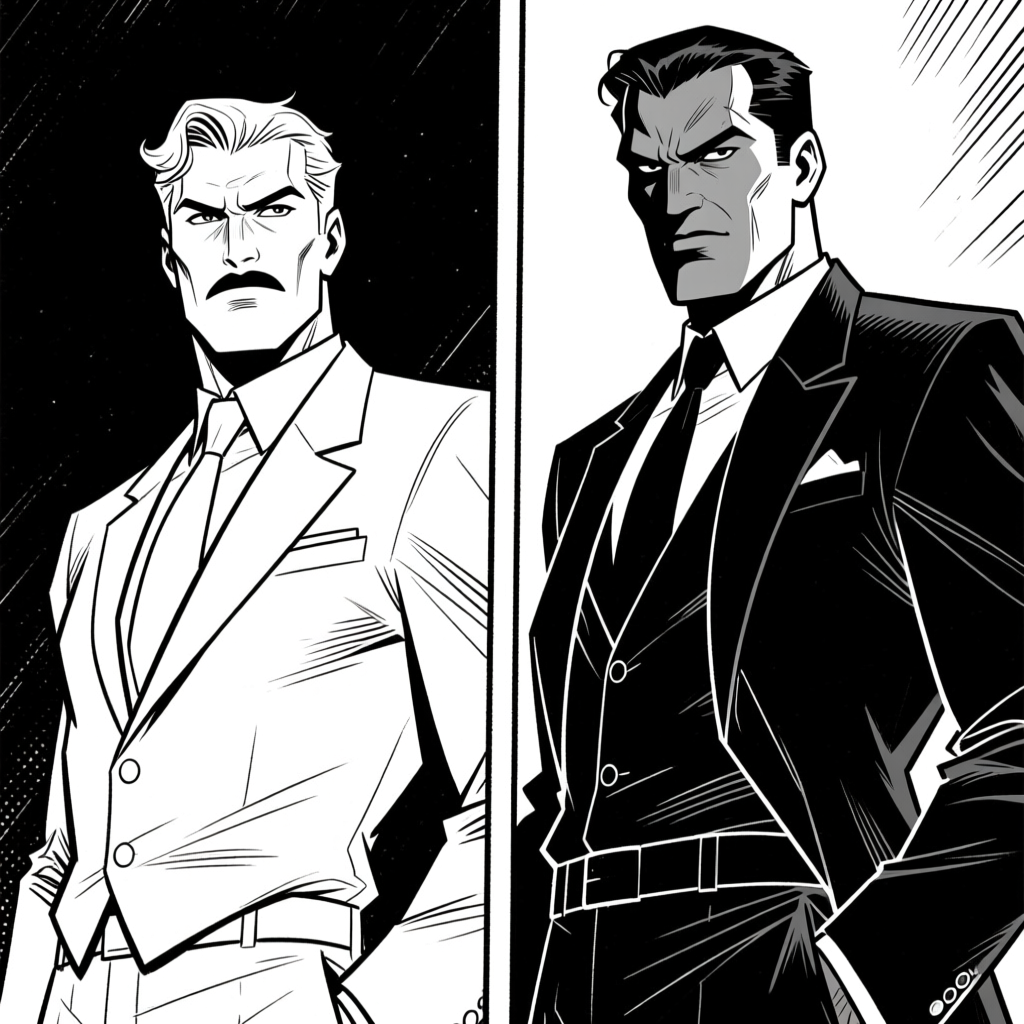
Two clothed figures — suits
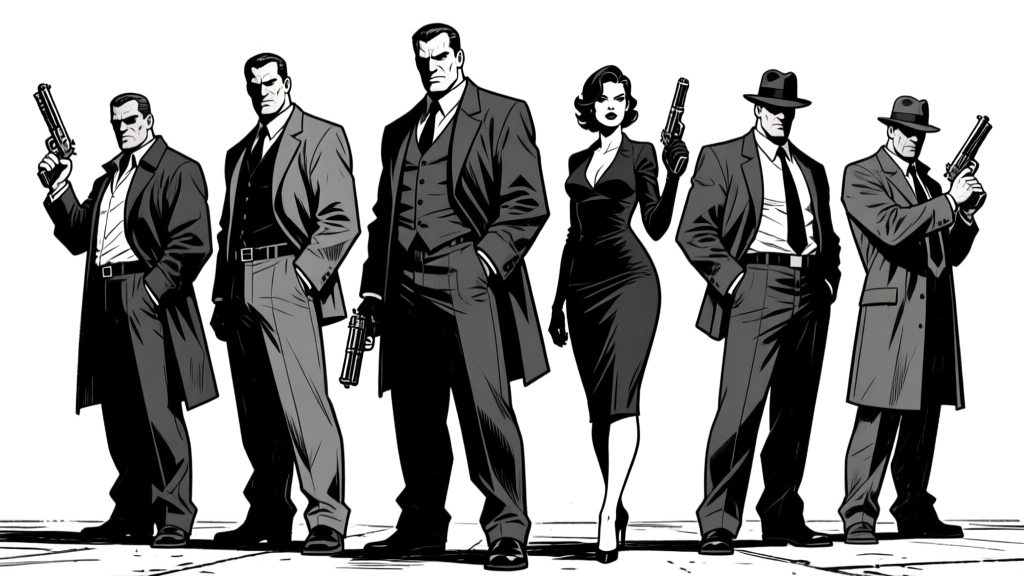
Group clothed noir — lineup
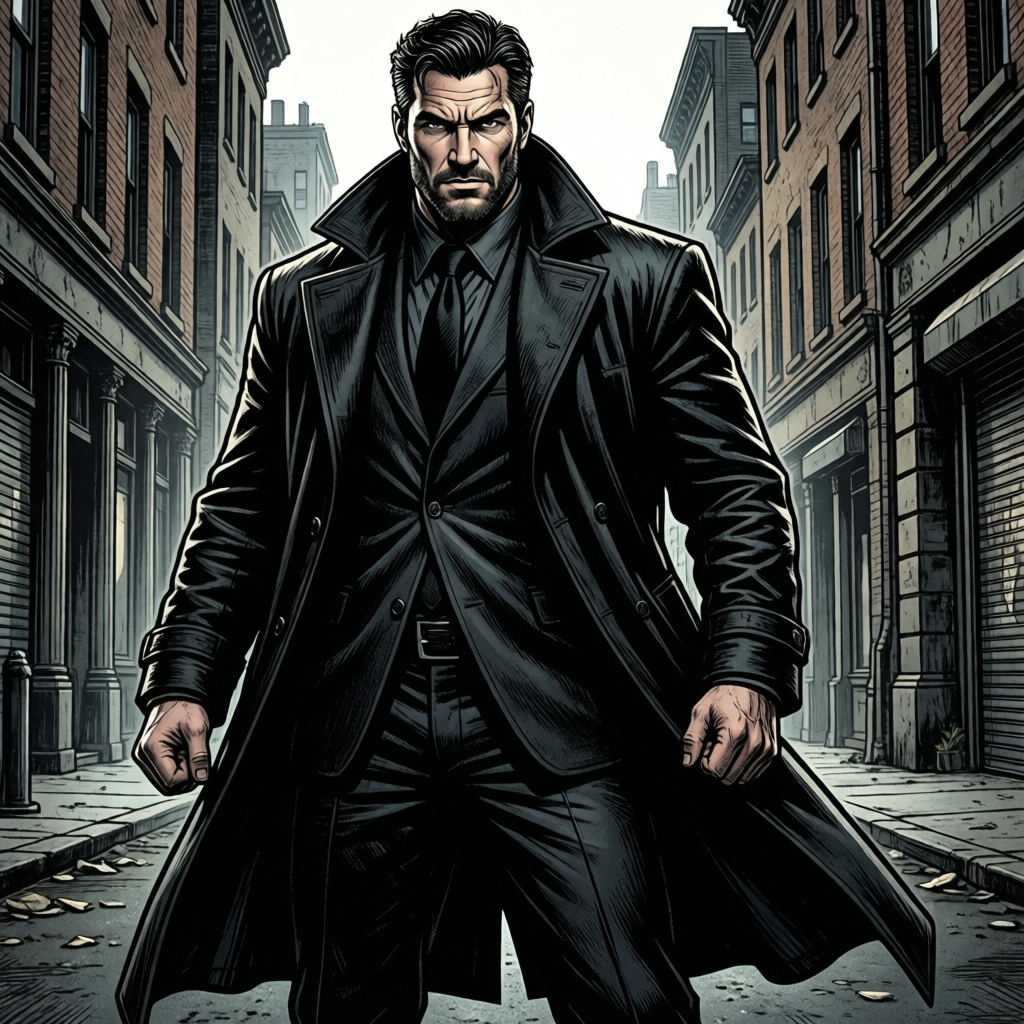
Clothed figure — action coat
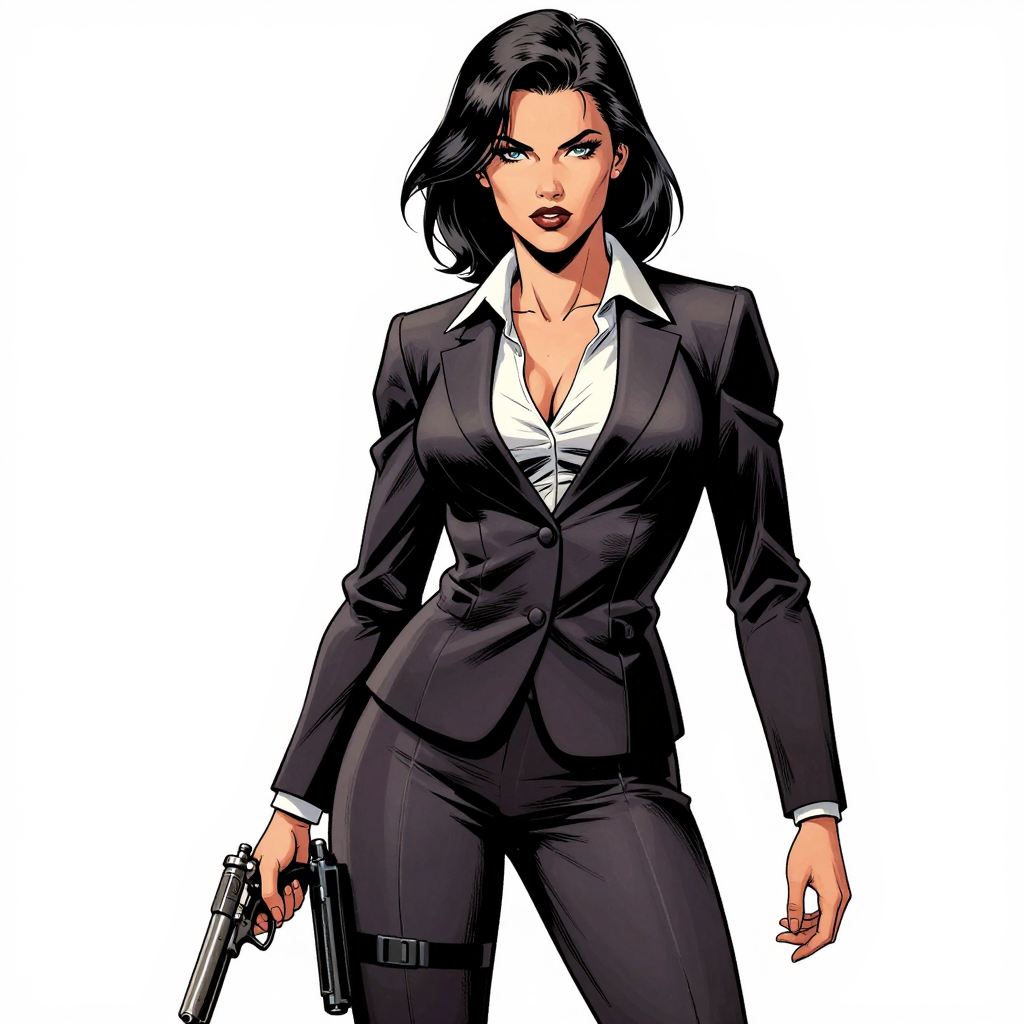
Female clothed — suit figure
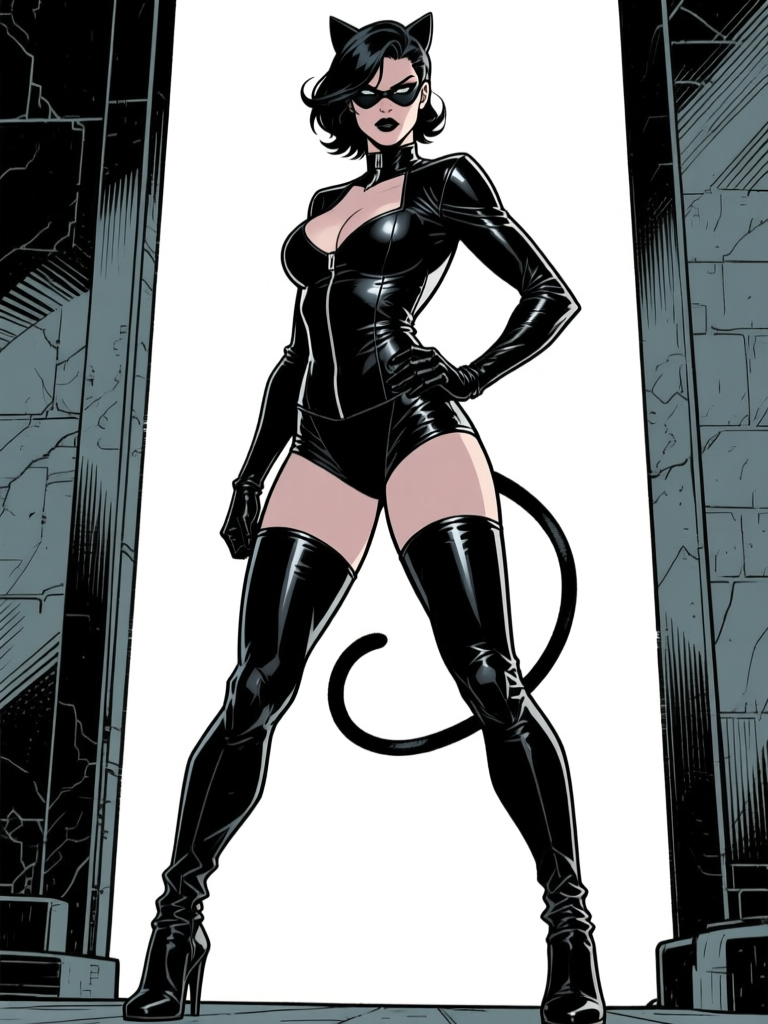
Female villain — clothed full