KEY CONCEPTS
- Know real anatomy first — exaggeration without foundation is inaccuracy
- Male hero: +30% shoulder width, +15% leg length, +20% chest depth
- Female hero: elongated legs, strong but narrower shoulders, more pronounced curves
- Body type should serve character role: speedster = lean, bruiser = wide and compact
- Jaw lines are stronger, brow ridges heavier, eyes more intense in heroic art
Every professional comic artist has spent thousands of hours drawing the figure academically before they developed their heroic exaggerations. Jack Kirby knew anatomy deeply — that knowledge is what makes his exaggerations feel powerful rather than incompetent. Neal Adams studied anatomy relentlessly — his figures feel believably real even when drawn with superhuman proportions. Know the real before you push past it.
TRY THIS — 10 MINUTESDesign three different characters using the same body sequence but different proportional pushes: (1) a speedster — lean, long-limbed, aerodynamic, minimal muscle definition, (2) a heavy hitter — compact, wide, low center of gravity, thick limbs, (3) a balanced hero — standard heroic proportions. All three use the same sequence and same basic anatomy. The proportional choices create three completely different character personalities.
REFERENCE GALLERY
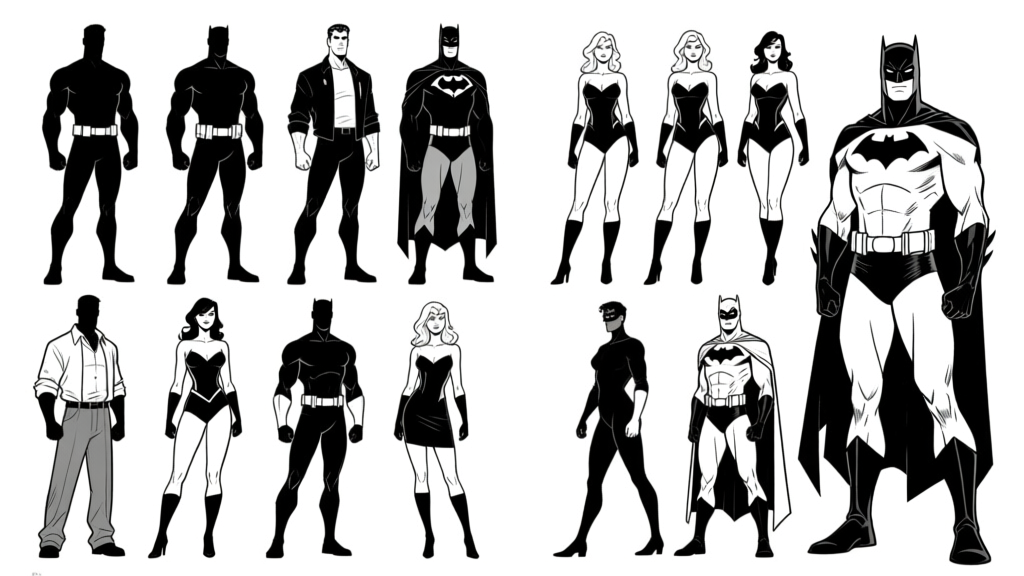
Full hero silhouette lineup
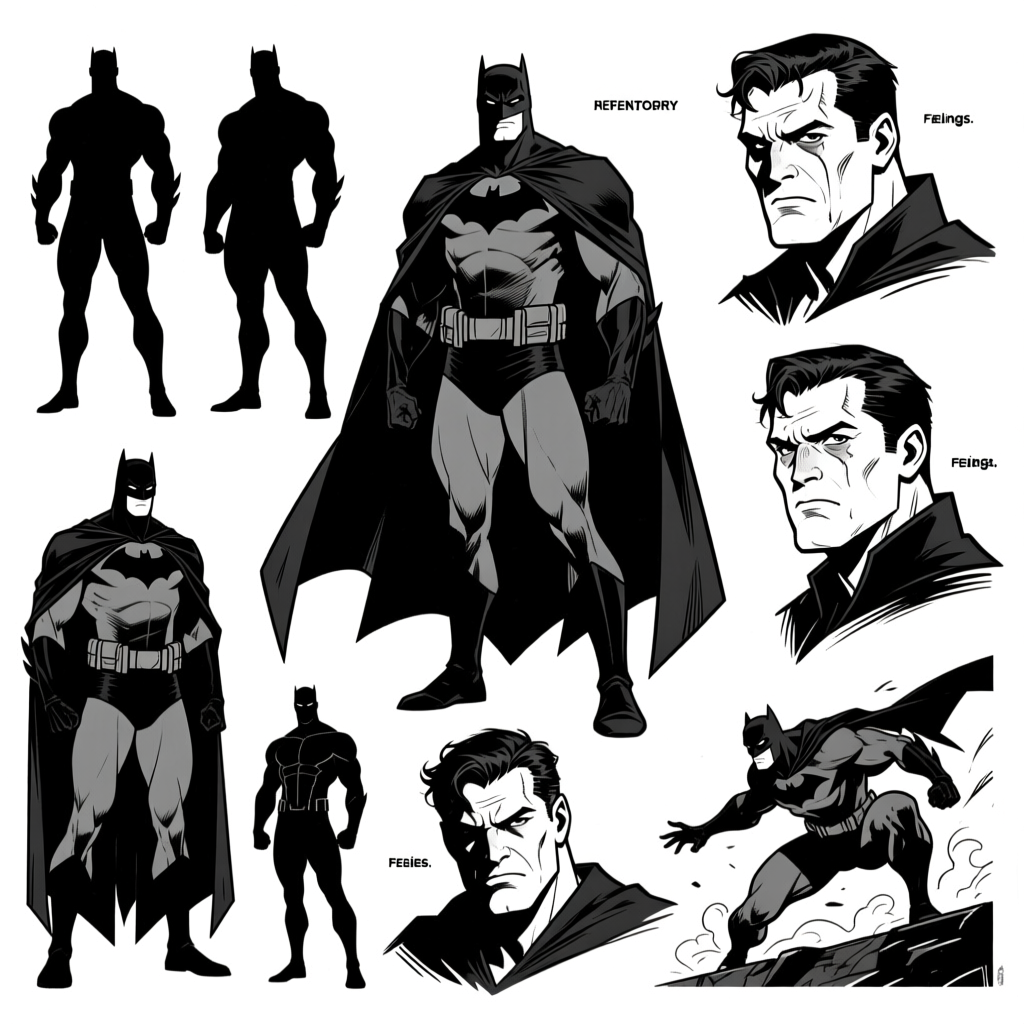
Hero character design variations
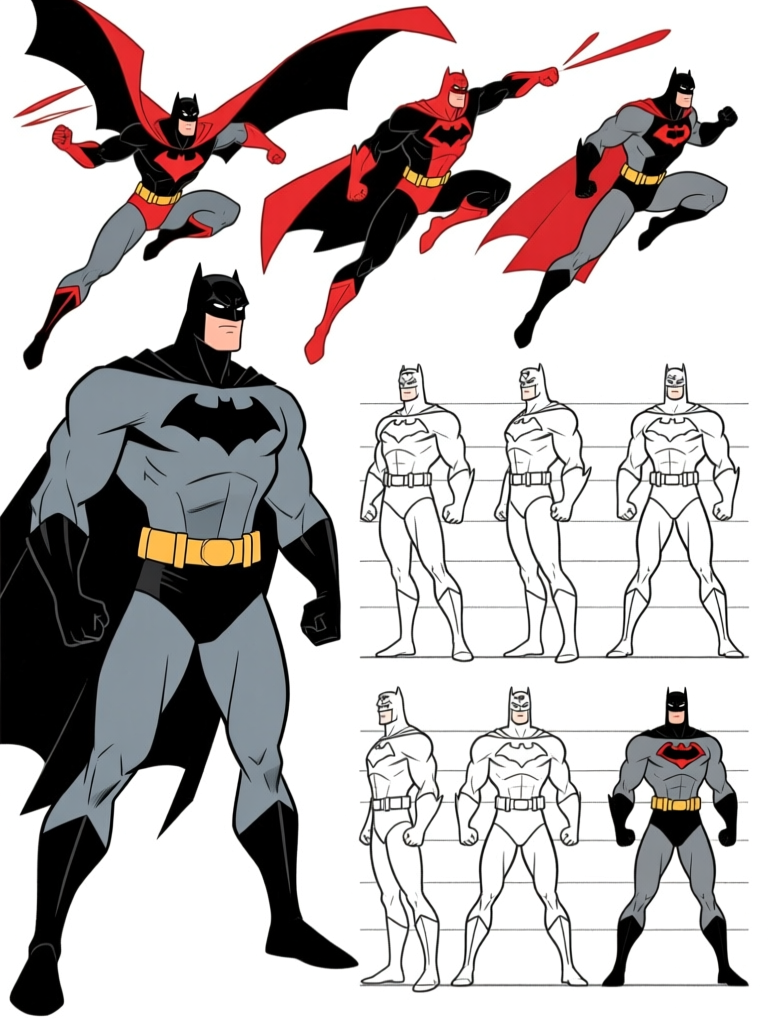
Hero design action and standing poses
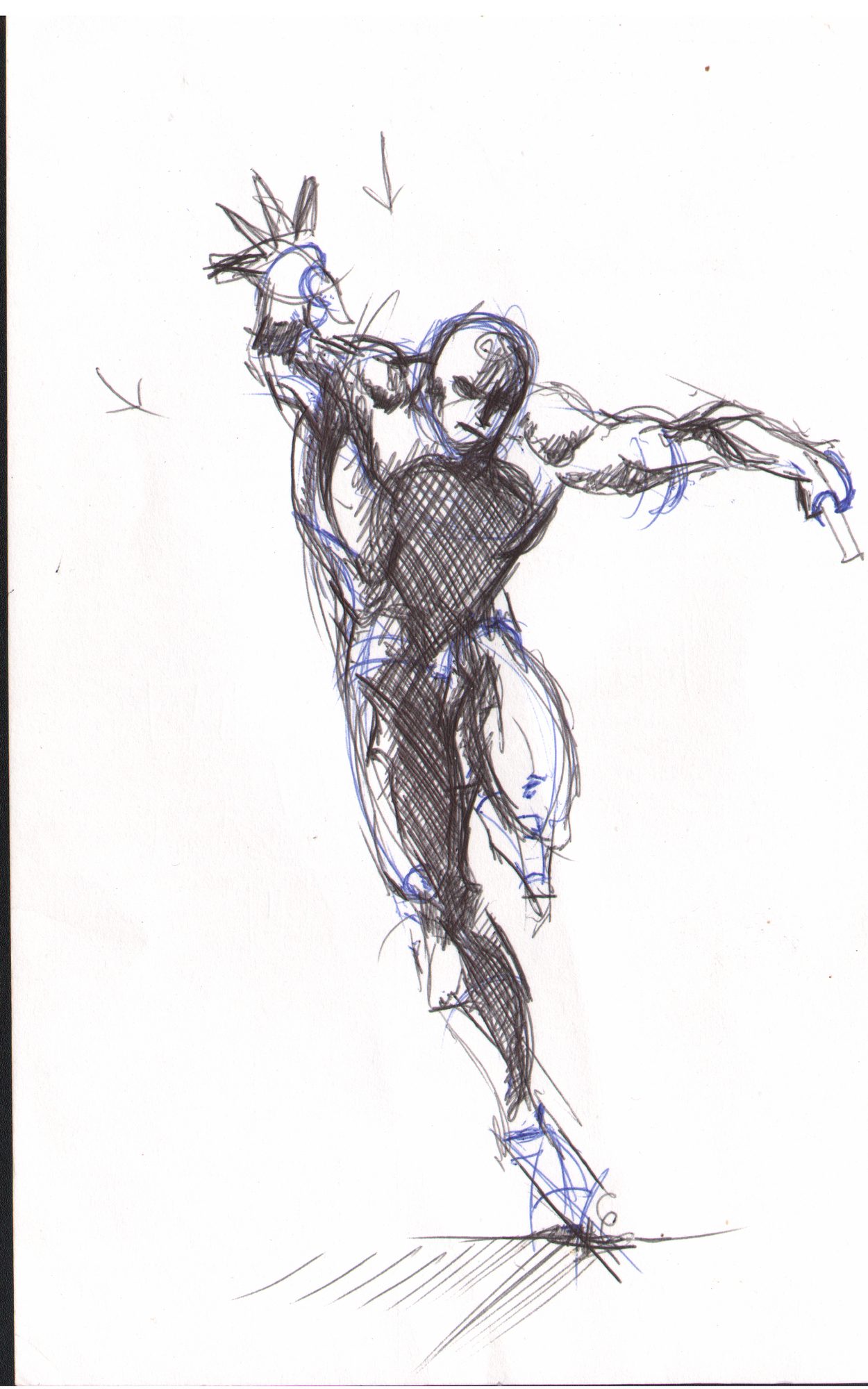
Full dynamic figure in ink — cyberpunk character
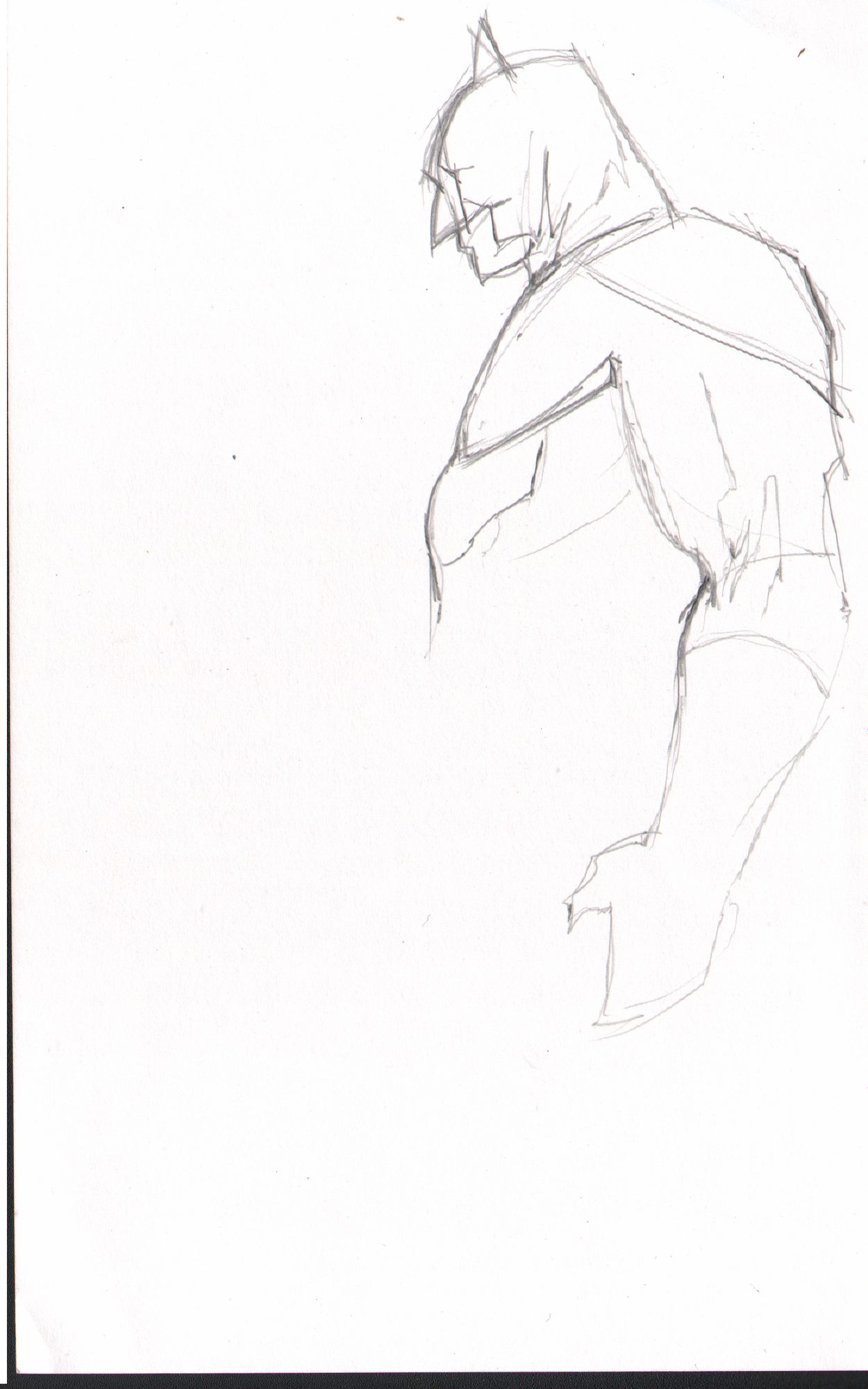
Caped hero profile — comic character sketch
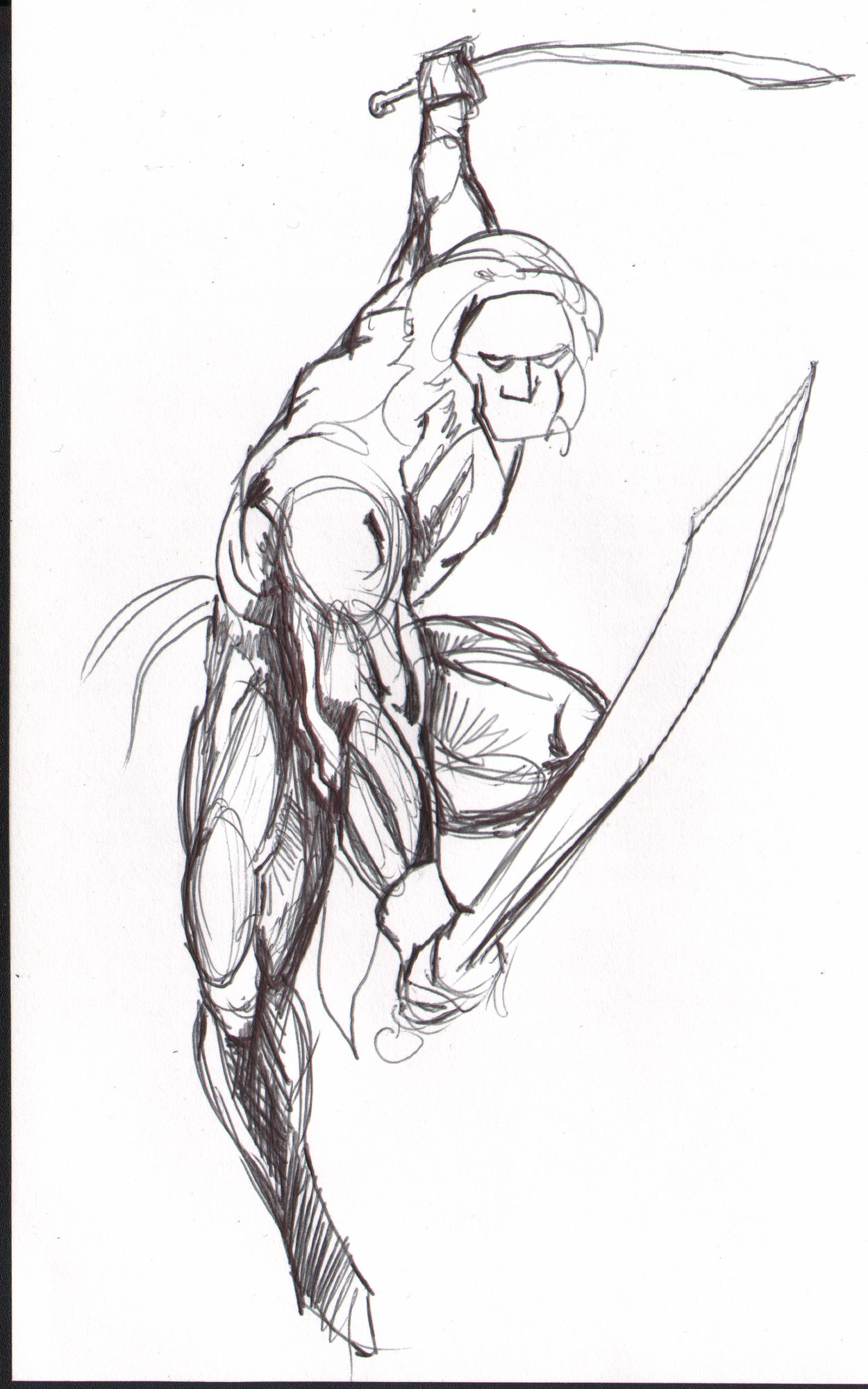
Warrior figure with sword — comic action
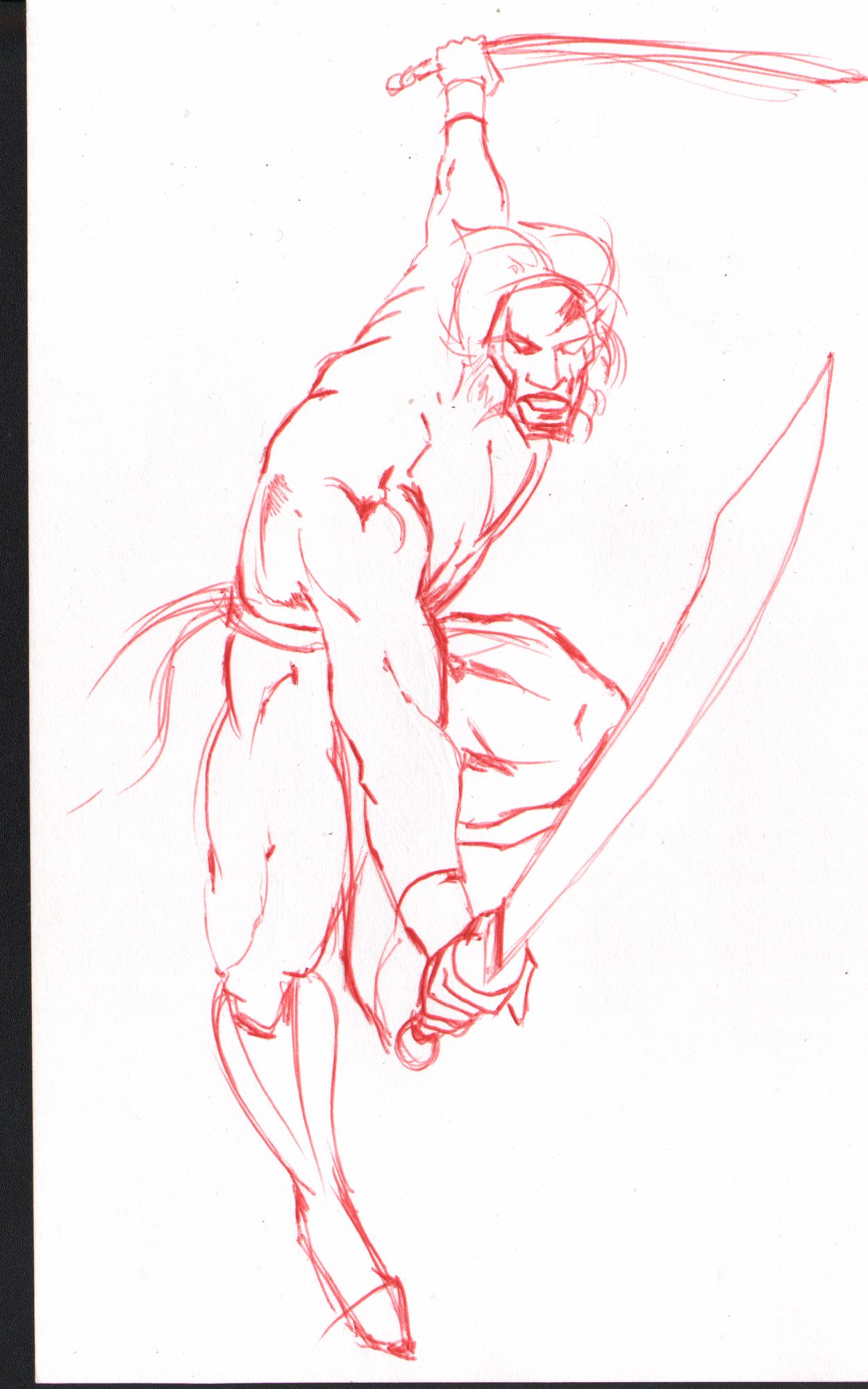
Warrior in red — dynamic comic action figure
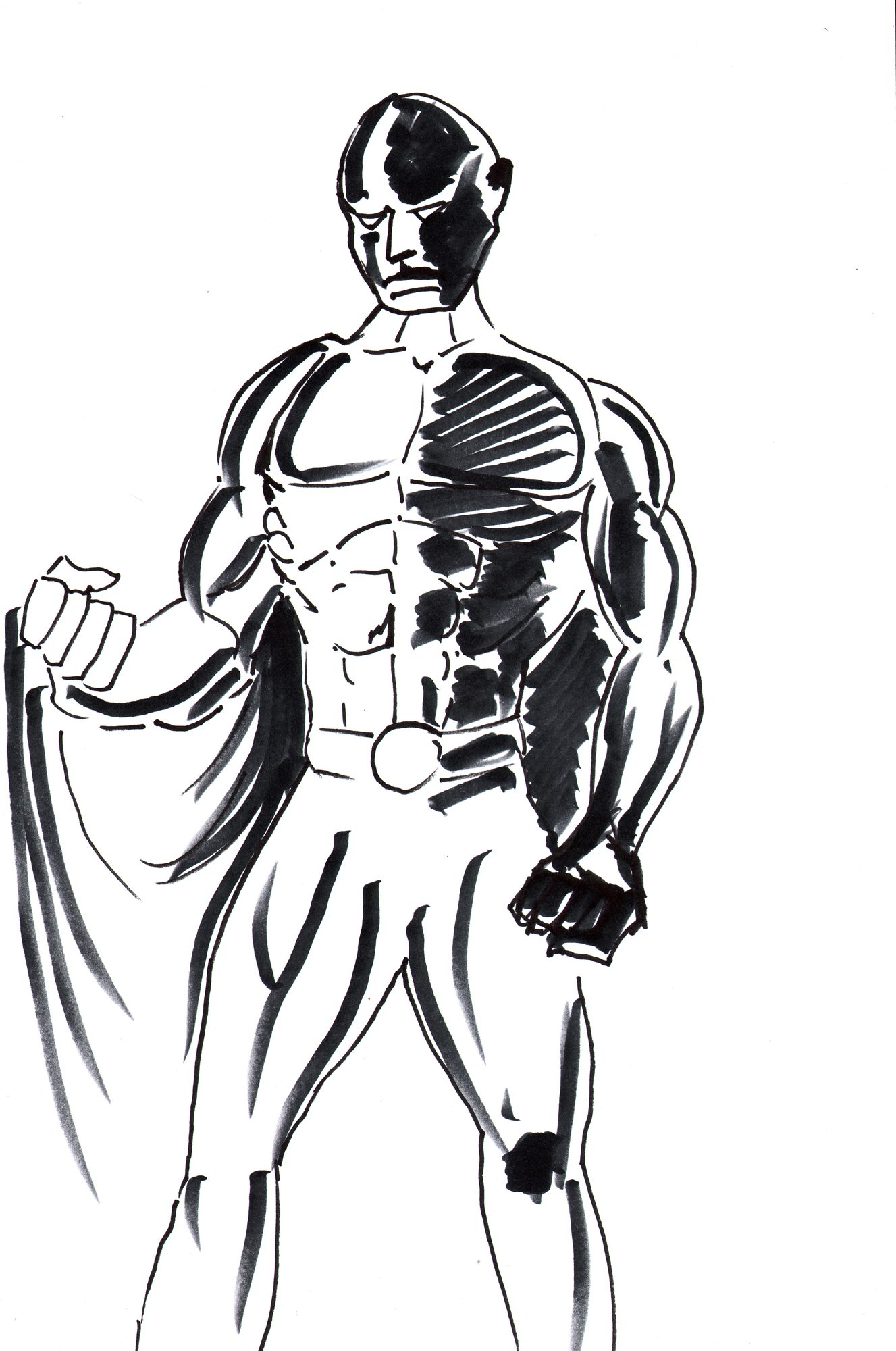
Life drawing — academic to heroic reference
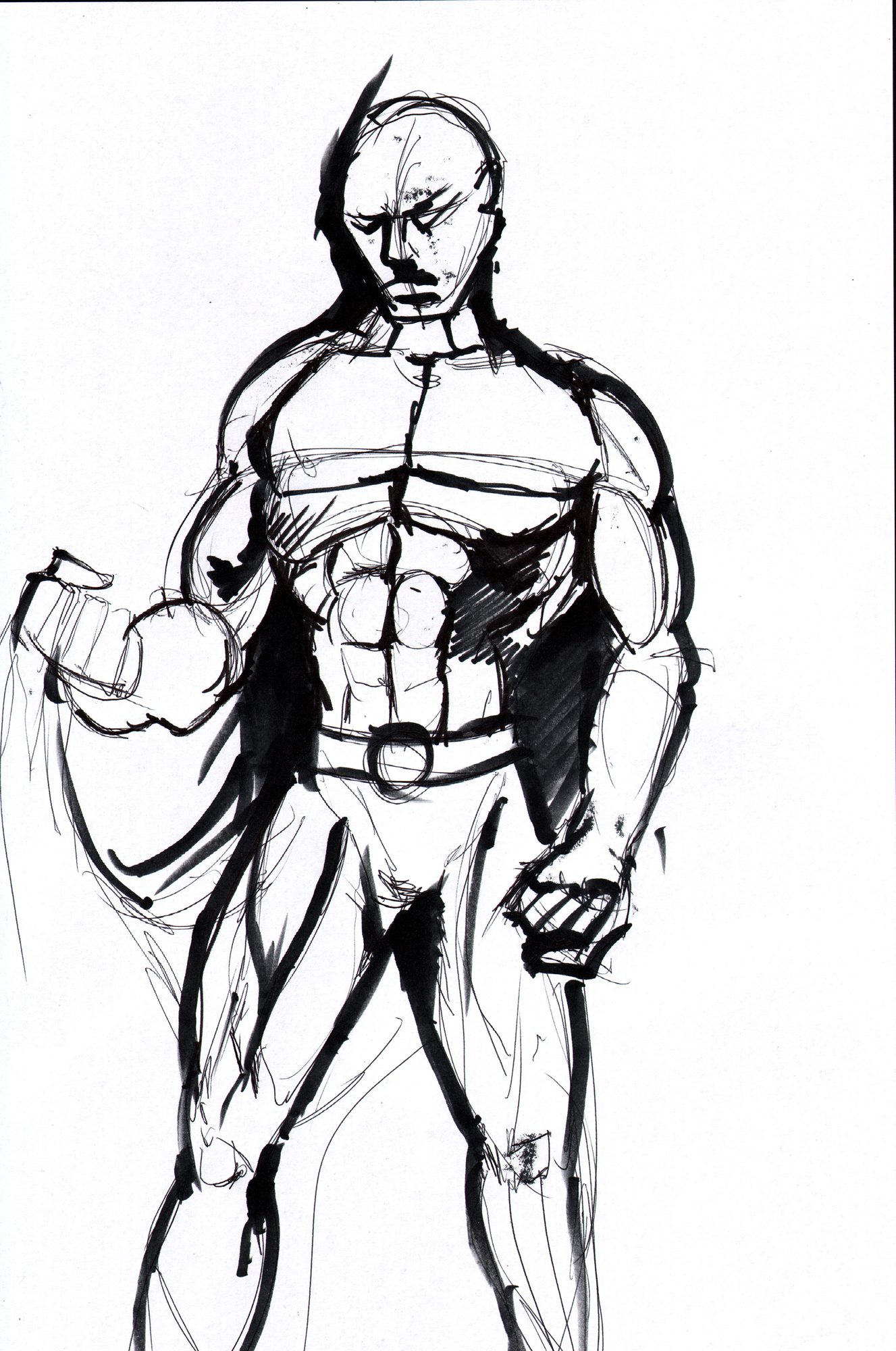
Life drawing large — comic/heroic style
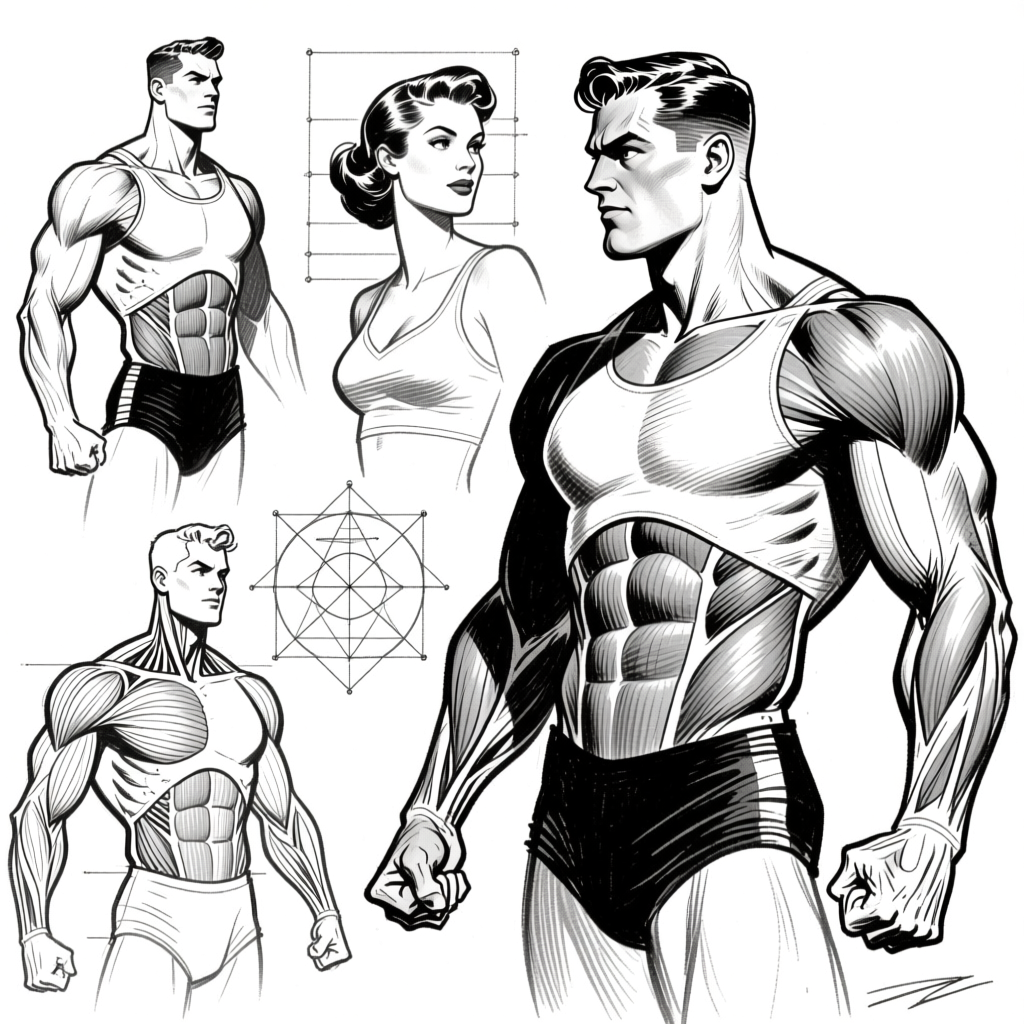
Hero and heroine — geometric overlay
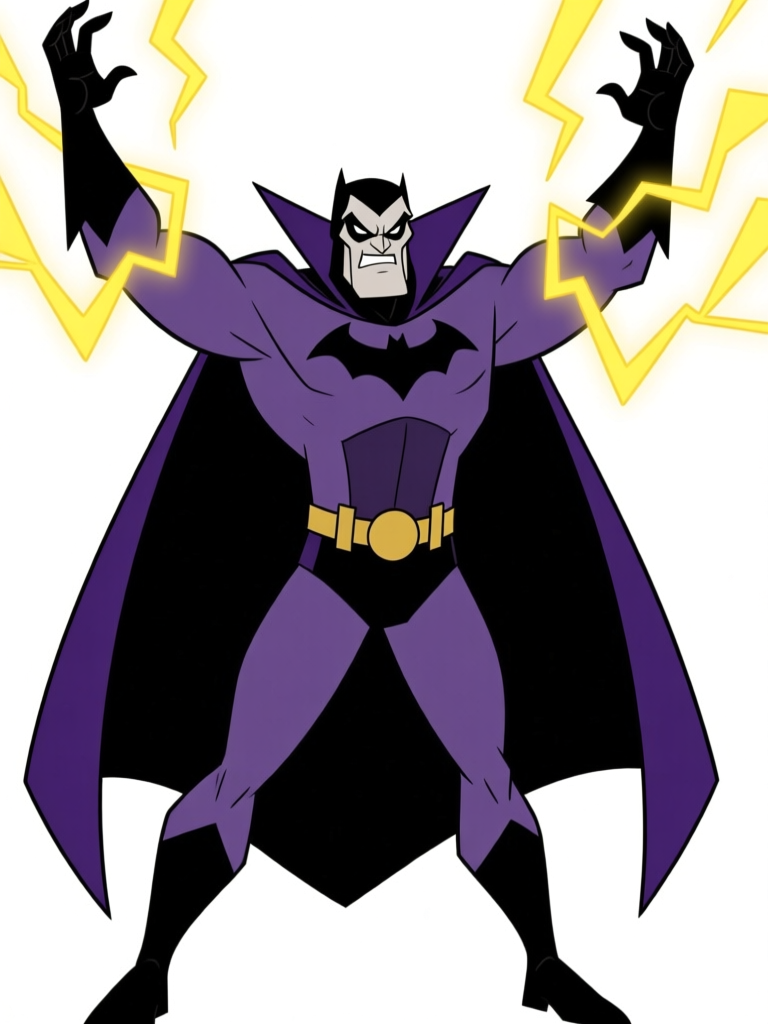
Villain with lightning — colored
Two superhero figures — comparison
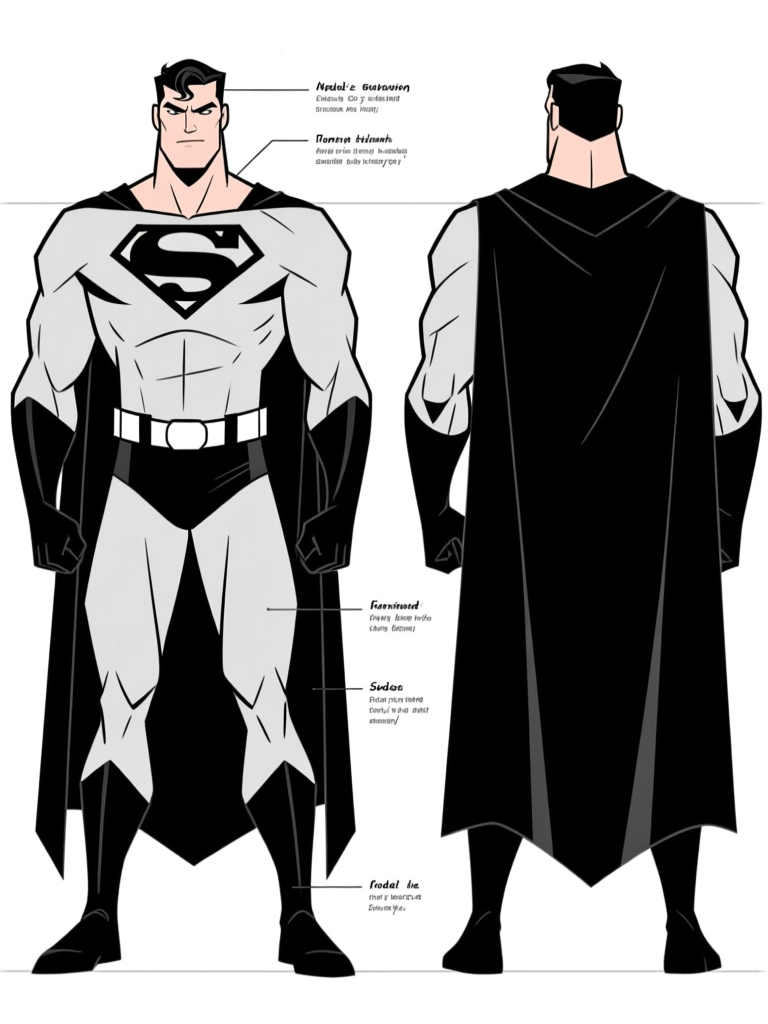
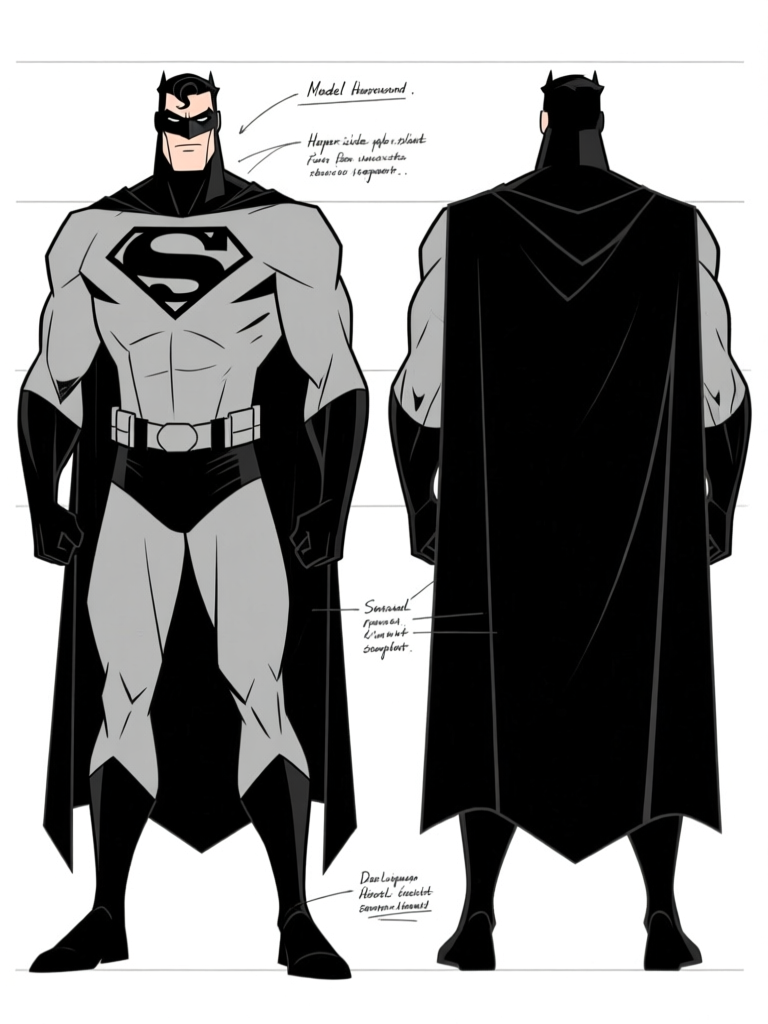
Superman — front and back view
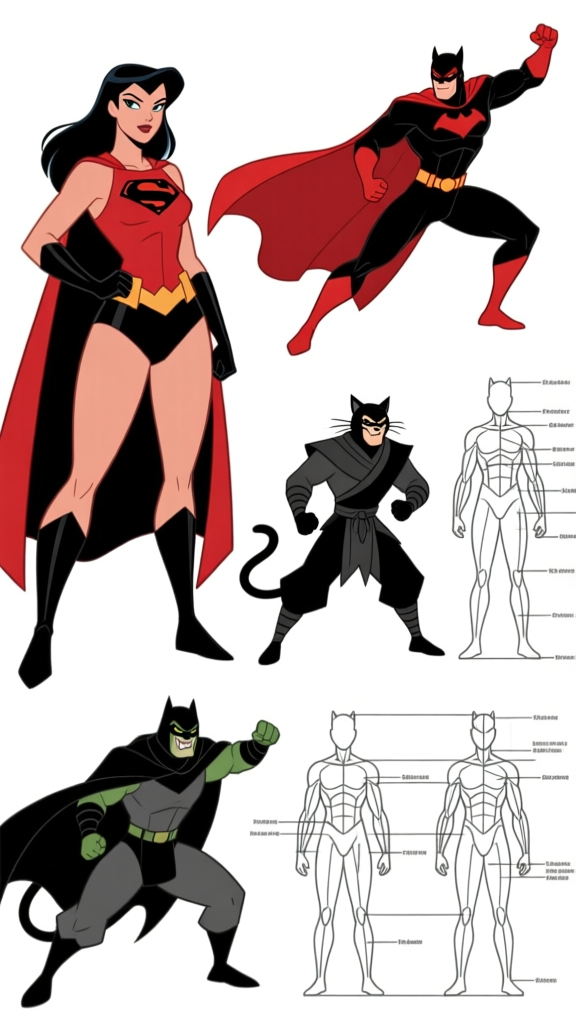
Hero character lineup — colored
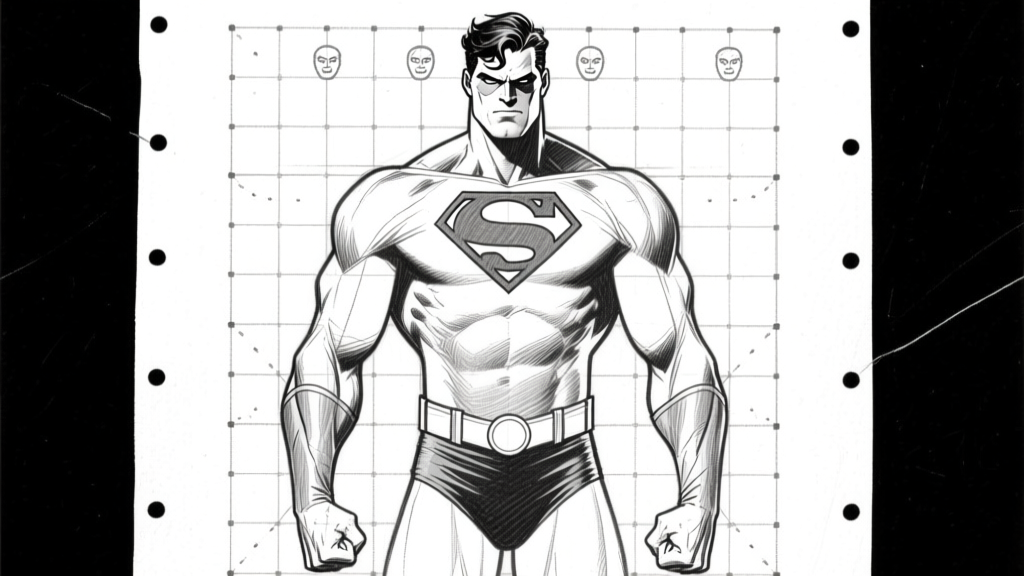
Hero figure — grid study
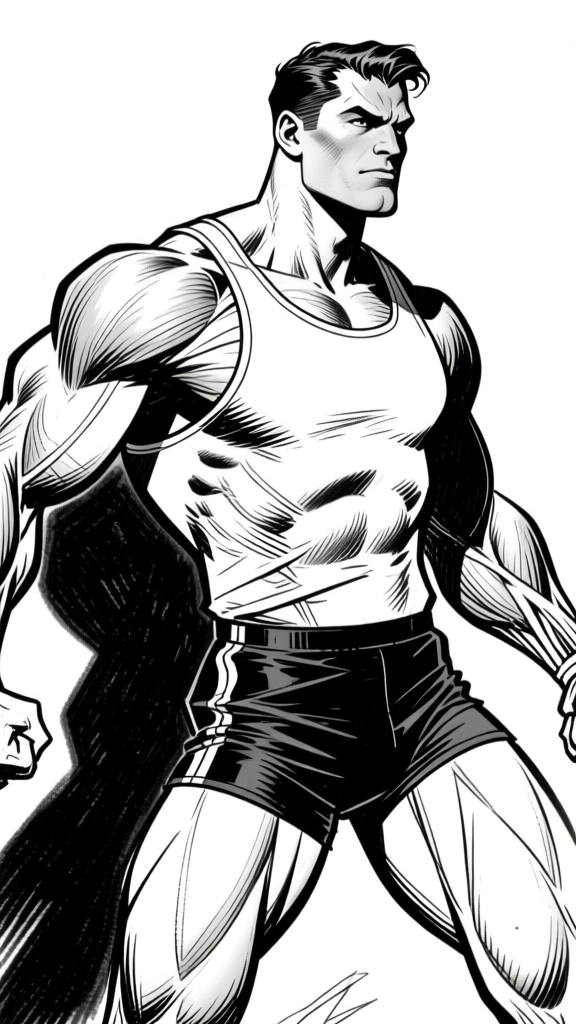
Heroic muscular figure — ink
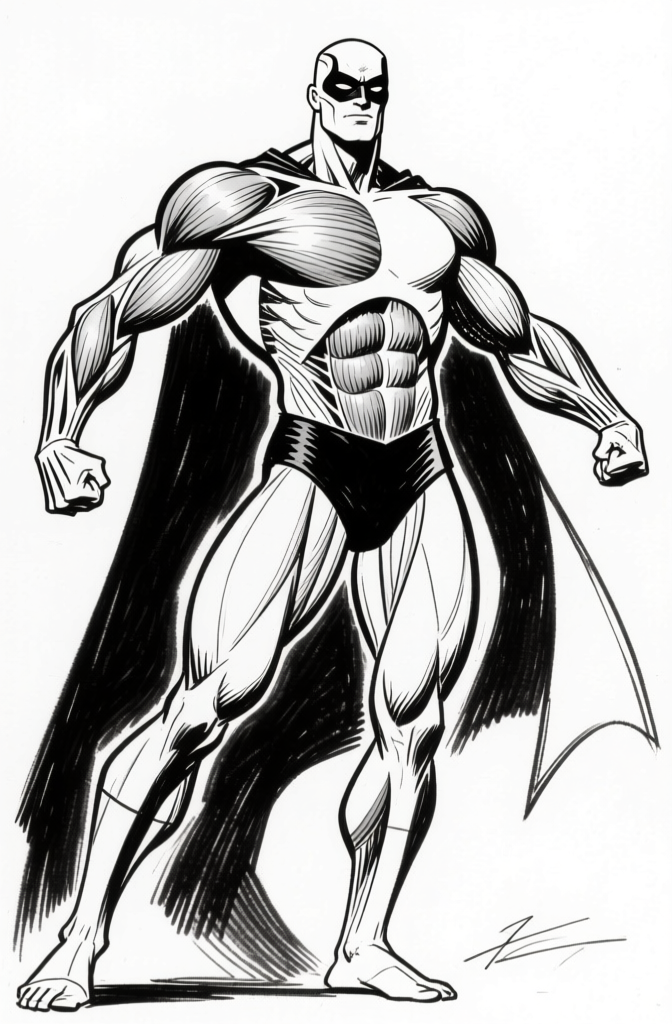
Heroic cape figure — ink
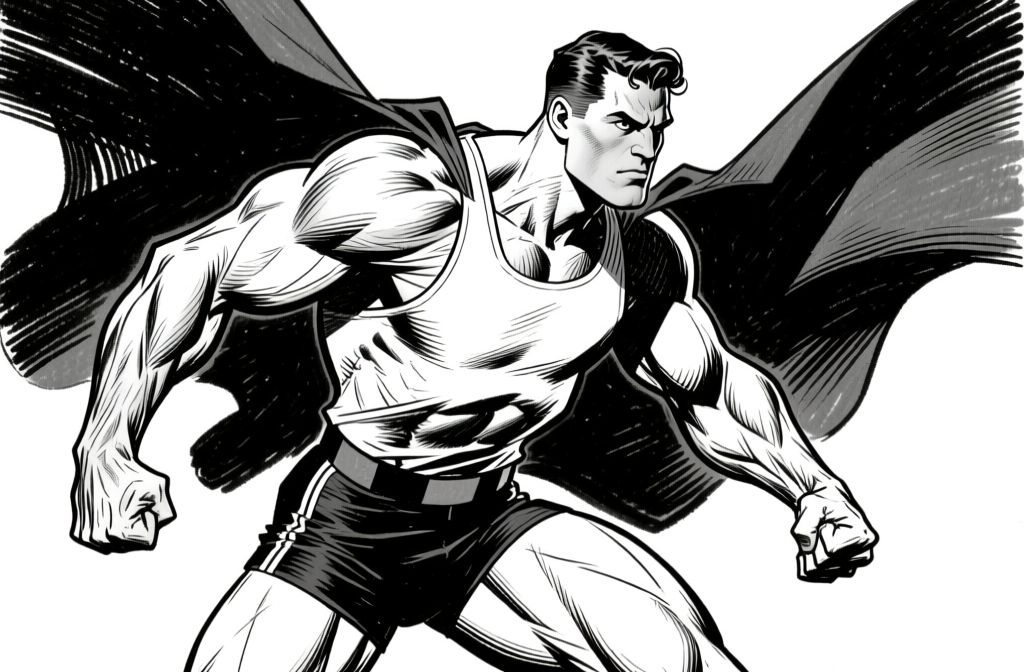
Heroic cape figure — ink
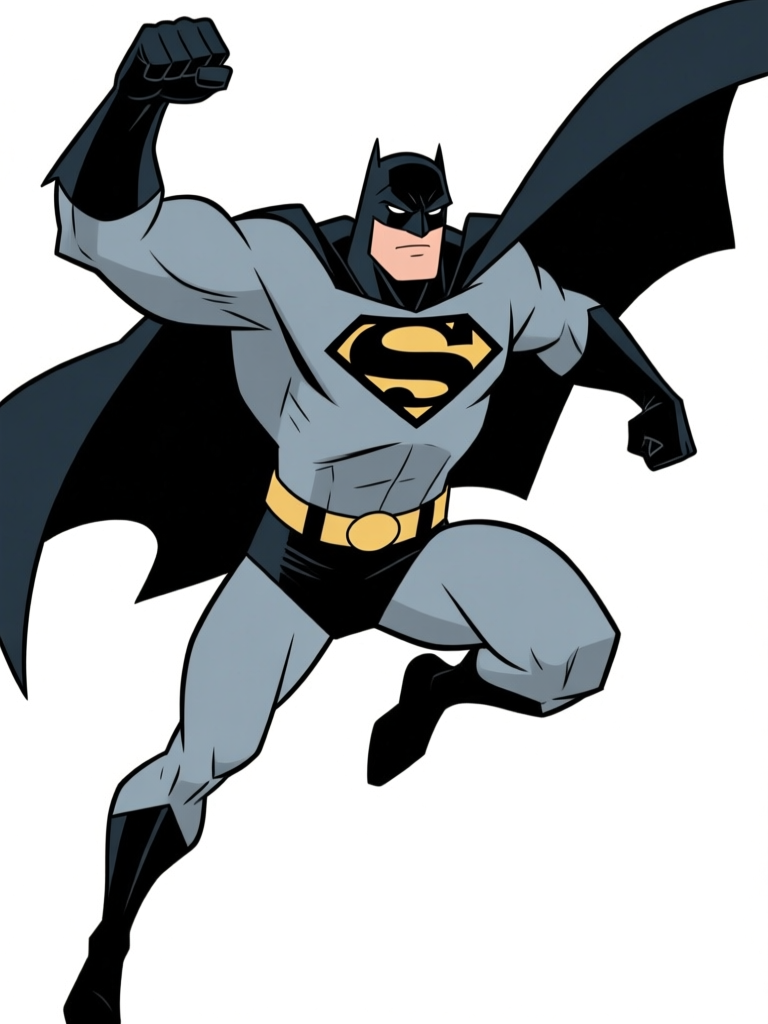
Colored hero character — action
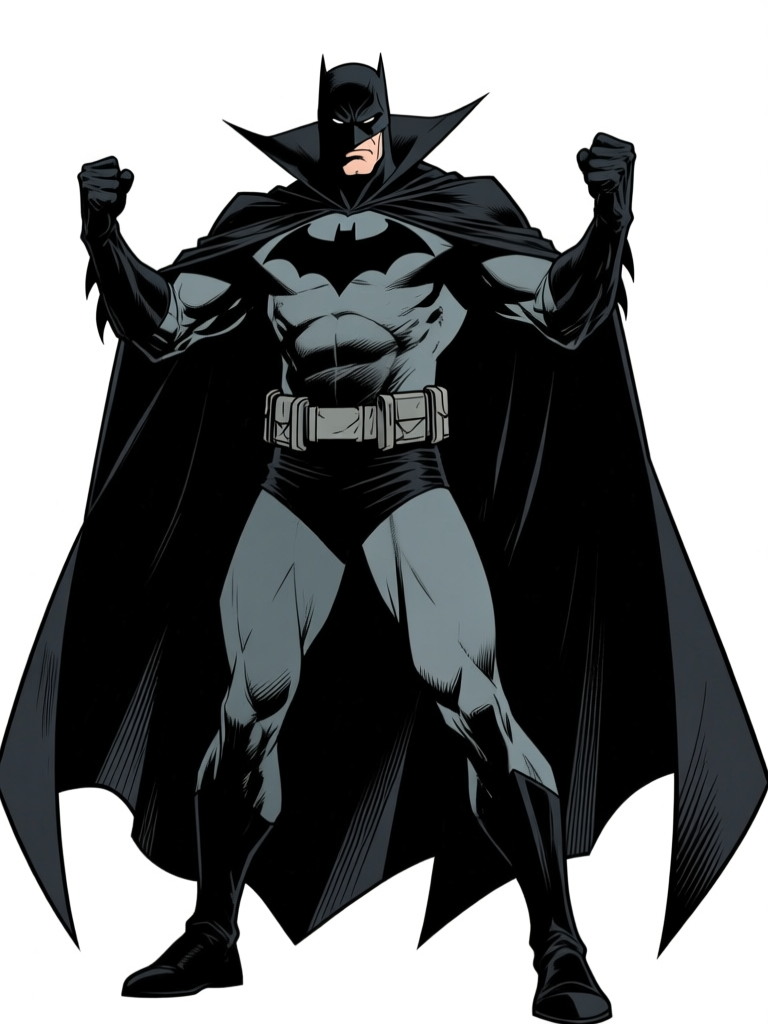
Hero full figure — colored
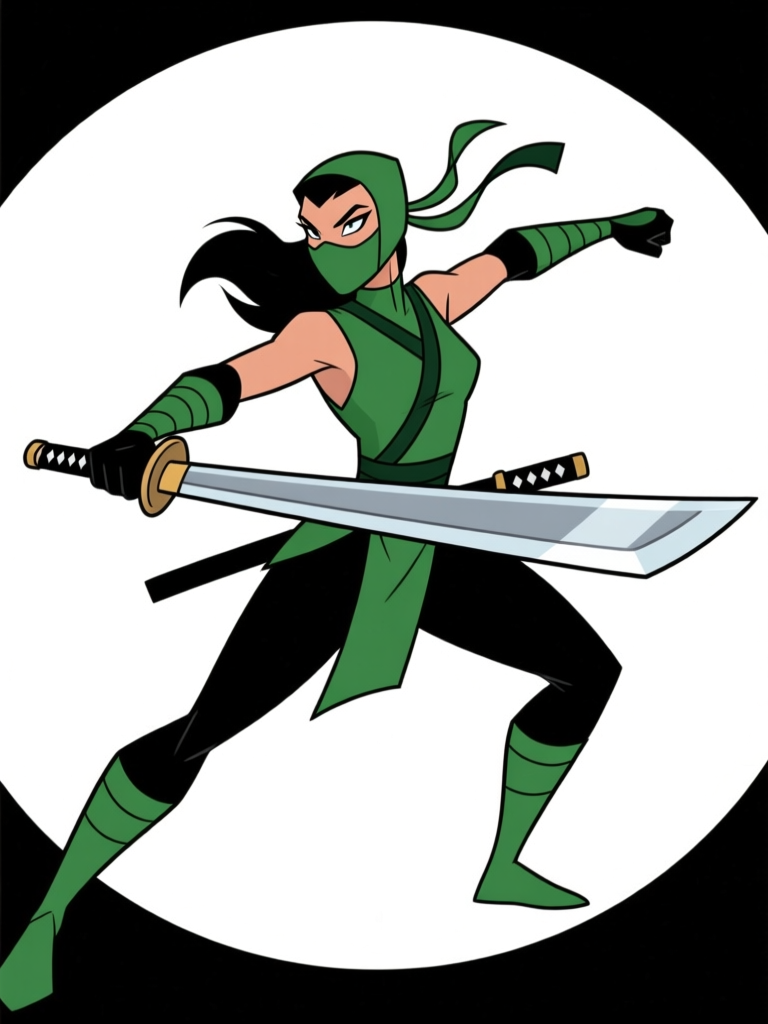
Colored hero — action figure
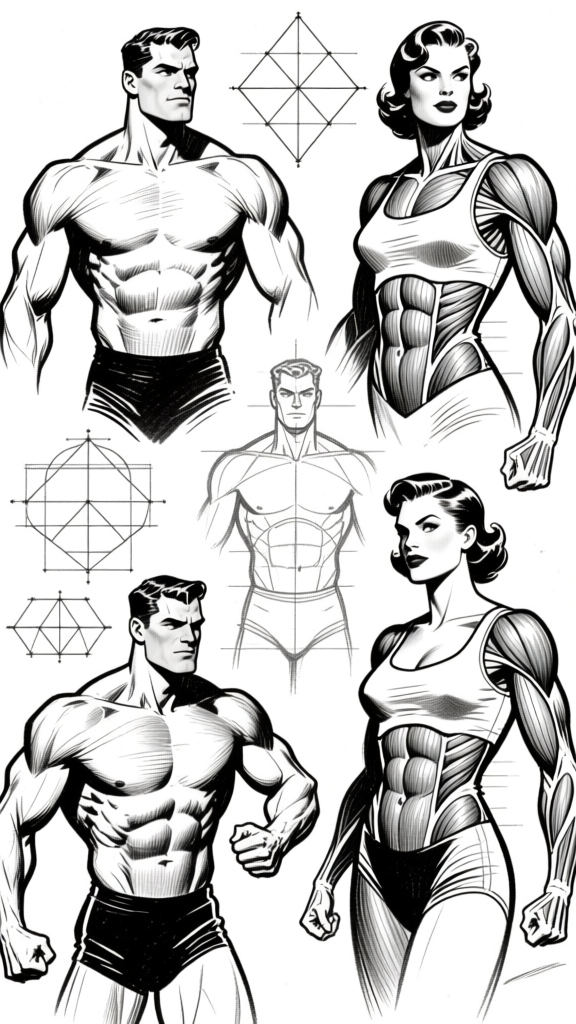
Hero geometric construction figures
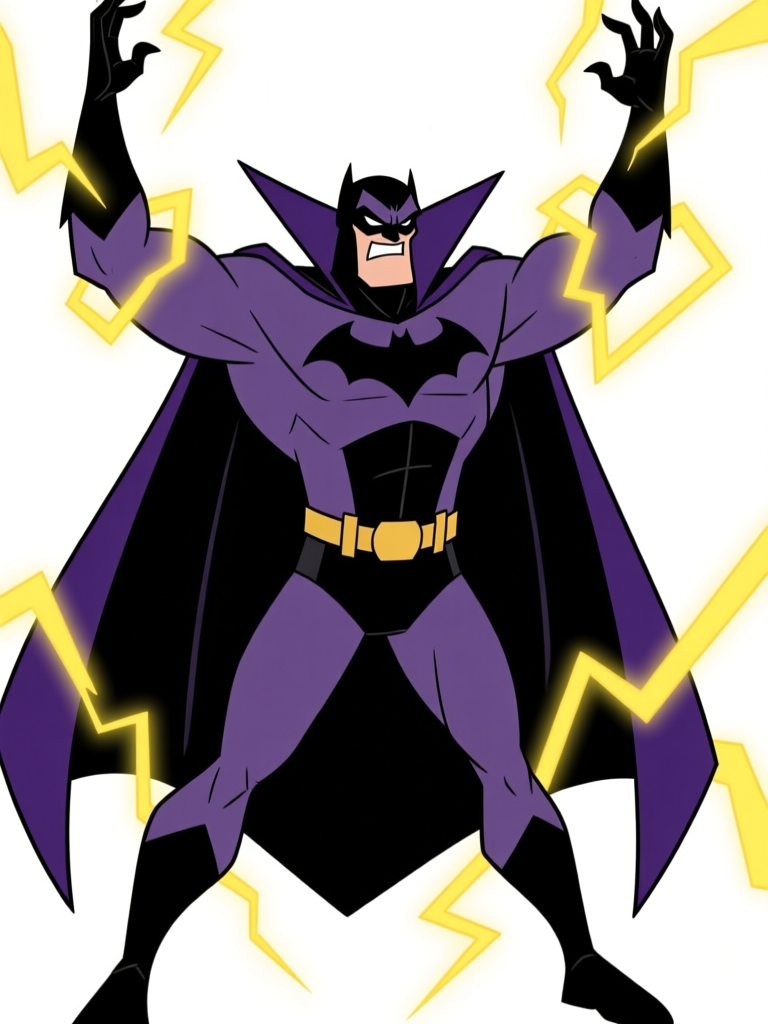
Colored hero character
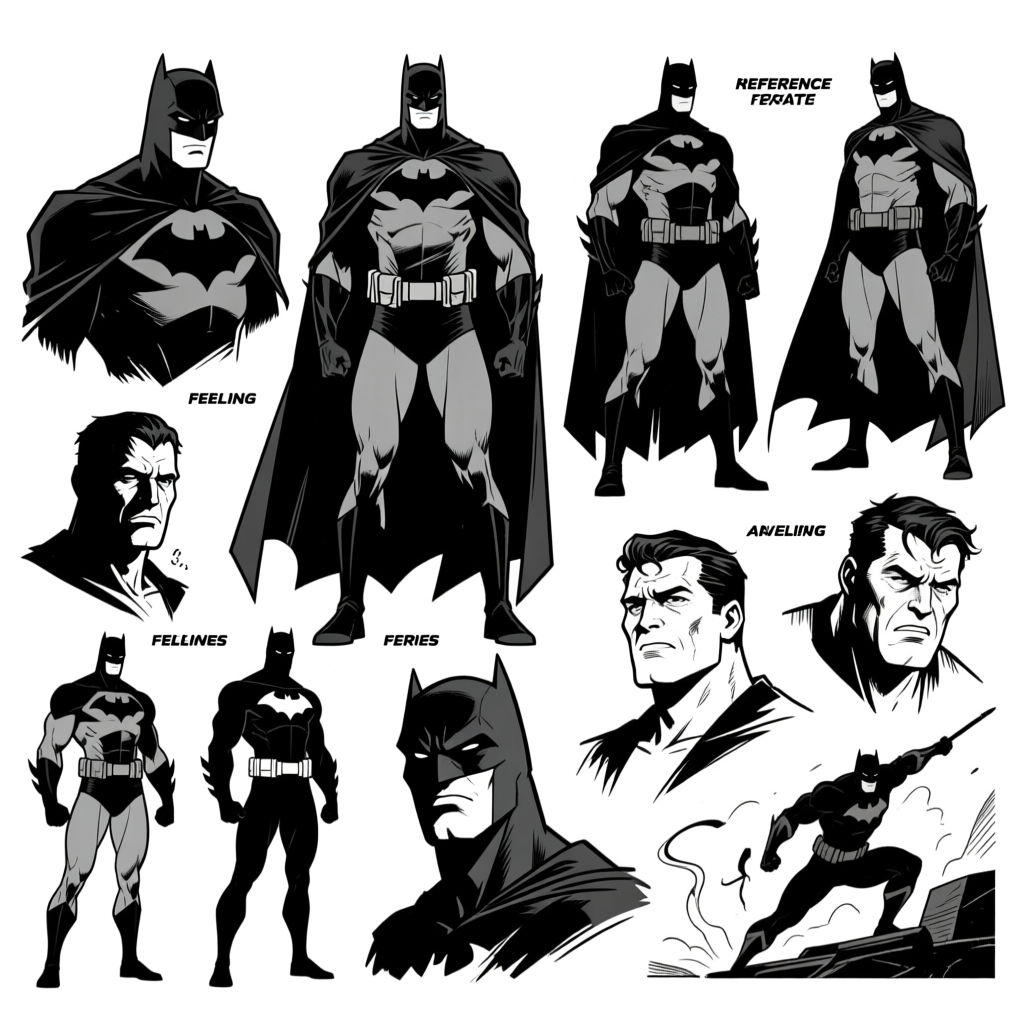
Hero character sheet — multiple
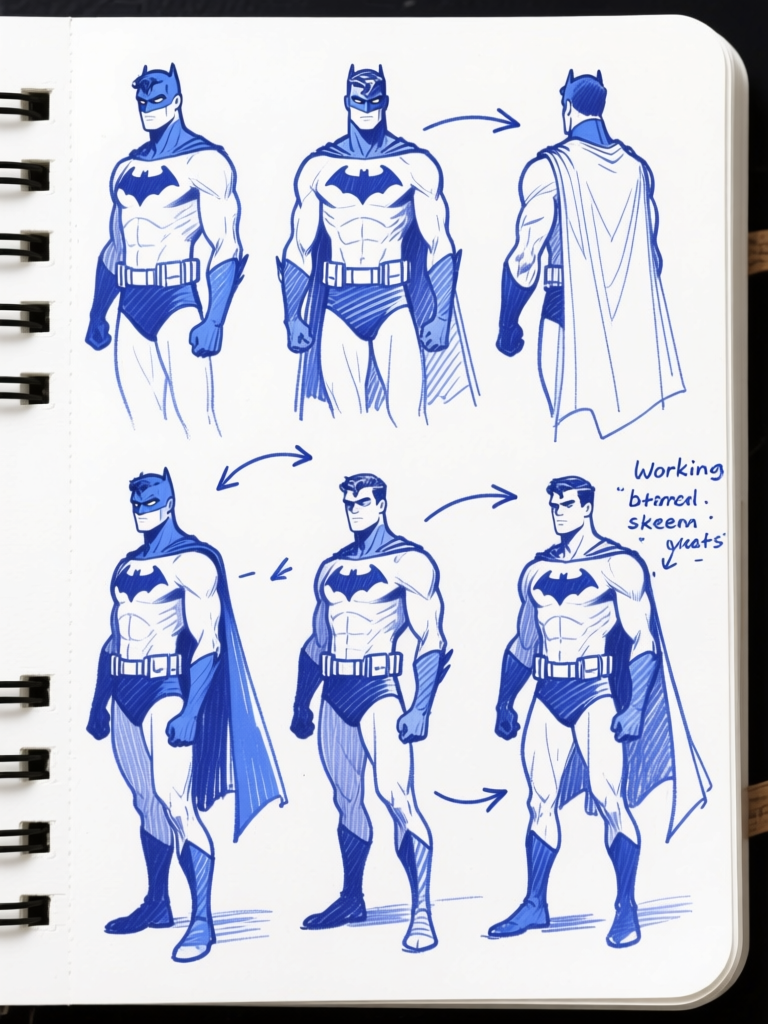
Hero character notebook — poses
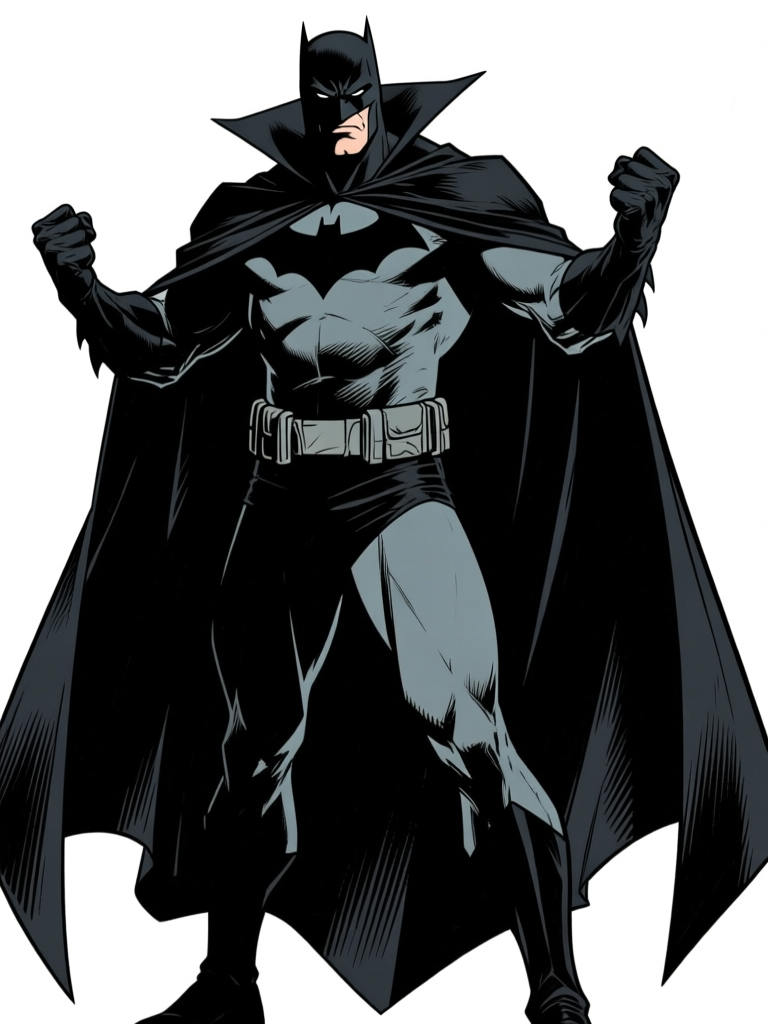
Hero full figure — colored
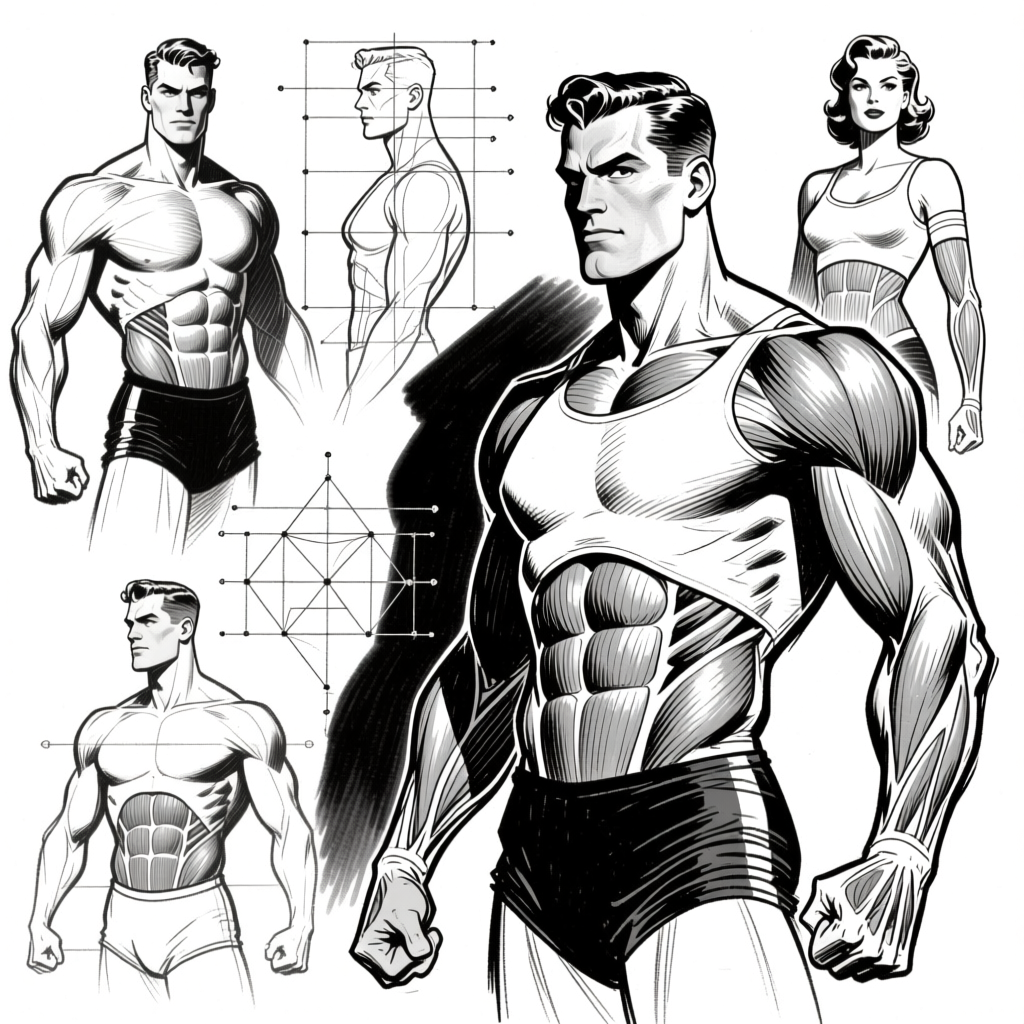
Hero figure study — ink
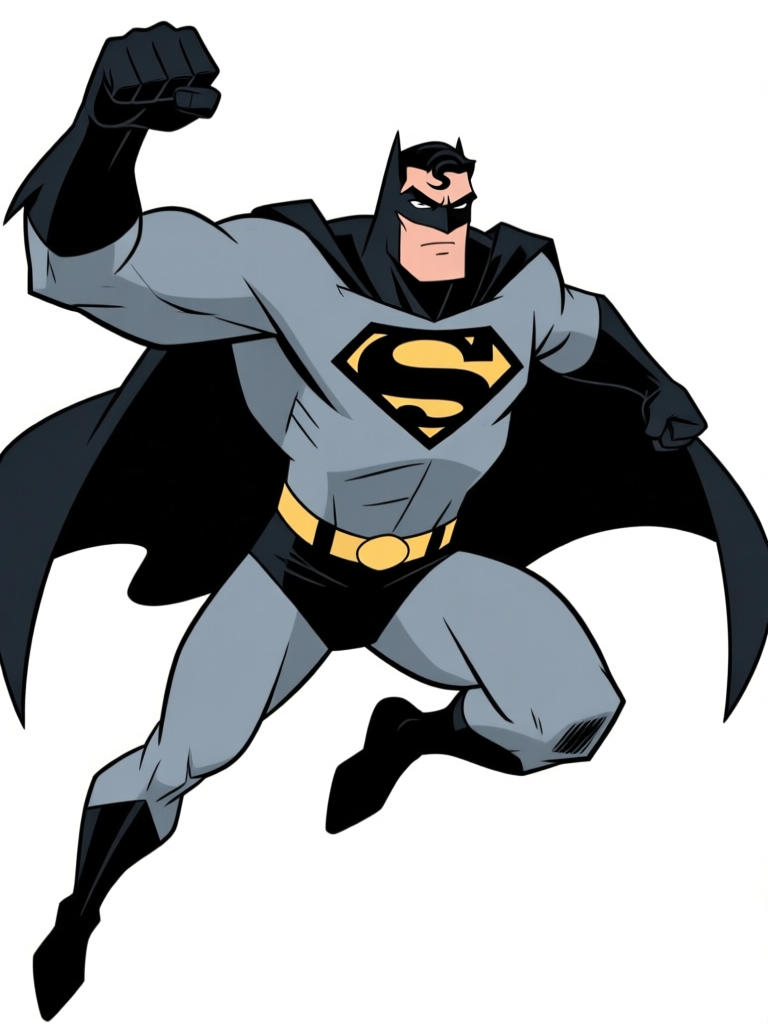
Colored hero character — action
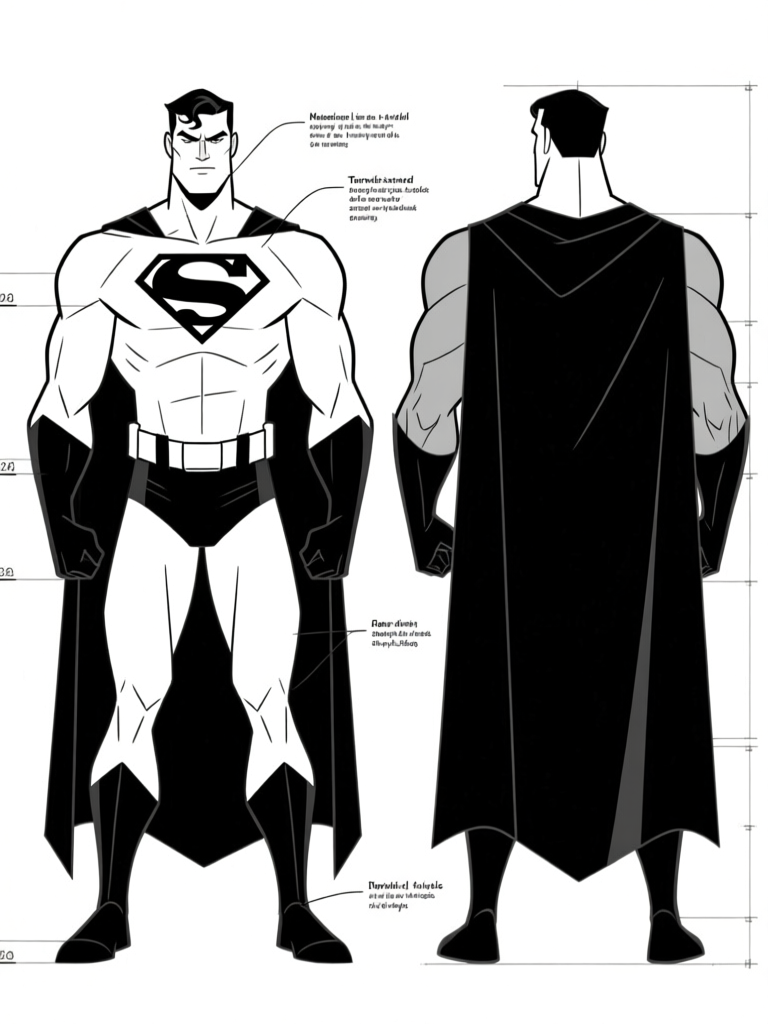
Superman — front and back view
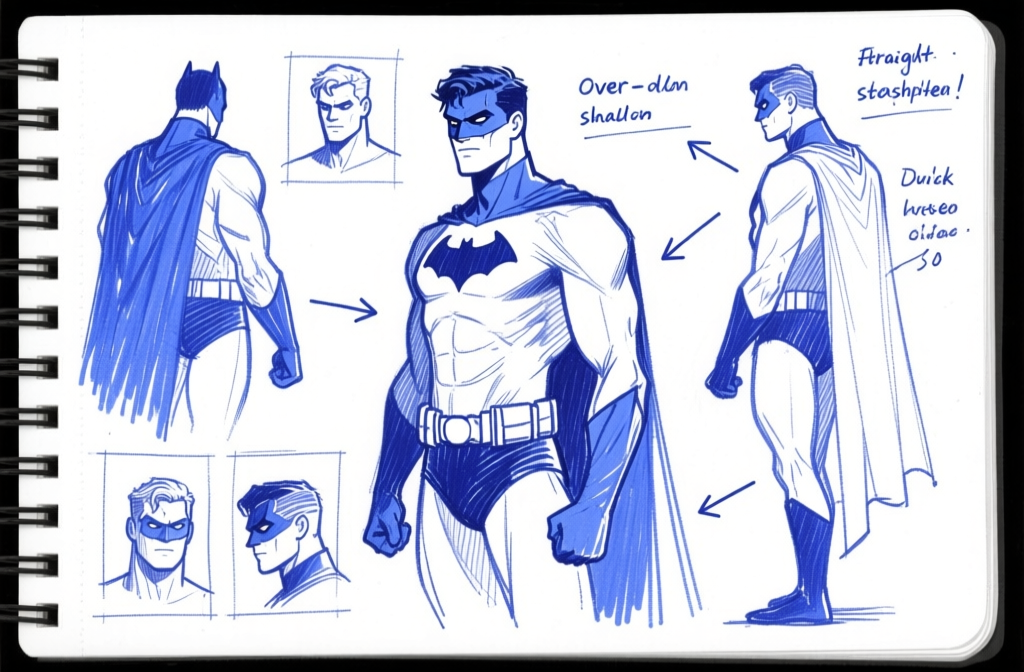
Hero character — notebook study
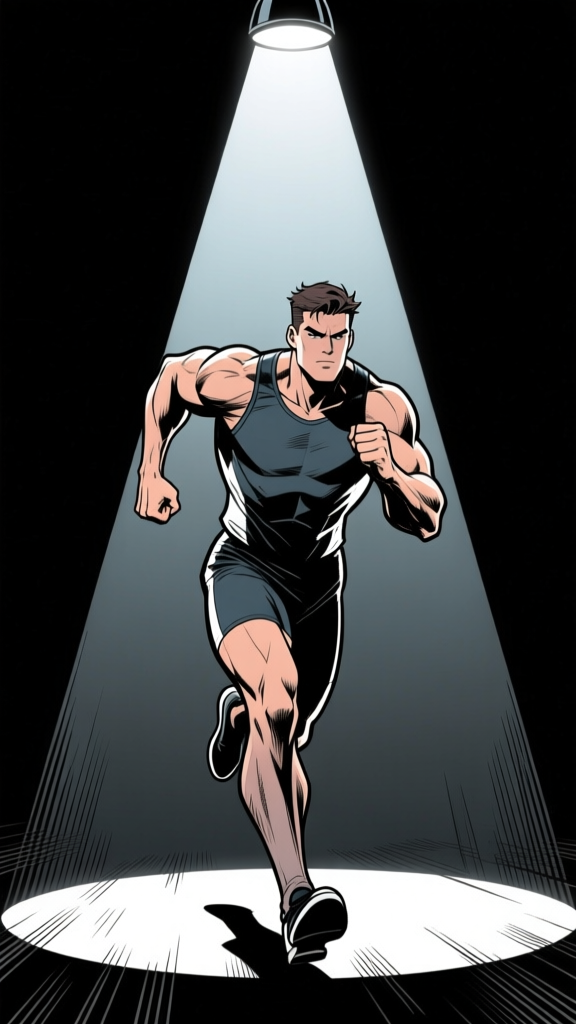
Hero running — colored spotlight
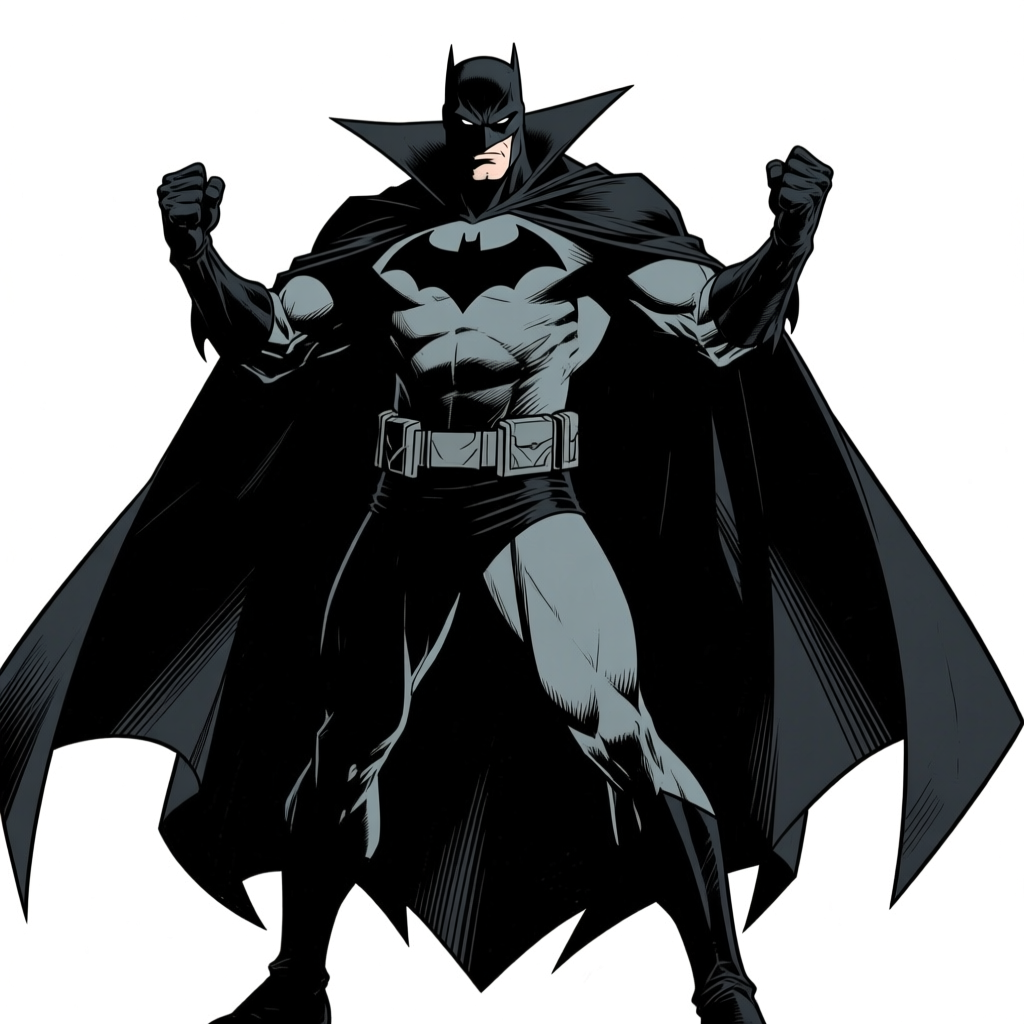
Hero full figure — colored
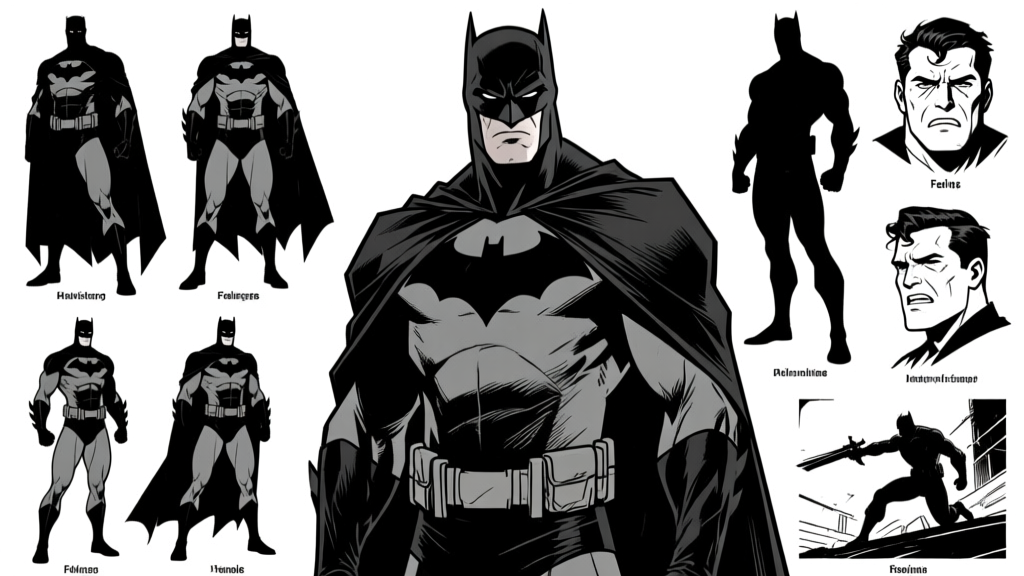
Hero character sheet — multiple
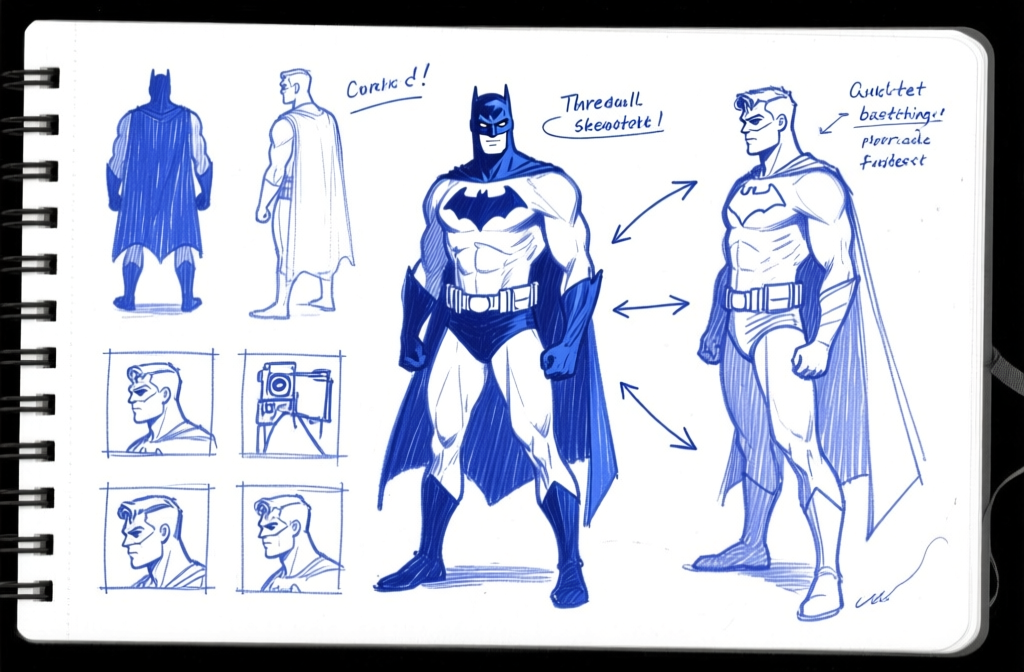
Hero character notebook — poses
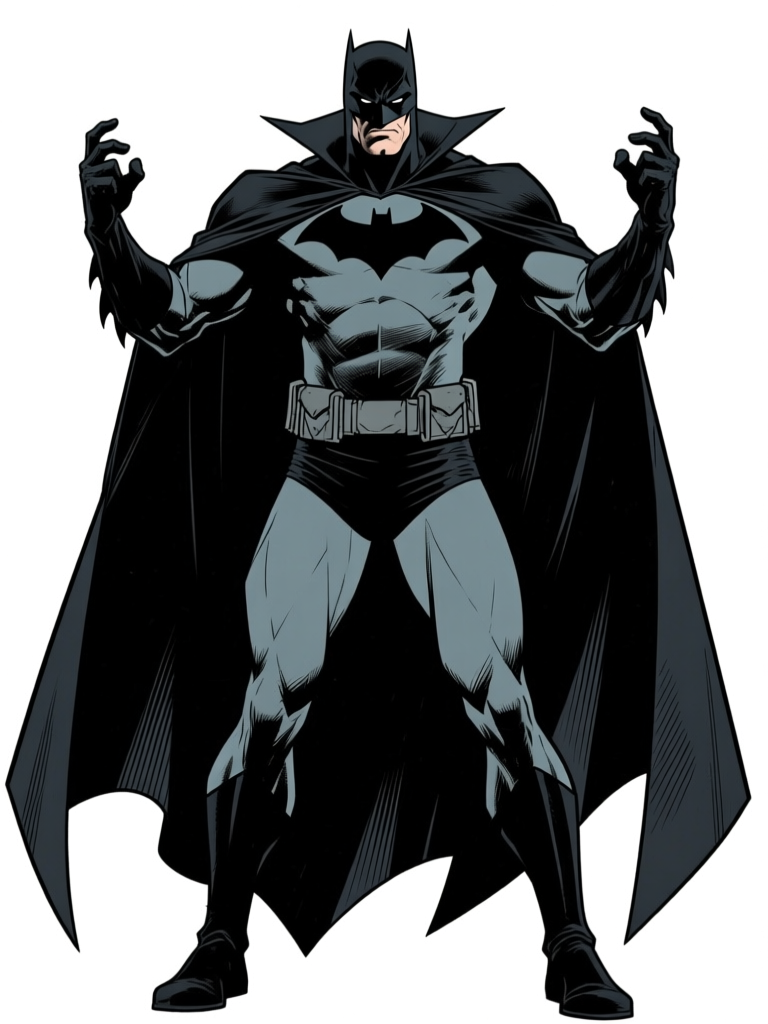
Hero full figure — colored
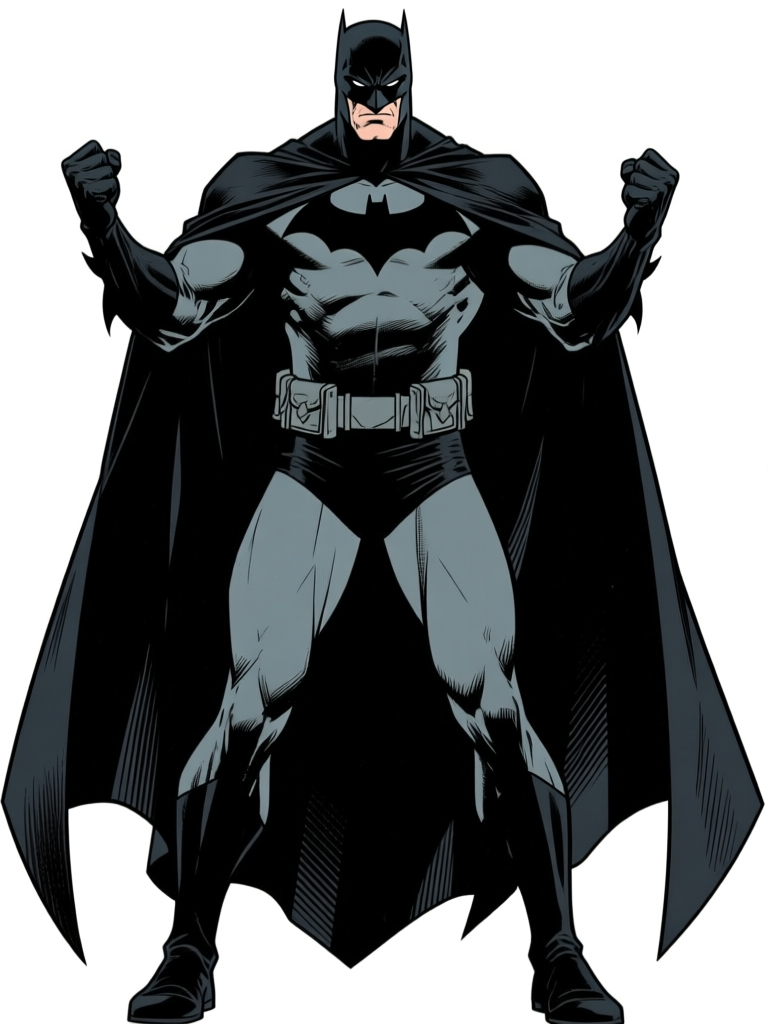
Hero full figure — colored
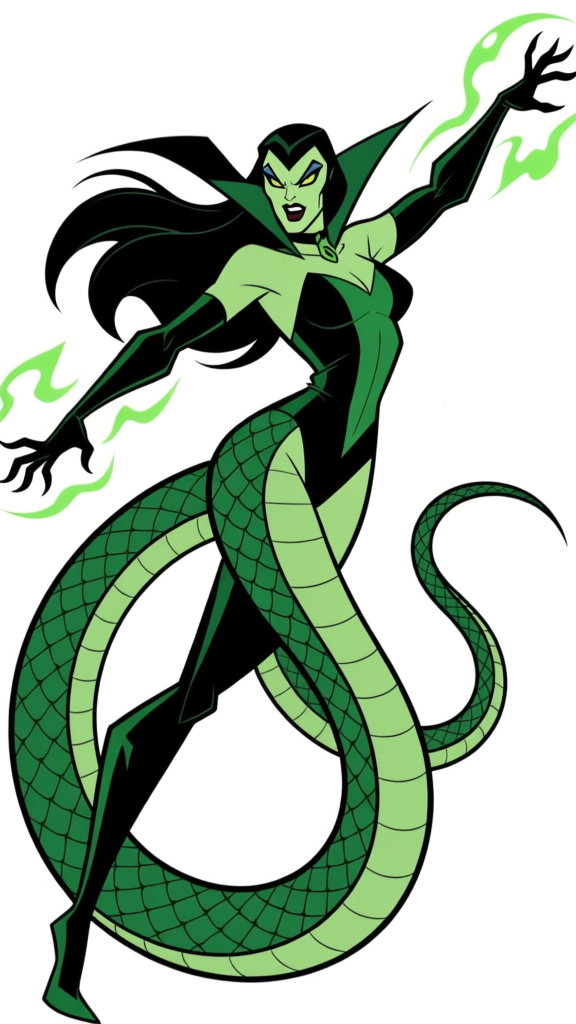
Female villain hero — colored
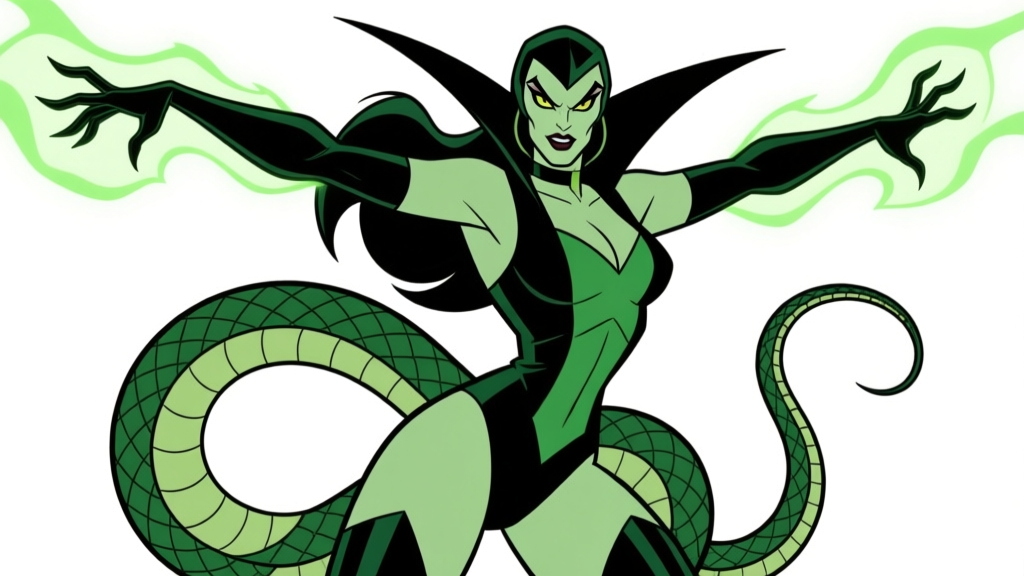
Female villain — colored
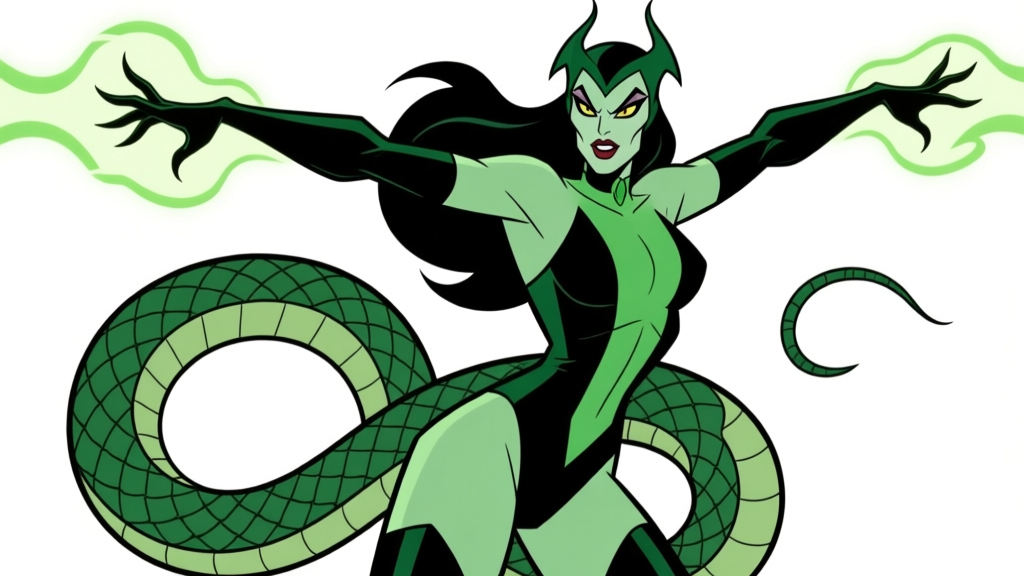
Female villain — colored
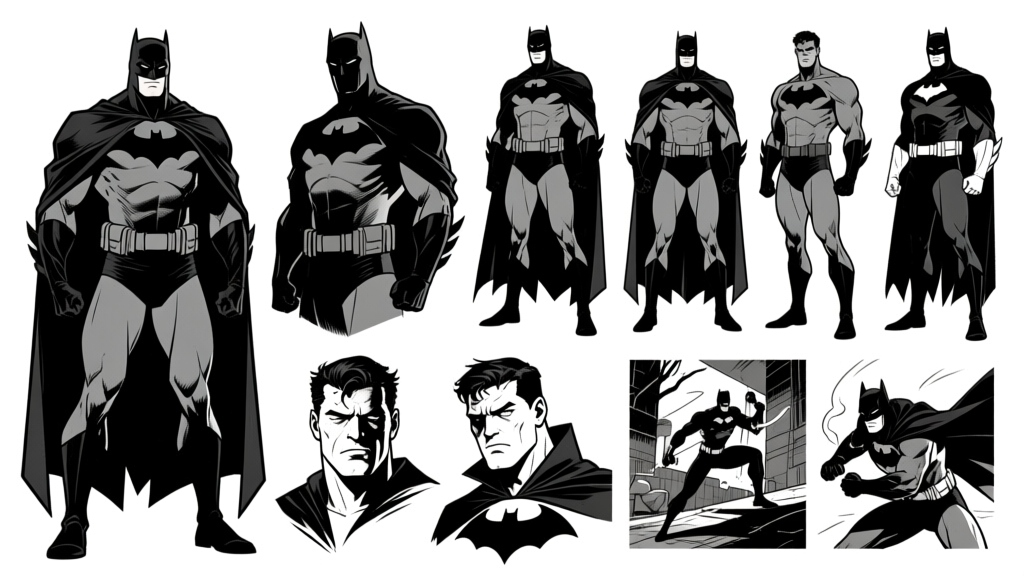
Hero character sheet — multiple
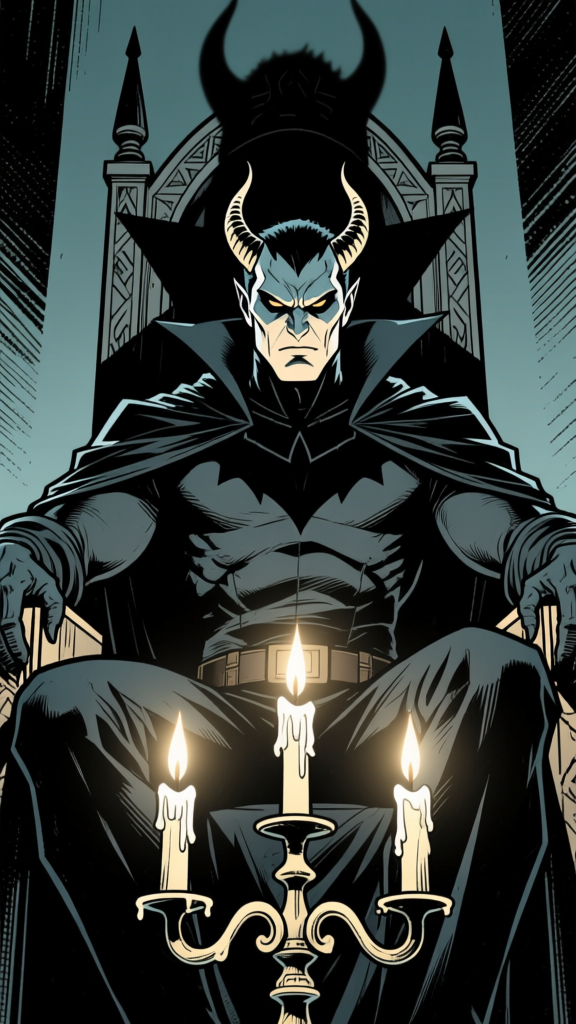
Villain — dark hero seated
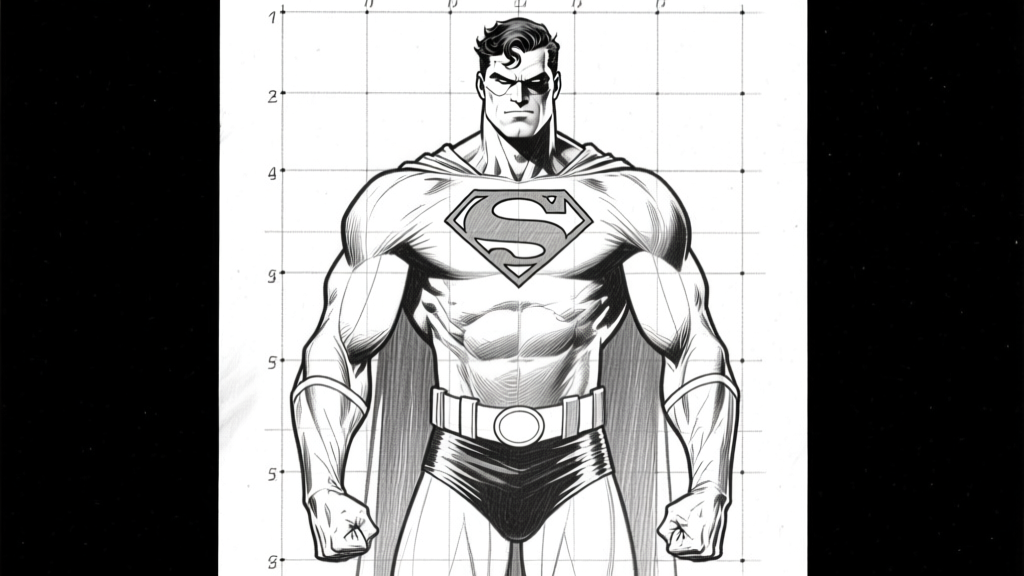
Hero figure — grid study
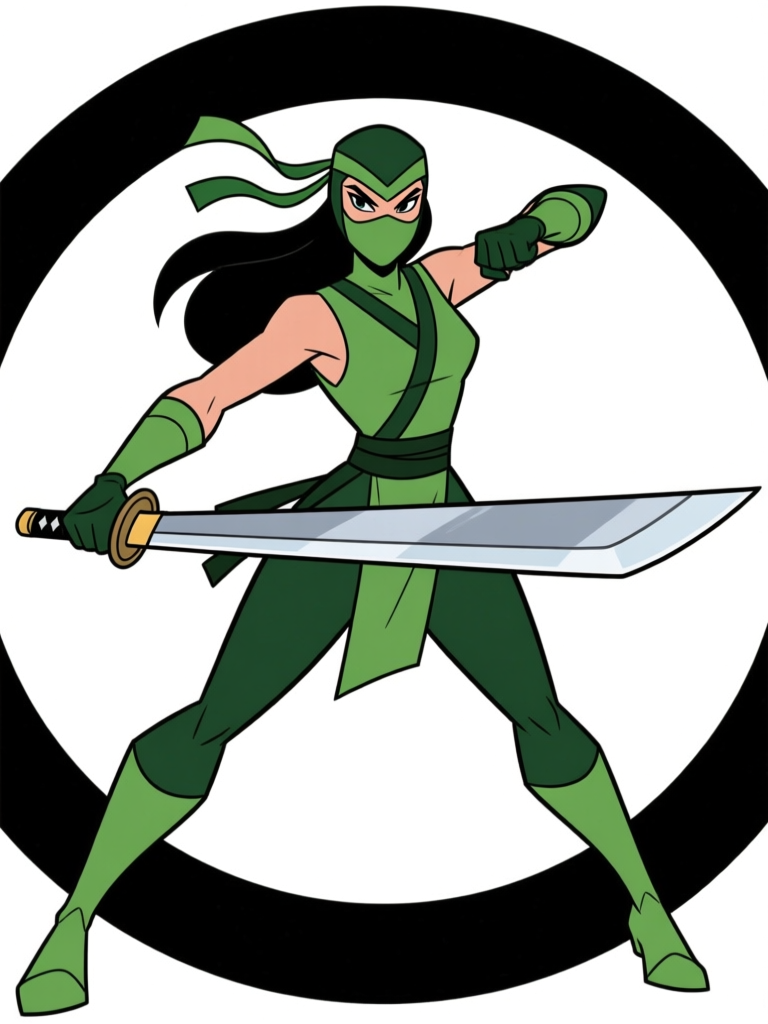
Colored hero — sword action
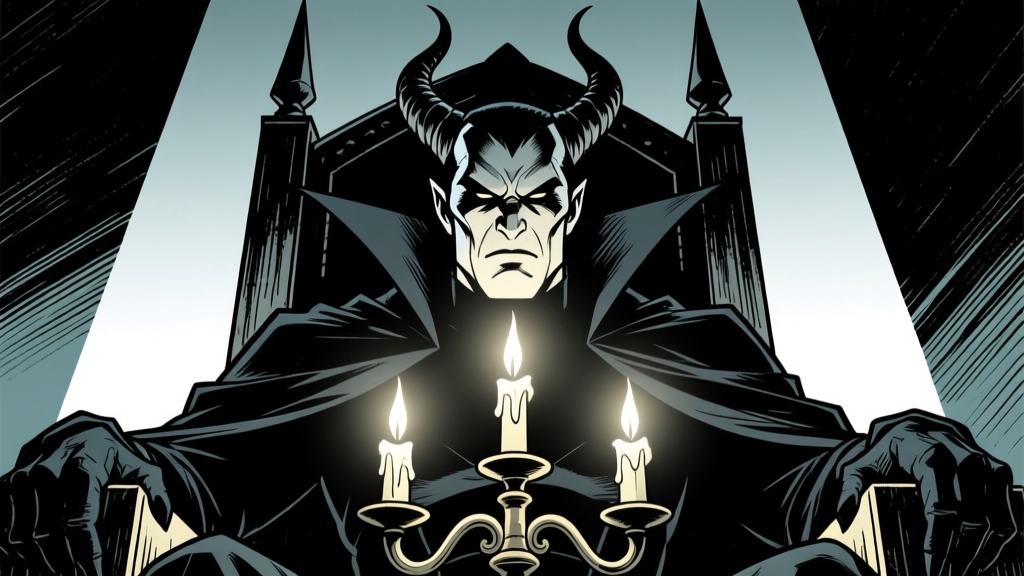
Villain seated — dark throne
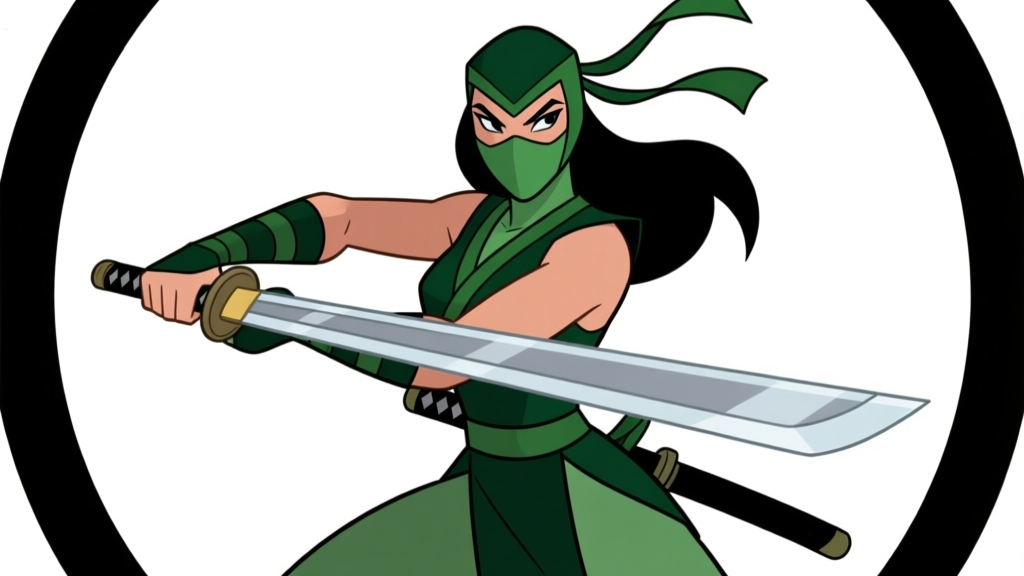
Colored hero — sword action 2
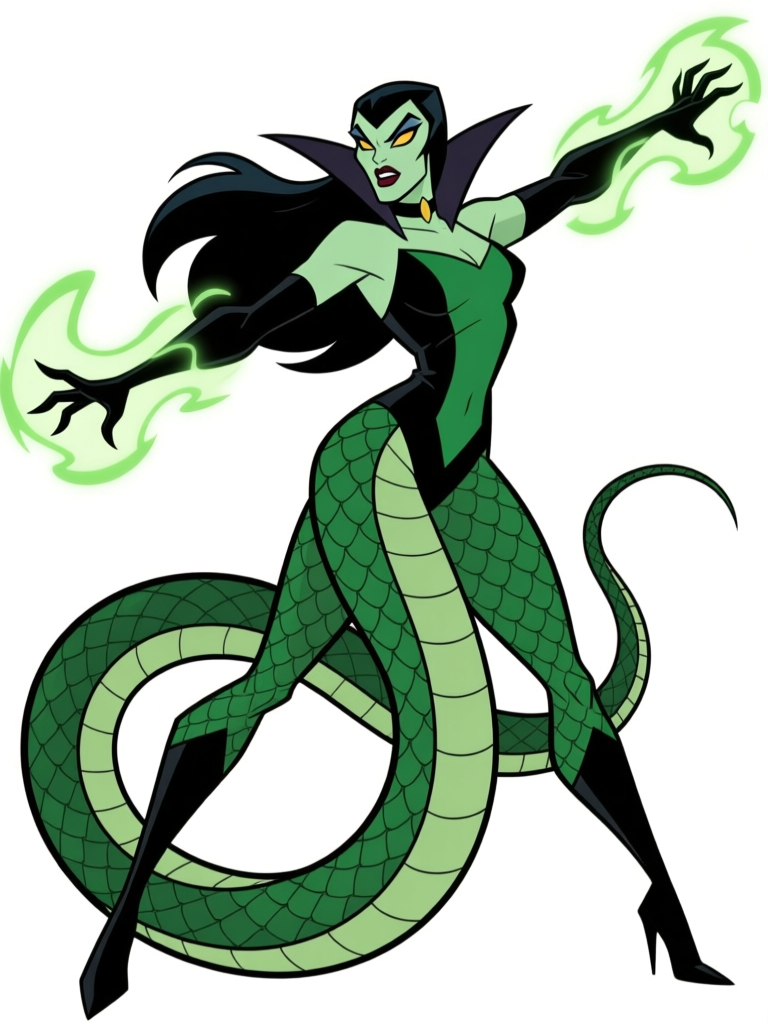
Female villain — colored serpent
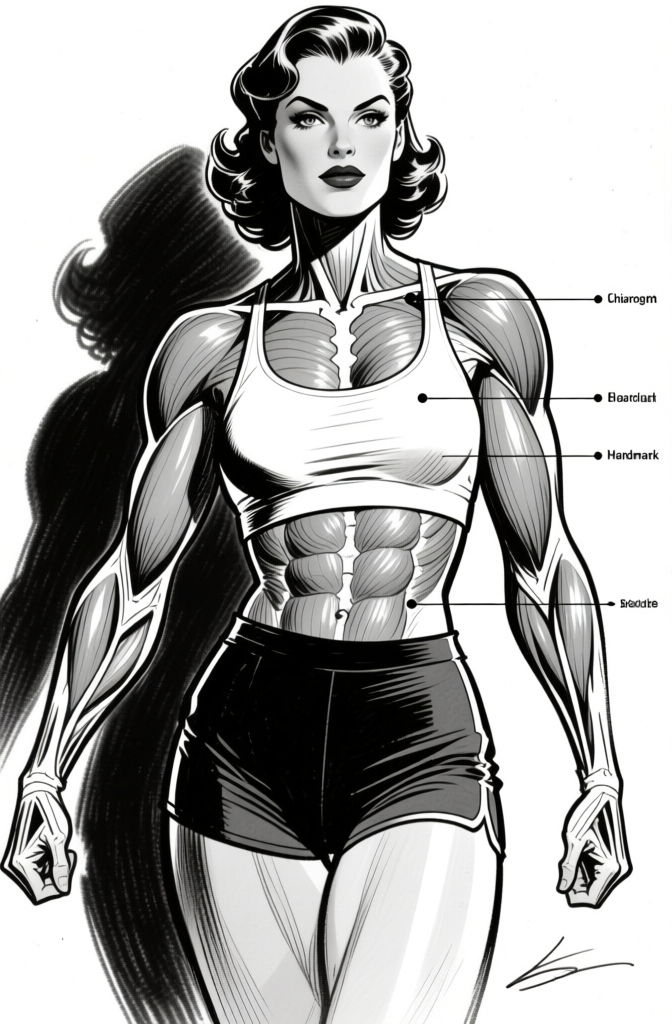
Female heroic figure — ink
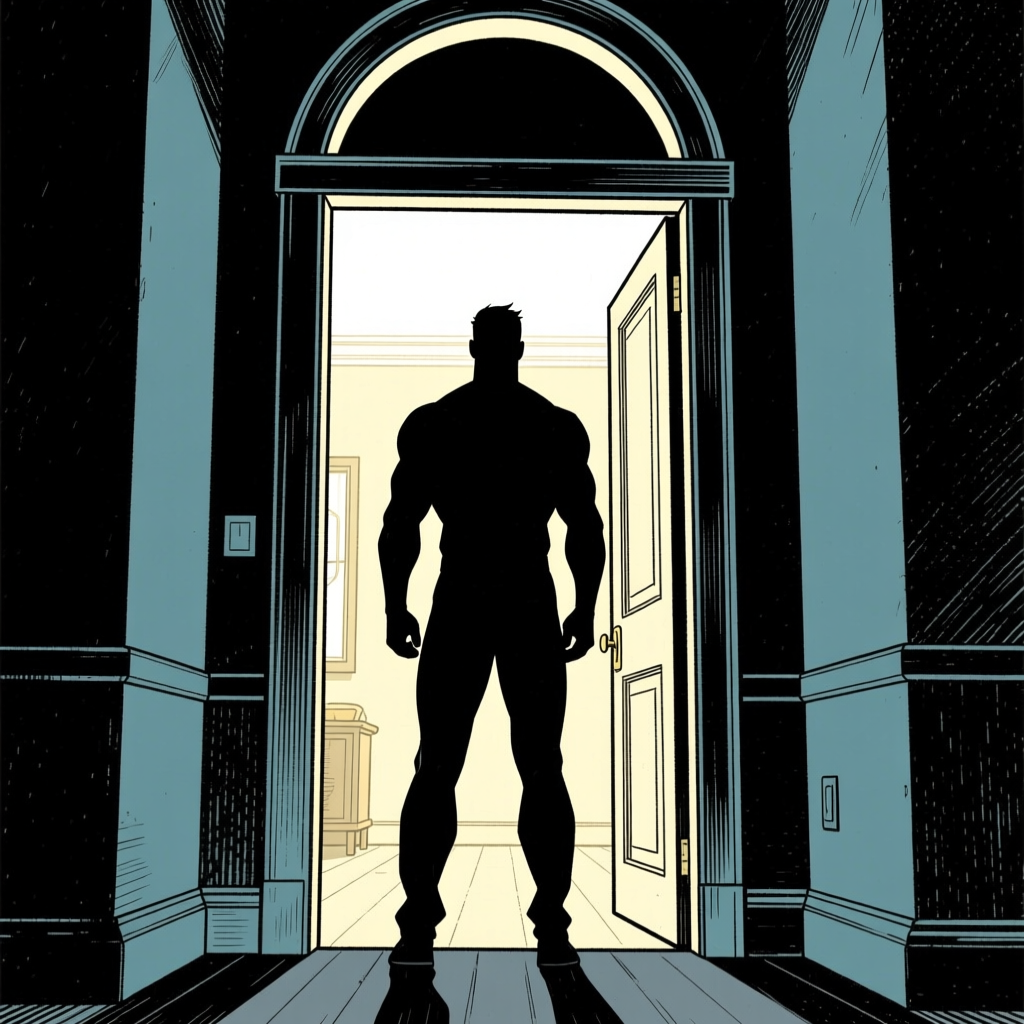
Hero silhouette — doorway