KEY CONCEPTS
- Same body sequence: 4→9→1→3→2→7→6→5→0→8 — no changes
- Female hip-to-waist-to-shoulder: hips roughly equal to or wider than shoulders
- All lines flow more: longer curves, softer transitions at joints
- Legs are elongated even beyond standard heroic male proportions
- Most common mistake: making female figures too small or too delicate — maintain physical presence
The same underlying structural architecture — barrel rib cage, pelvis bowl, same muscle groups, same joint placement — applies to the female figure completely. The differences are proportional, not structural. The hip-to-waist ratio is more pronounced. The rib cage barrel is narrower relative to the hips. The shoulder width is narrower relative to the hip width. The overall silhouette is more curved and flowing.
A female hero has physical presence. Her proportions are elongated but her mass still reads on the page — she occupies her space. The lines are more flowing and the curves more pronounced, but the structure underneath is the same solid, architectural form. Do not make your female figures delicate or fragile-looking unless that is a specific character choice with a narrative reason.
TRY THIS — 10 MINUTESDraw a male and female hero side by side at the same height using the full body sequence for both. For the female: slightly narrower rib cage, wider hips (equal to or wider than shoulders), slightly more elongated legs, more pronounced waist curve, more flowing muscle transitions. Compare the two silhouettes. The same underlying structure creates two dramatically different visual reads.
REFERENCE GALLERY
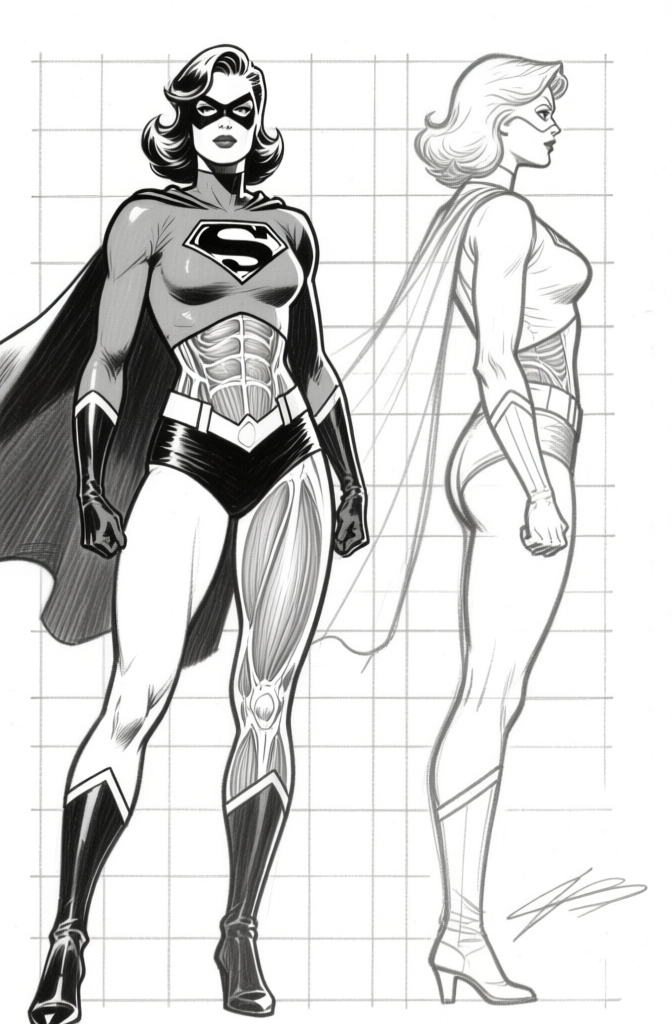
Female hero design — full figure
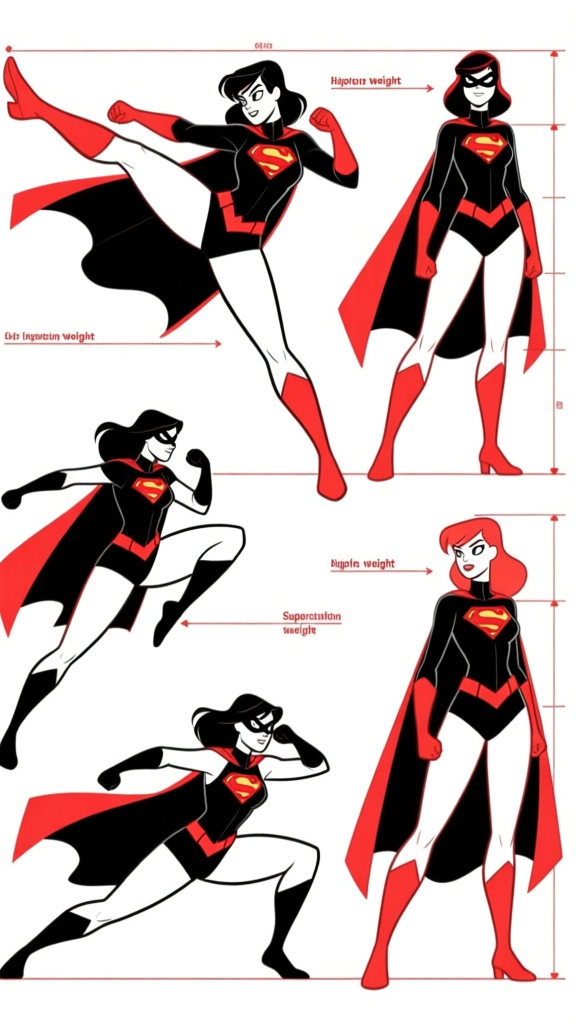
Female hero multiple poses
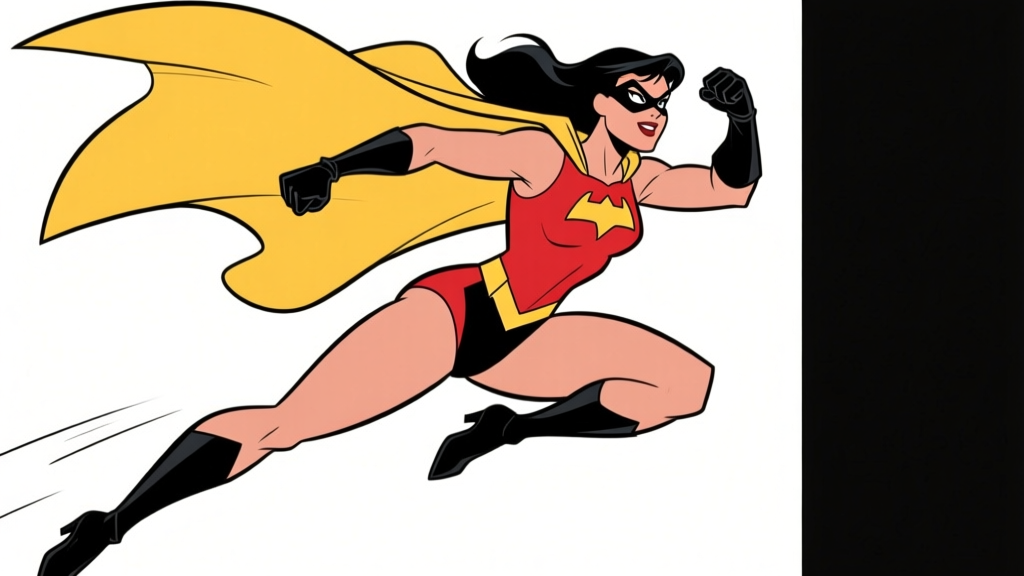
Female hero action — dynamic pose
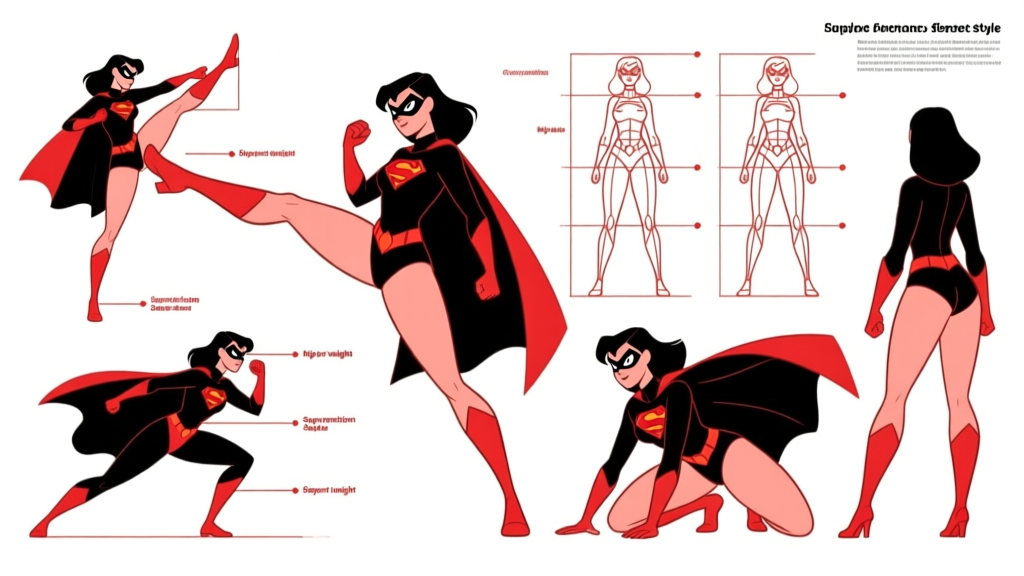
Female character design — action sheet
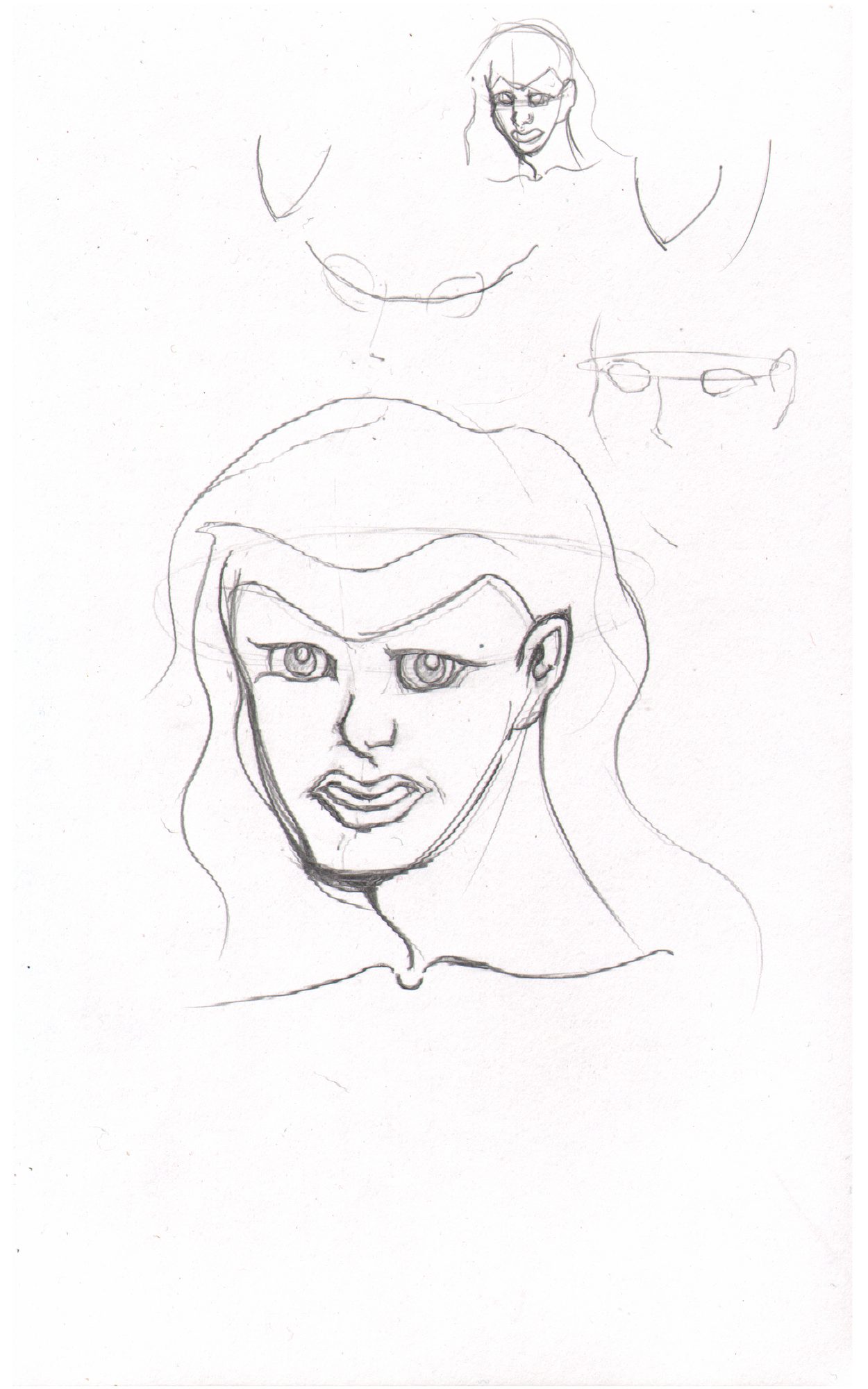
Female face — two heads with structure lines
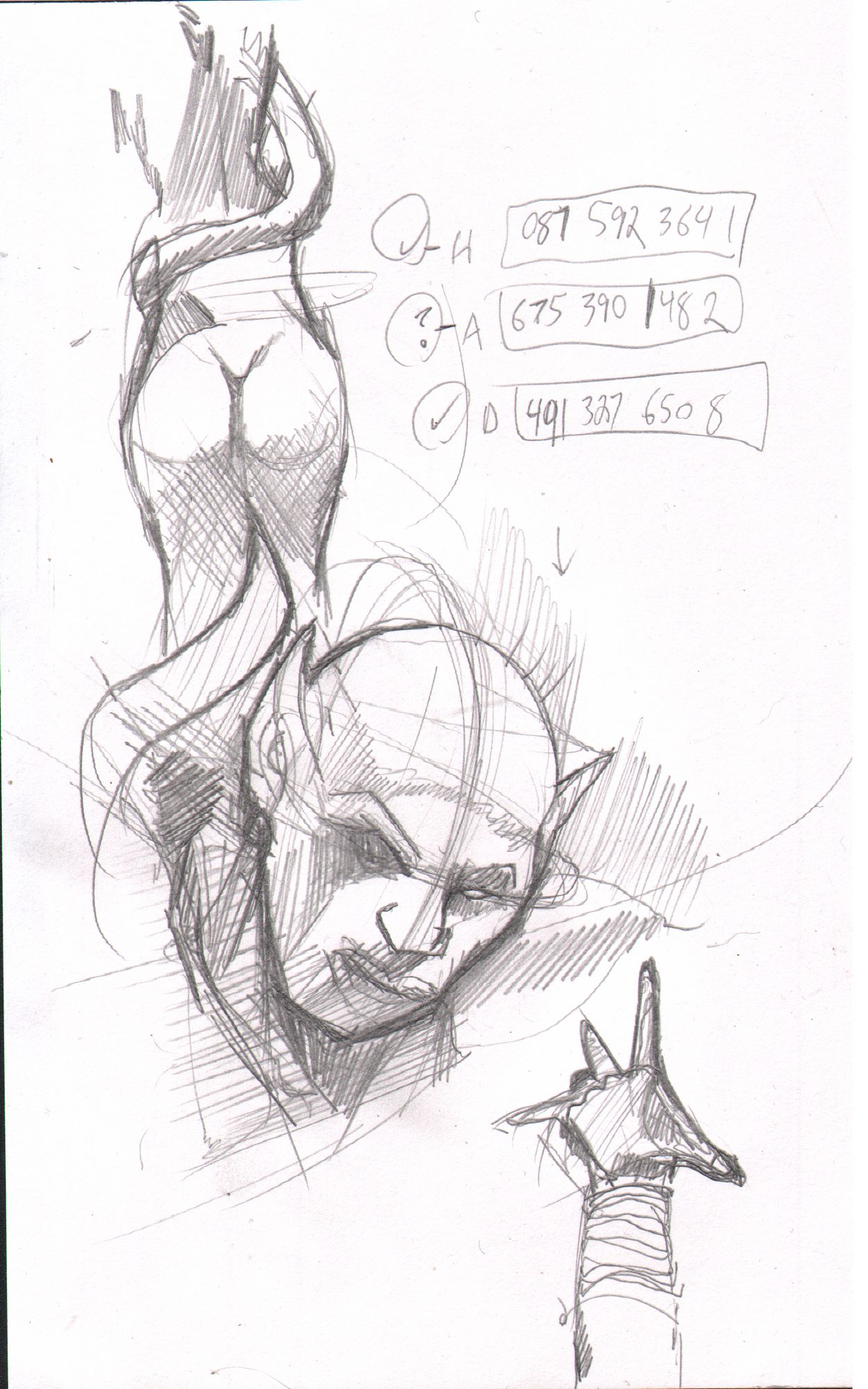
Female back/figure + villain head
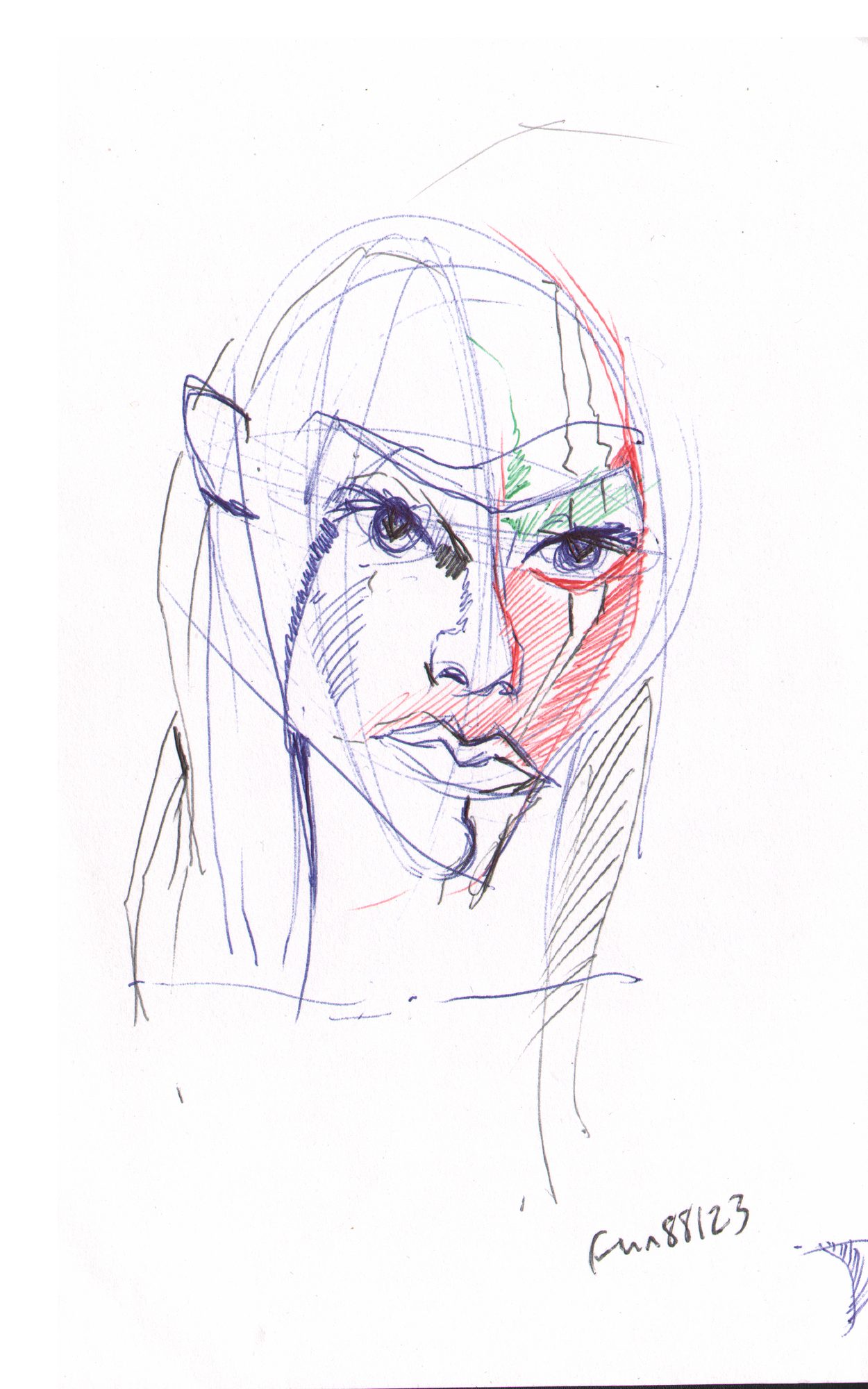
Female face — colored zone construction
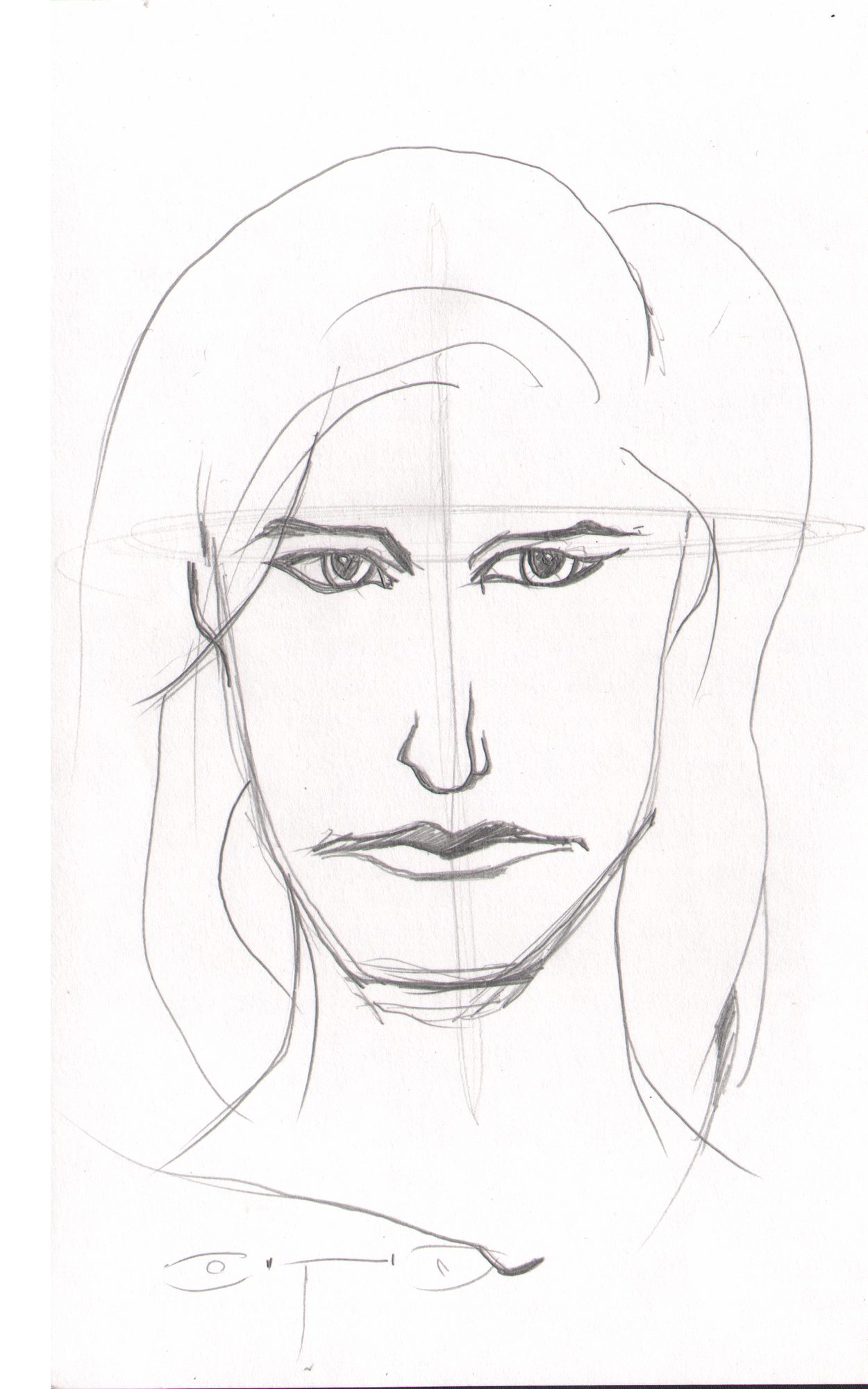
Female face — straight-on with structure lines
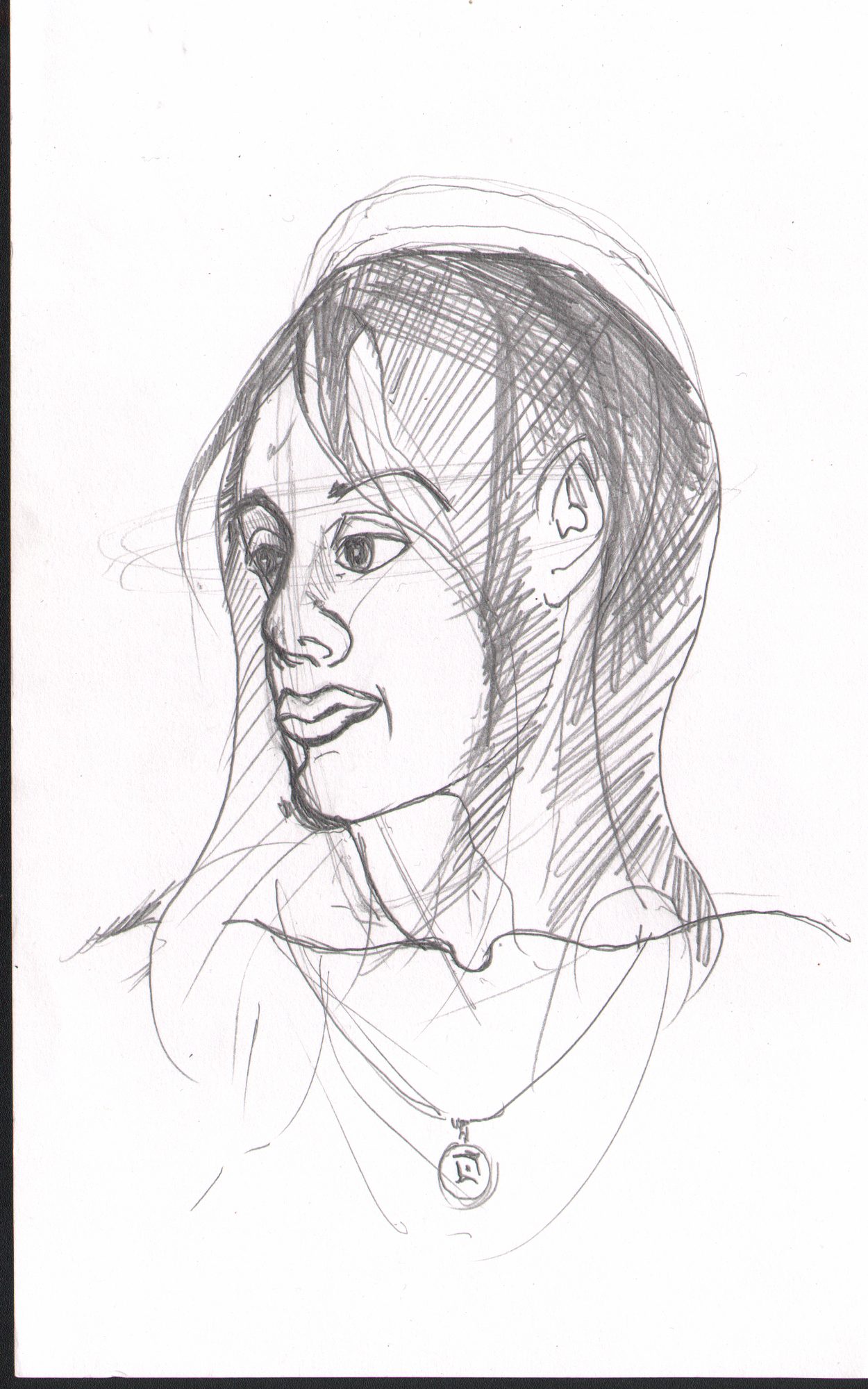
Female portrait — shaded life drawing
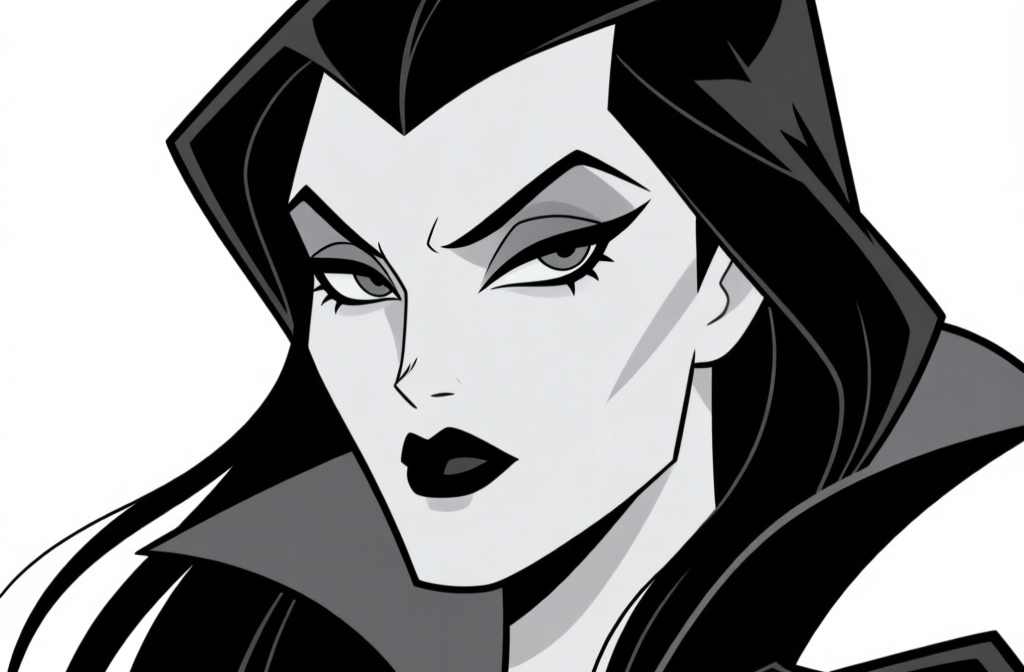
Female villain face — styled
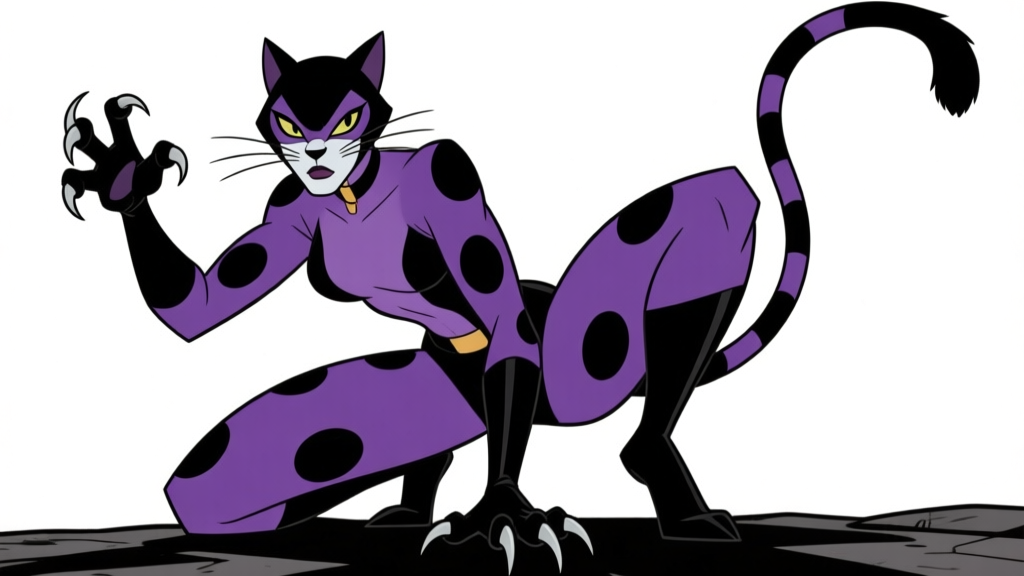
Female villain — colored
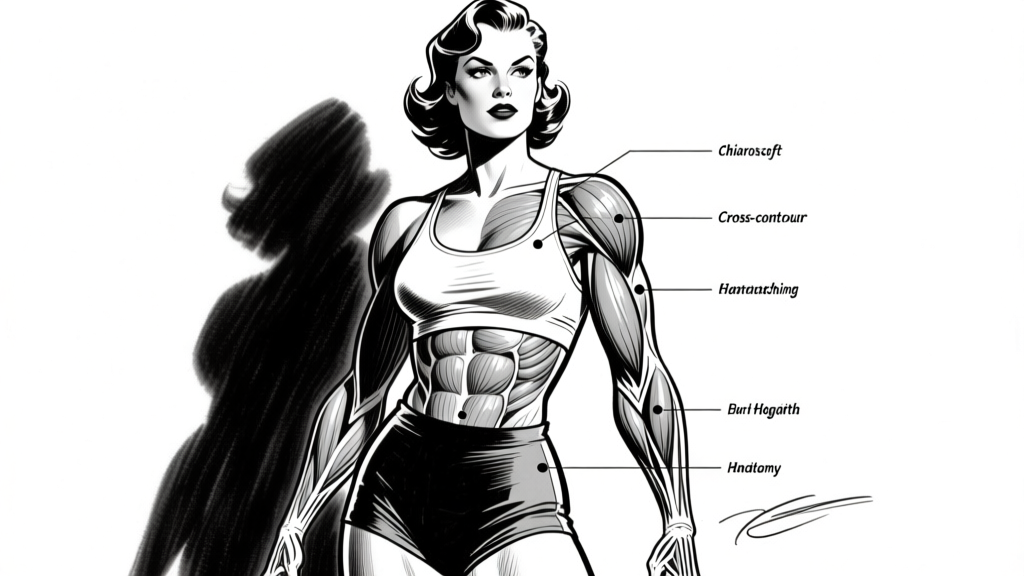
Female figure — anatomy labels
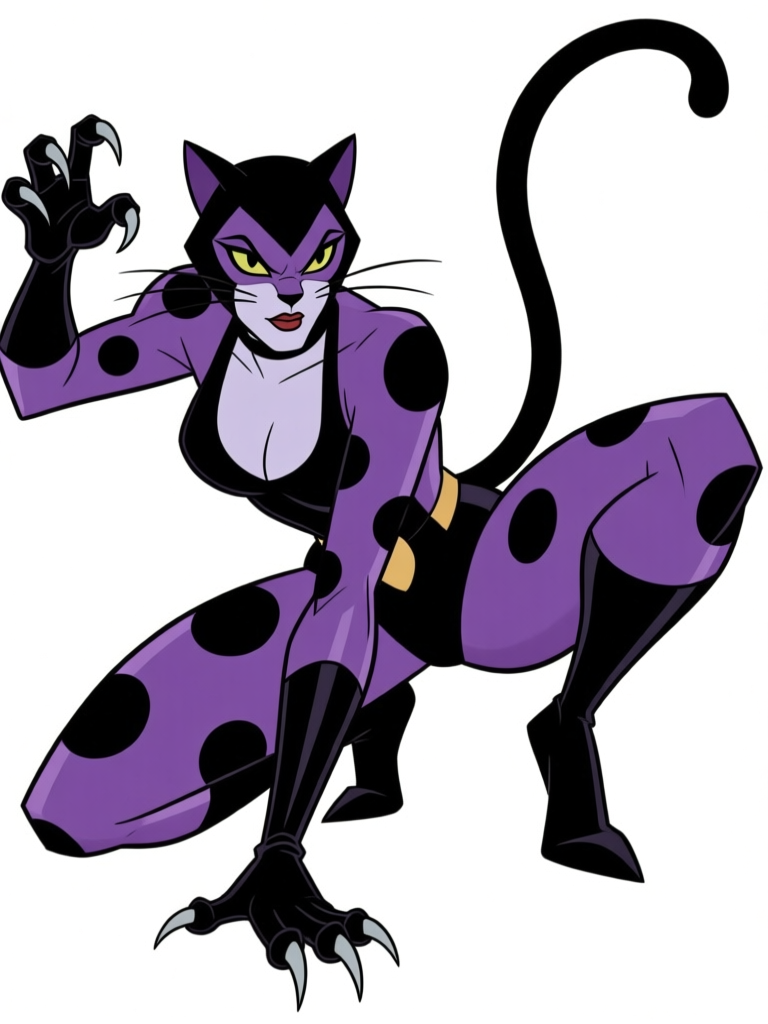
Female villain — colored
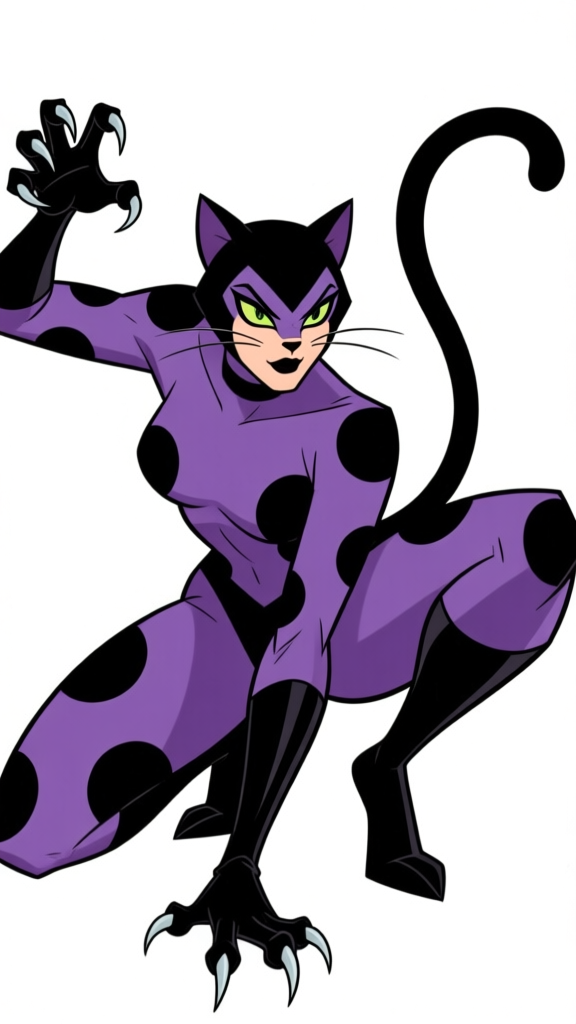
Female villain — colored
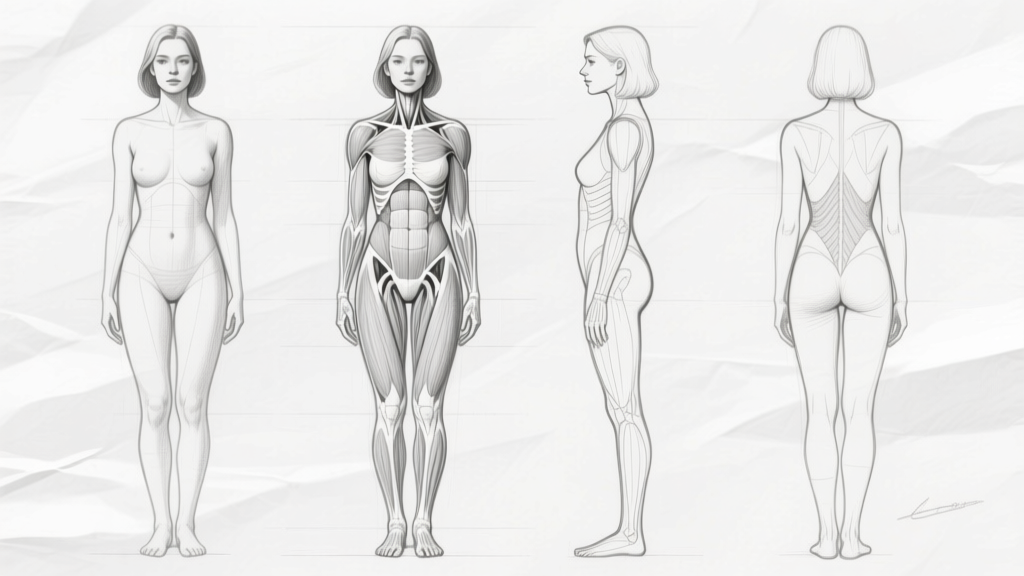
Female figure — three-view
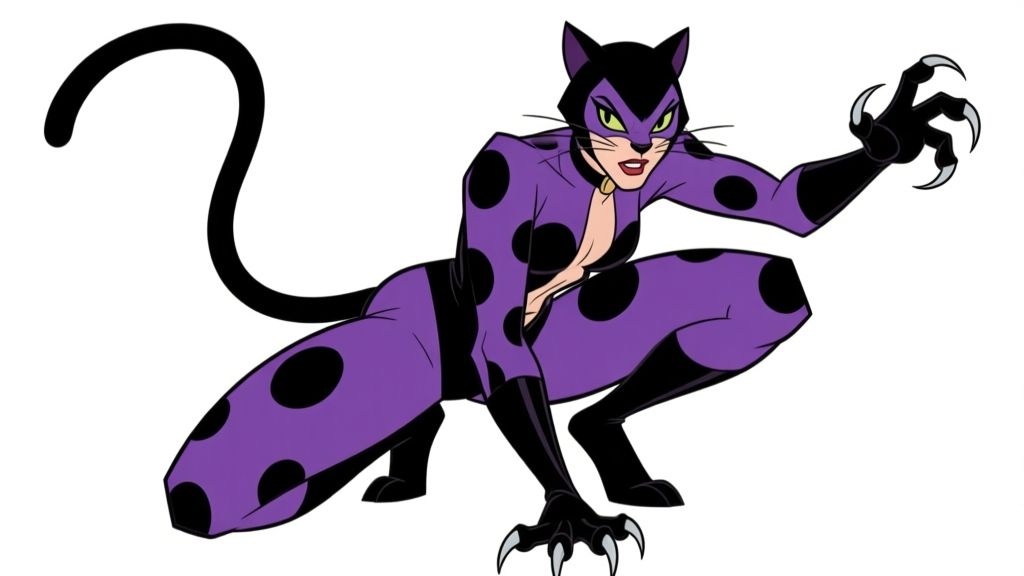
Female villain — colored
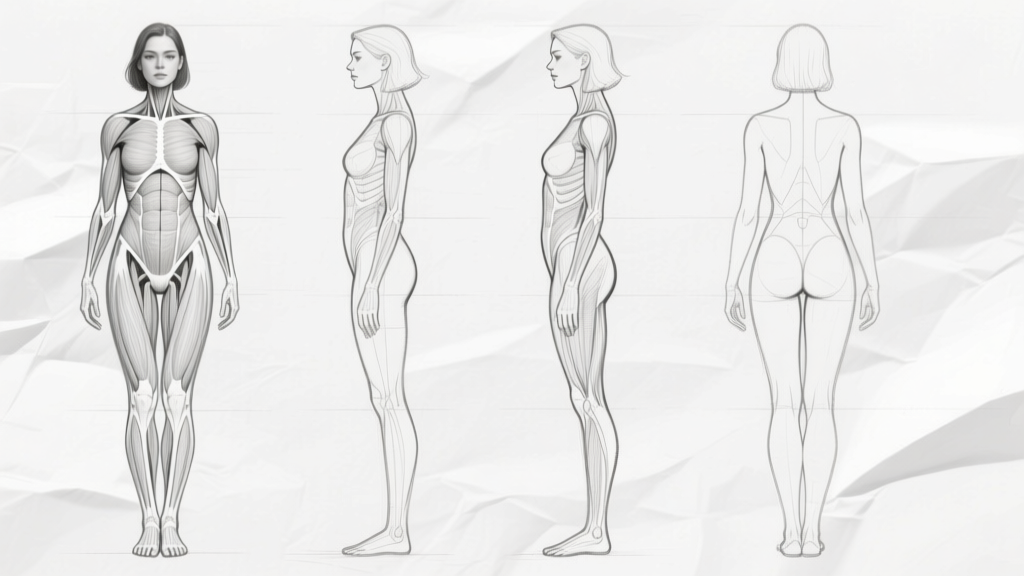
Female figure — three-view
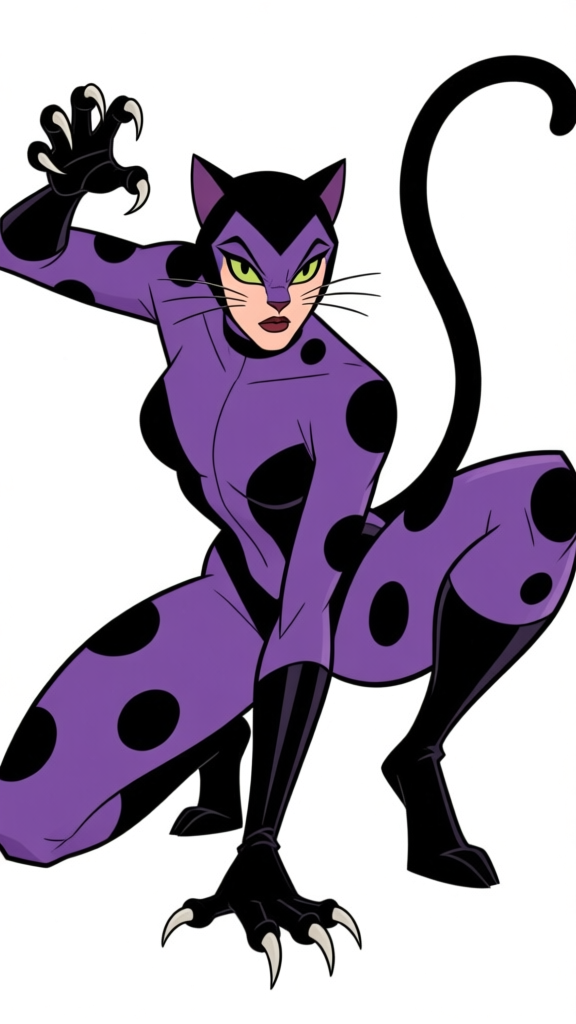
Female villain — colored
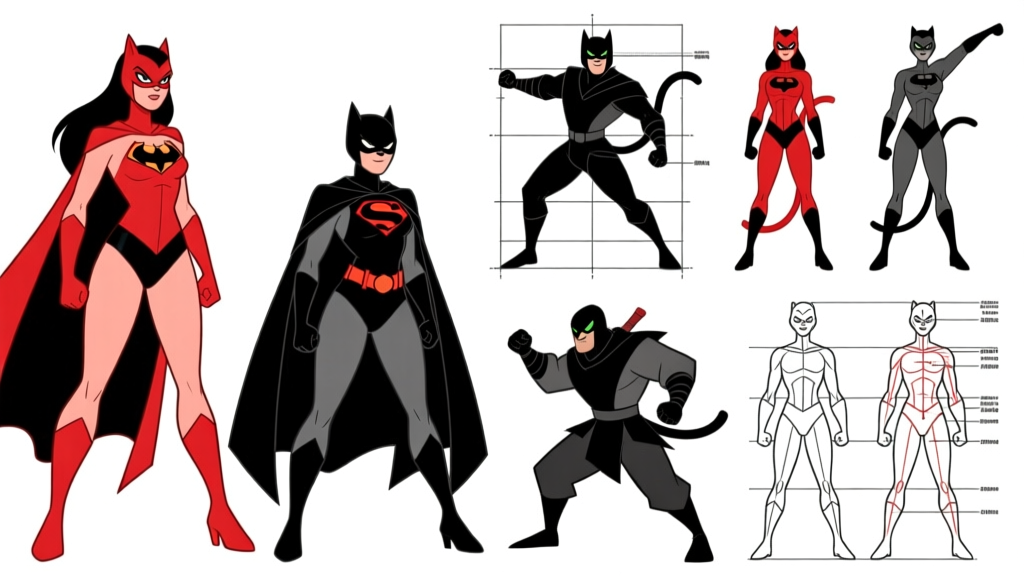
Female hero — poses colored
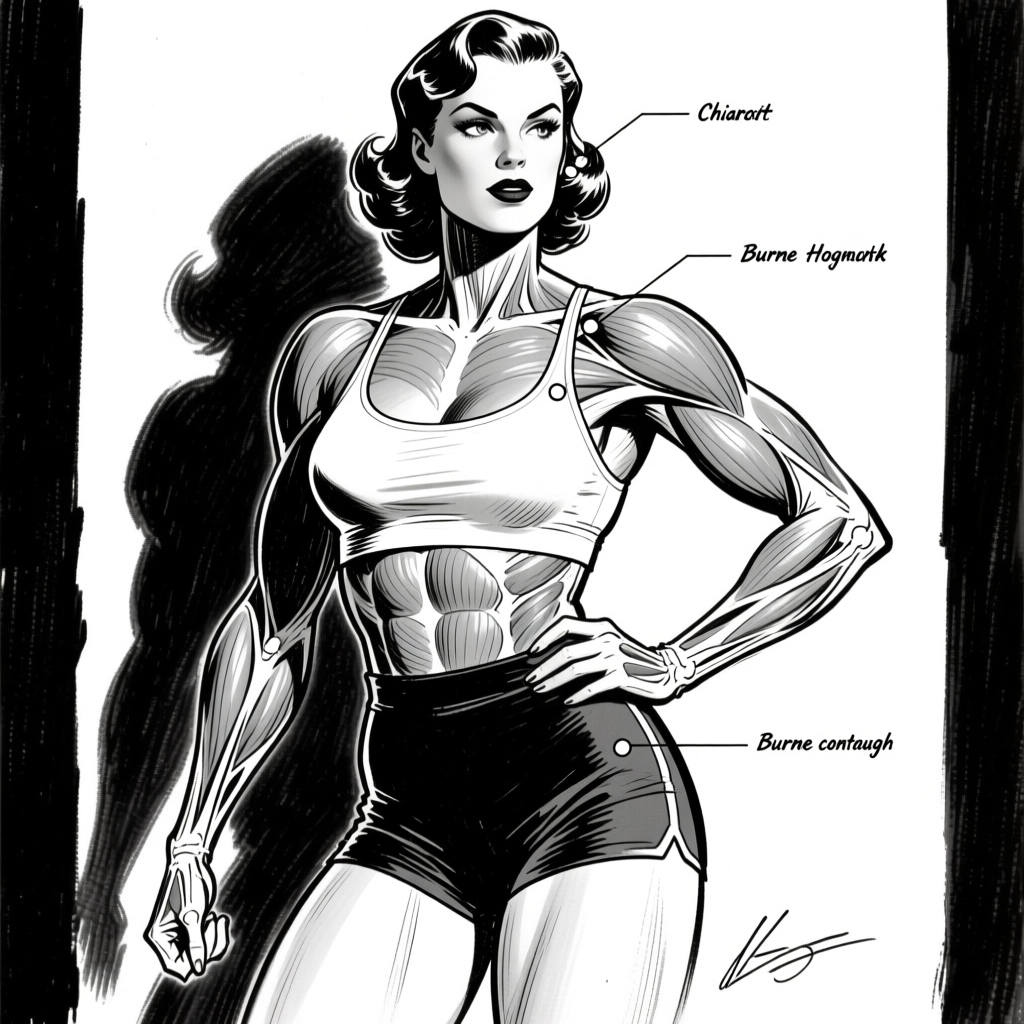
Female with anatomy labels
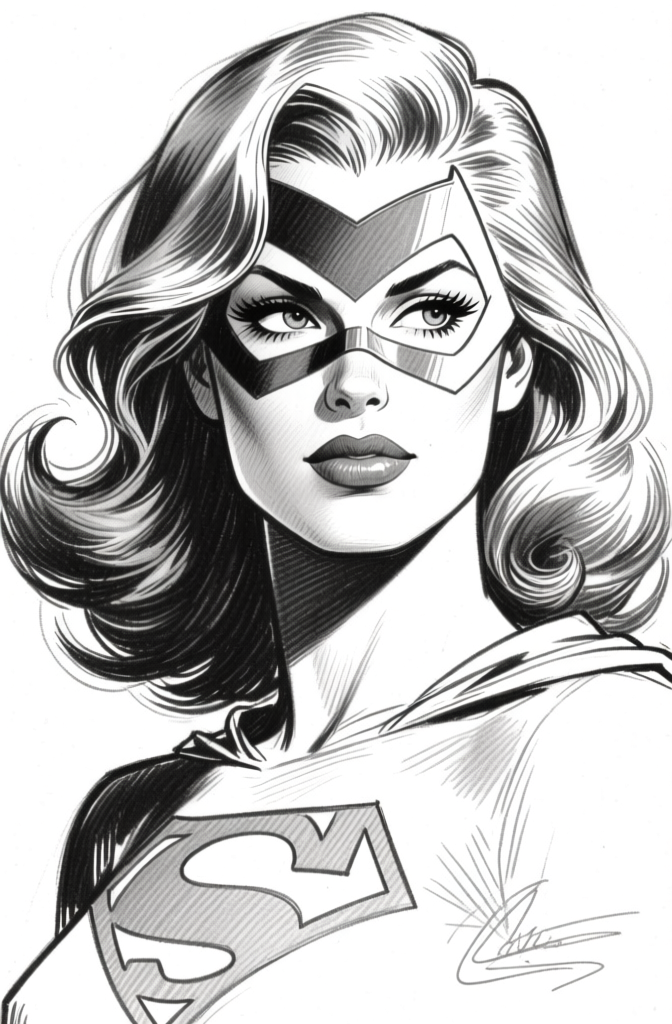
Female hero portrait — ink
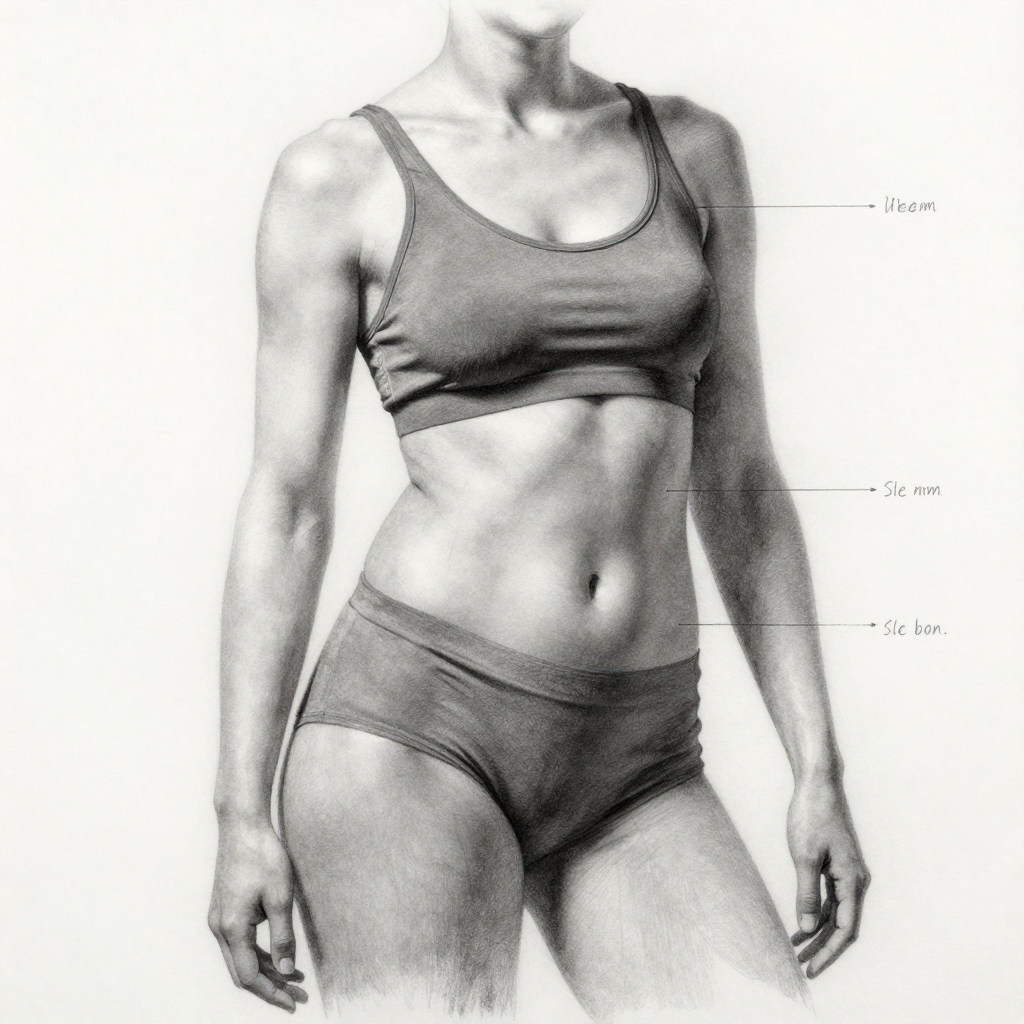
Female torso — study
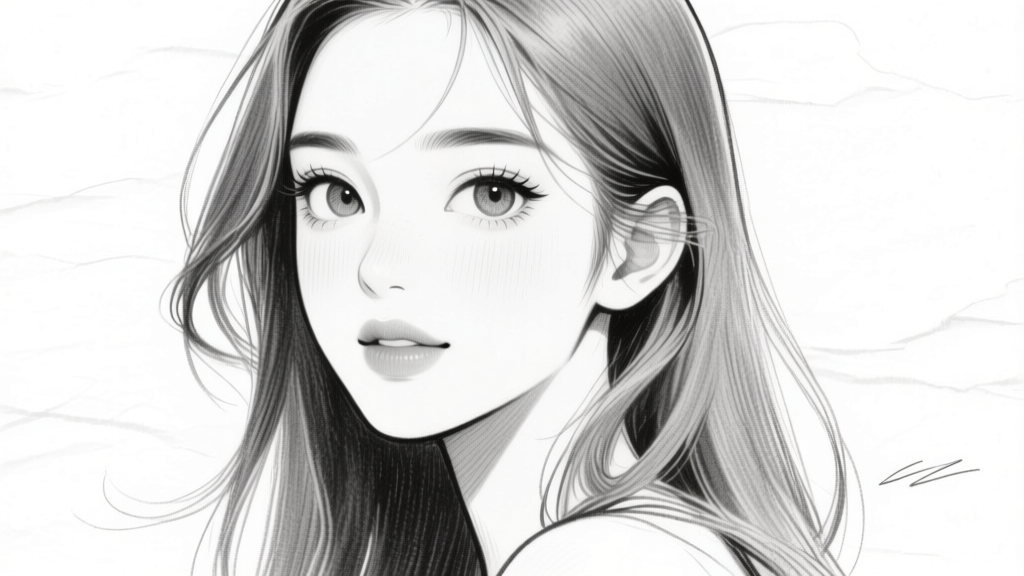
Female face — soft style
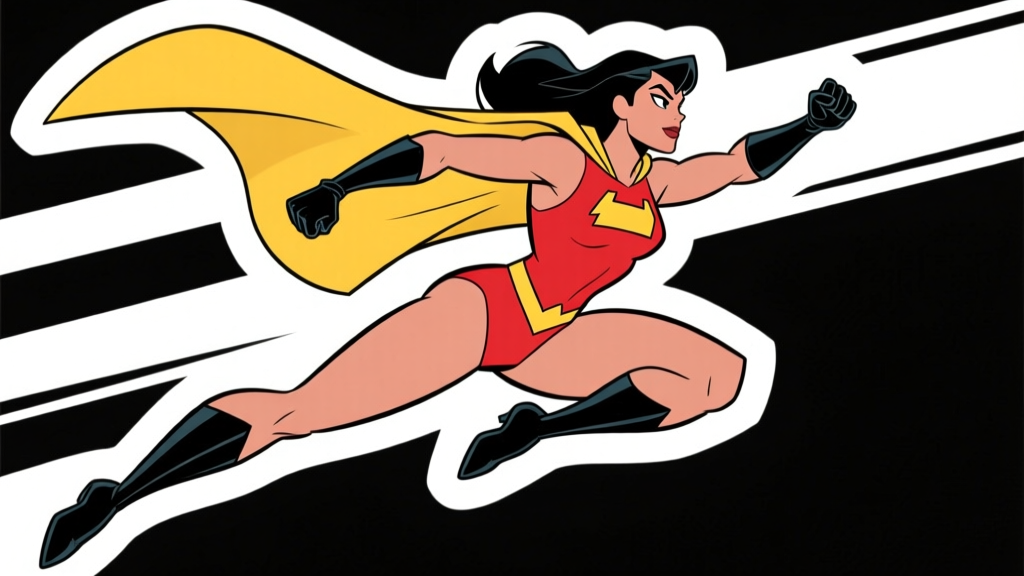
Female hero — action colored
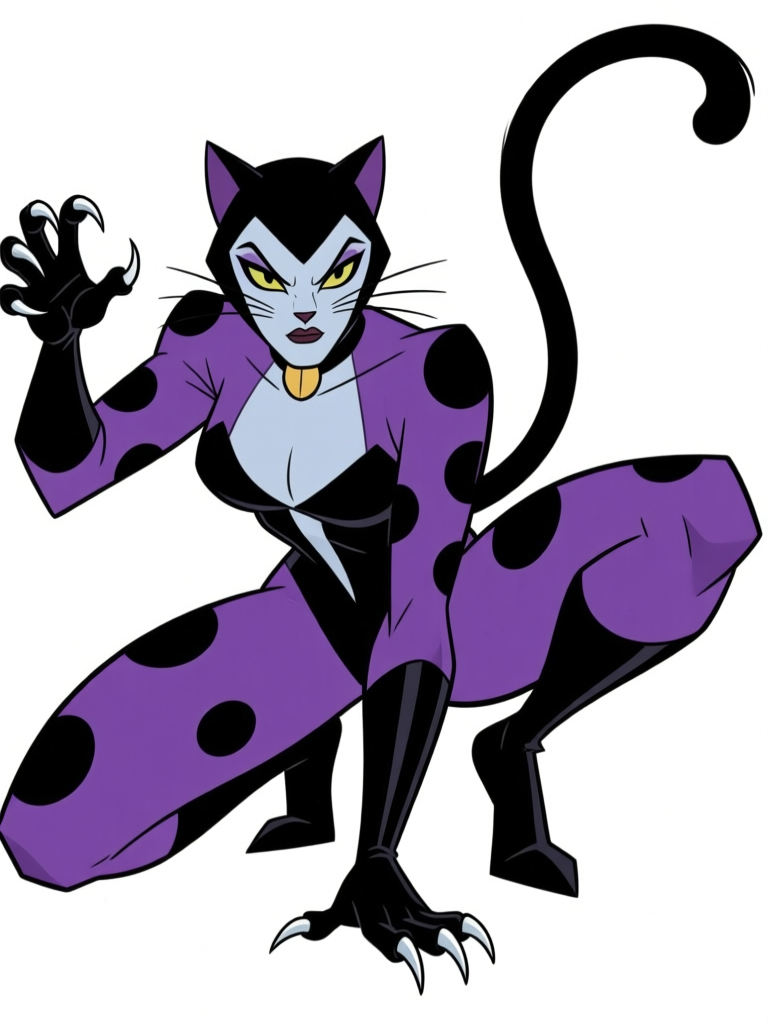
Female villain — colored
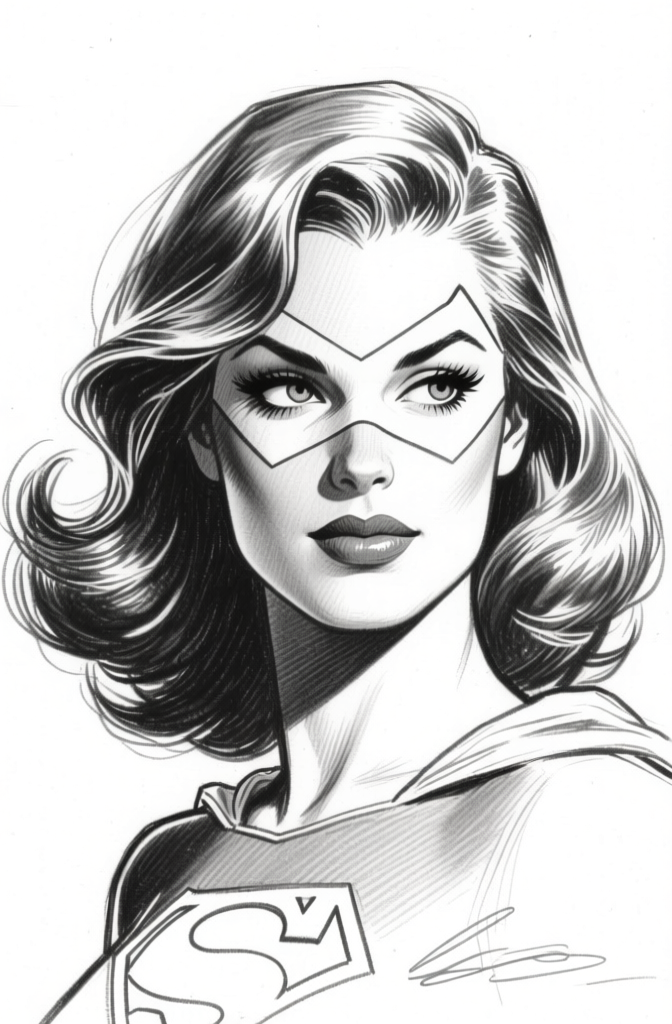
Female hero — portrait ink
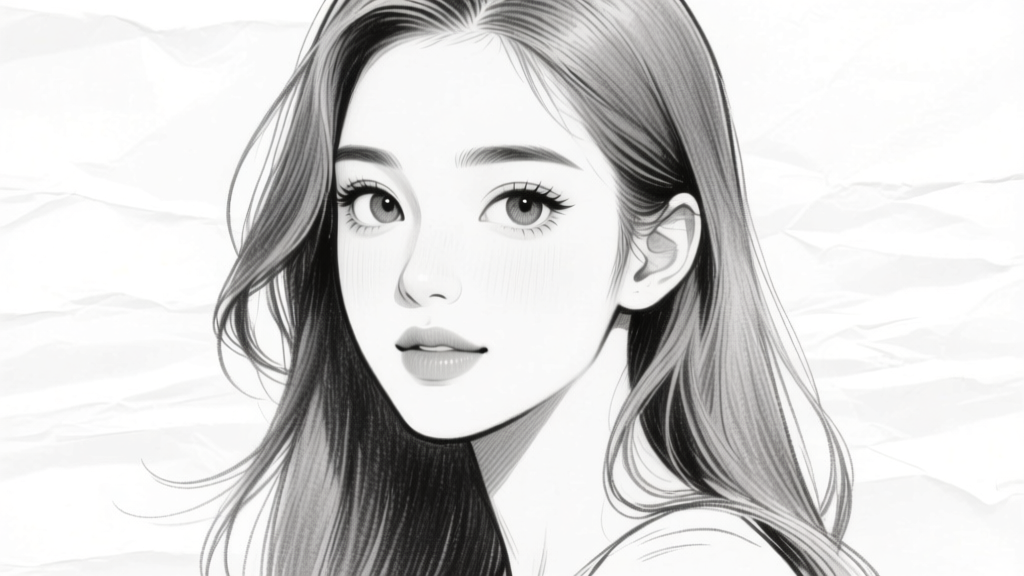
Female face — soft style
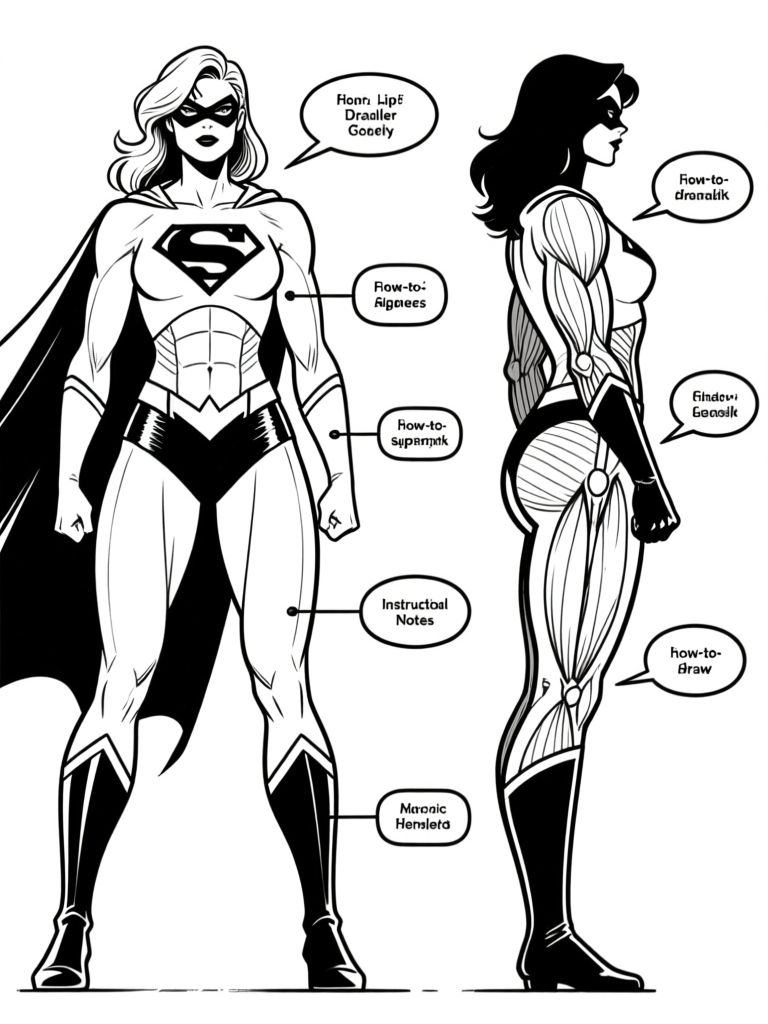
Two female heroes — front and back
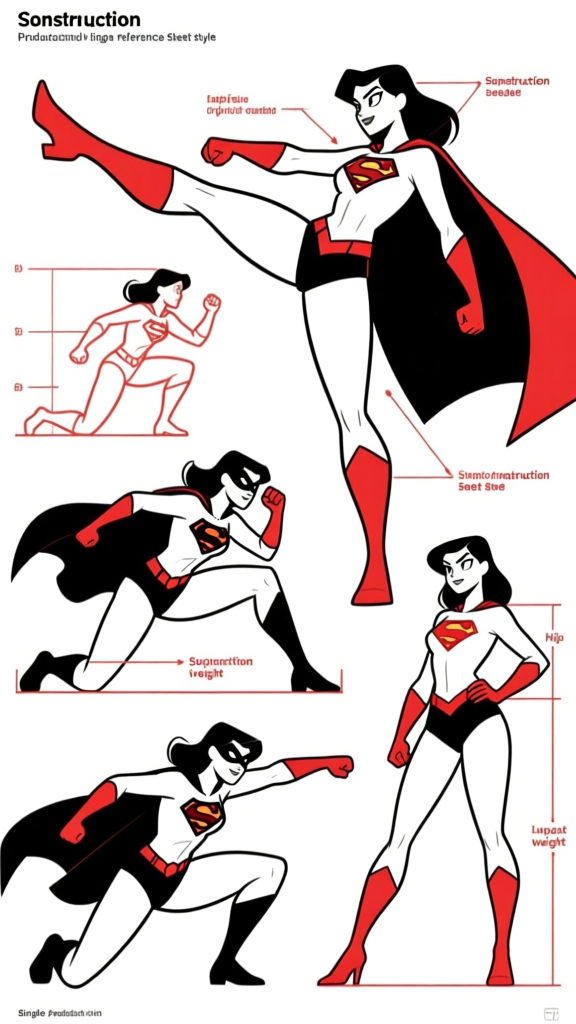
Female hero — poses colored
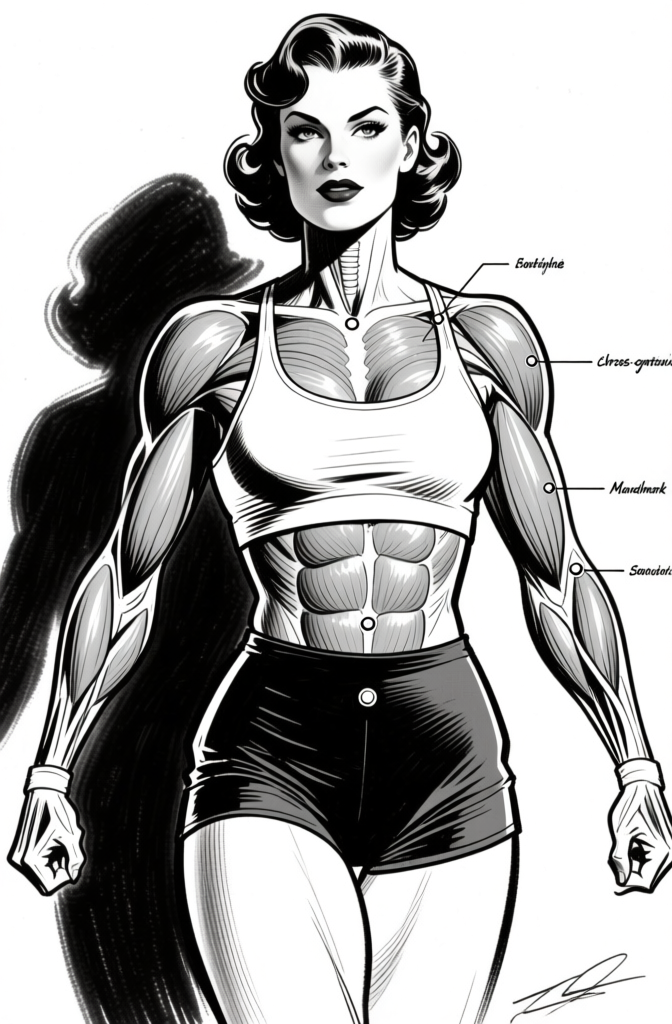
Female anatomy — labeled
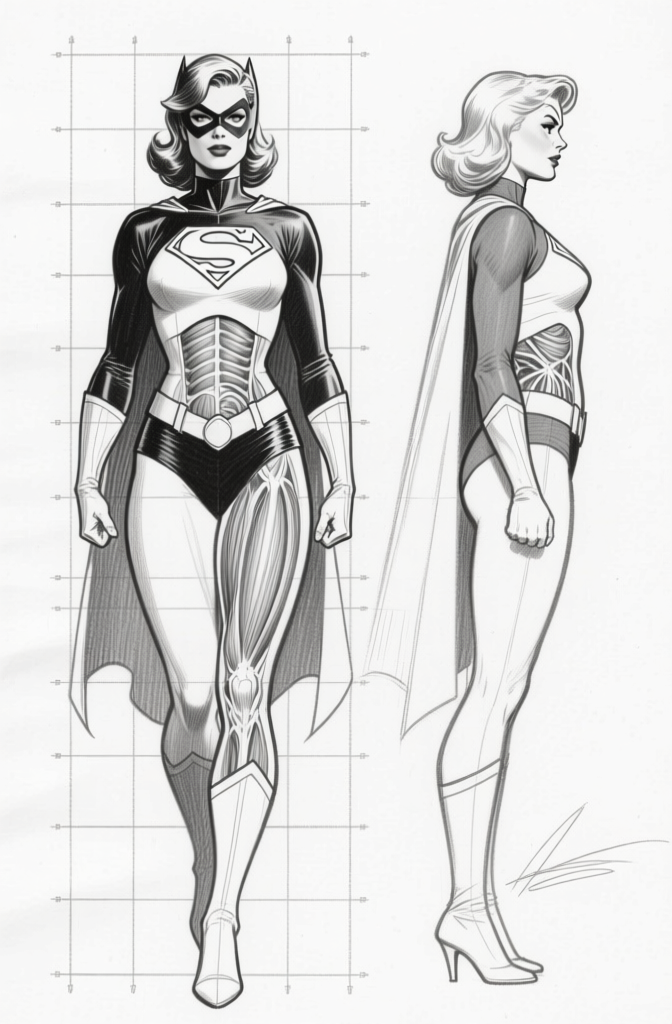
Female hero — comparison study
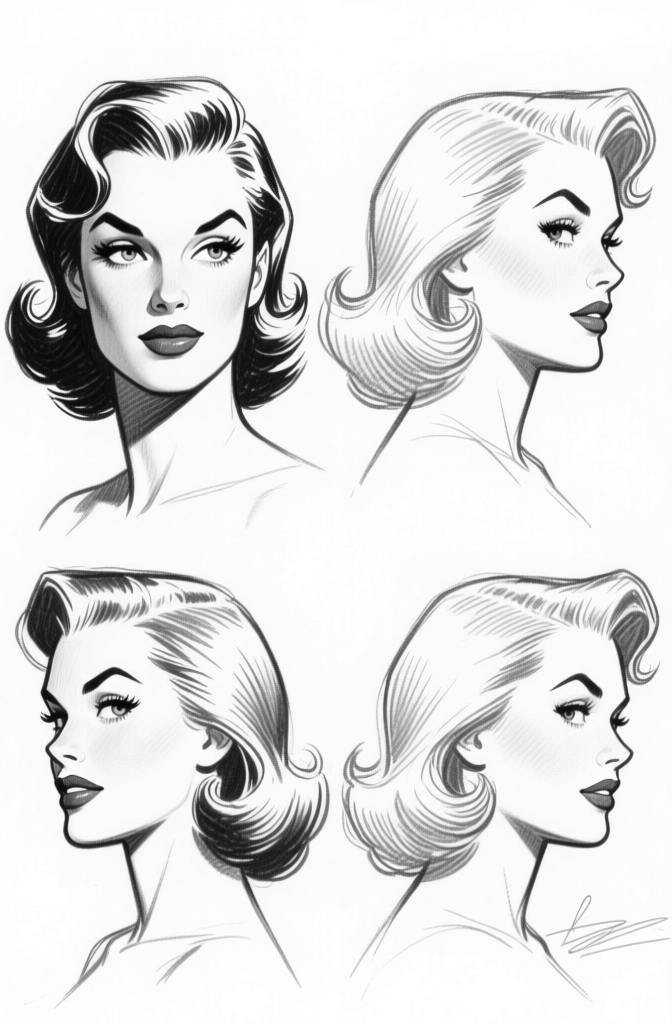
Female head turns — four views
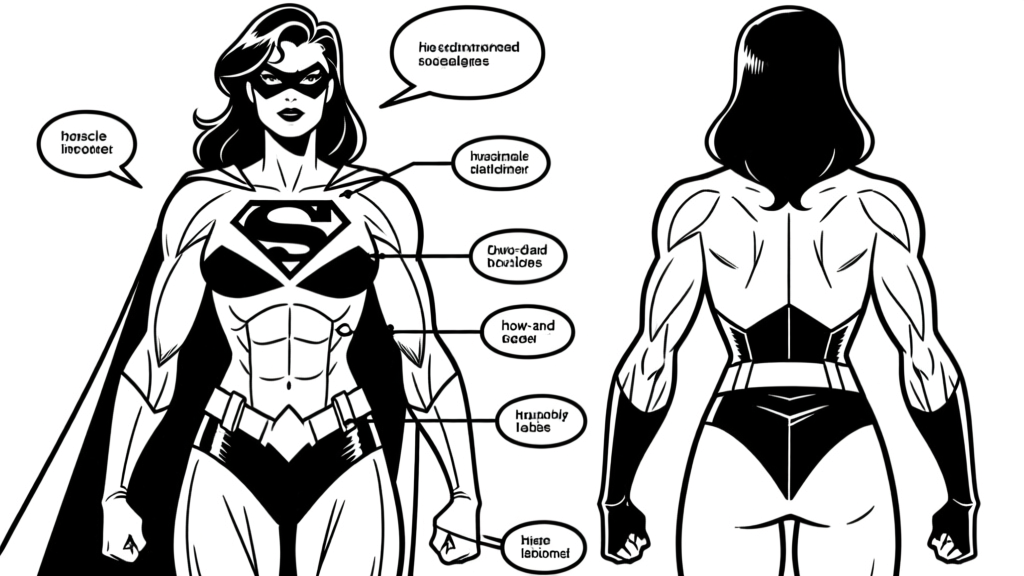
Female hero — front and back
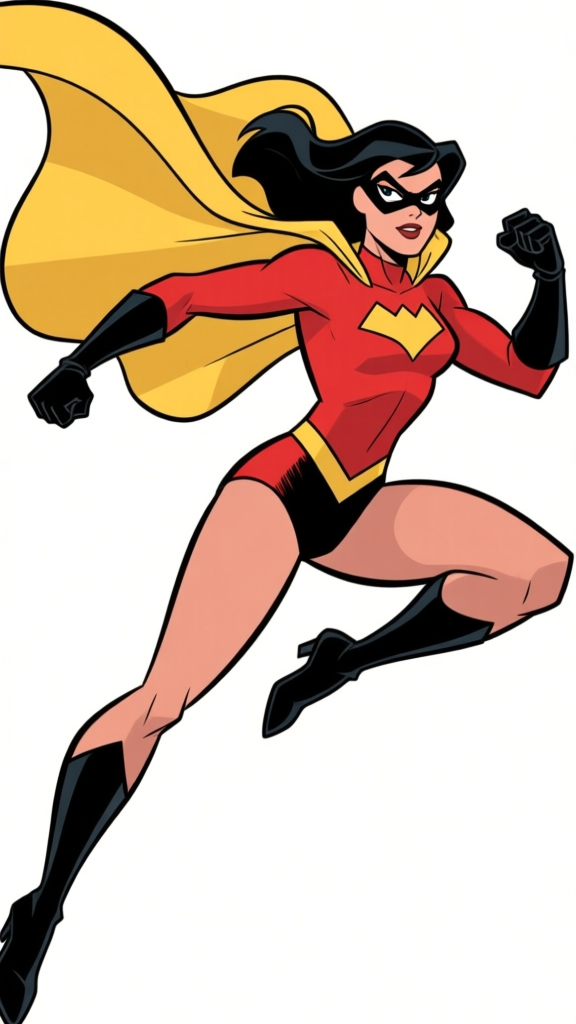
Female hero — colored action
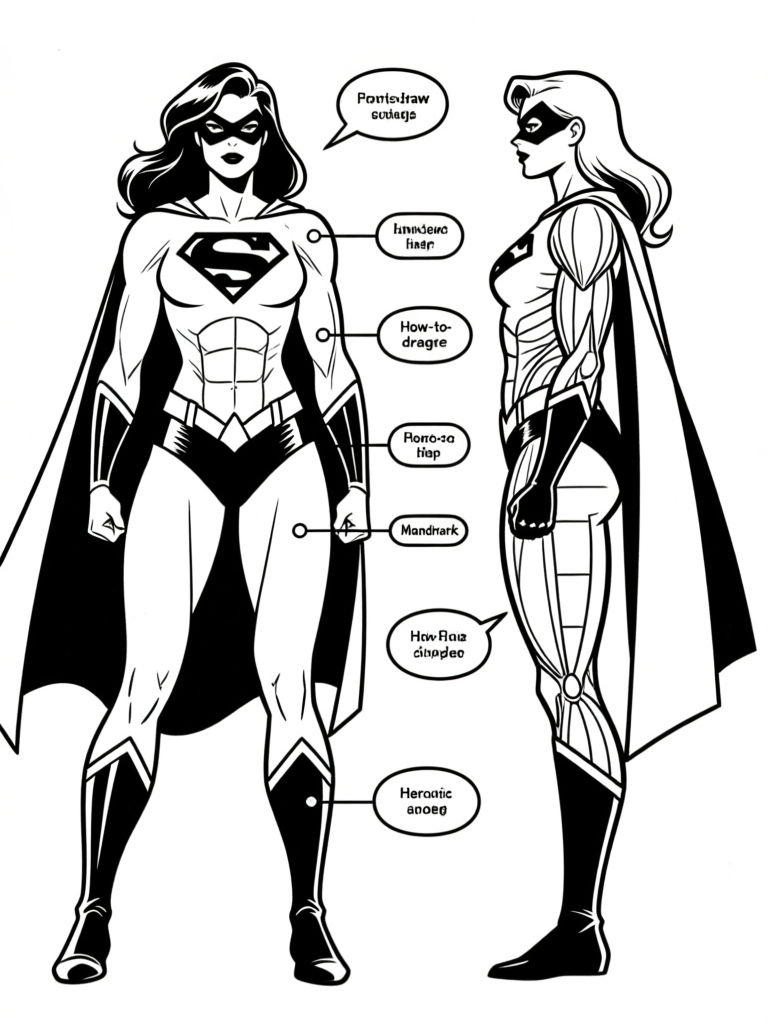
Two female heroes — comparison
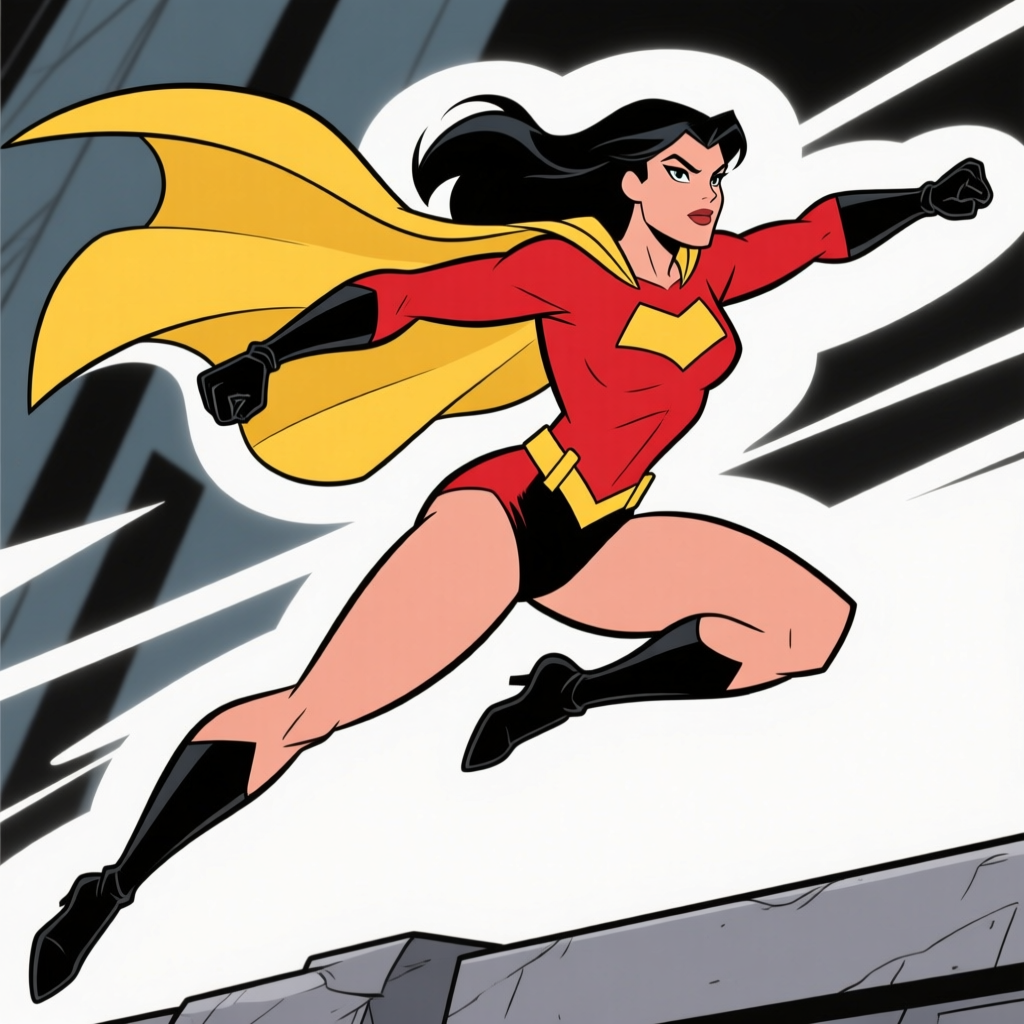
Female hero — colored action
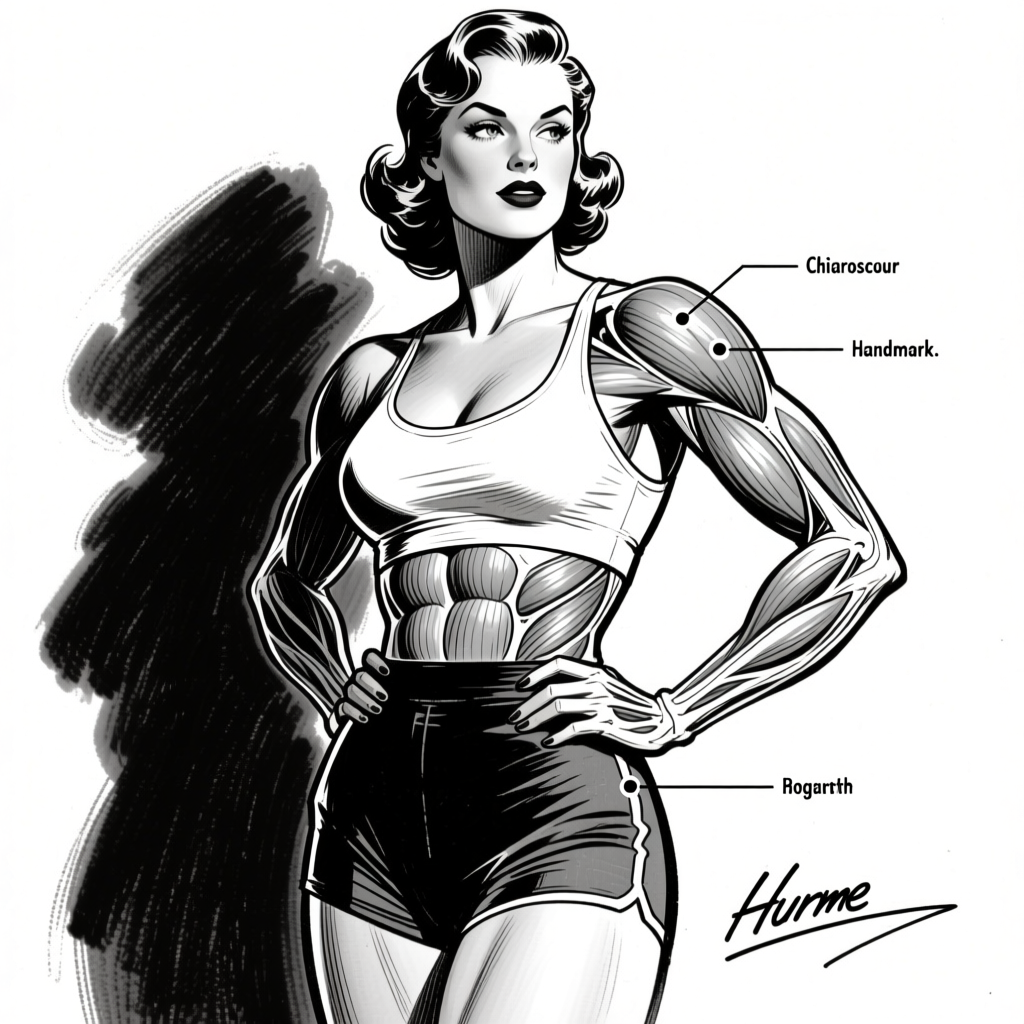
Female anatomy — labeled ink