KEY CONCEPTS
- Contrapposto: weight shift to one leg drops that hip; opposite shoulder compensates
- The spine curves in a natural S when in contrapposto — this is organic life
- Arm triangles become asymmetrical in action — push them further
- Exaggeration is strongly encouraged in heroic work — double every angle
- Foreshortening: limbs pointing at the viewer appear dramatically compressed
- Silhouette test is even more critical for action poses — the read must be instant
Contrapposto is the life of a pose. When weight is on the right leg, the right hip drops slightly and the left shoulder drops to compensate. The figure's spine curves in a gentle S in response. This creates organic, natural-feeling asymmetry — the opposite of a rigid, posed-looking figure. Every dynamic pose is an exaggerated version of contrapposto.
For running or leaping poses: the spine stroke angles forward dramatically. The forward leg's triangle points ahead, the trailing leg's triangle points behind. Arms swing in opposition to legs — left arm forward with right leg forward. This opposition is a fundamental law of human locomotion and figure drawing.
TRY THIS — 10 MINUTESDraw three action poses using ONLY the spine stroke and three triangles each — no muscles. Pose 1: running forward. Pose 2: throwing a punch. Pose 3: leaping upward. Check: do the three triangles capture each pose unambiguously? If your triangles are correctly placed, any artist would recognize the pose even without any muscles added.
REFERENCE GALLERY
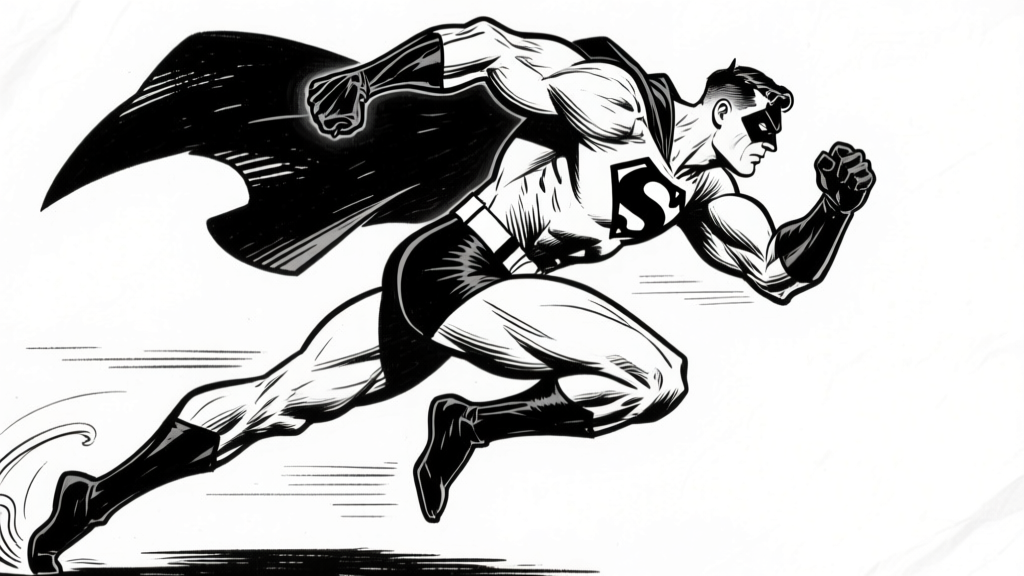
Flying hero — full diagonal action
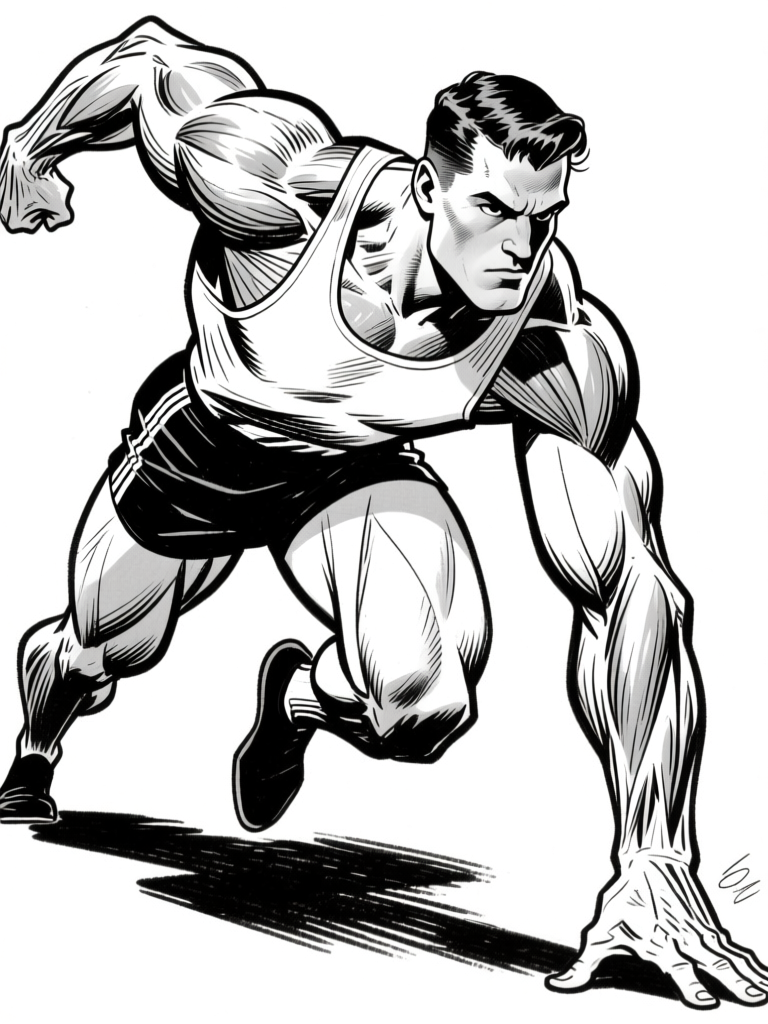
Running figure — extreme lean
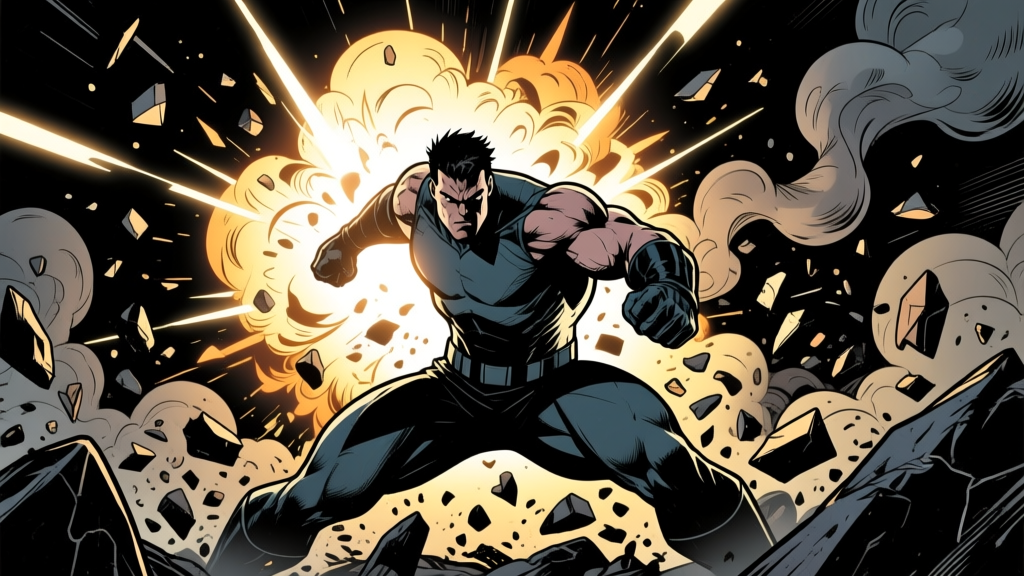
Action comic panel — energy burst
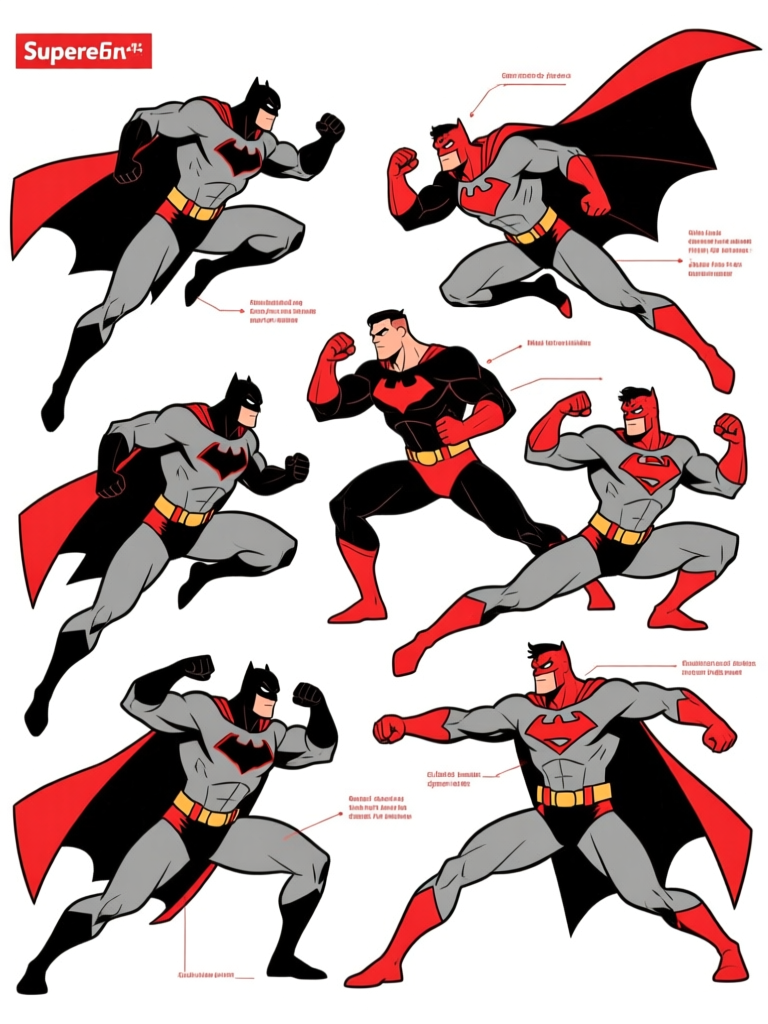
Hero multi-pose action sheet
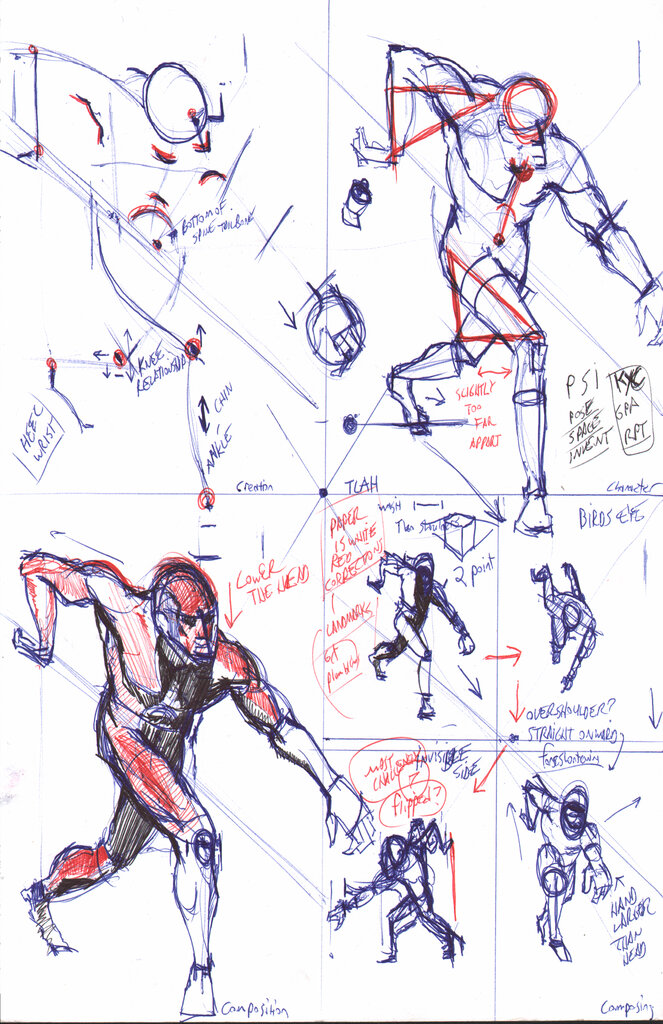
Figure in perspective with dynamic overlays
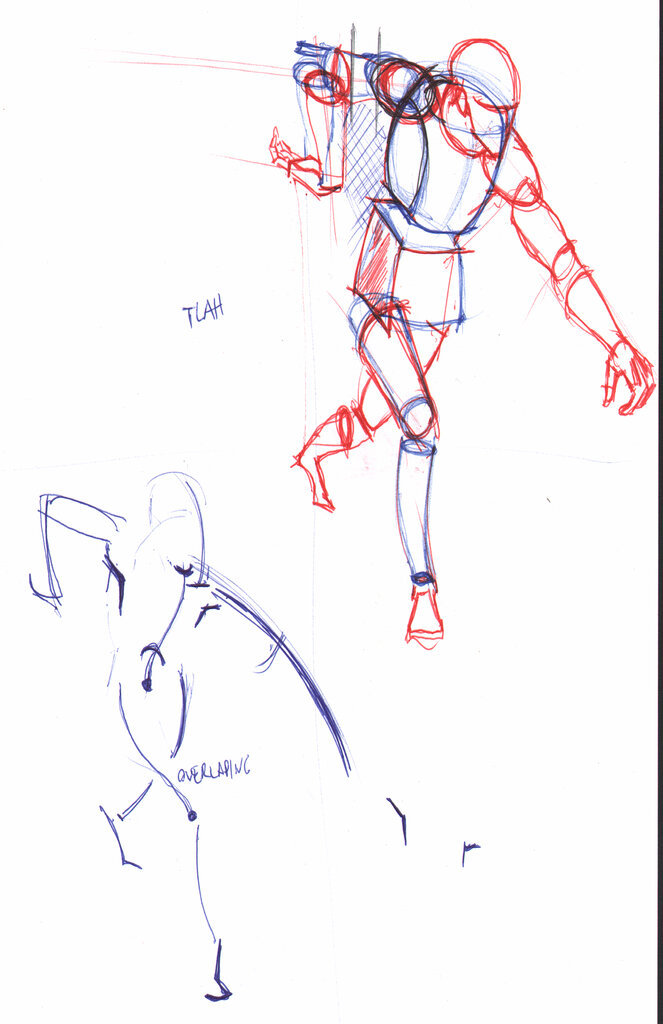
Two figures with structural overlay lines
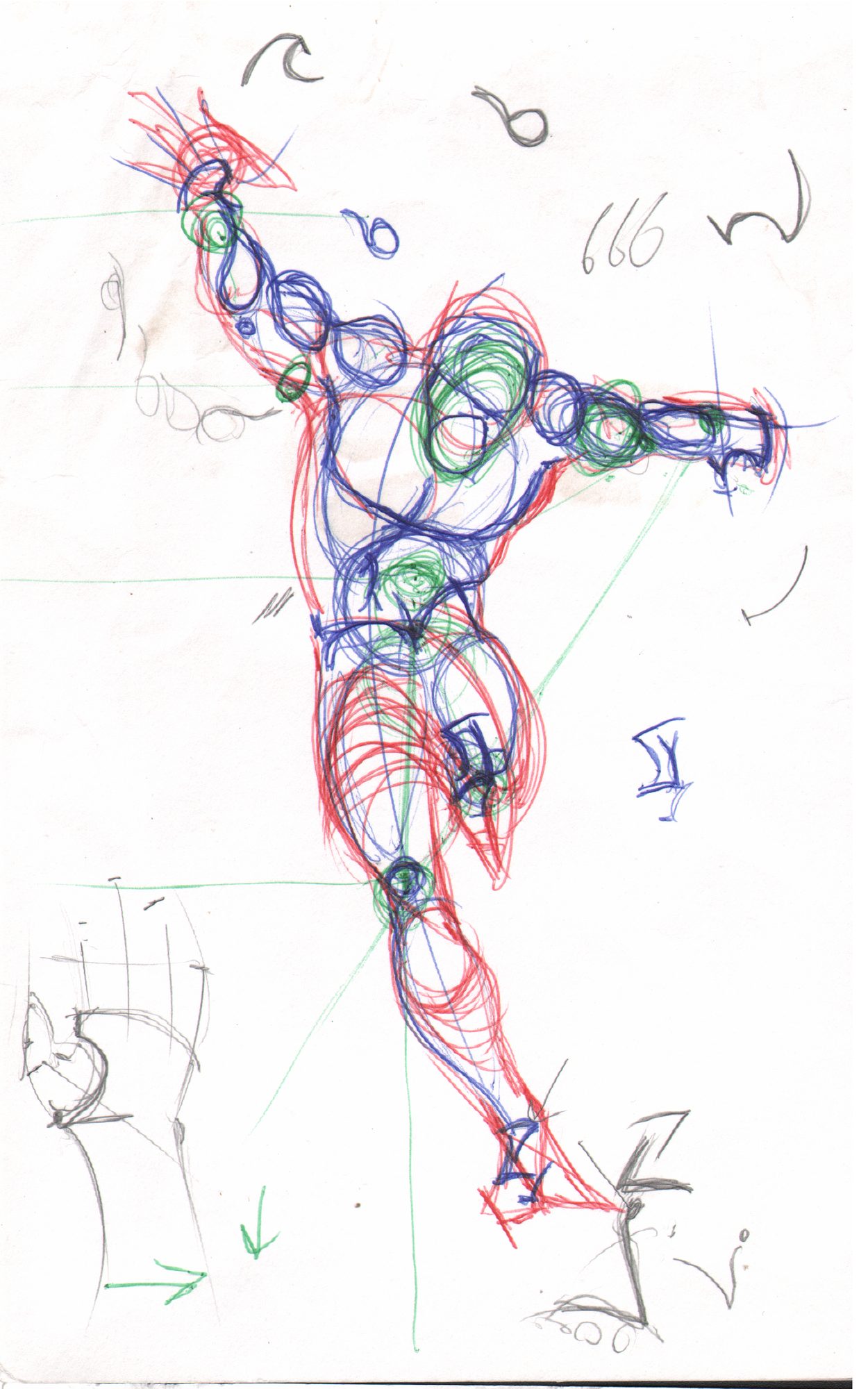
Full action figure — colored sphere-joints overlay
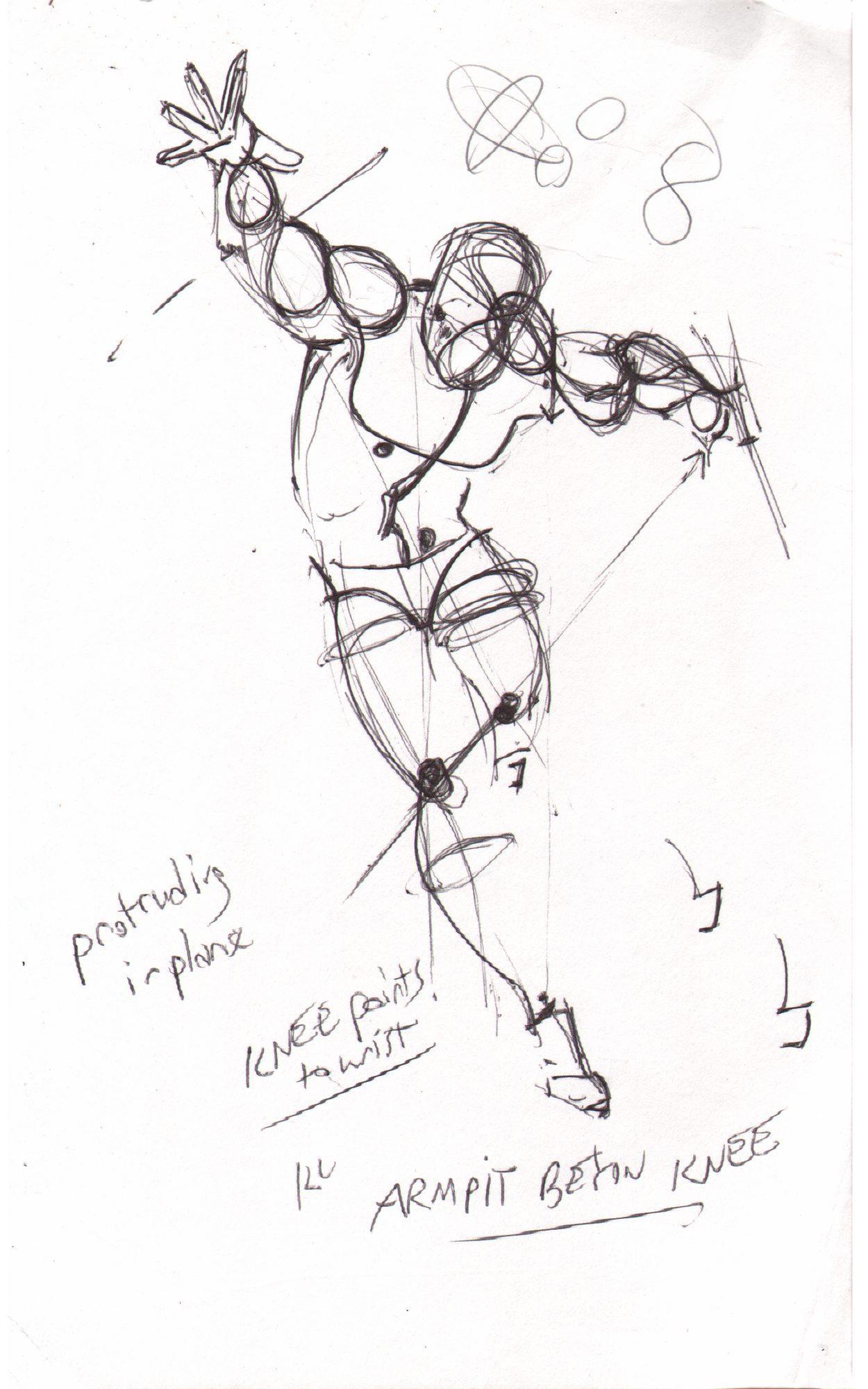
Dynamic leaping figure — knee/armpit/elbow notes
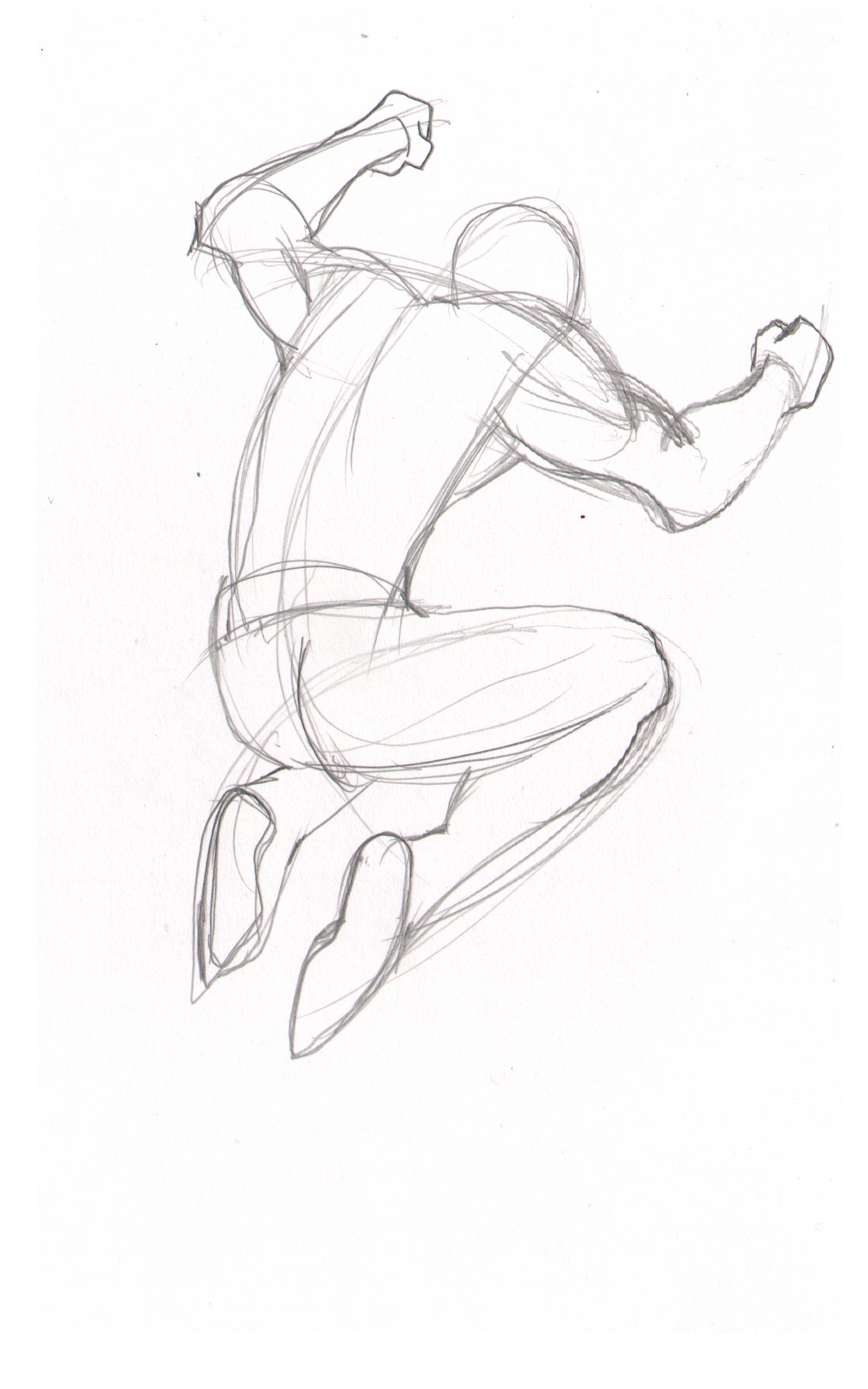
Action pose — full figure airborne jump
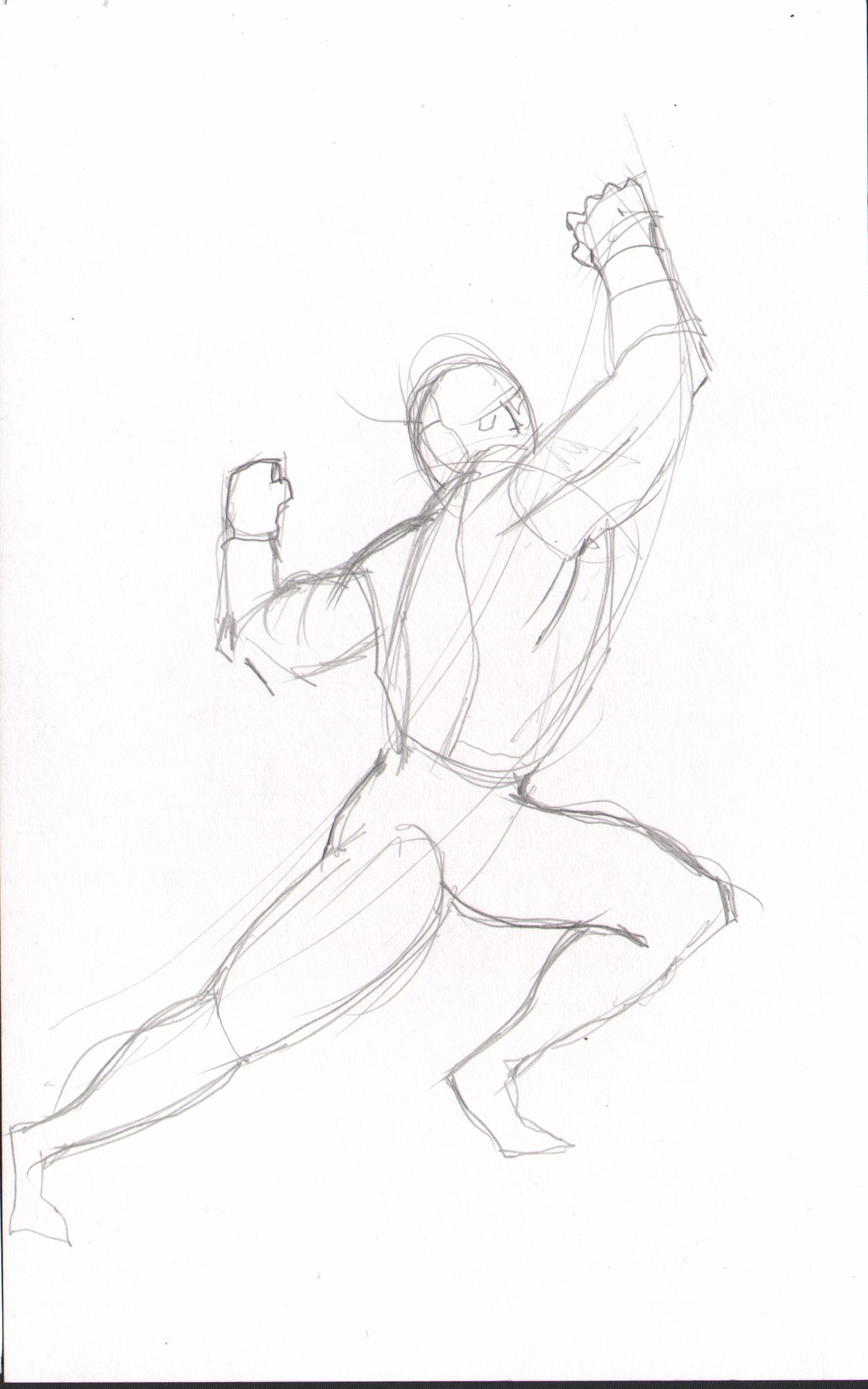
Action pose — lunge/attack stance
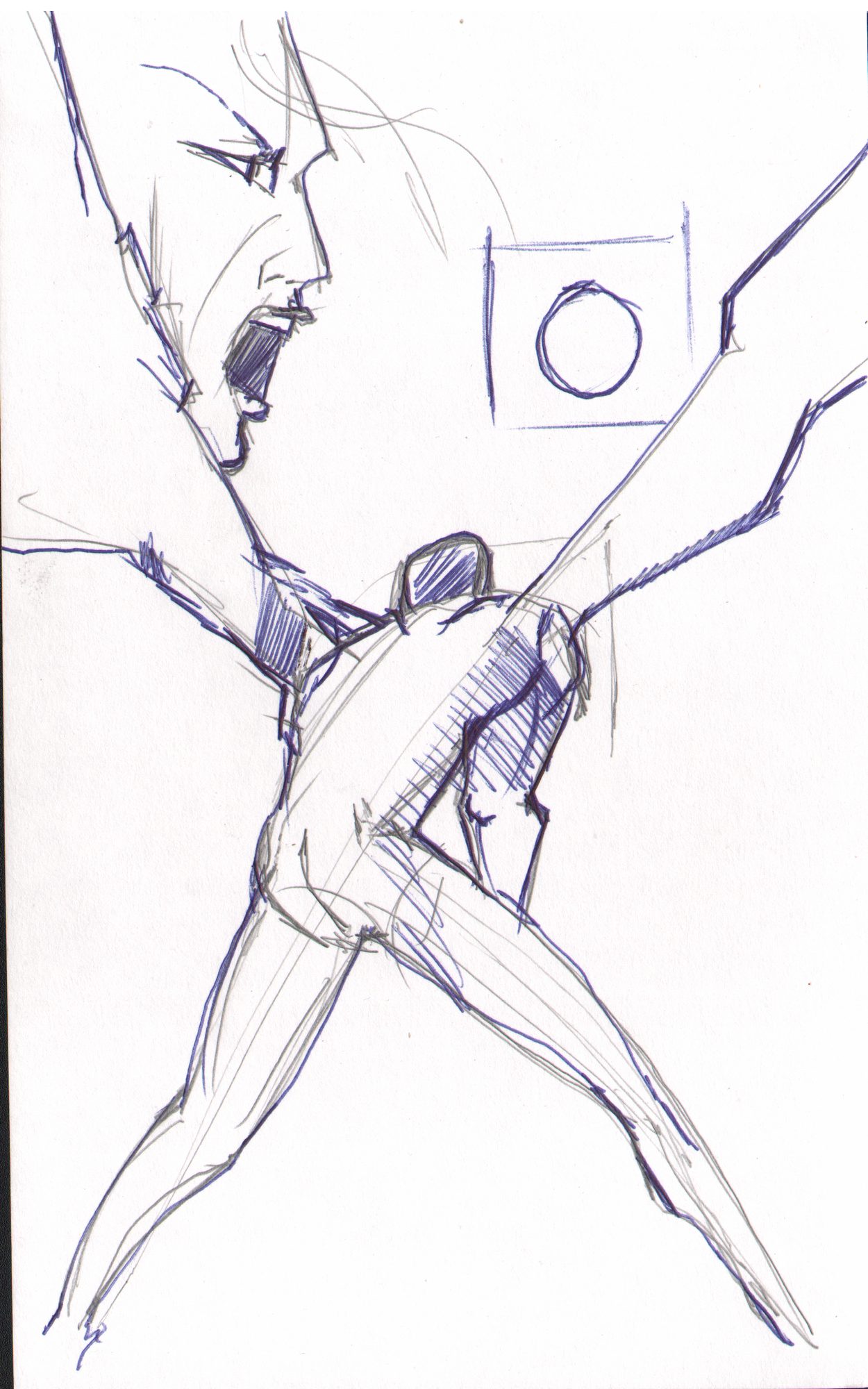
Two figures overlapping — space/composition
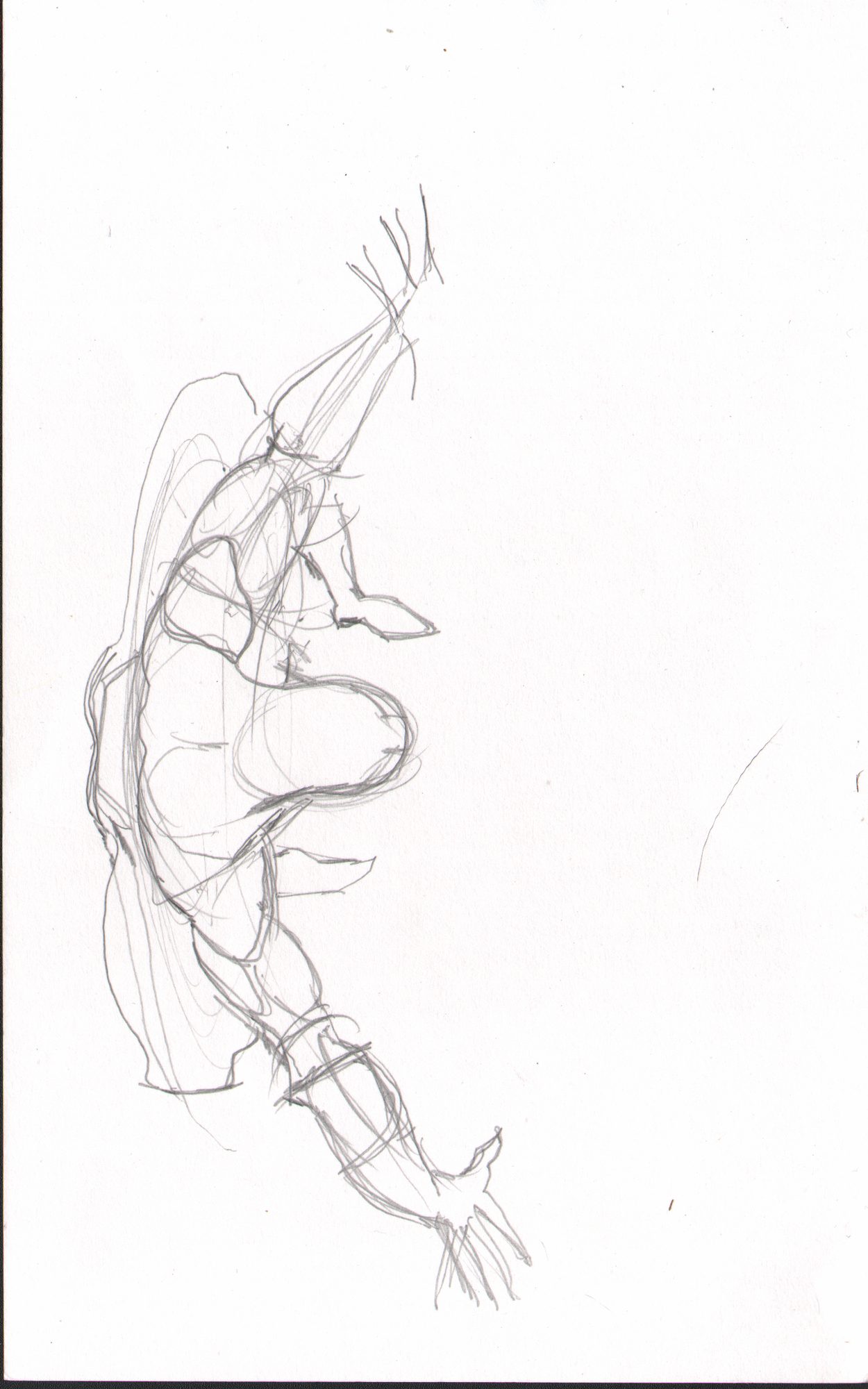
Arm/torso foreshortening — extreme angle
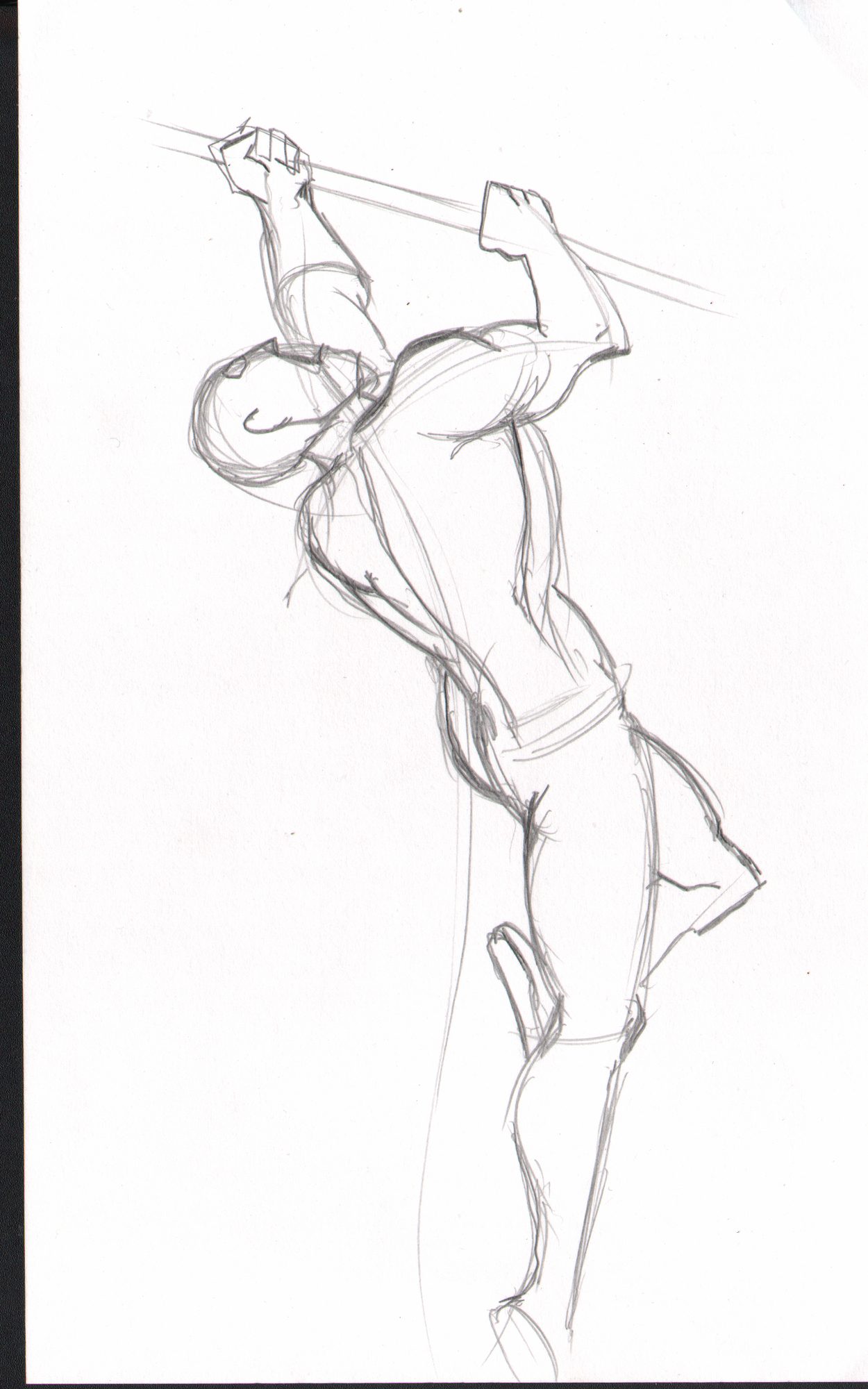
Hanging/climbing figure — extreme foreshortening
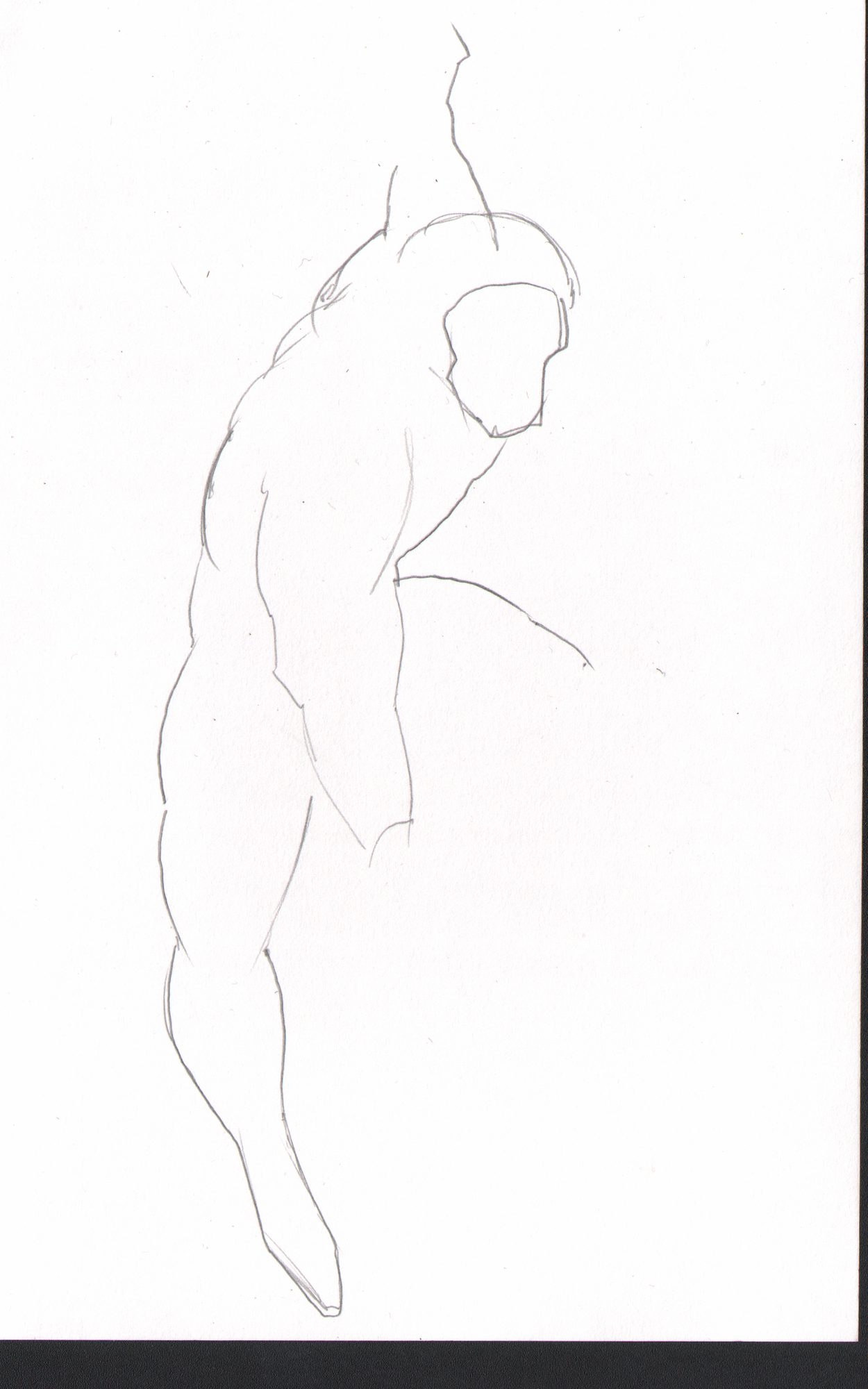
Hanging figure silhouette — extreme foreshortening
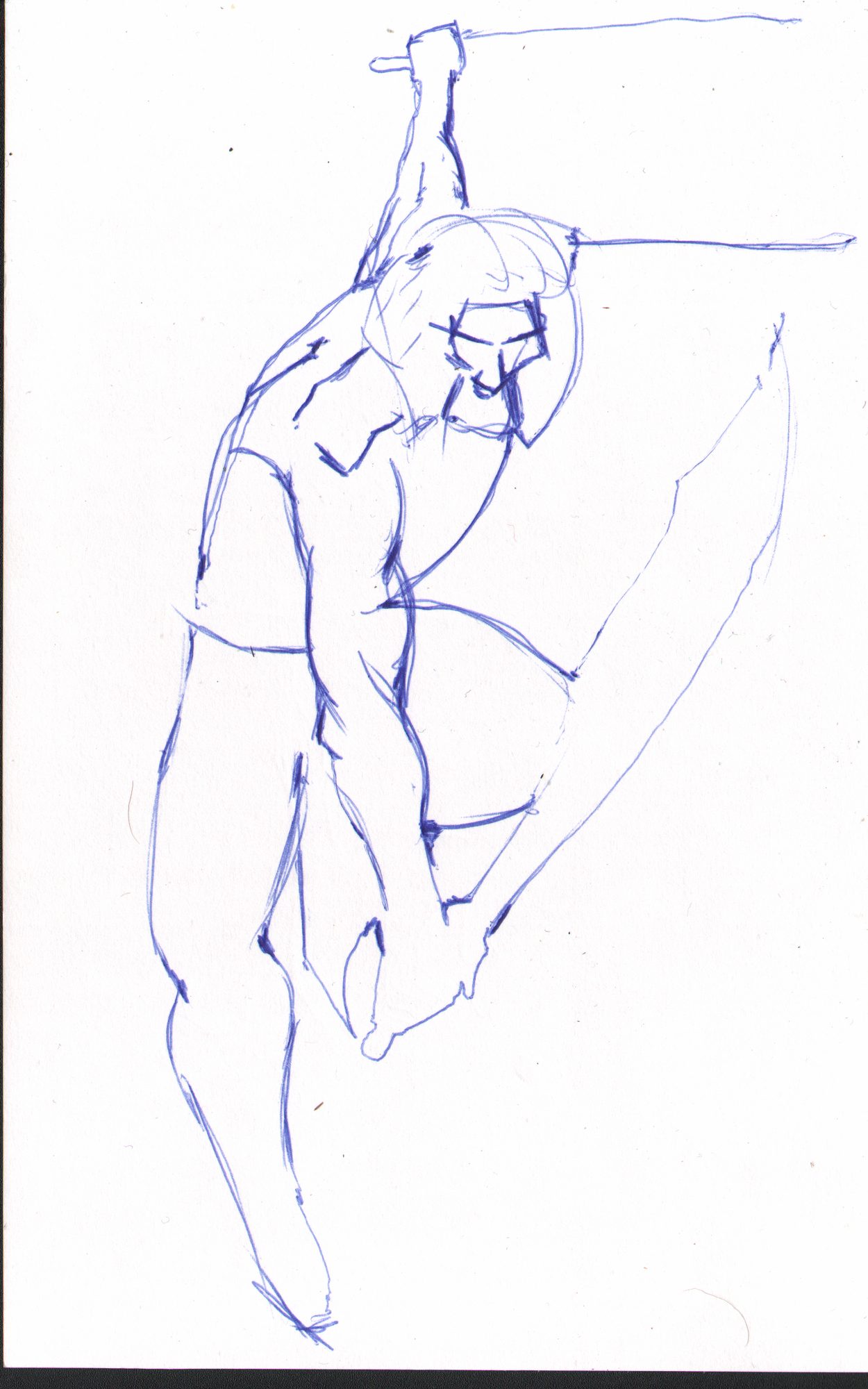
Climbing figure — blue pen, full stretch
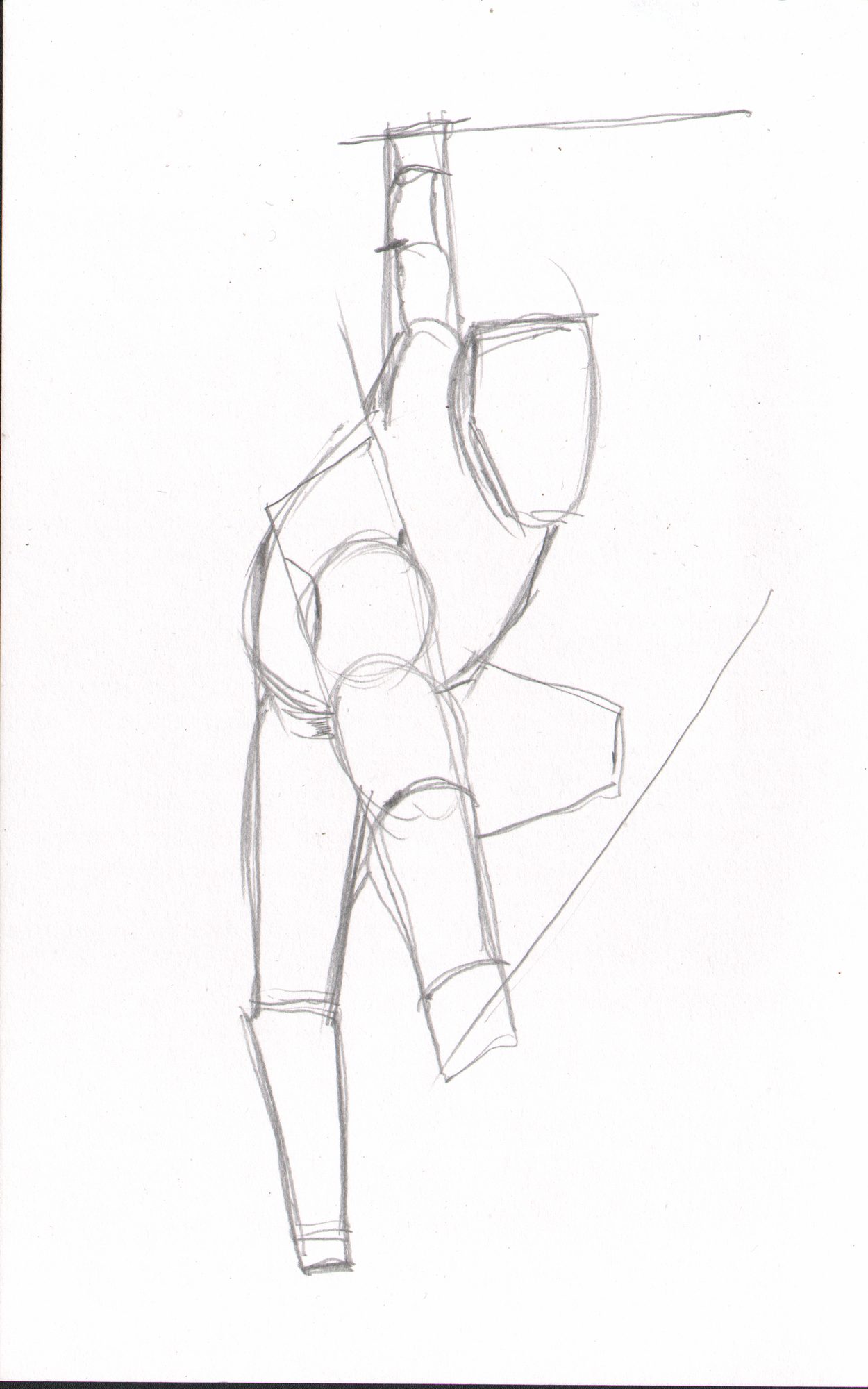
Box-torso climbing figure — structural breakdown
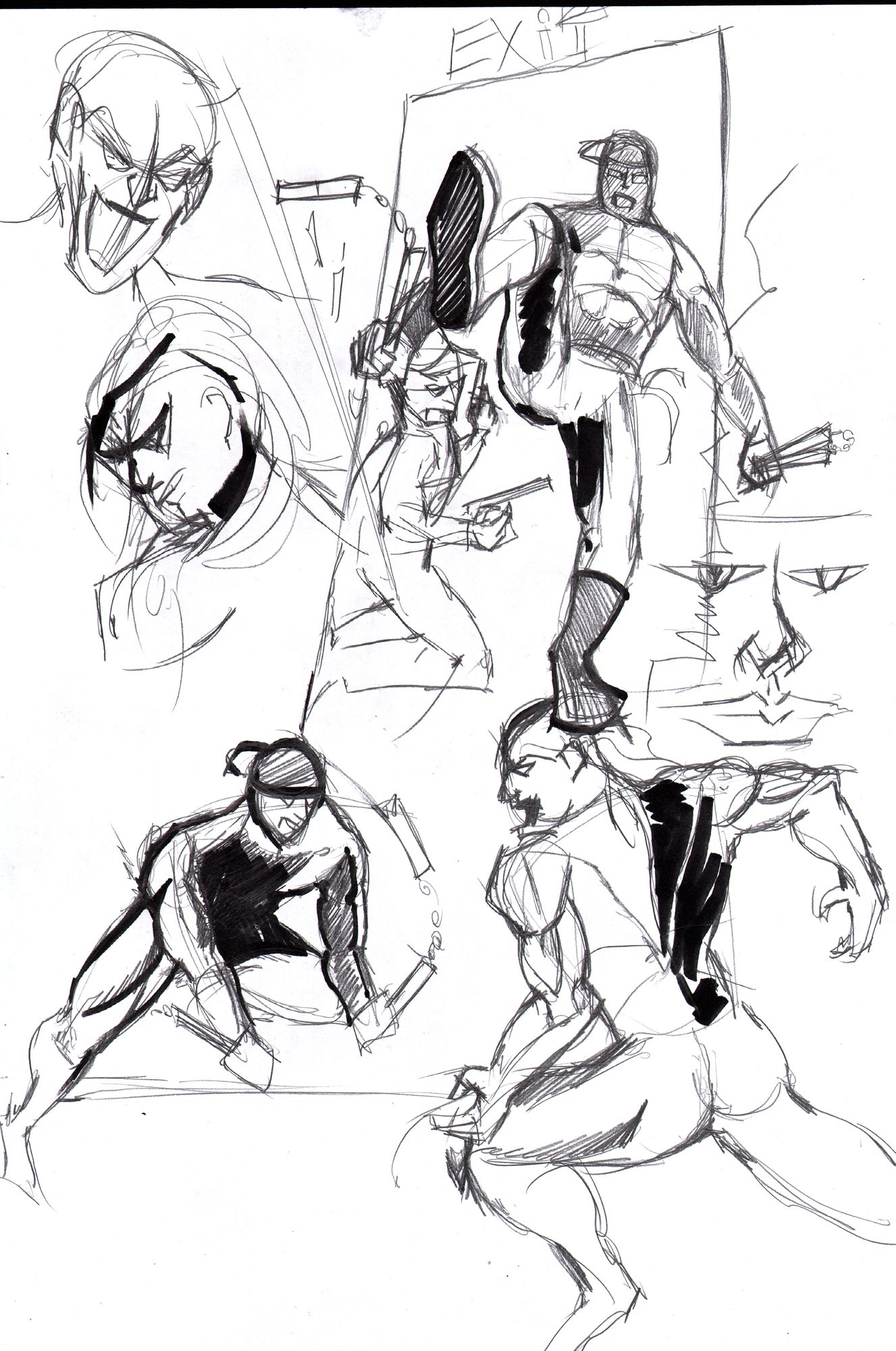
Life drawing — dynamic action figure
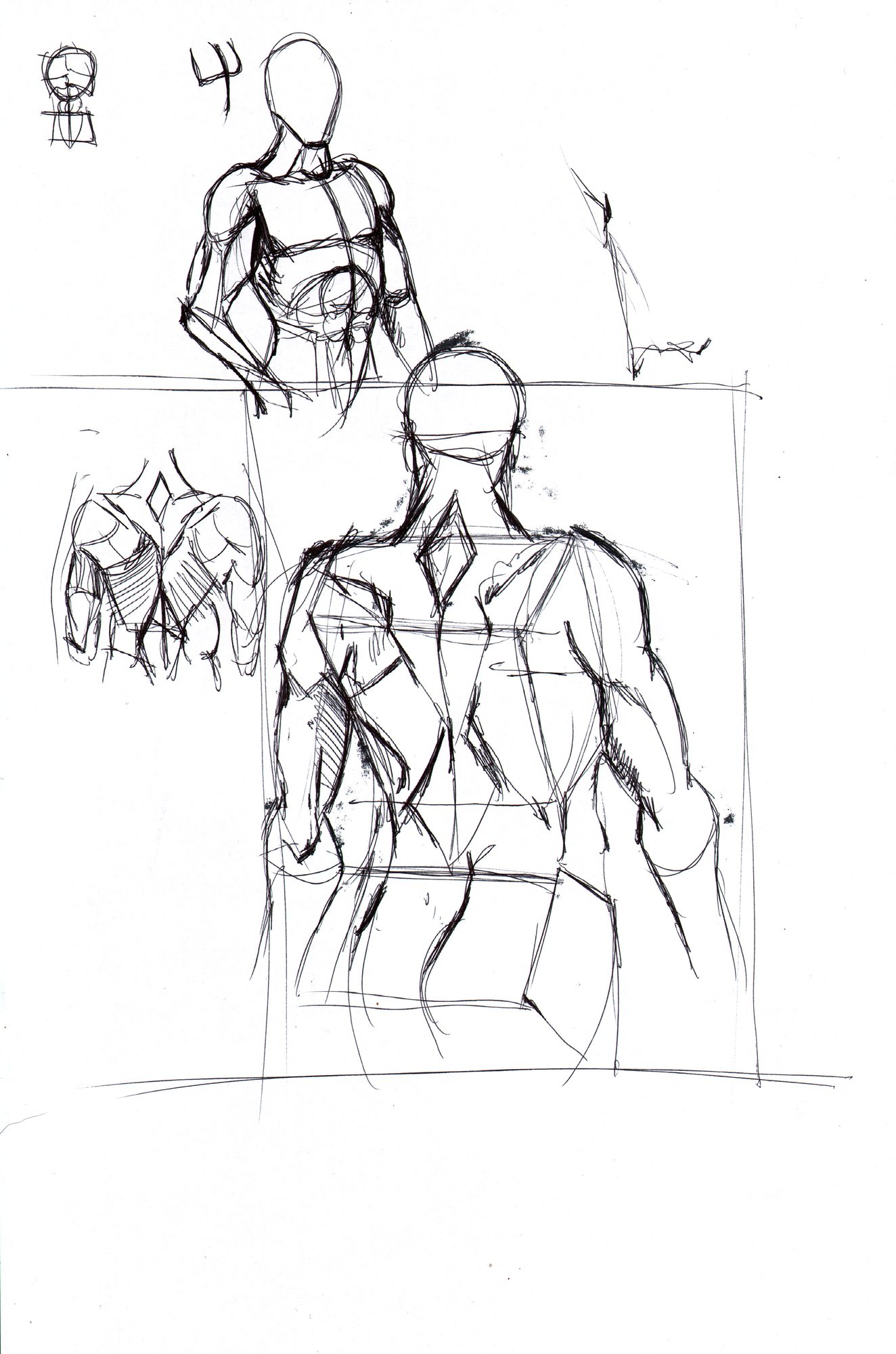
Life drawing — full action study
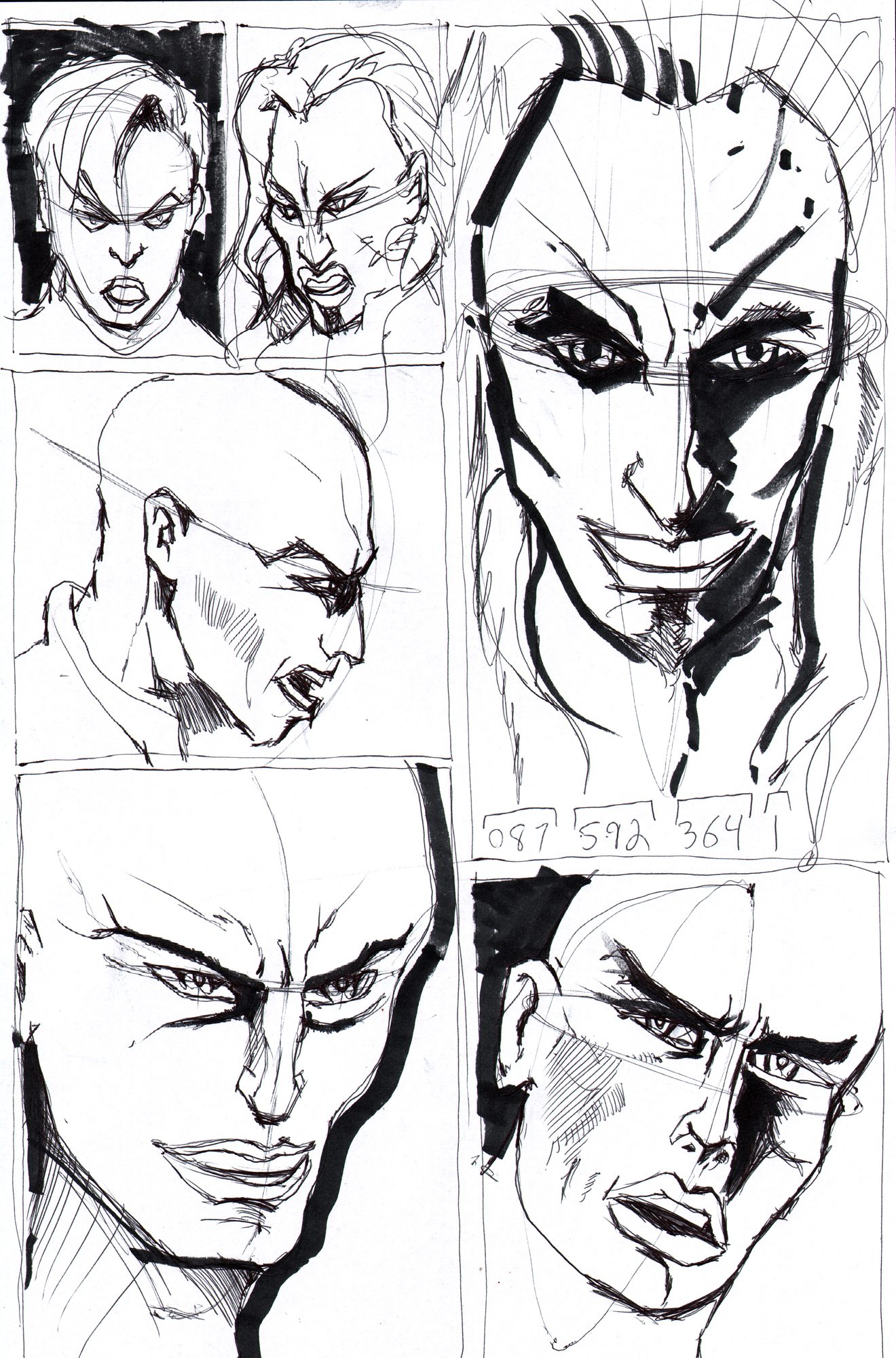
Life drawing large — dynamic action
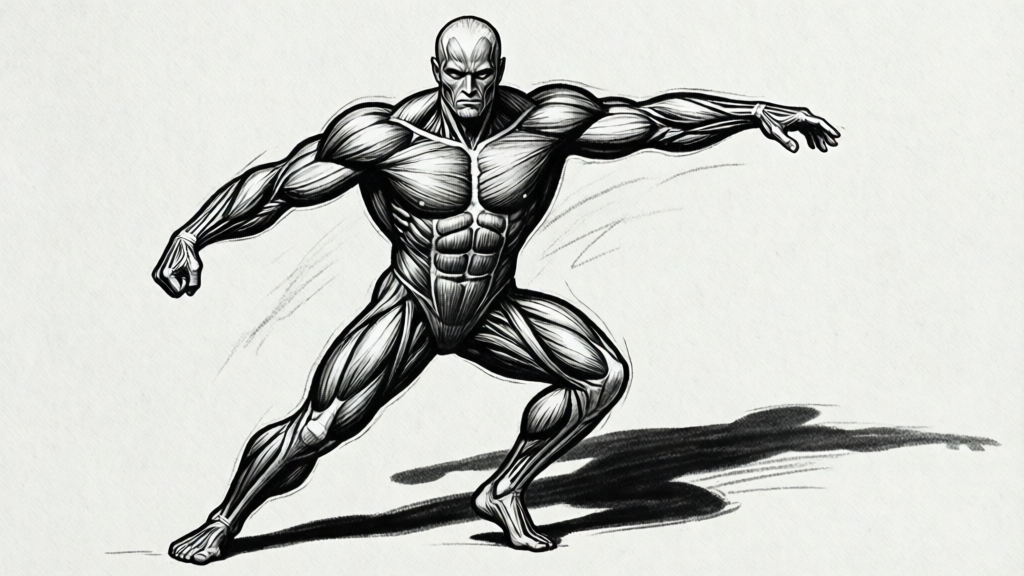
Dynamic action figure — ink
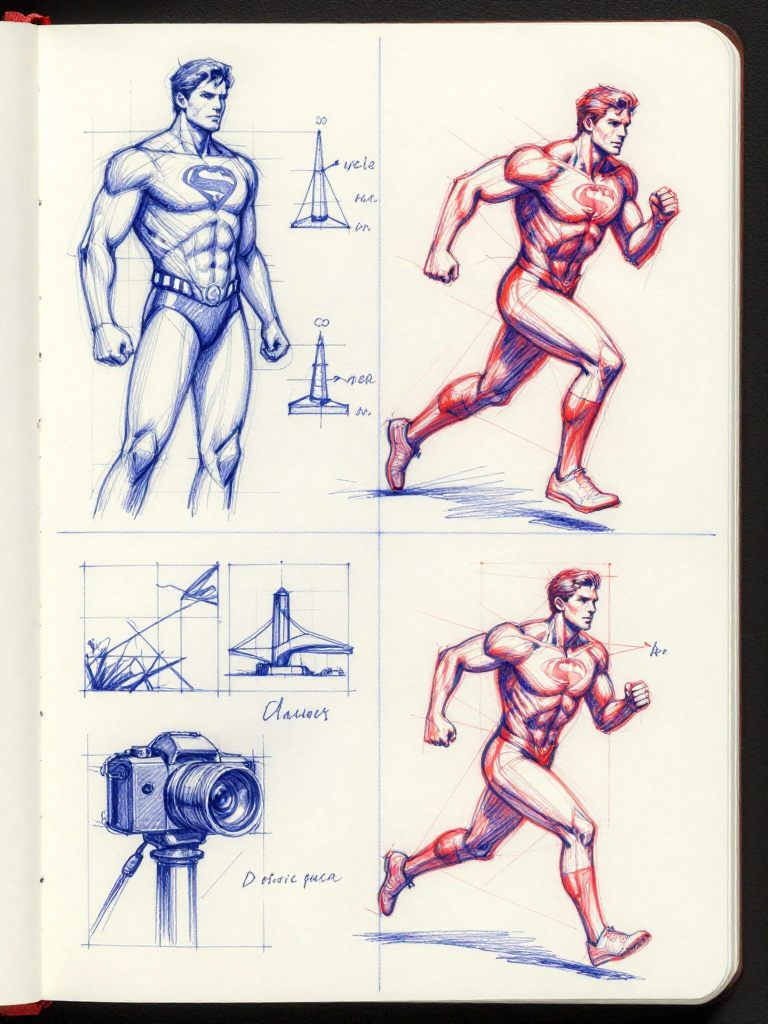
Figure sketches — notebook running
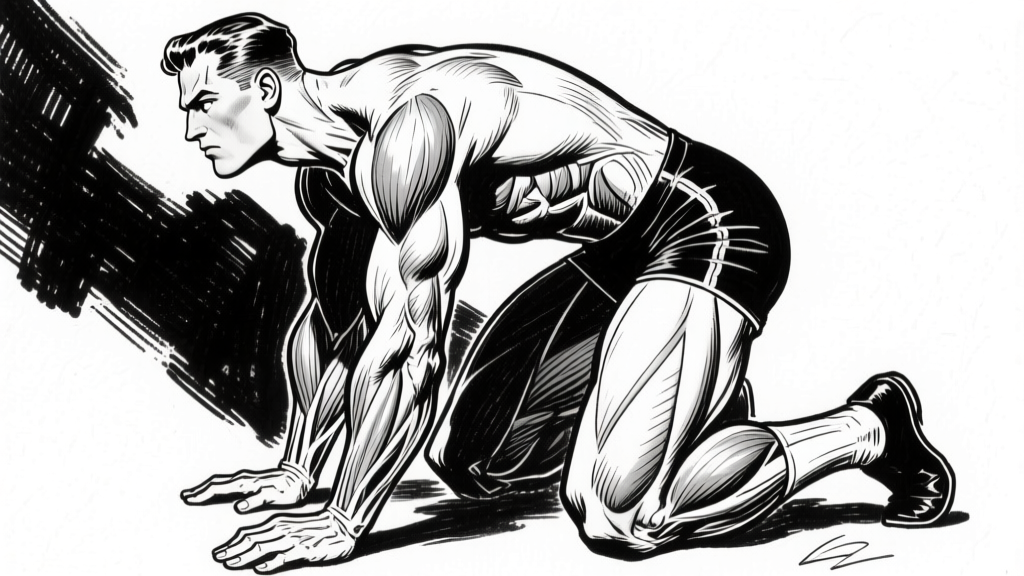
Figure crouching — starting position
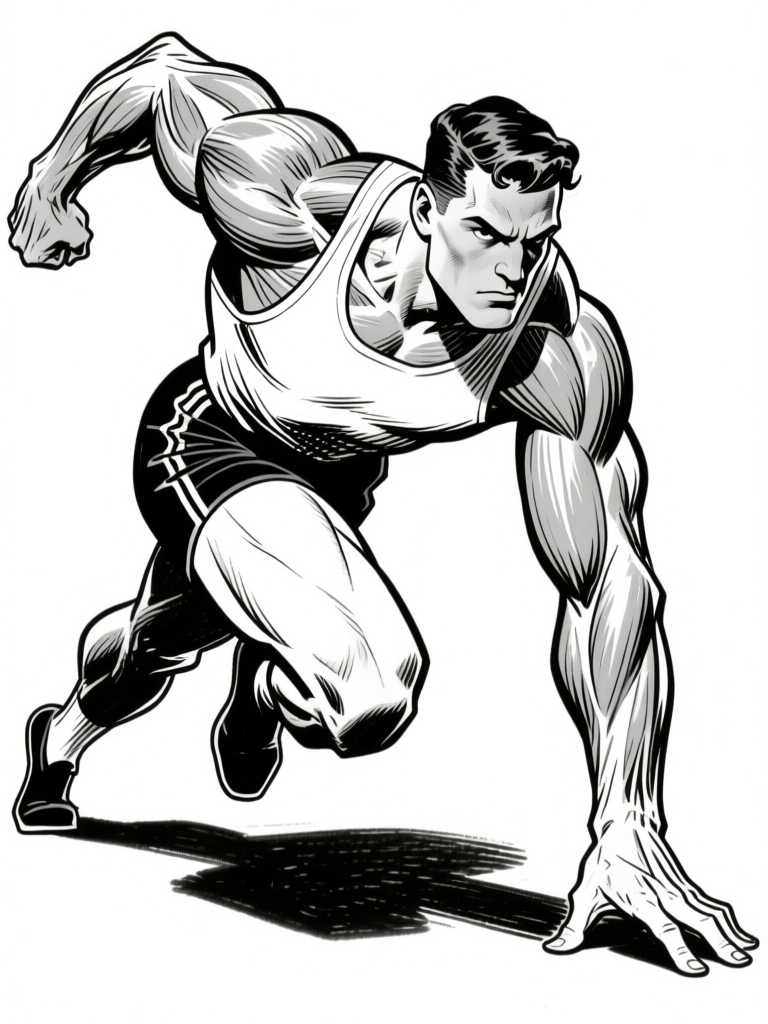
Figure running — dynamic ink
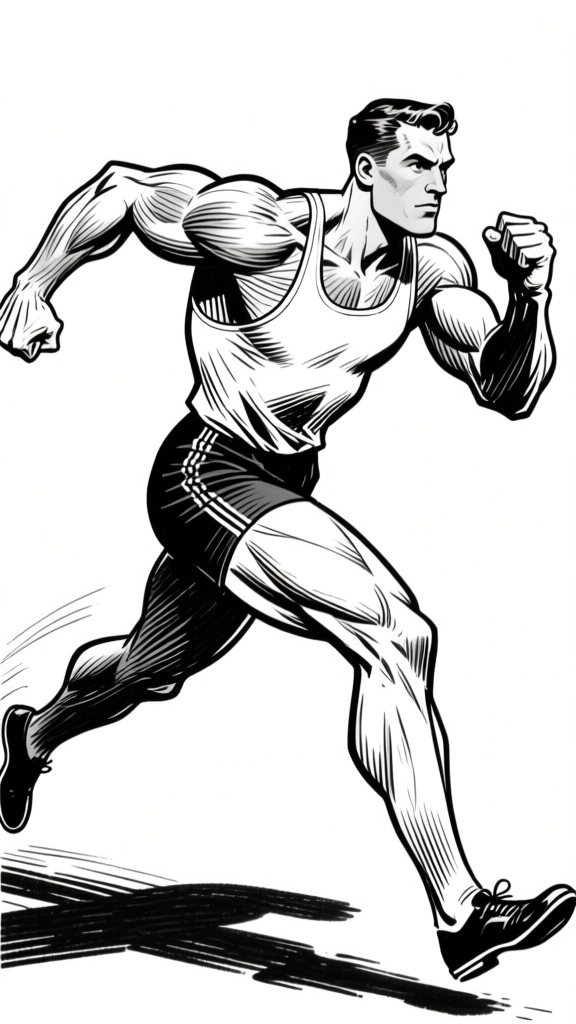
Figure running — ink action
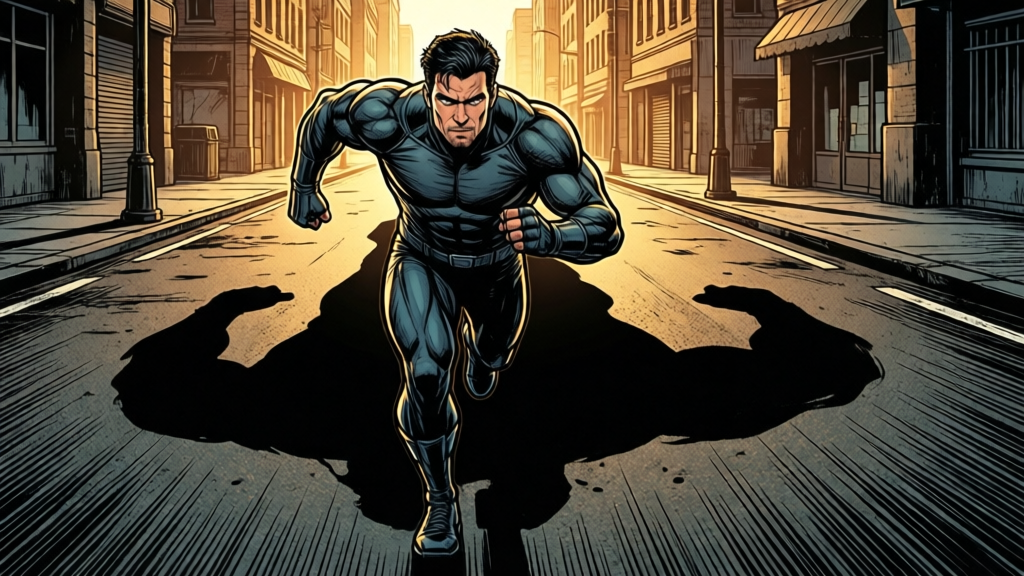
Hero running — in city
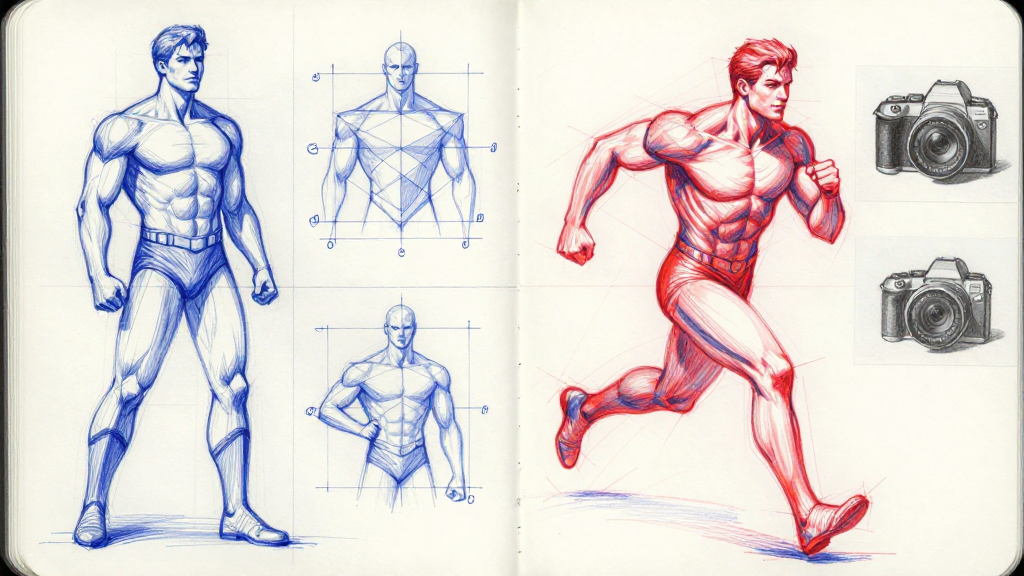
Figure sketches — notebook action
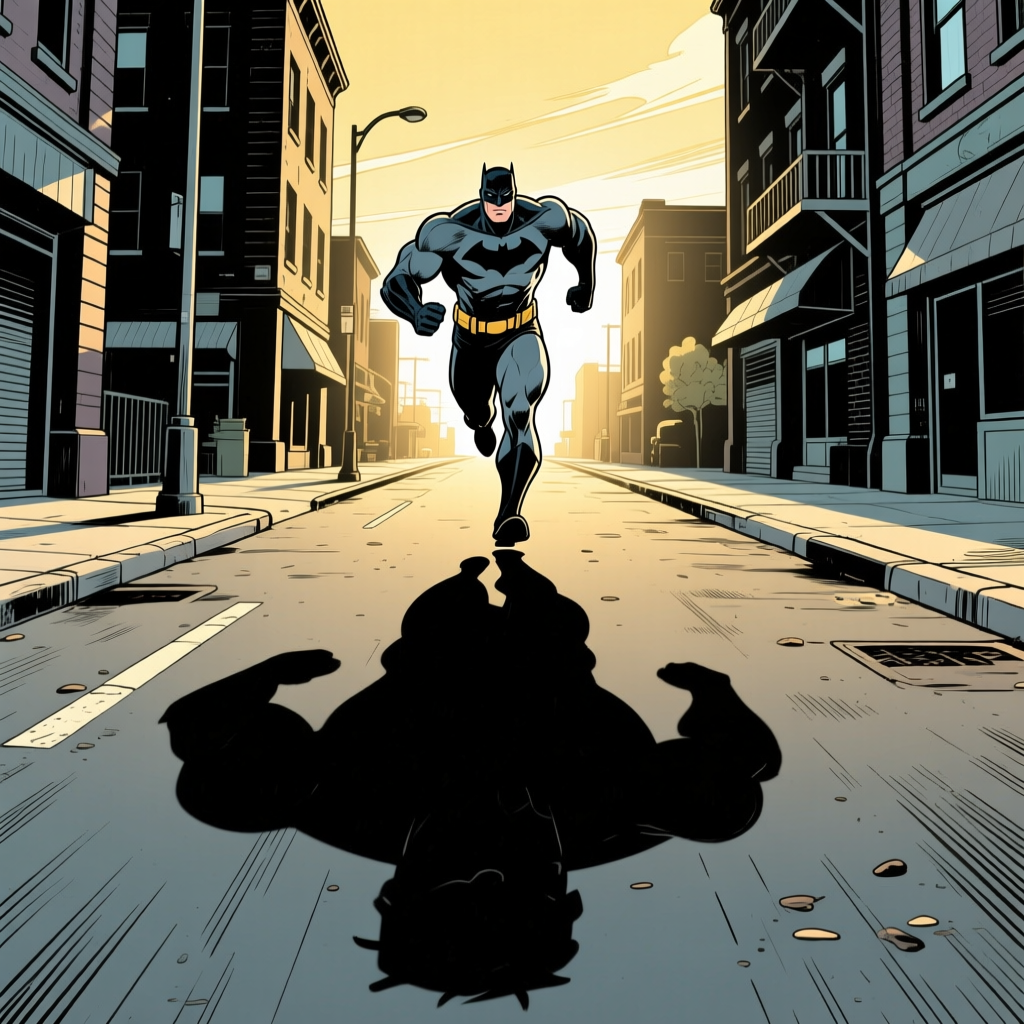
Hero running — city street
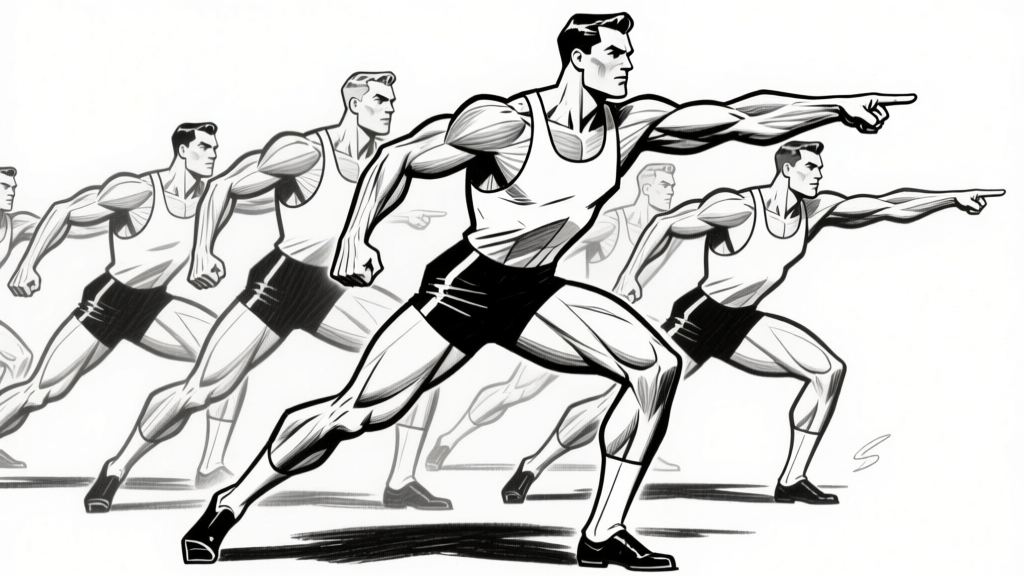
Multiple figures running — relay
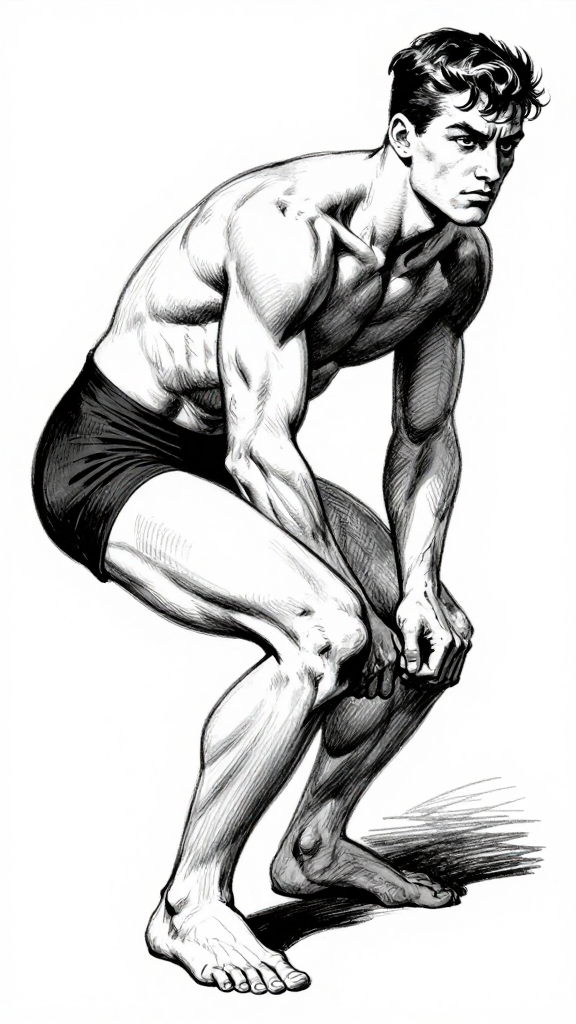
Figure crouching — action stance
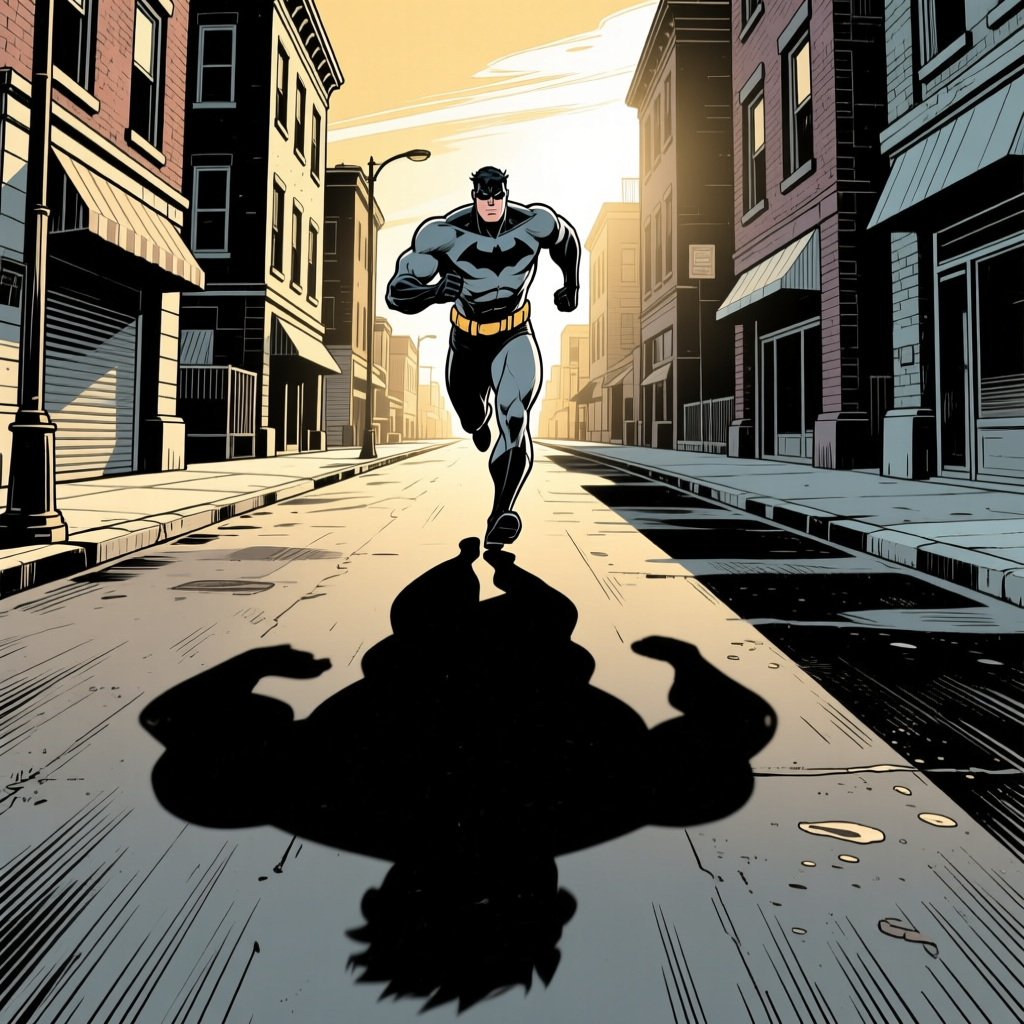
Hero running — city street
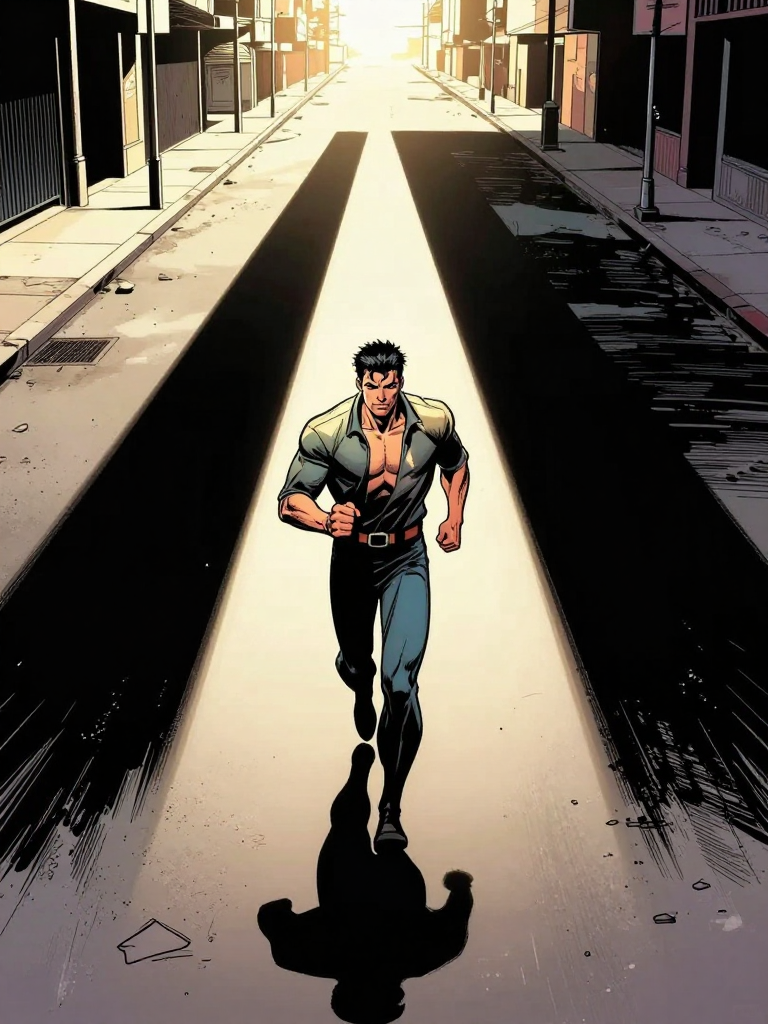
Hero running — city street
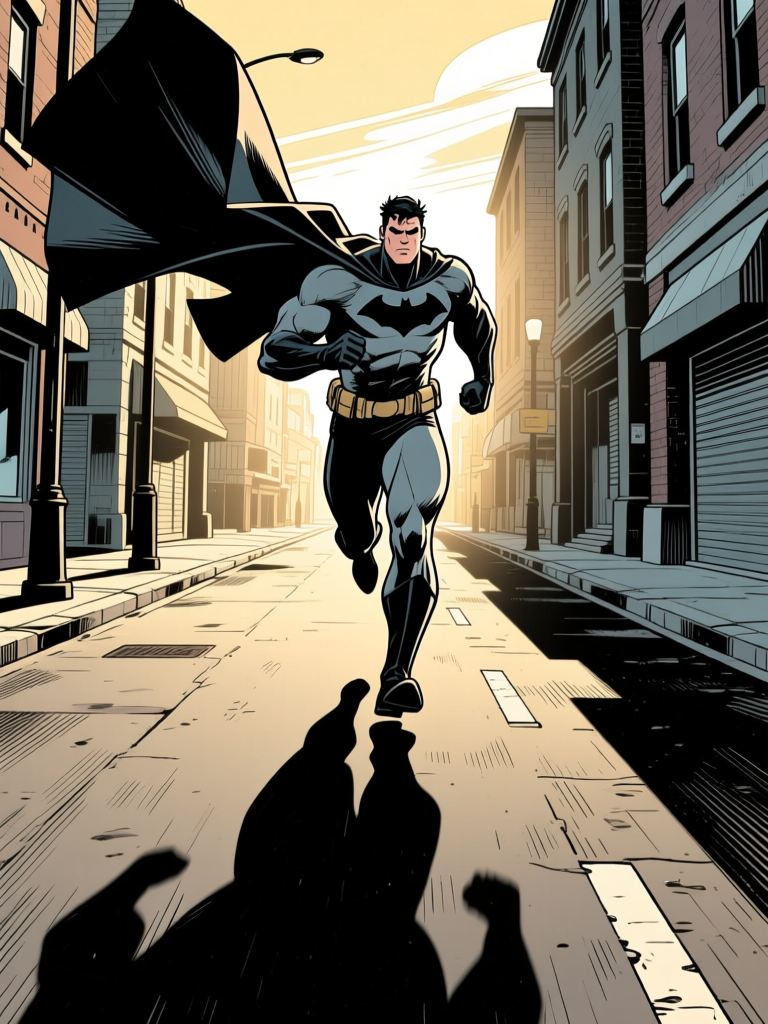
Hero running — city street
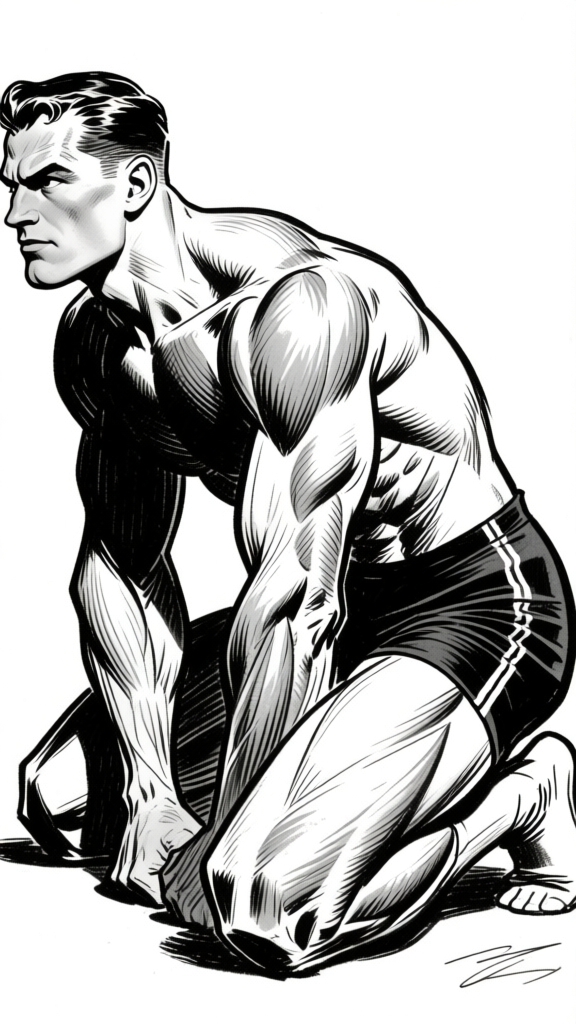
Figure crouching — kneeling
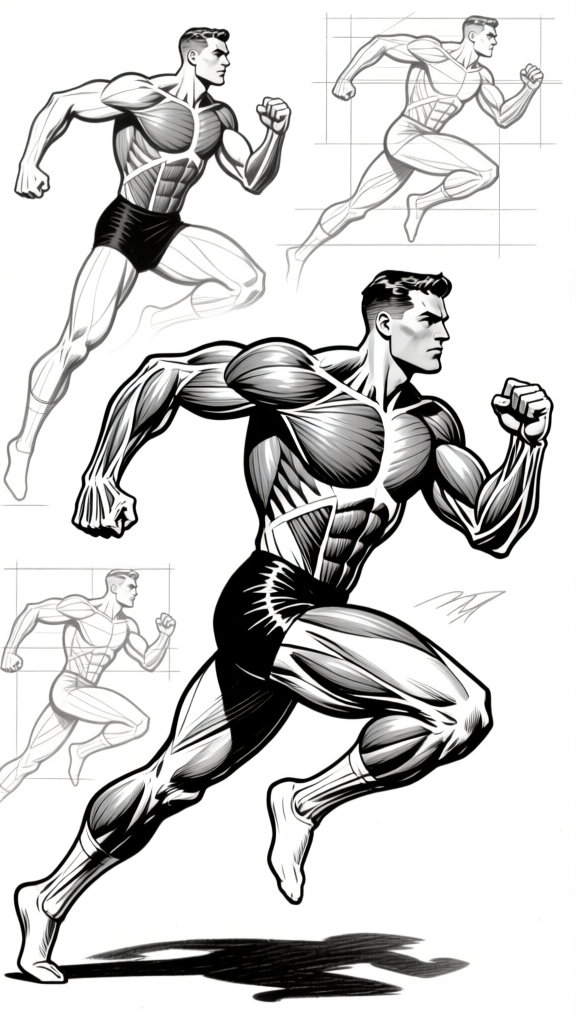
Multiple figures running — ink
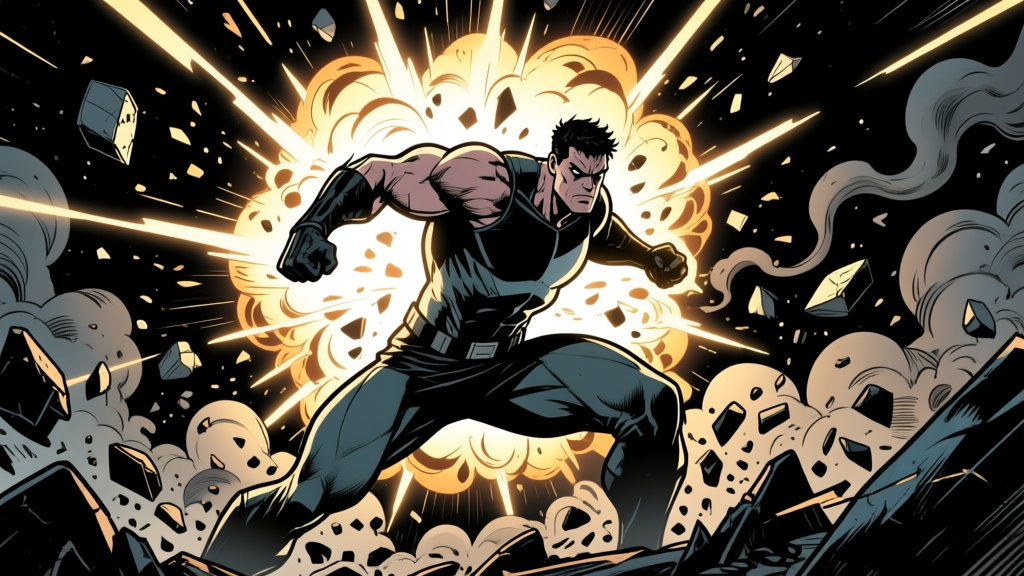
Action figure — explosion fight
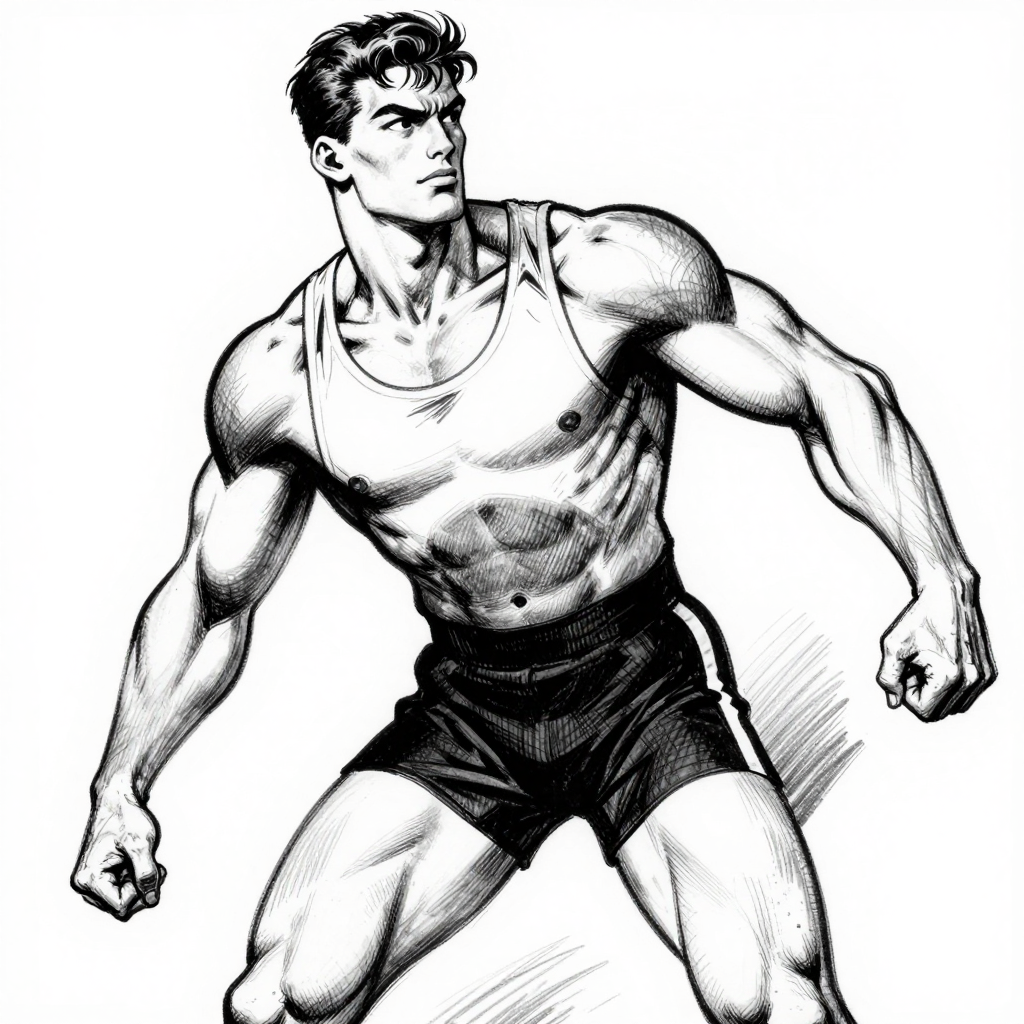
Figure action stance — ink
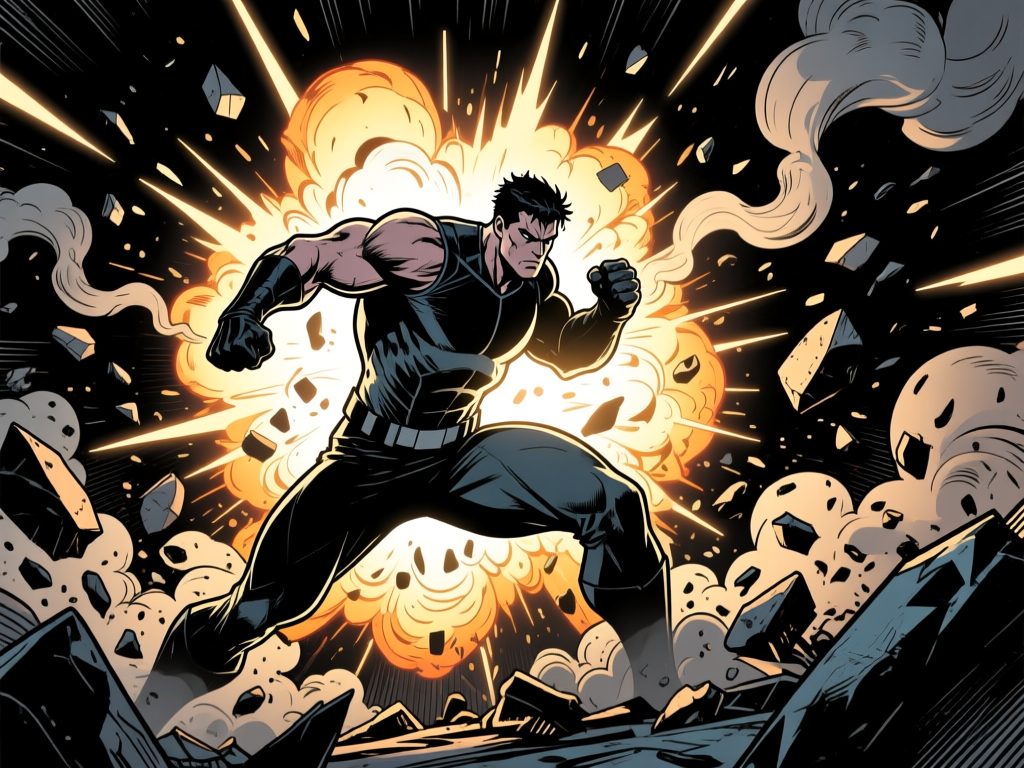
Action figure — explosion colored
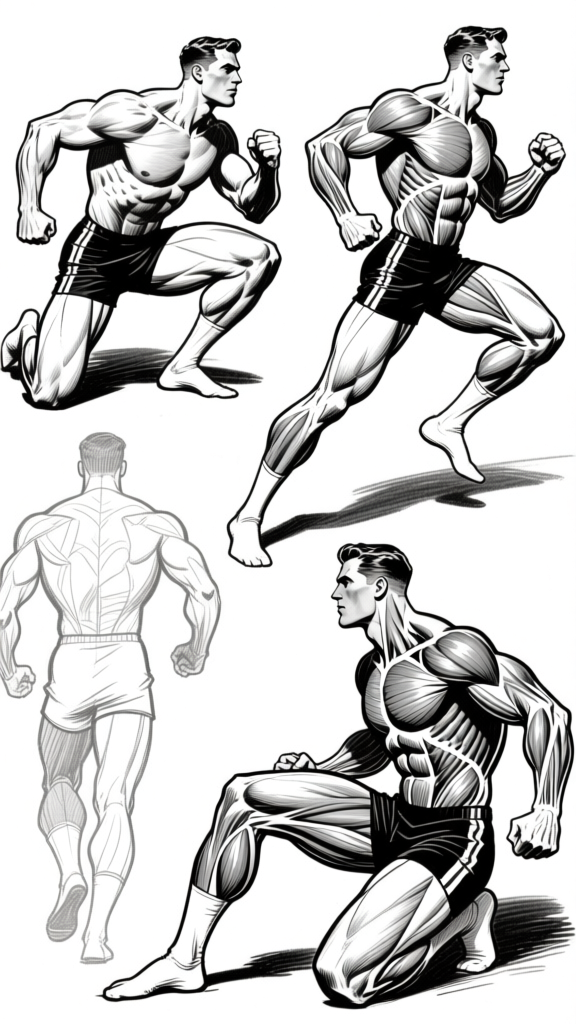
Running and crouching figures
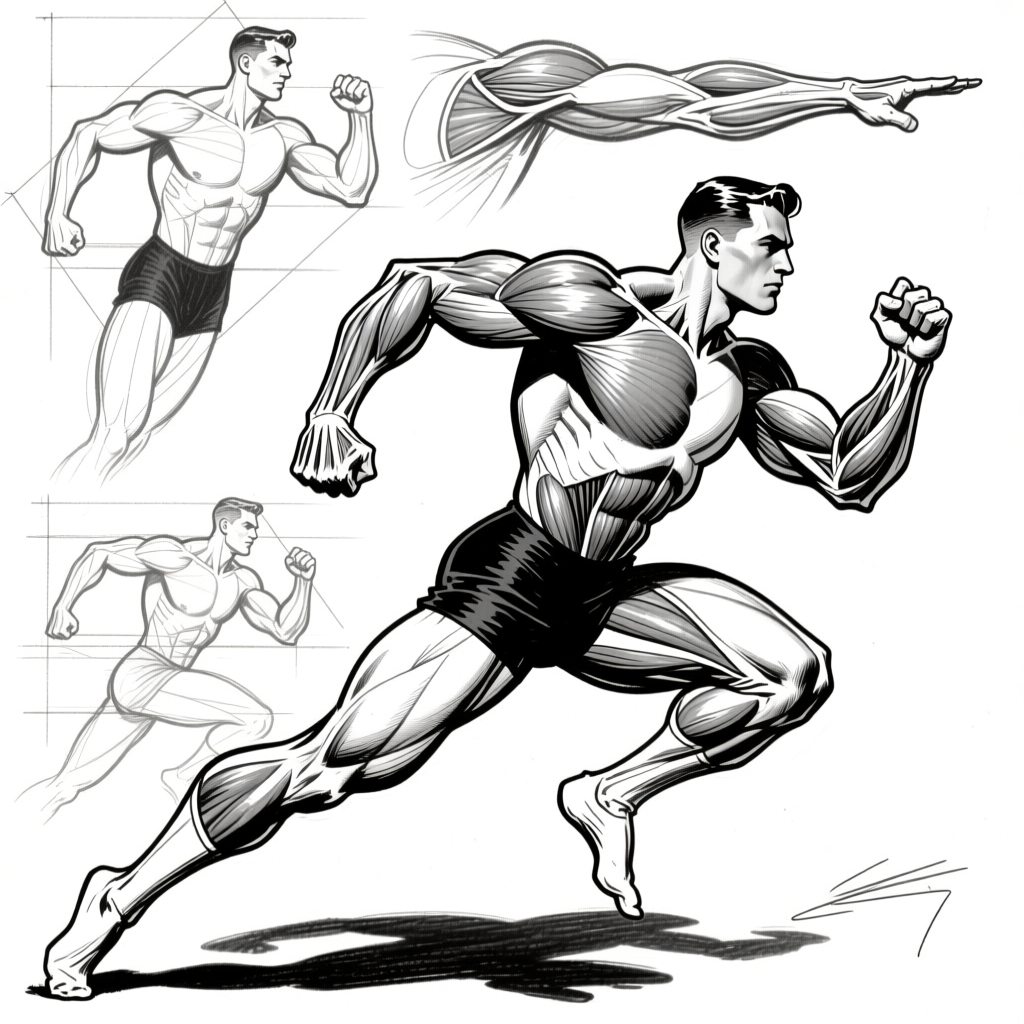
Running figure studies — ink
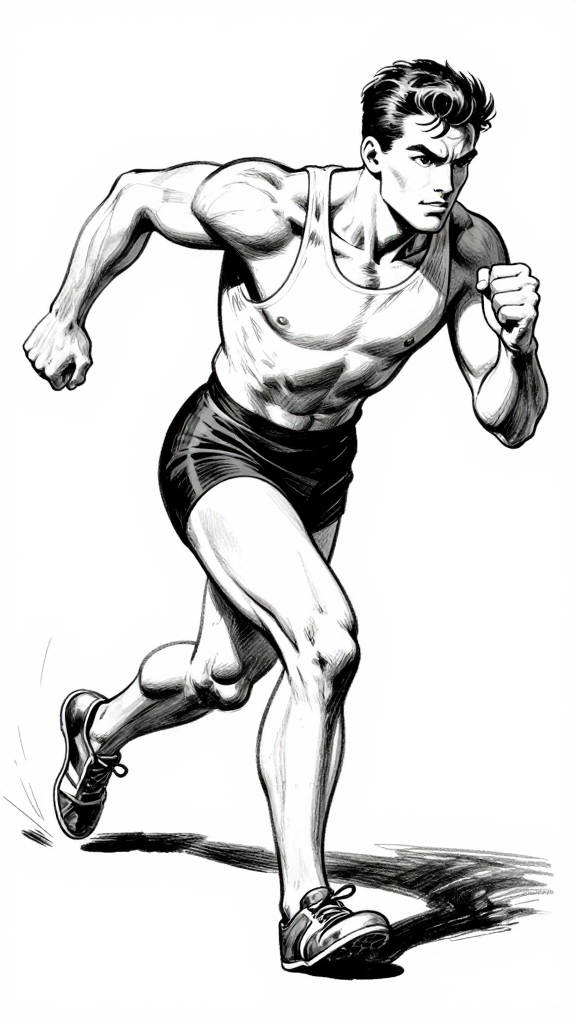
Figure running — ink action
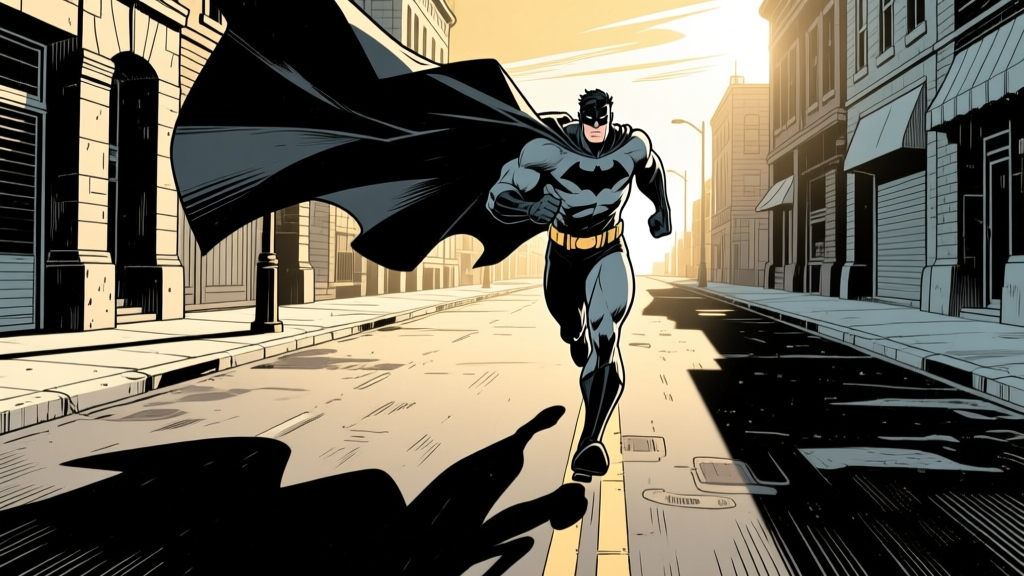
Hero running — city street
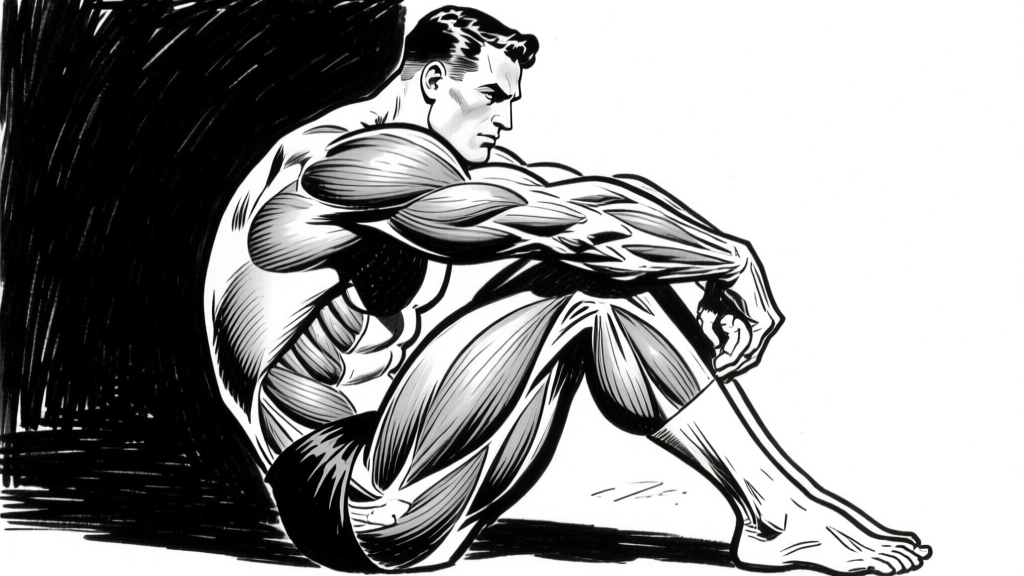
Figure sitting — action lean
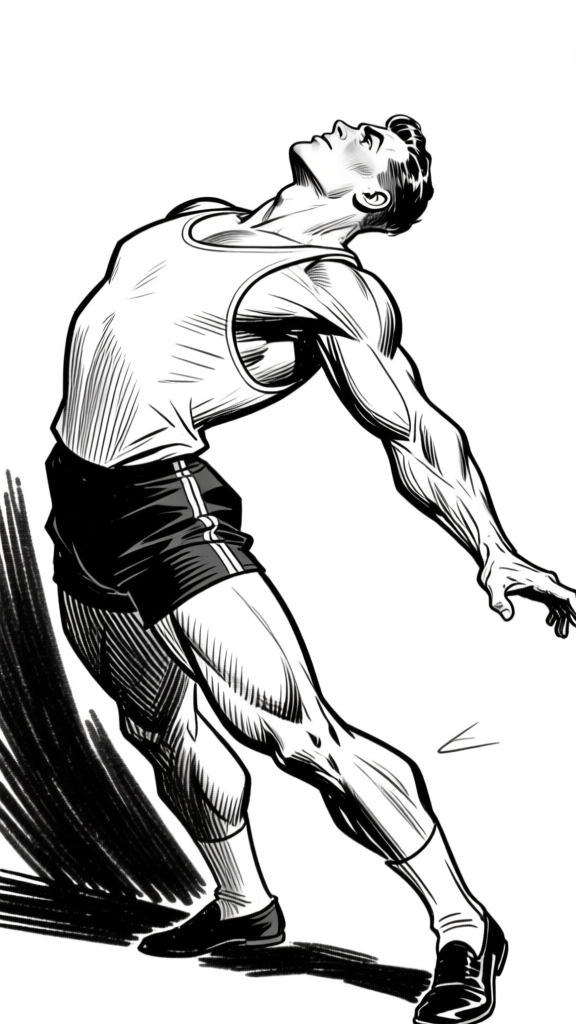
Figure dynamic action — ink
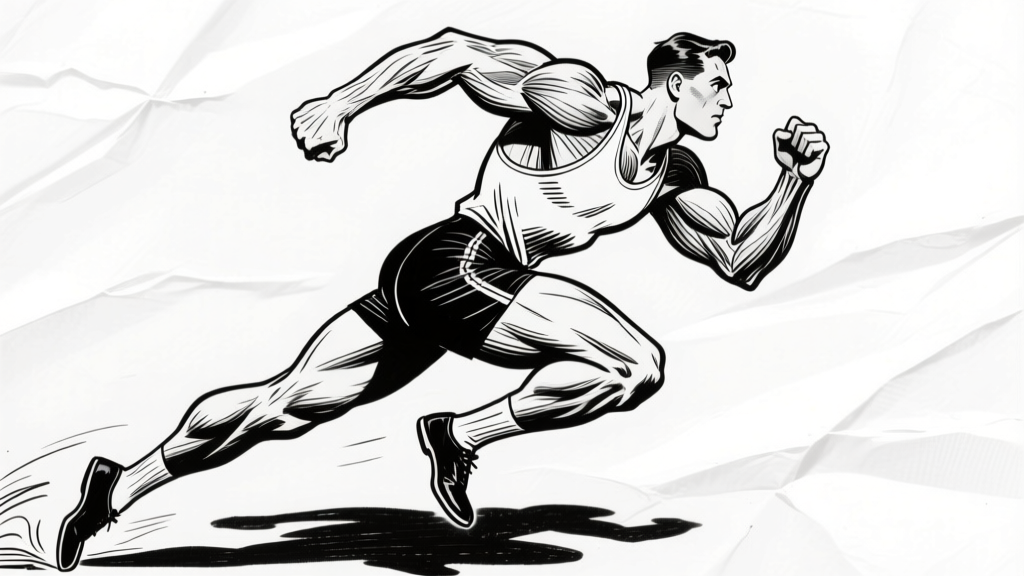
Figure running — speed lines
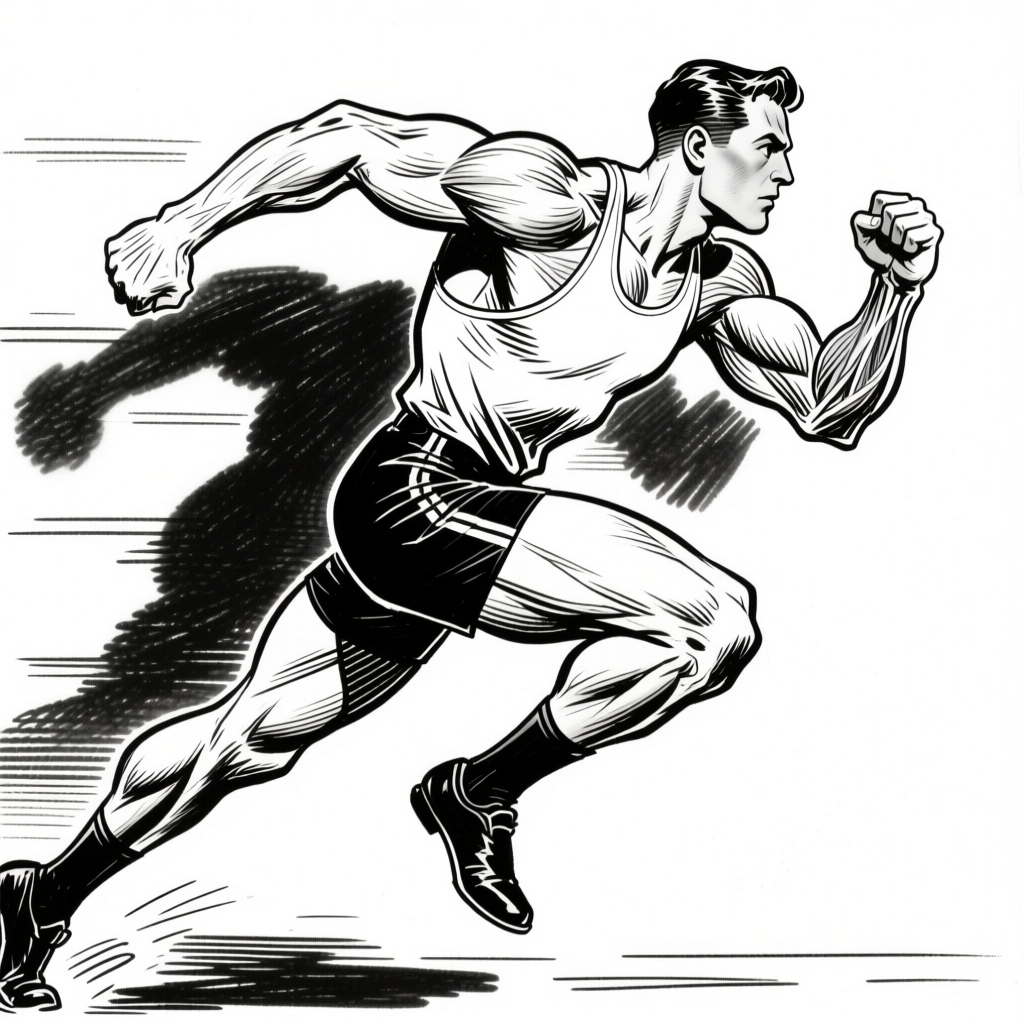
Figure running — speed lines
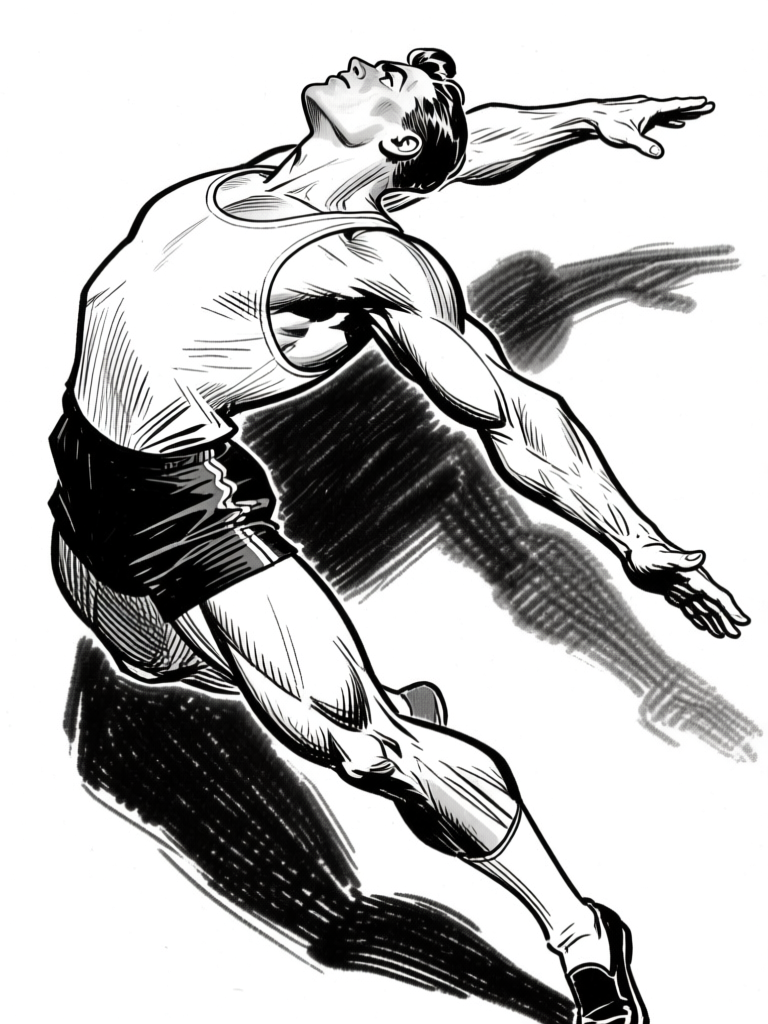
Figure dynamic action — ink
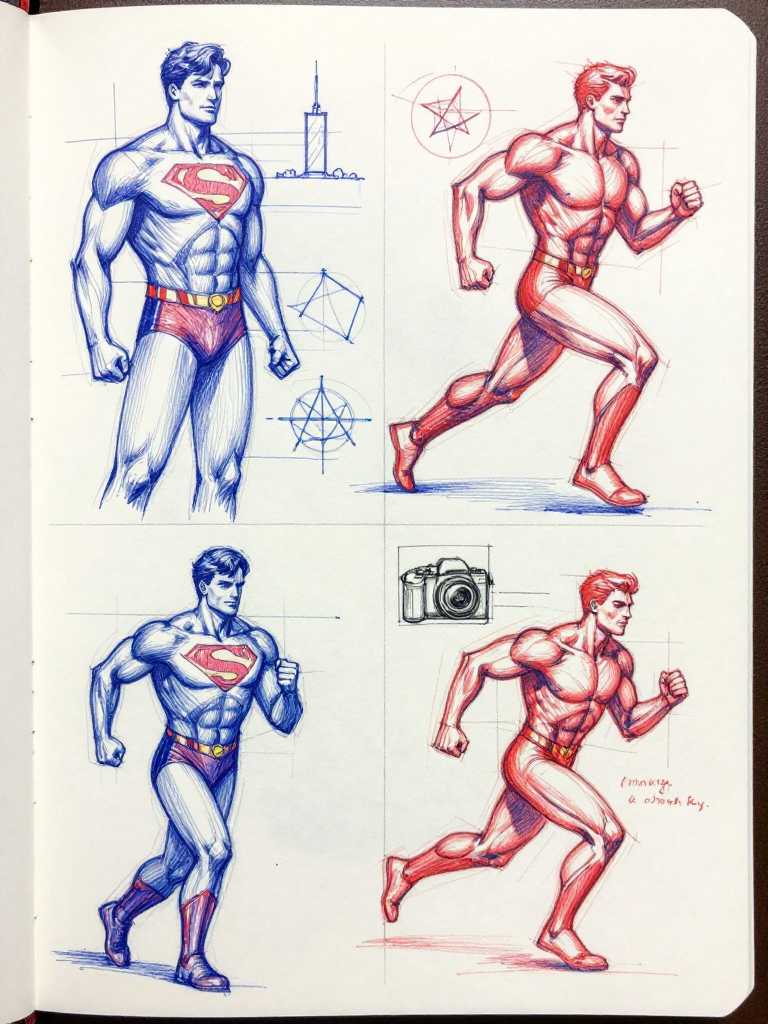
Figure sketches — notebook colored
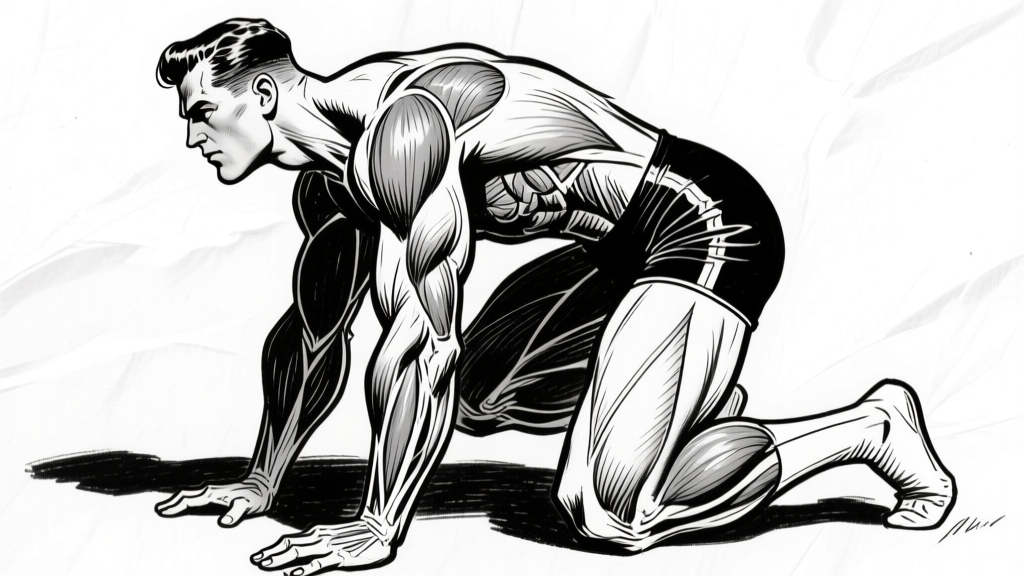
Figure crouching start position
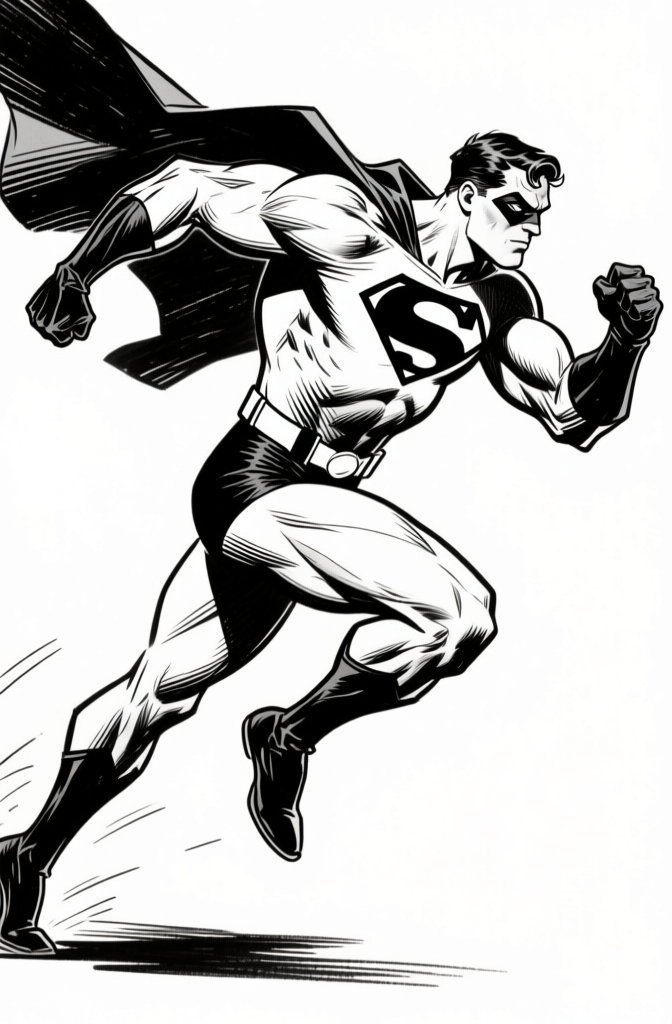
Hero running — action ink
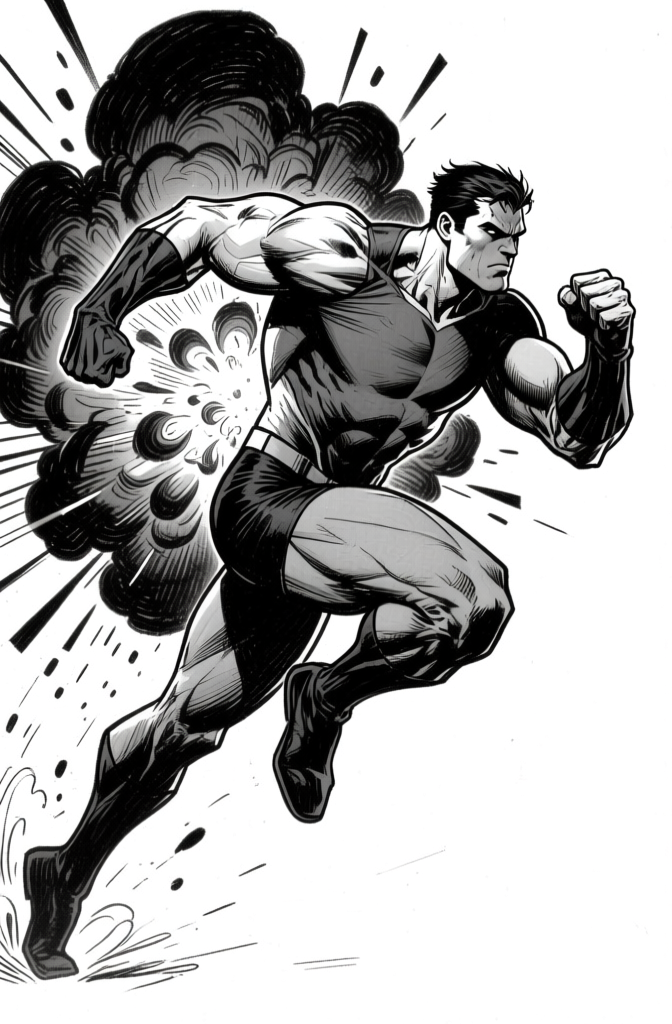
Hero action — explosion ink
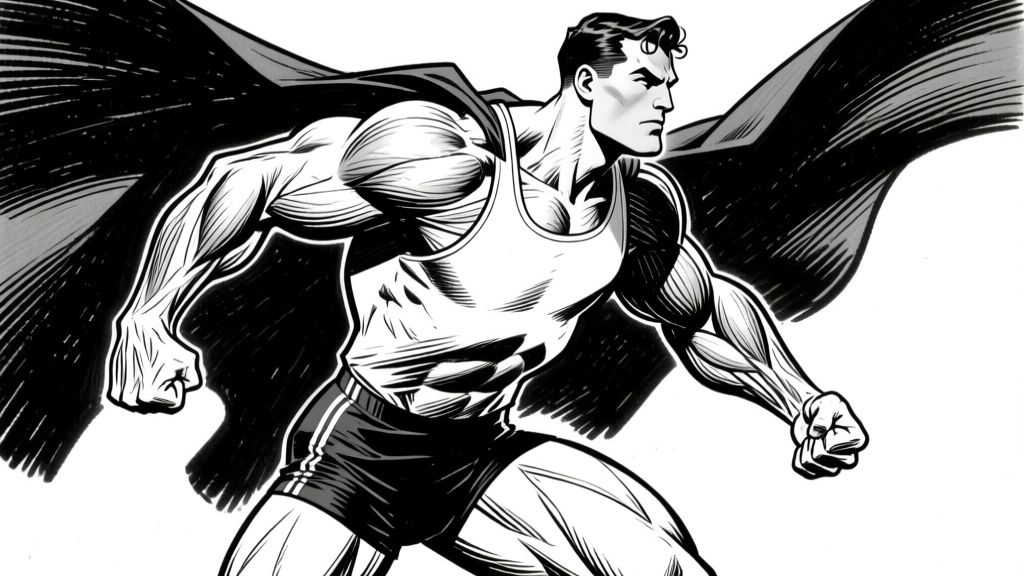
Hero action — flying ink
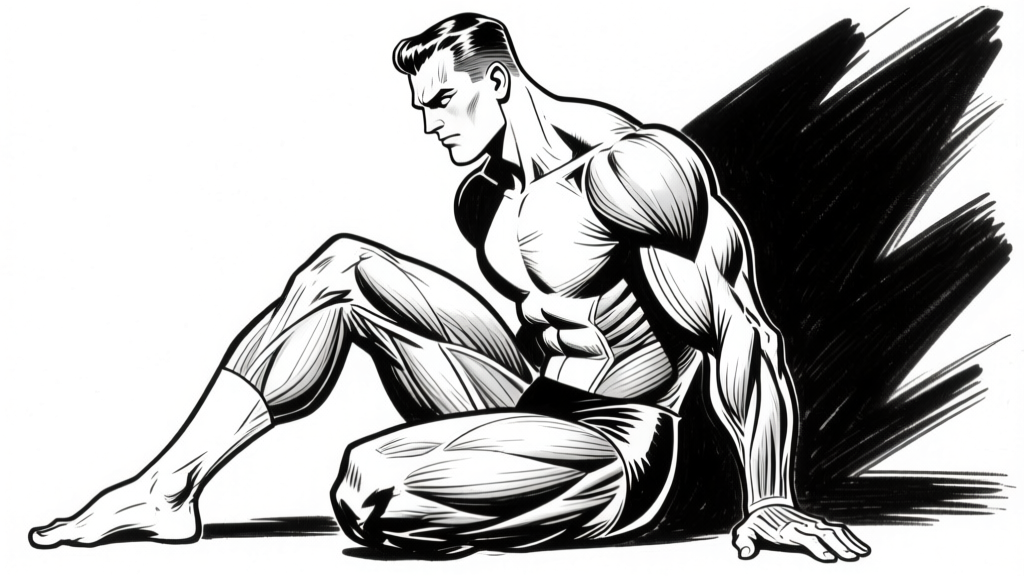
Figure sitting lean — action
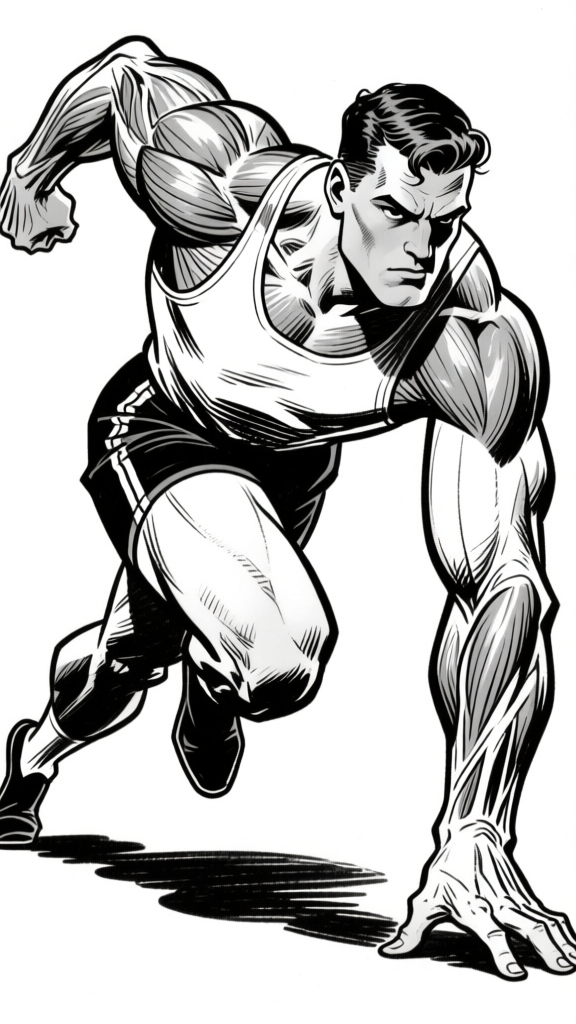
Figure running — ink
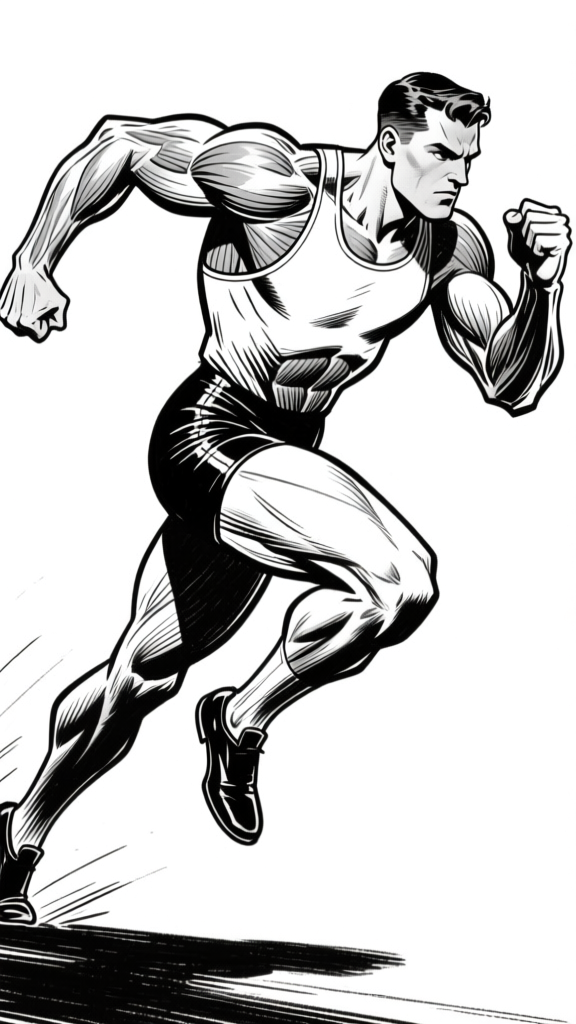
Figure running — action ink
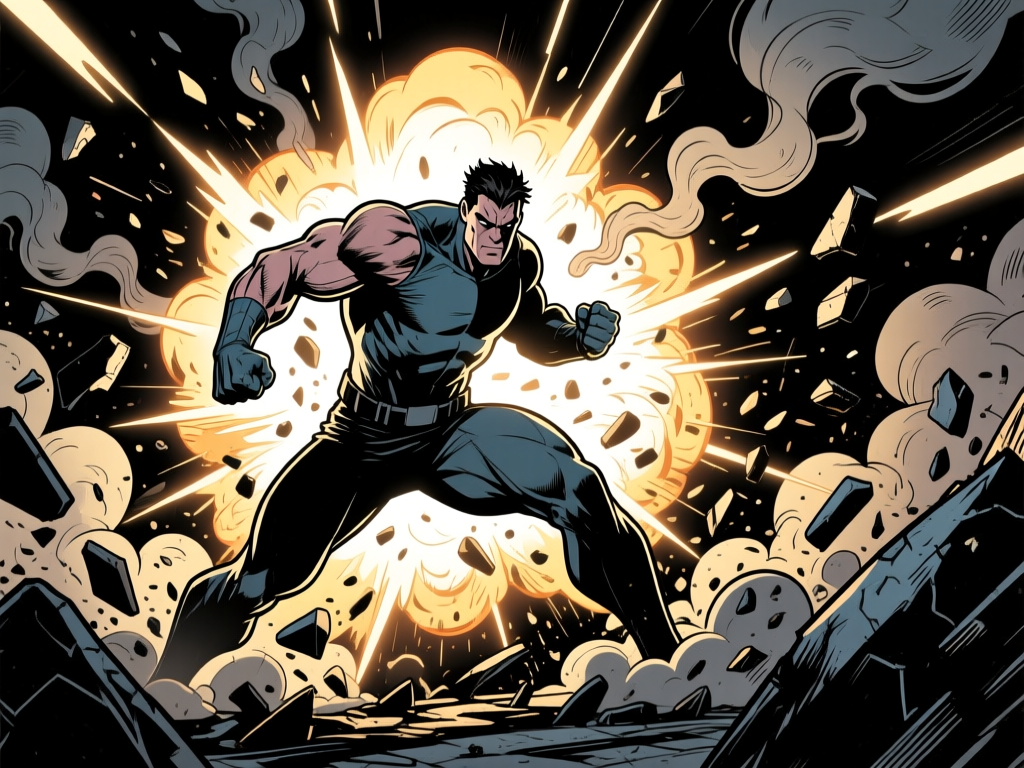
Hero action — explosion colored
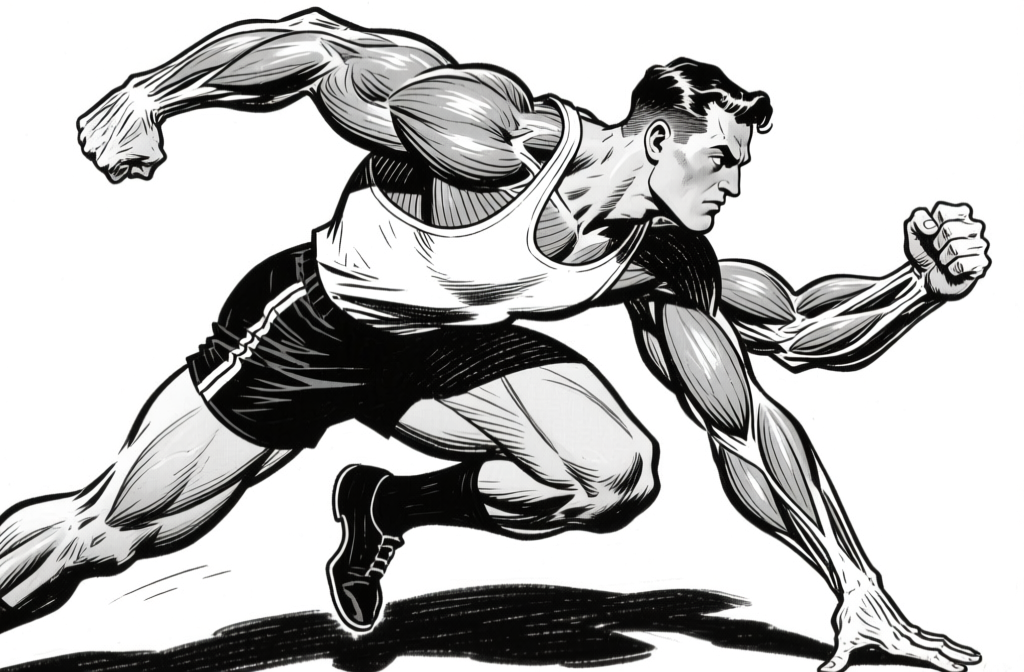
Figure running — ink action
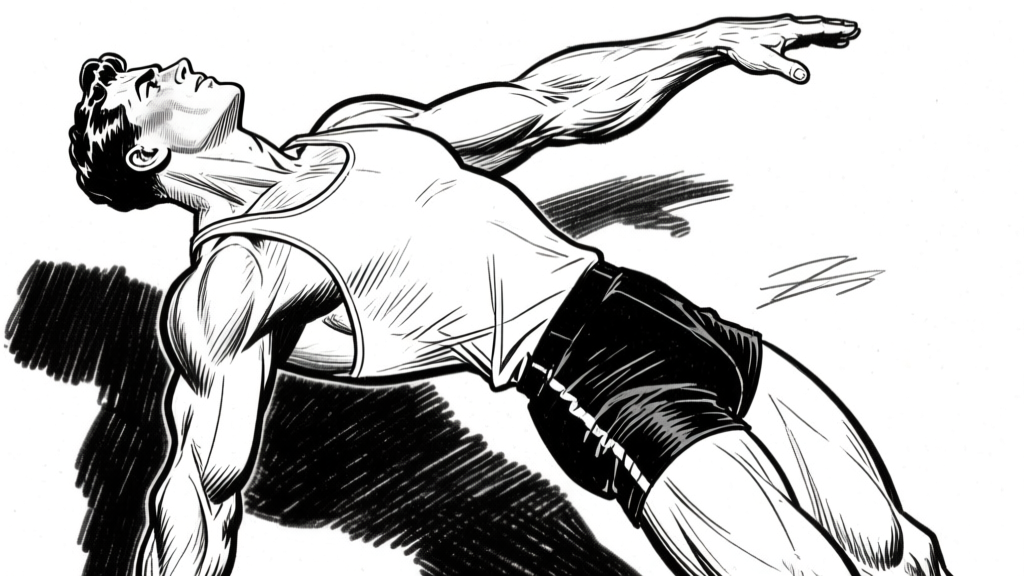
Figure leaping — dynamic action
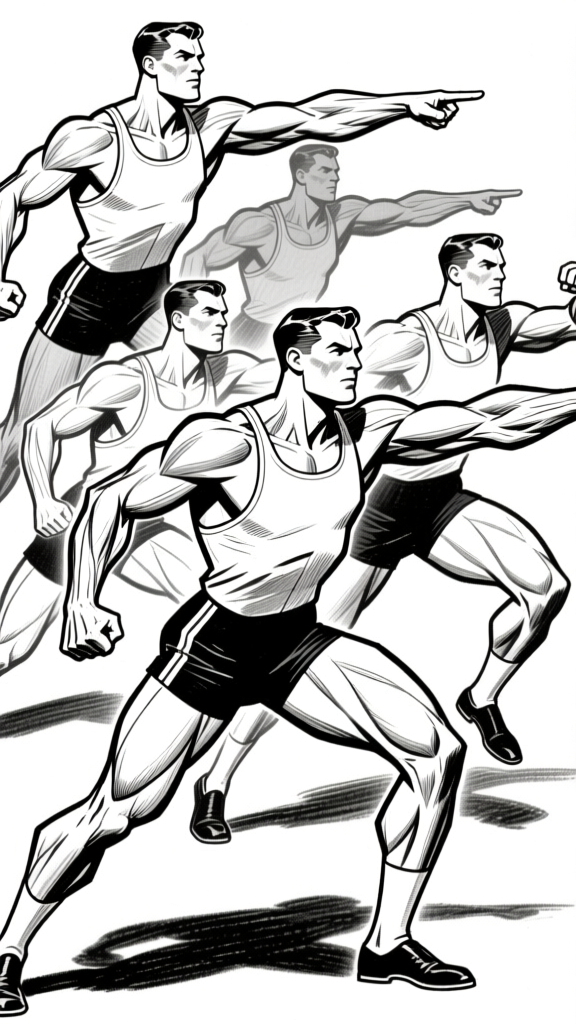
Multiple figures running — group
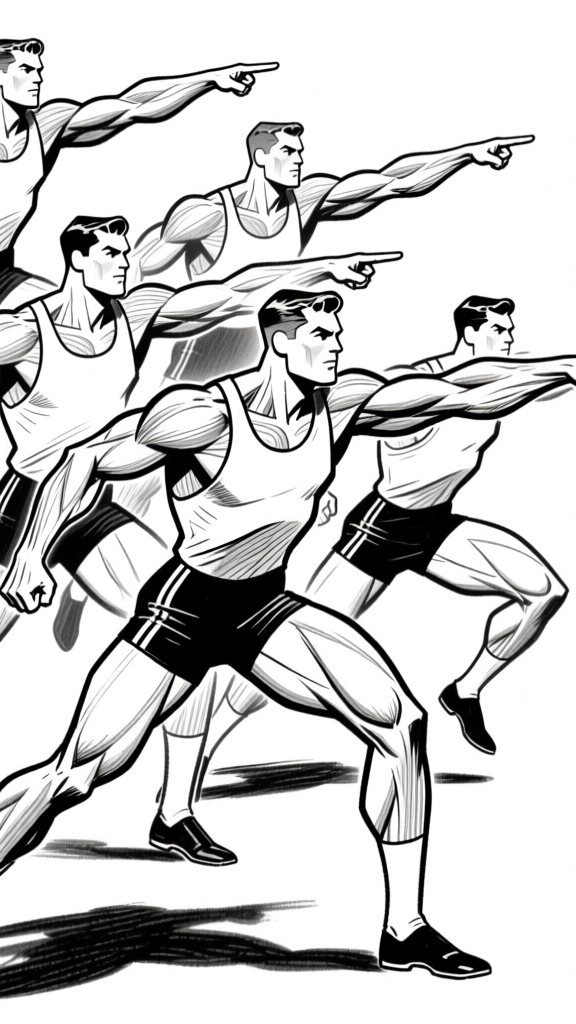
Multiple figures running — relay
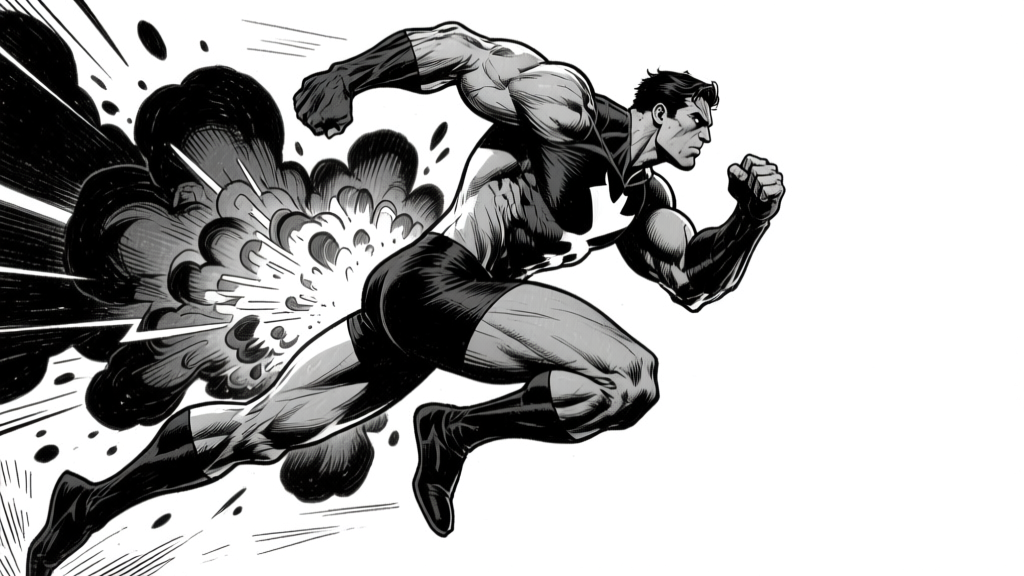
Hero action — explosion ink