KEY CONCEPTS
- Thick lines = shadow, foreground, strong structural edges
- Thin lines = light, background, subtle transitions
- Confident line = deep understanding of the underlying form
- Scratchy/searching lines = use only in the rough under-drawing stage
- One confident line is worth ten uncertain ones
- Changing drawing tools periodically breaks ruts and forces breakthroughs
Draw the bottom edges of forms with heavier pressure — they are in shadow where gravity pools darkness. Draw the top edges of forms with lighter pressure — they catch the light. This single habit, applied consistently throughout a drawing, creates a sense of light without a single shading mark. Line weight IS lighting in its most efficient form.
When you find yourself making many small scratchy lines to approximate one confident line — stop. Step back. Plan the line in your mind. Then make it in one decisive, fluid movement. One confident line is worth ten uncertain ones. The scratchy approach reveals uncertainty about form; the single confident line reveals mastery of it.
TRY THIS — 10 MINUTESDraw the same arm twice side by side. First arm: use only one consistent line weight throughout — no variation. Second arm: use heavy lines on all shadow edges (bottom of forms) and thin lines on all lit edges (top of forms). Compare the two. The second will read as convincingly three-dimensional with almost no shading added at all. That is the power of line weight.
REFERENCE GALLERY
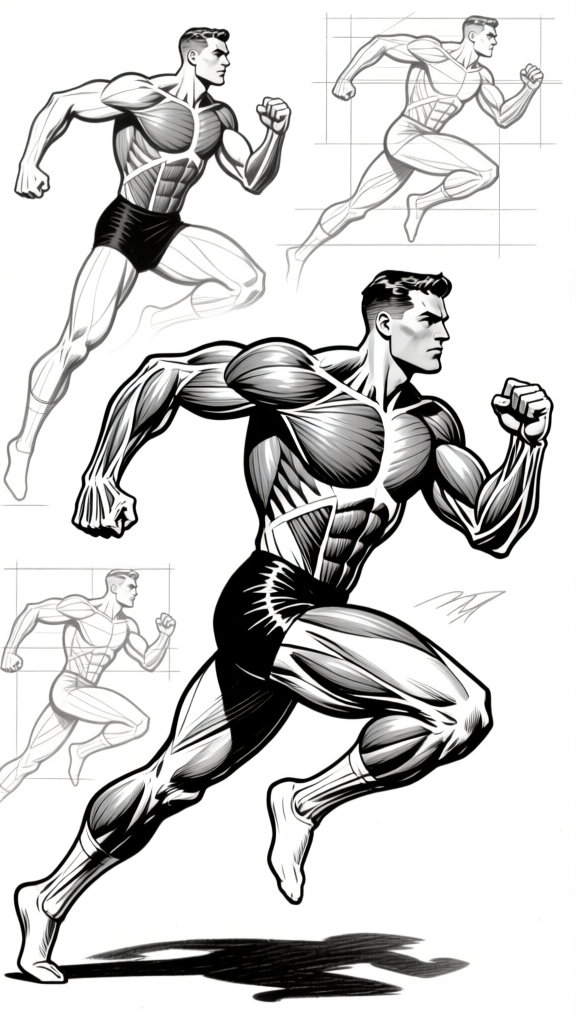
Running figure — clean confident line work
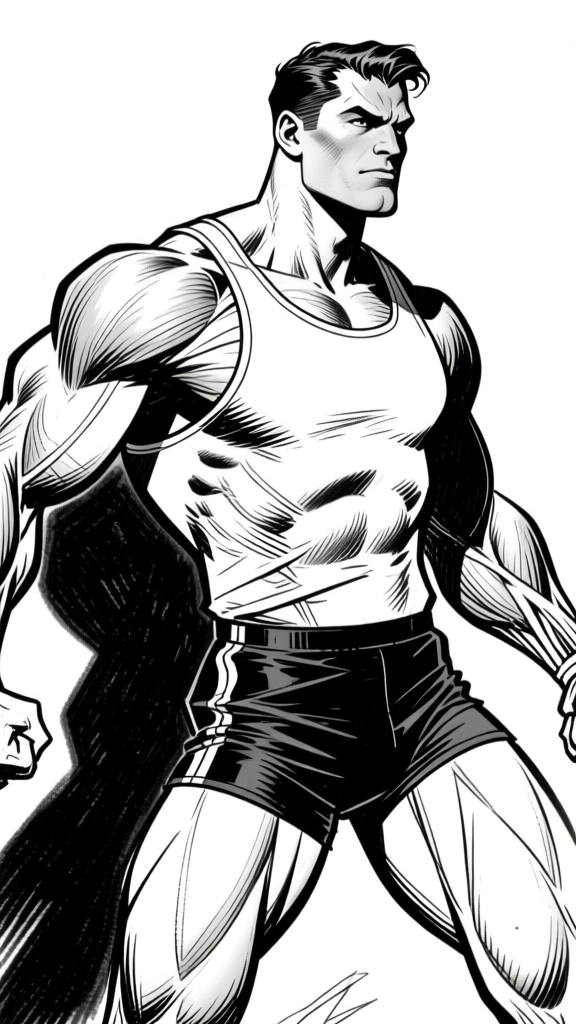
Standing figure — line weight contrast
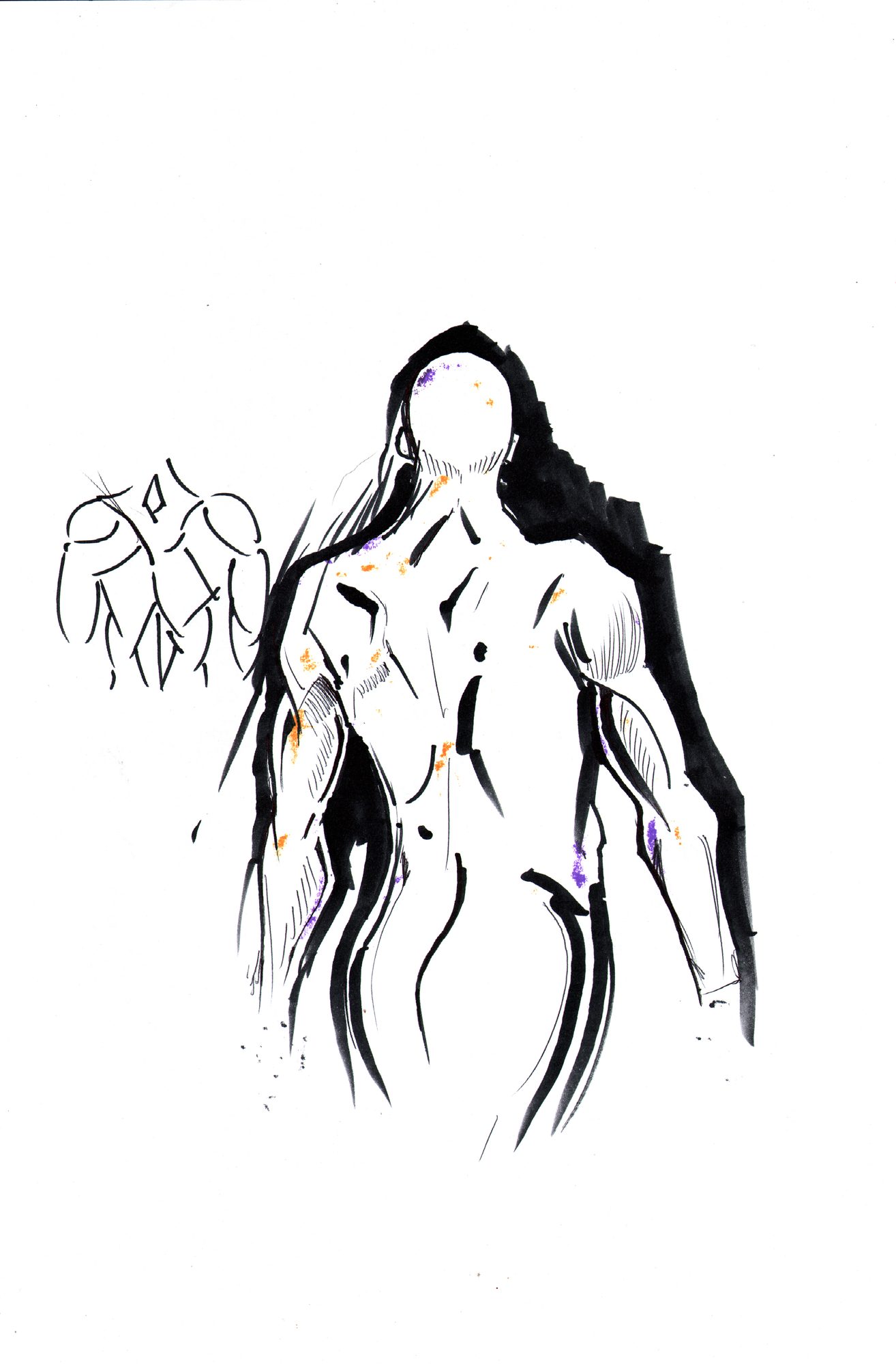
Life drawing — line quality reference
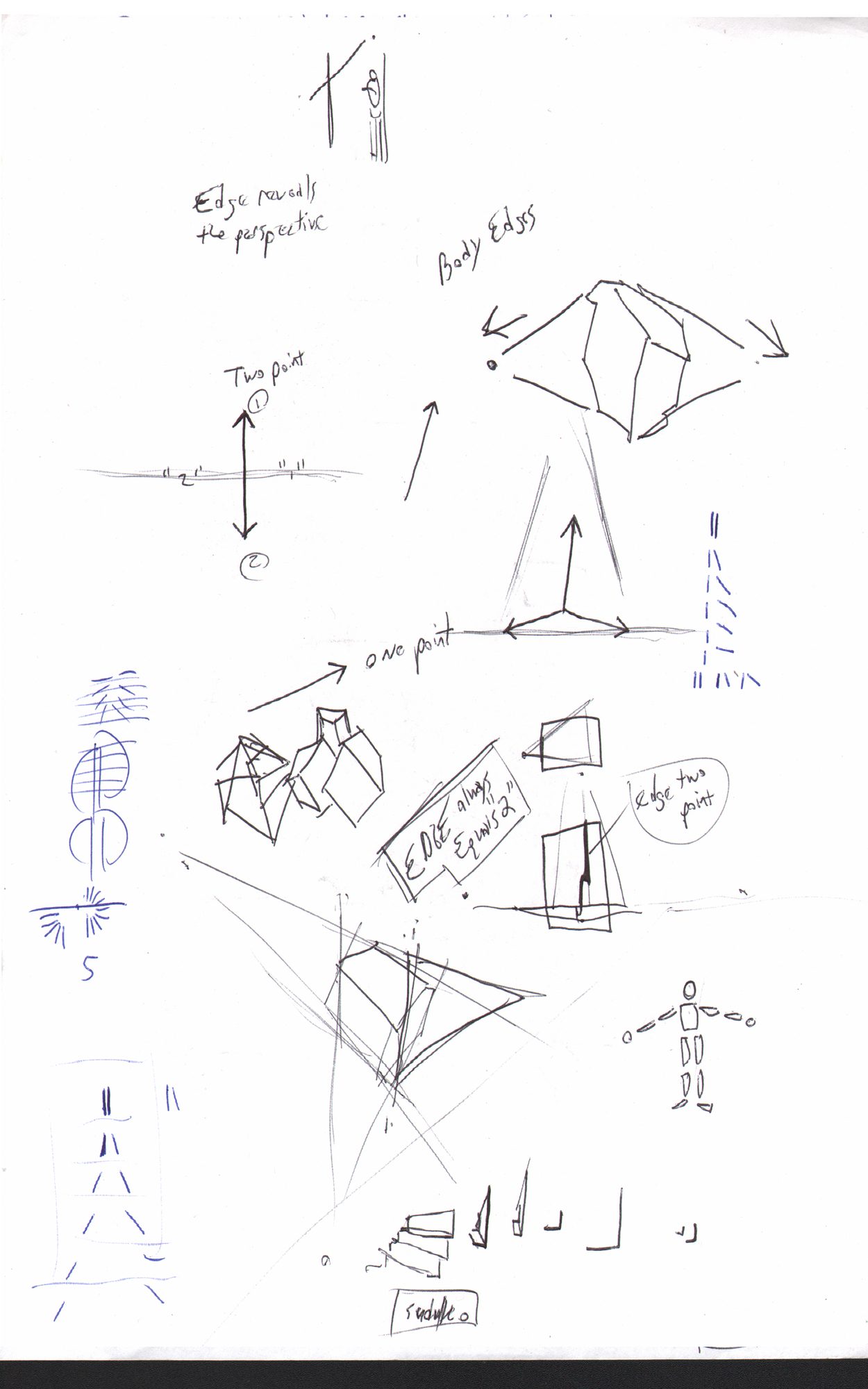
Life drawing — expressive line quality
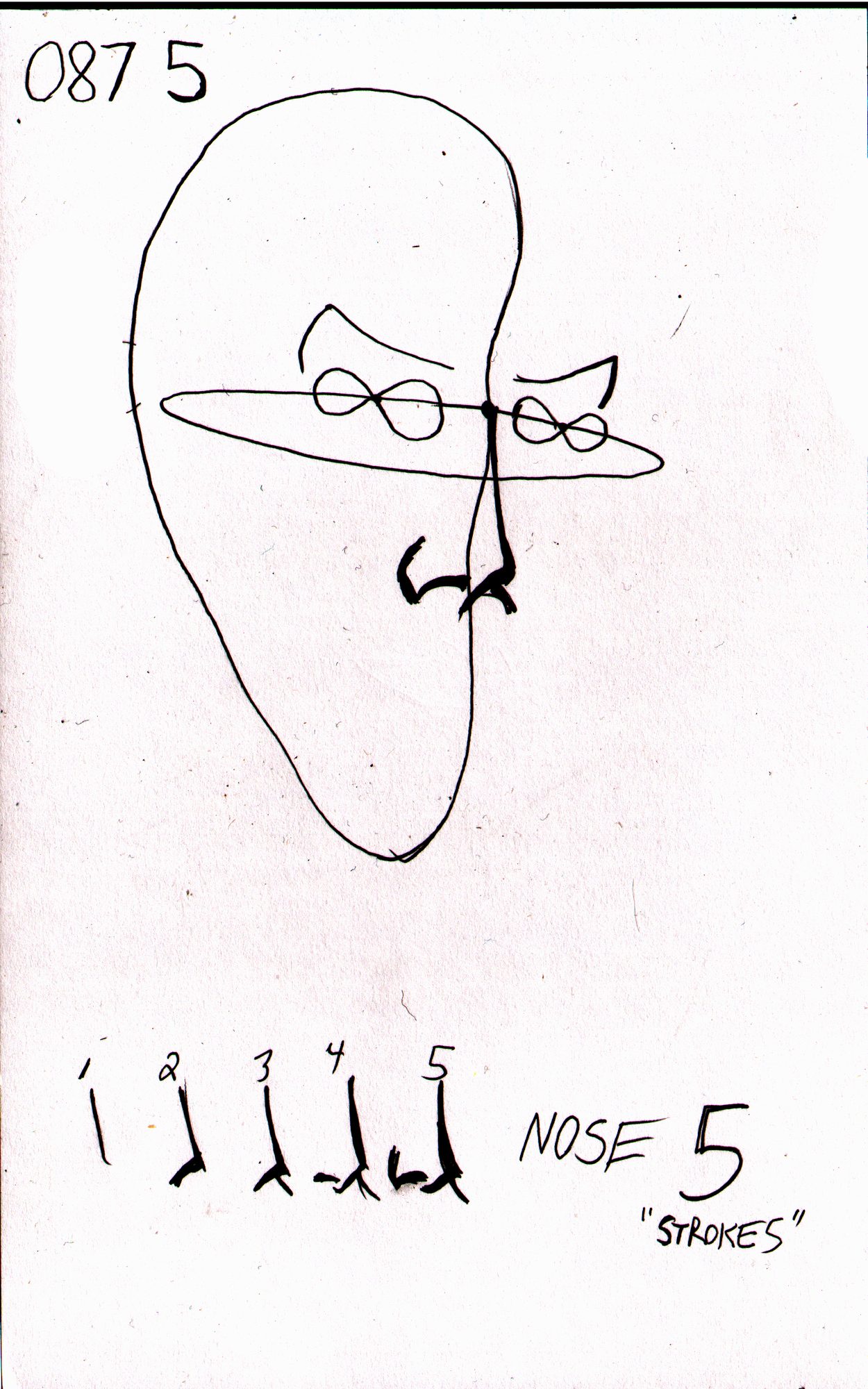
Drawing plate — line economy study
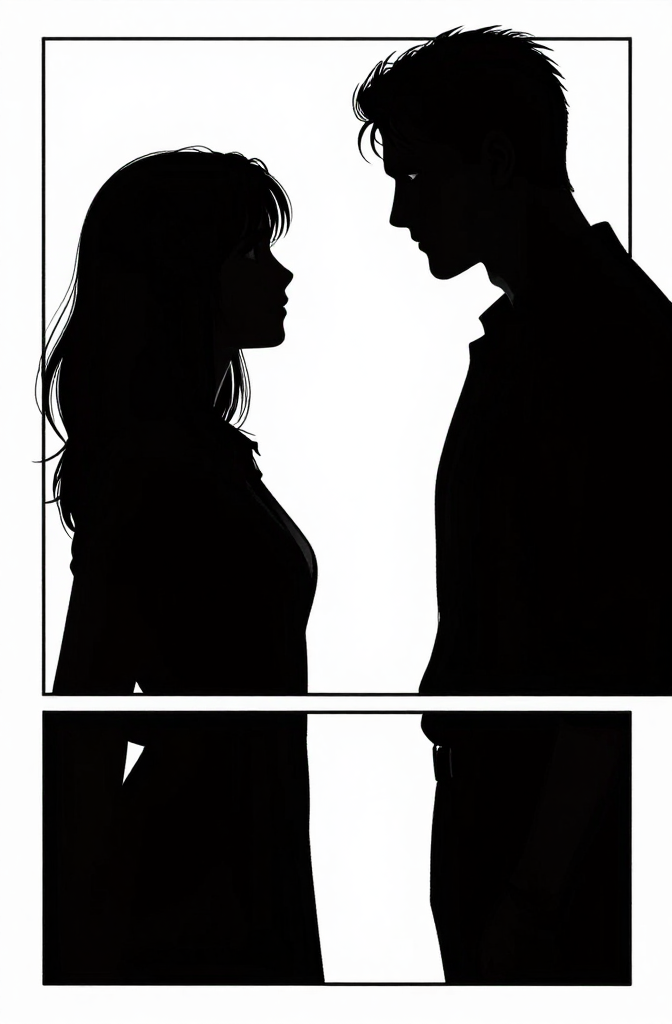
Two silhouettes — panel composition
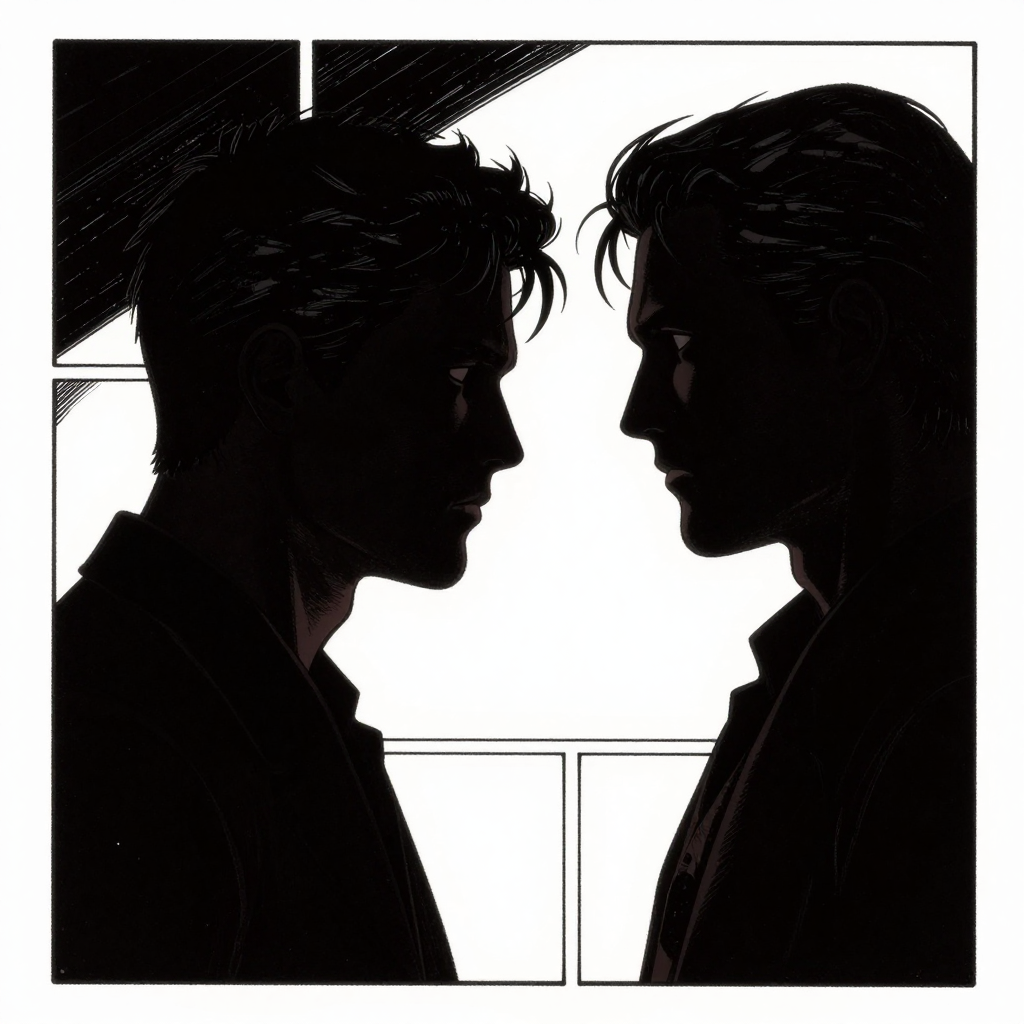
Two silhouettes — panel face-off
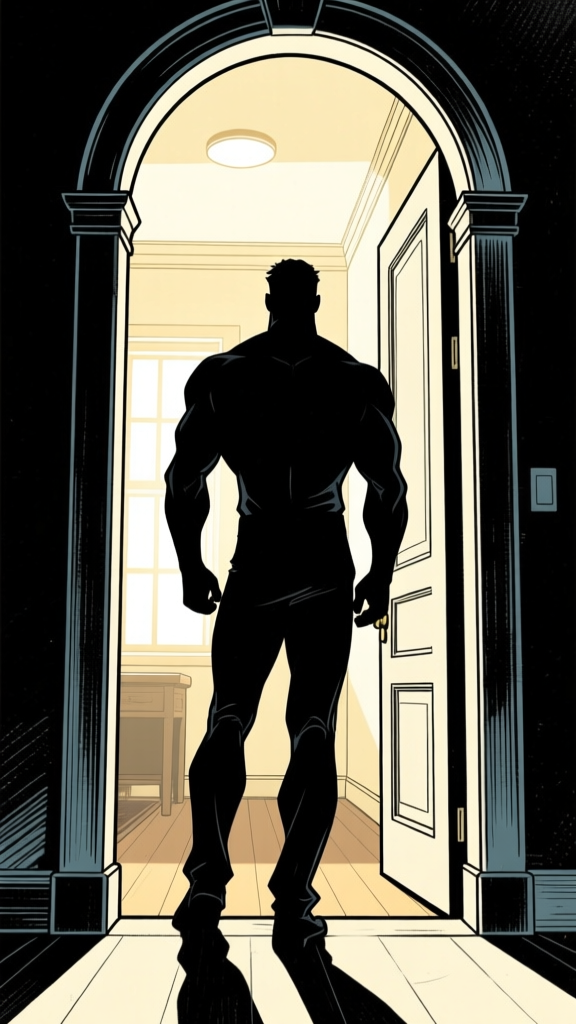
Hero silhouette — doorway composition
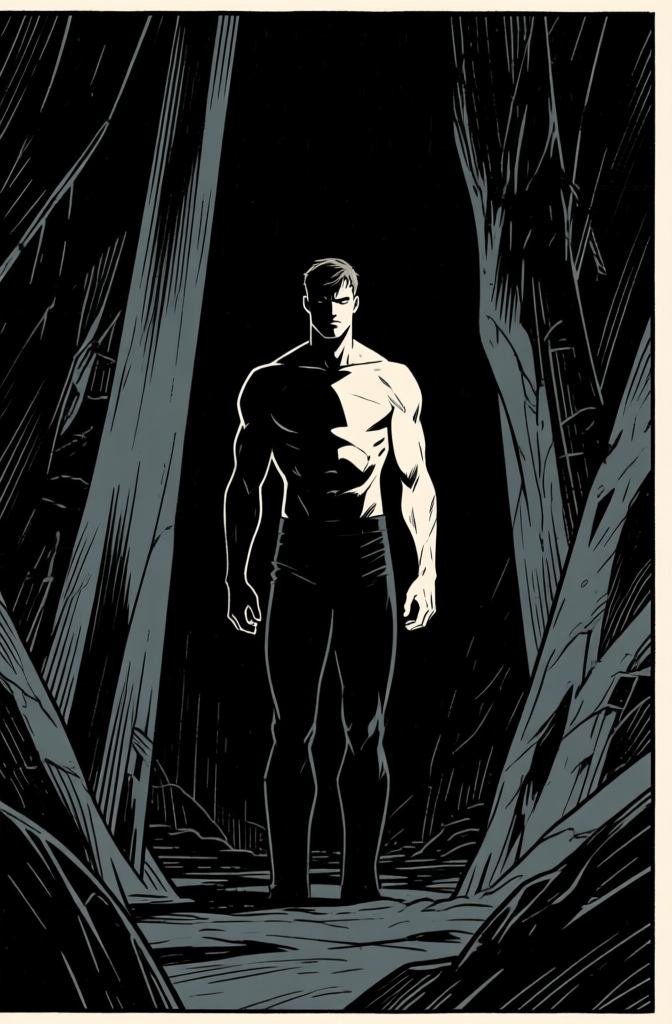
Figure silhouette — trees noir
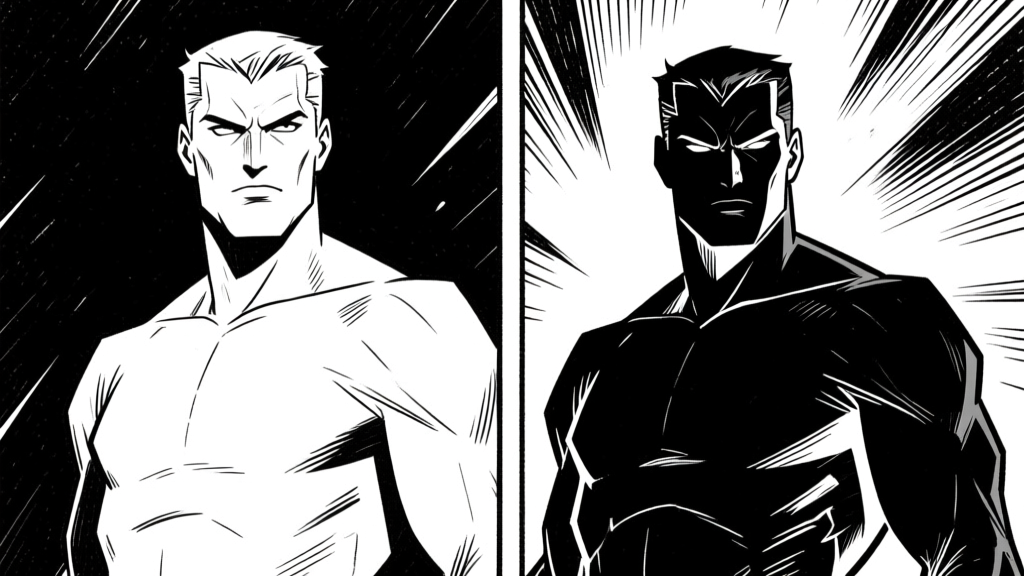
Hero and silhouette — comparison
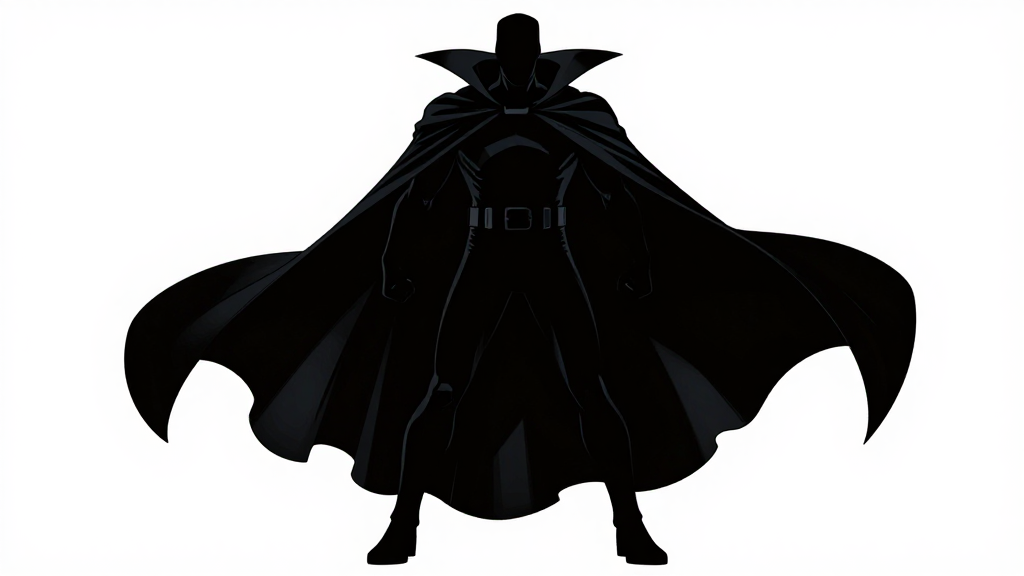
Hero silhouette — dramatic
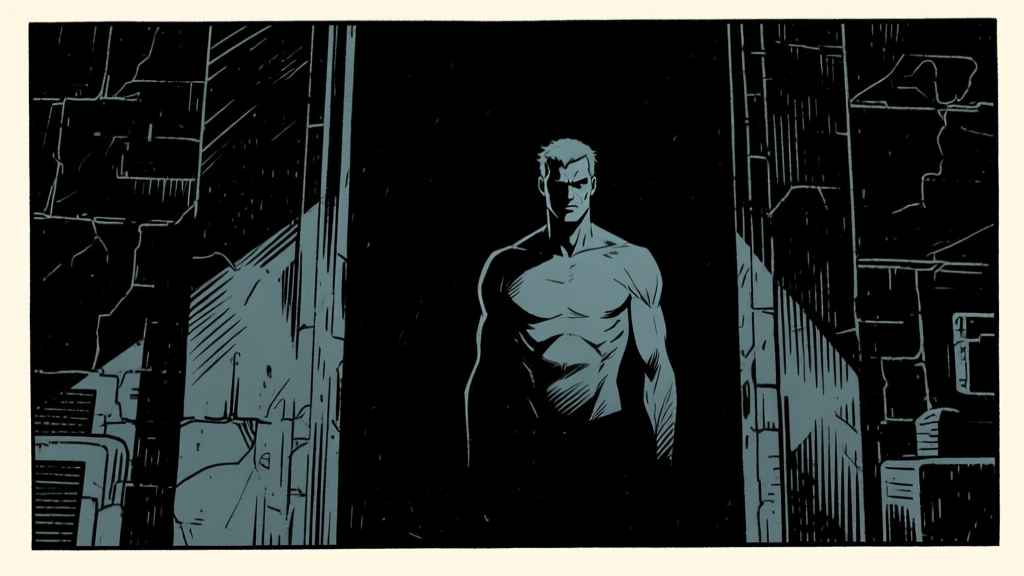
Figure in window — noir panel