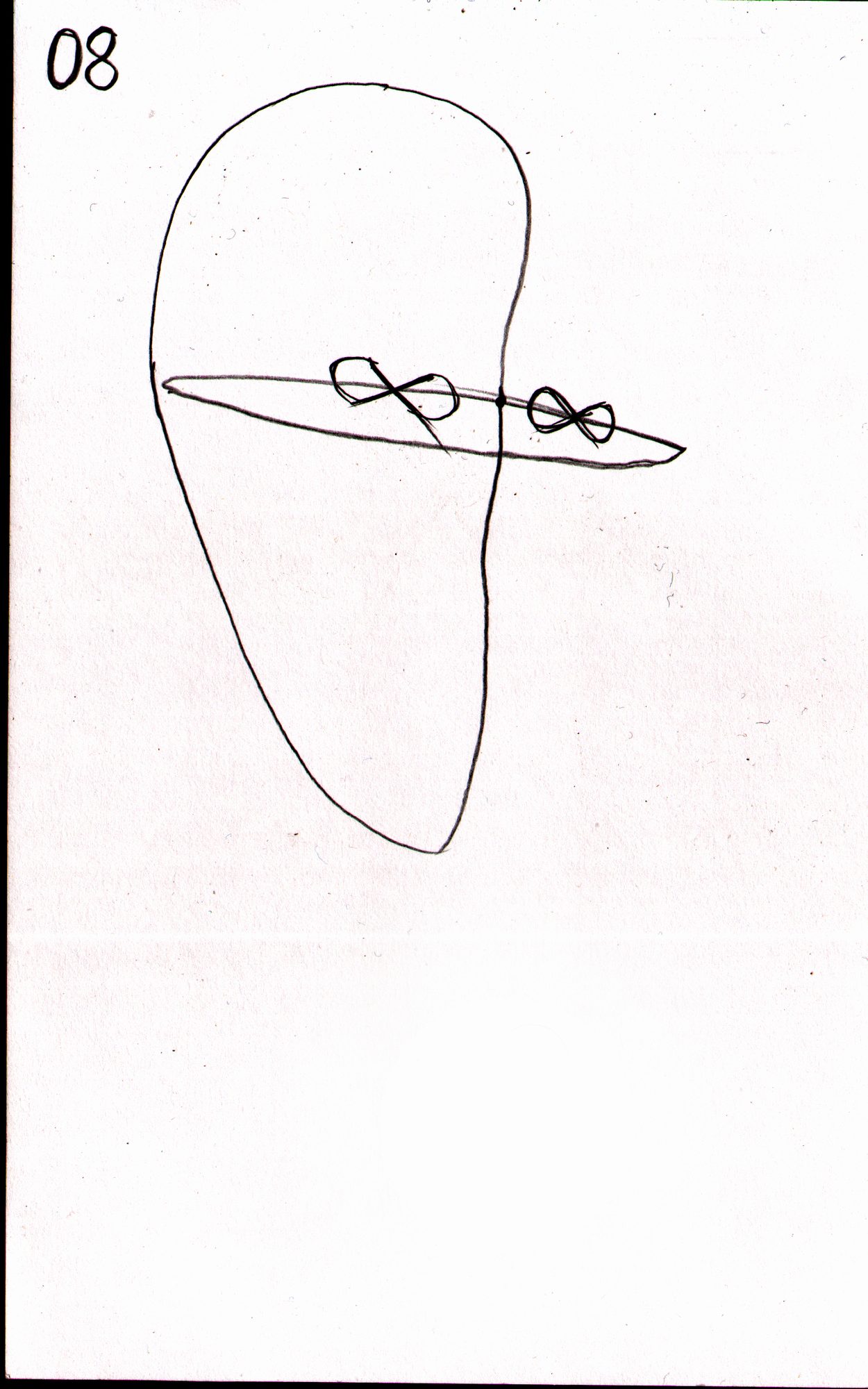
KEY CONCEPTS
- 7 = top view / side profile of the foot — the hook shape
- Inverted 7 = the arch of the foot viewed from below
- Ankle joint = the zero circle where leg meets foot
- The heel extends backward past the ankle — it is not directly below it
- Outer ankle bone (lateral malleolus) sits slightly lower than inner bone
- Foot length = approximately one head-length
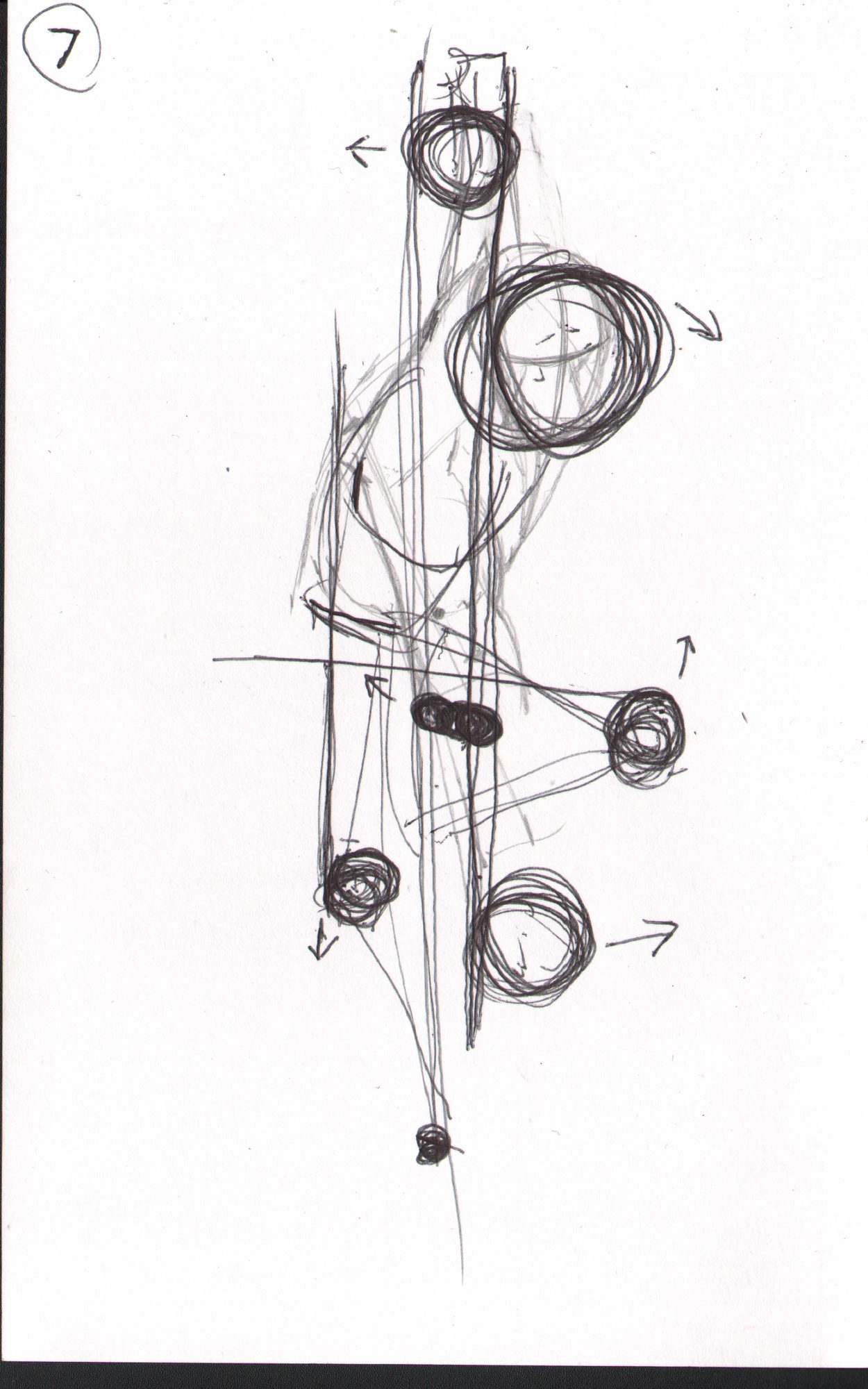
Draw a 7. The top horizontal bar is the toe line of the foot. The diagonal drop is the ankle and heel descending behind it. Add a slight arch along the bottom connecting them — the instep. You have the complete side profile of a foot. The heel extends backward past the ankle joint and this is critical: many students draw the heel directly below the ankle, making feet look ungrounded and floating.
The ankle joint is the zero — the circle of connection between leg and foot. The outer ankle bone (lateral malleolus) sits slightly lower than the inner ankle bone (medial malleolus). This subtle asymmetry is visible in every well-drawn foot and gives it anatomical credibility.
The foot is typically about one head-length long and its width is roughly half its length. The big toe is the widest and most forward-pointing. Each successive toe is smaller and slightly angled inward. The big toe is the primary push-off point in walking and running — it needs visual weight and mass.
REFERENCE GALLERY