KEY CONCEPTS
- Fibonacci: each number = sum of the two before it (1,1,2,3,5,8,13...)
- The hand has 14 finger bone segments — reduce: 1+4 = 5 (the hand's number)
- The Fibonacci spiral appears in the ear, shoulder muscle, curling spine
- Adjacent Fibonacci numbers produce the Golden Ratio (≈1.618)
- Our 0–9 number system maps to actual mathematical properties of each body part
The hand and Fibonacci: each finger has three bone segments (phalanges). The thumb has two. That gives us 3+3+3+3+2 = 14 segments total. Reduce 14: 1+4 = 5. The hand is the number 5, and it has 5 fingers. The math confirms the visual. This is not coincidence — it is pattern recognition built into the fabric of organic form.
The Golden Ratio (phi, approximately 1.618:1) appears in ideal facial proportions. The distance from hairline to brow, brow to nose bottom, and nose to chin are in Golden Ratio relationships. The width of the mouth is in Golden Ratio to the width of the nose. These are the proportions that trained artists instinctively seek — and that our face sequence naturally produces when followed correctly.
TRY THIS — 10 MINUTESHold out your own hand. Count the segments of each finger: three per finger, two in the thumb = 14 total. Reduce: 1+4 = 5. Look at your hand and see the number 5 there — five fingers, 14 segments, one number. Now curl your index finger gently into a curve and look at it from the side. That gentle curve IS a Fibonacci spiral. The math is in your hand right now.
REFERENCE GALLERY
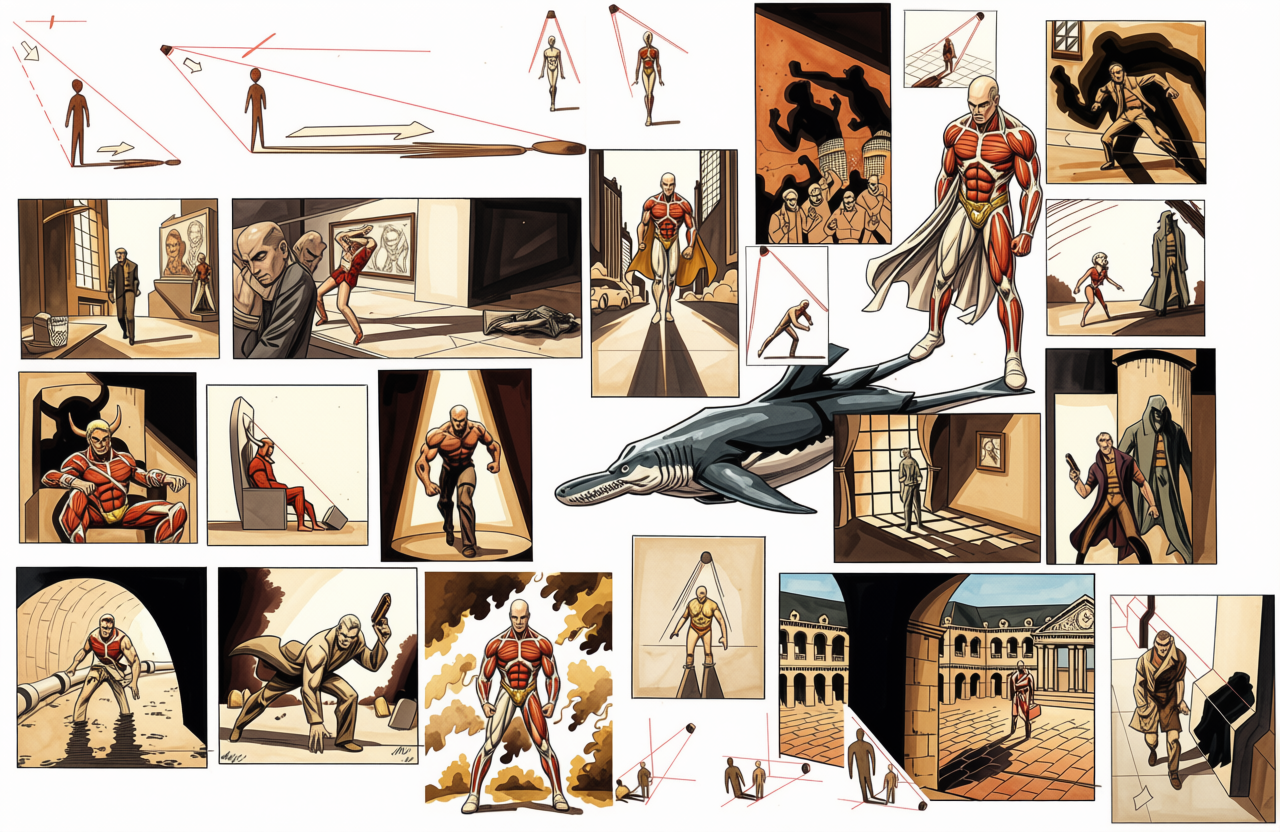
Life reference collage — proportion study
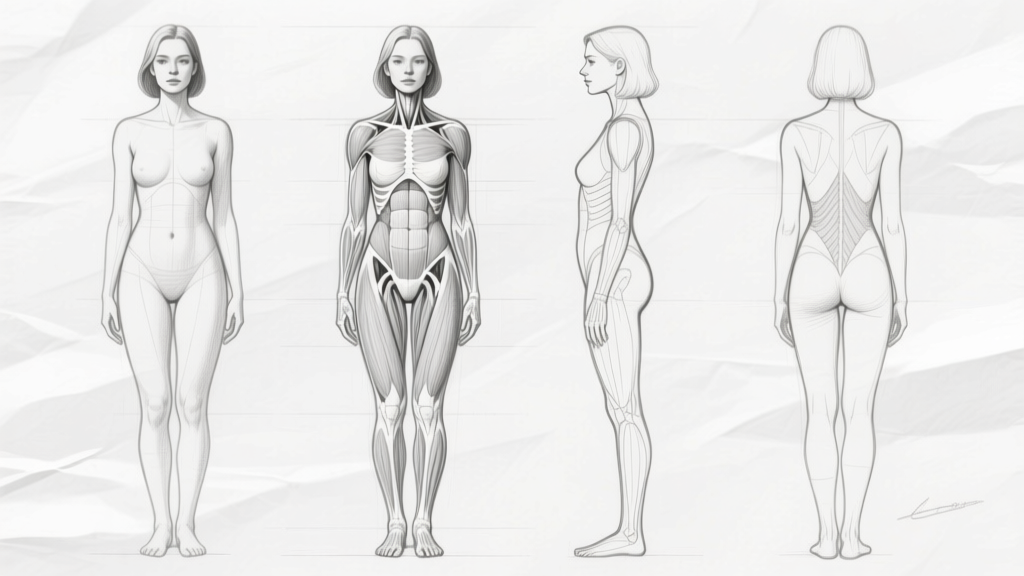
Three-view figure — proportional grid
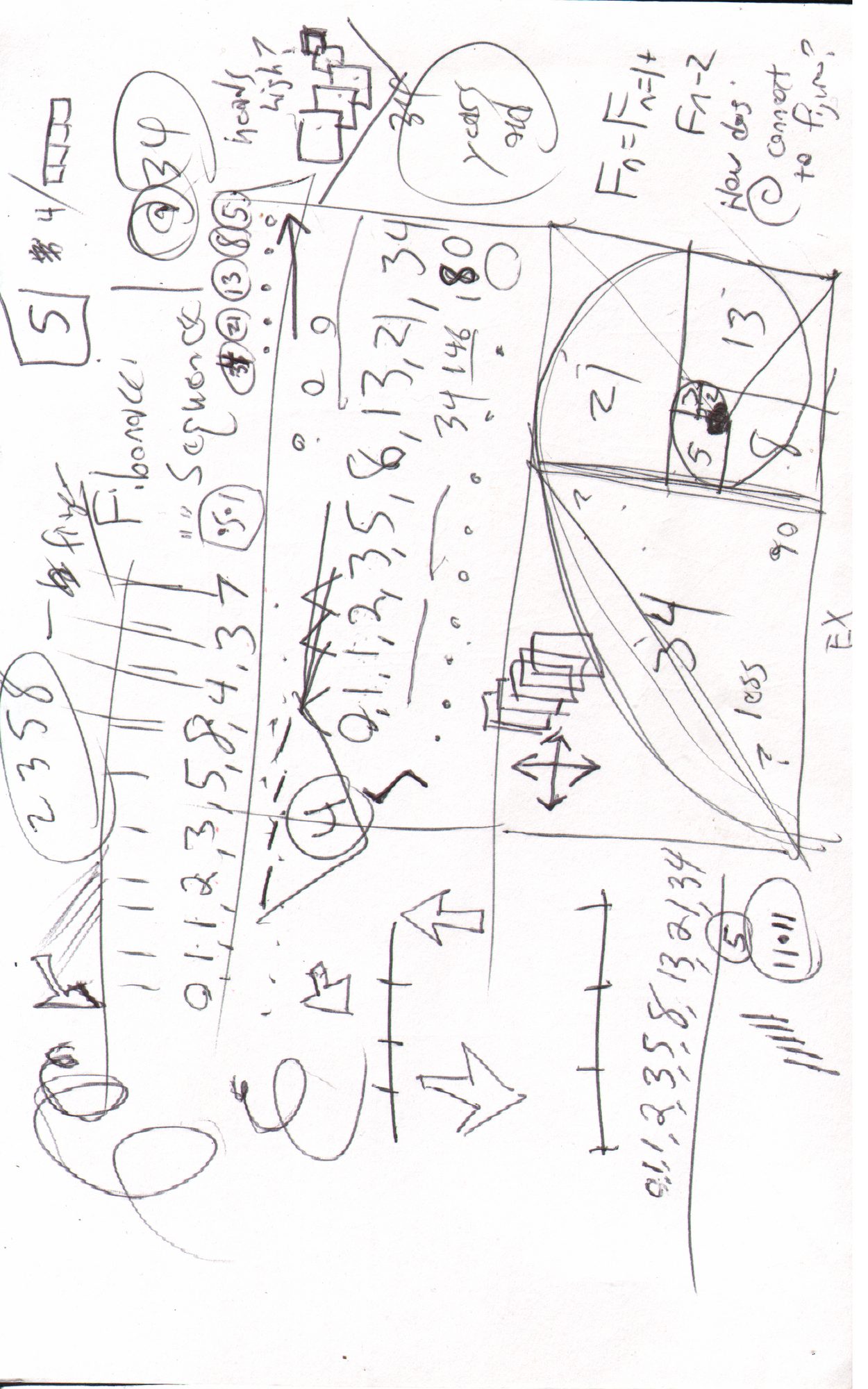
Fibonacci sequence numbers and spiral
Drawing plate — Fibonacci body proportion overlay