THE 6 QUESTIONS — BUILDING YOUR CHARACTER
Before you draw a single panel or write a single page, answer these six questions about your protagonist. Skip any one and the story will eventually collapse at exactly the question you skipped.
1. Who is my character? (Basic traits — Hero/Average Joe/Underdog/Lost Soul)
2. What does he want? (Goal — Desire + Obstacle = Conflict = Emotion)
3. Why does he want it? (Motivation — the deepest reason beneath the surface reason)
4. How badly does he want it? (Stakes — maximum desire + maximum obstacle = maximum emotion)
5. What's his problem? (Inner Need, Flaws, Fears, Secrets — pit the flaw against the need)
6. How does he change? (Character Arc — why are we fascinated with change? It stimulates curiosity)
THE 3 ELEMENTS OF CHARACTER APPEAL
Connecting with a character happens fast. Three elements create that connection:
R
RECOGNITION
= Empathy
Reader understands what character wants and recognizes the emotion
F
FASCINATION
= Interest
What makes them tick? What will they do next?
M
MYSTERY
= Curiosity
Actions-Reactions-Interactions that generate anticipation
HIGH CONCEPT — THE ONE-SENTENCE TEST
A high concept is an intriguing idea that can be stated in a single sentence, easily understood by all. It must be startlingly fresh, yet comfortably familiar. It has legs — it can stand on its own without stars. Ask these questions about your concept:
- Can it be encapsulated in a sentence or two?
- Is it provocative and big?
- Does it provide an original twist to an already-successful idea?
- Does it give your engaging character tremendous obstacles to actively overcome?
- Does your bad guy appear truly overpowering — insurmountable?
THE HALF JOE — 7 ESSENTIAL ELEMENTS
Every story needs these seven elements. If any is missing, the audience disengages at that exact gap:
HERO — Whose eyes we see the story unfold from
ALLY — Helps the hero overcome the flaw (2nd act). Must be qualified to help.
LIFE CHANGING EVENT — Forces a choice between the flaw and something else. Created by the opponent.
FLAW — Suit of armor built for the hero. He thinks it protects him. It actually limits him.
JEOPARDY — Must increase after 2nd act. If stakes aren't rising, the story is dying.
OPPONENT — Perhaps the most important character. Point of view as strong as the hero's. (3rd act)
ENABLING CIRCUMSTANCES — The world that lets the hero maintain their flaw. Hangs out with losers because he thinks he is one.
WHAT MAKES AN AUDIENCE CARE
We care about characters we feel sorry for. Undeserved misfortune. Physical or mental hardship. Betrayal. Telling the truth but not being believed. These are not manipulations — they are universal human experiences that trigger genuine empathy. Use them.
We also connect with characters who show humanistic qualities in private moments — helping the less fortunate, risking life for another, self-sacrifice for a just cause. And we admire characters with power, courage, wit, and the stubbornness to carry on despite vulnerabilities.
TRY THIS — 20 MINUTESAnswer all 6 questions for your current XeroMen protagonist (or any character you're developing). Then specifically write the FLAW and the ENABLING CIRCUMSTANCES in full sentences. Then write one sentence describing the moment of REVELATION — what they discover about themselves that breaks the flaw. If you can't write that sentence, you don't yet have a full character arc.
REFERENCE GALLERY

Character concept plate

36 Dramatic Situations reference
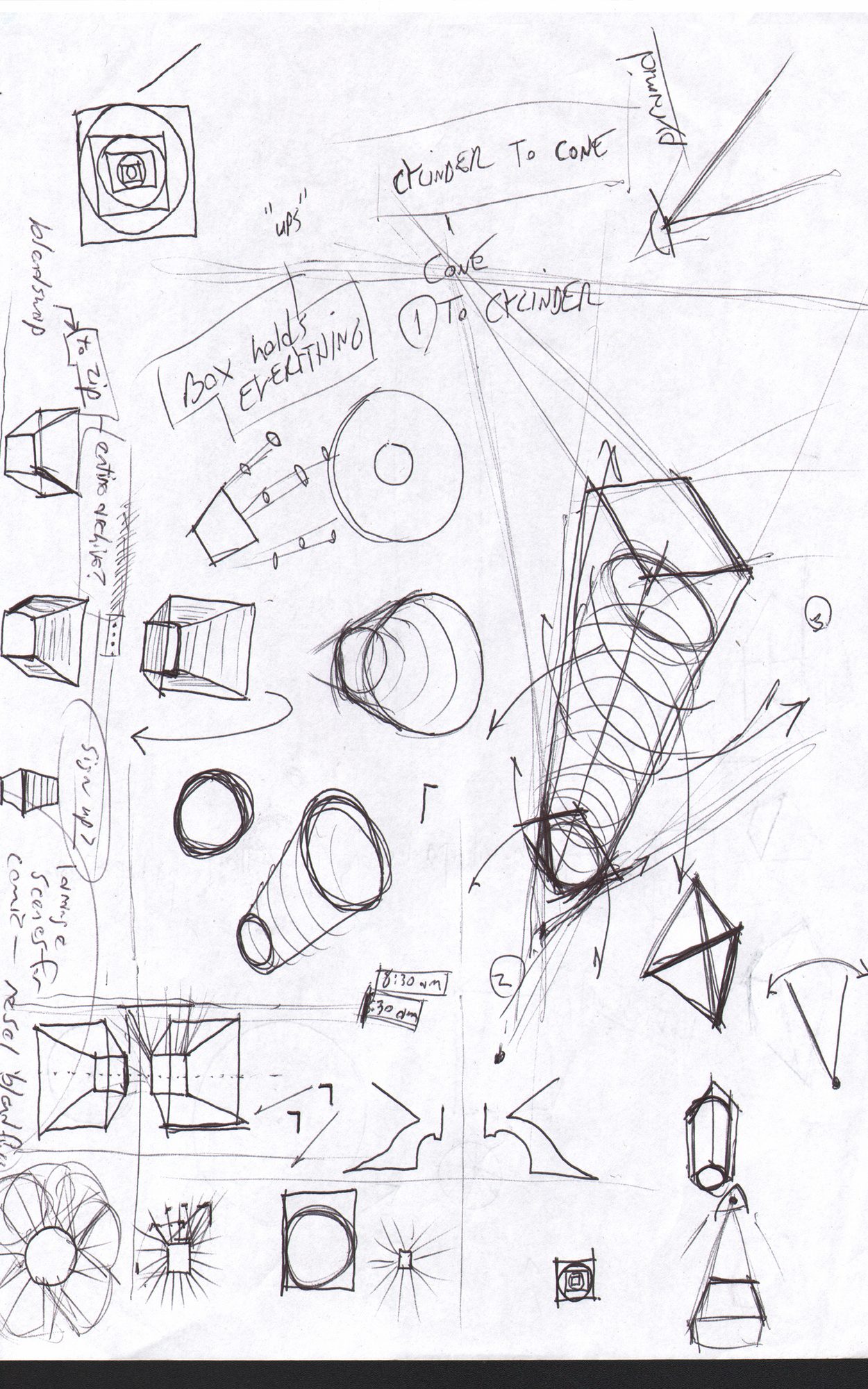
Life drawing — compositional figure study
Drawing plate — figure narrative composition
Drawing plate — story beat figure staging
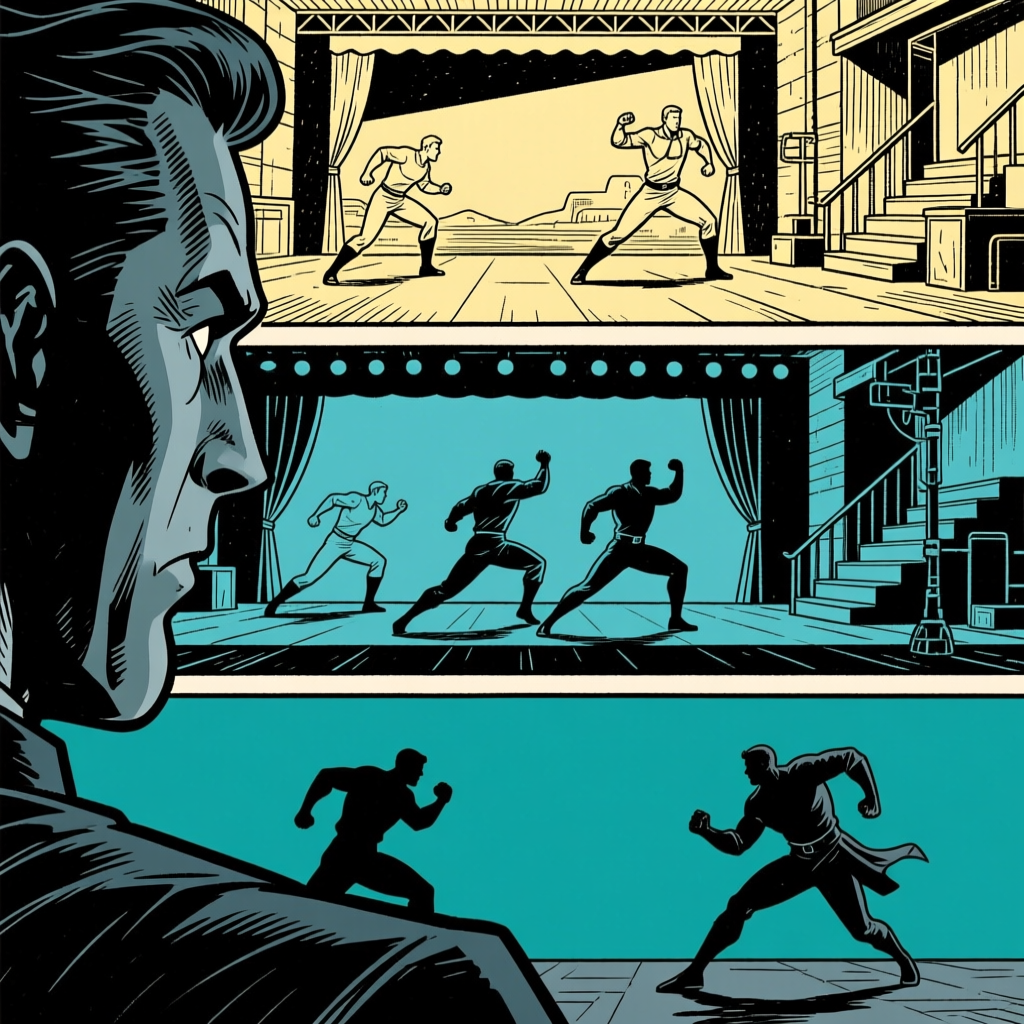
Comic panel layout — action scene
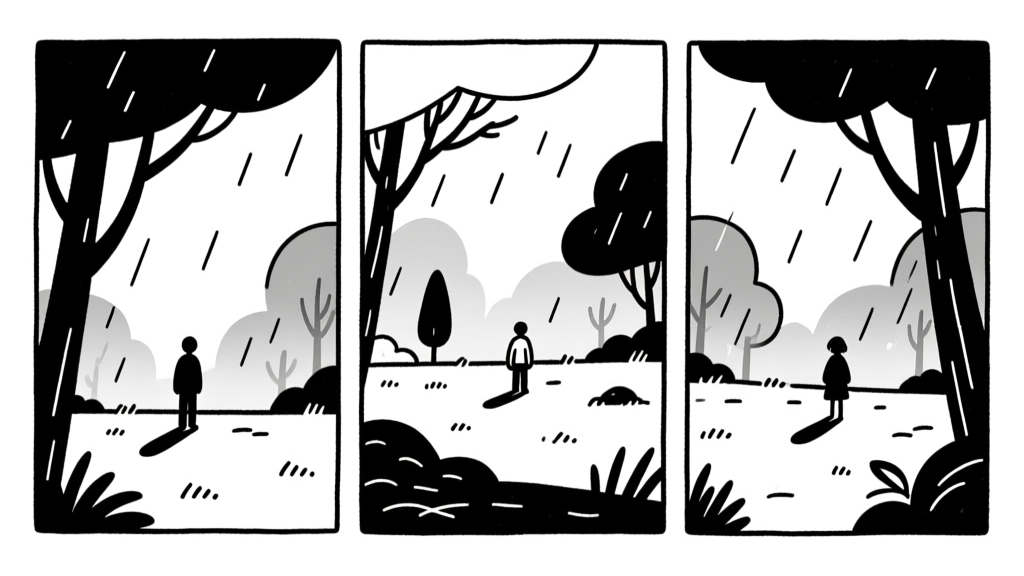
Three-panel comic — outdoor scene
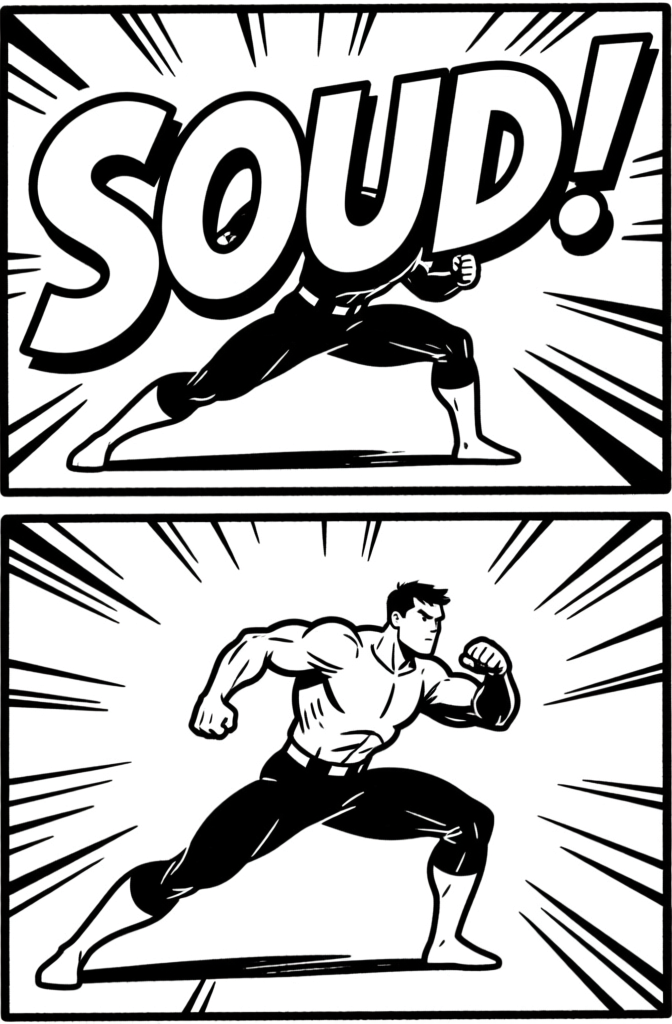
SOUD! — action panels
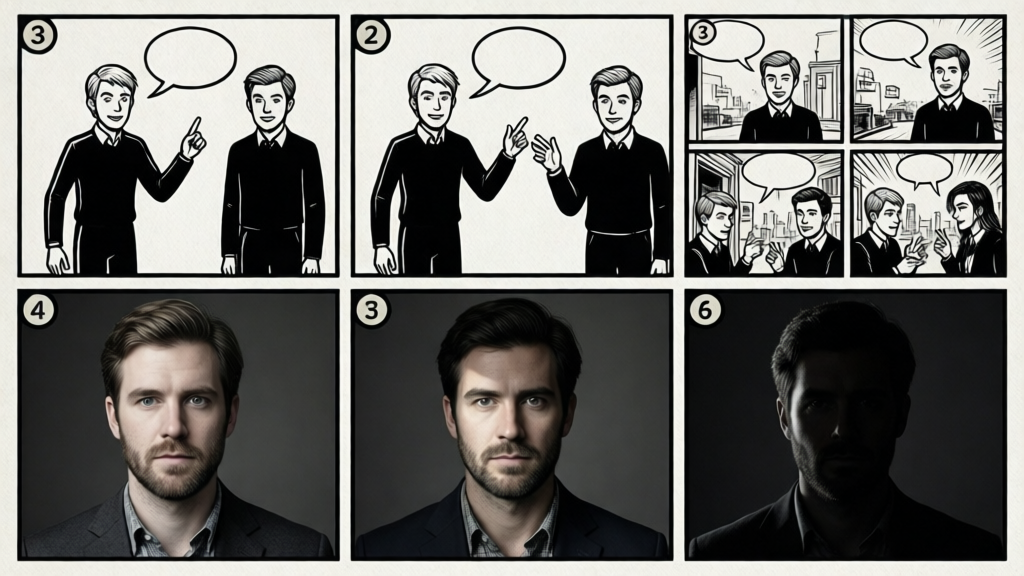
Storyboard panels — actor reference
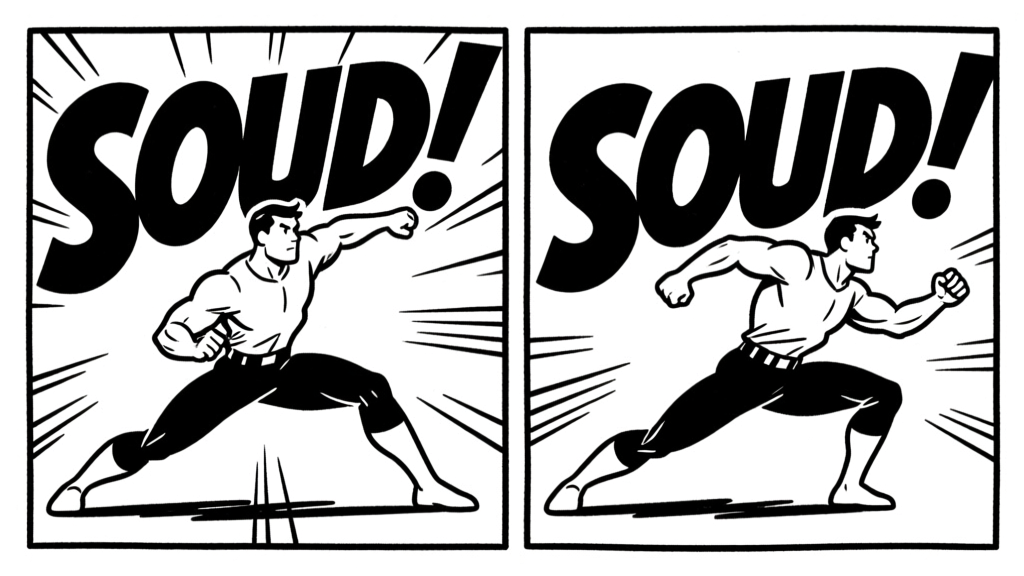
SOUD! — action panel
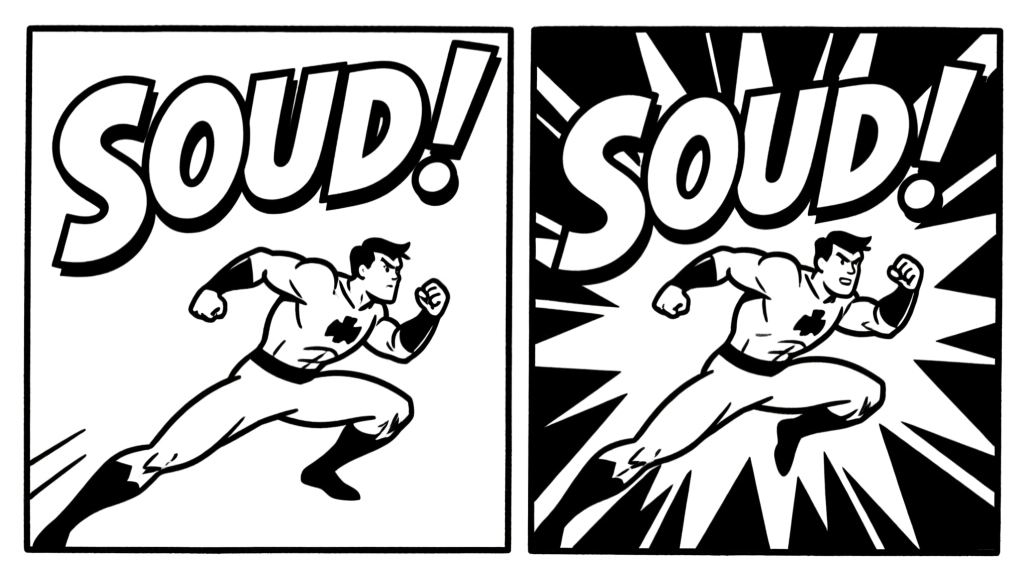
SOUD! — two action panels
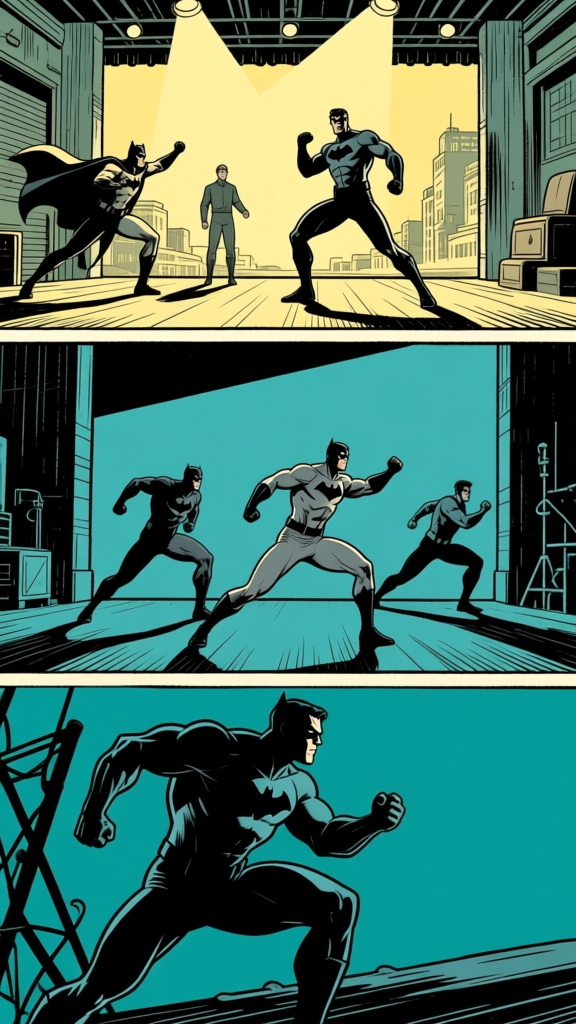
Action fight scene — panels
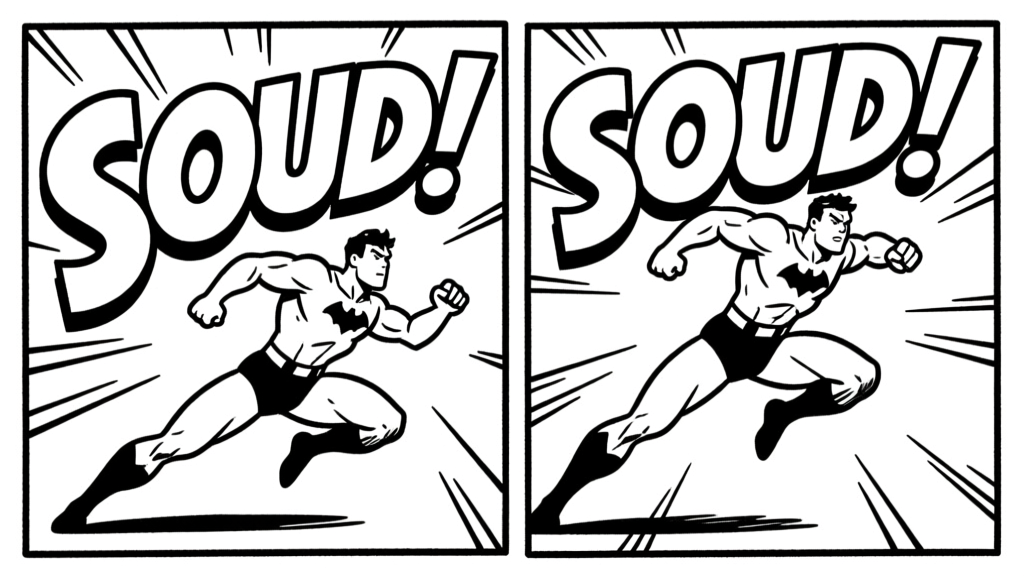
SOUD! — two action panels
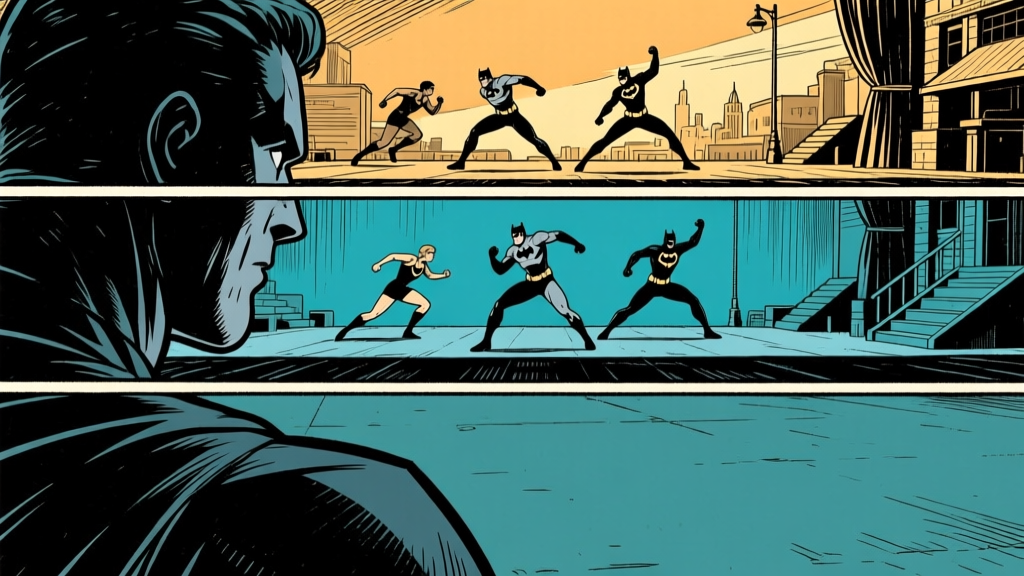
Action fight panel — colored
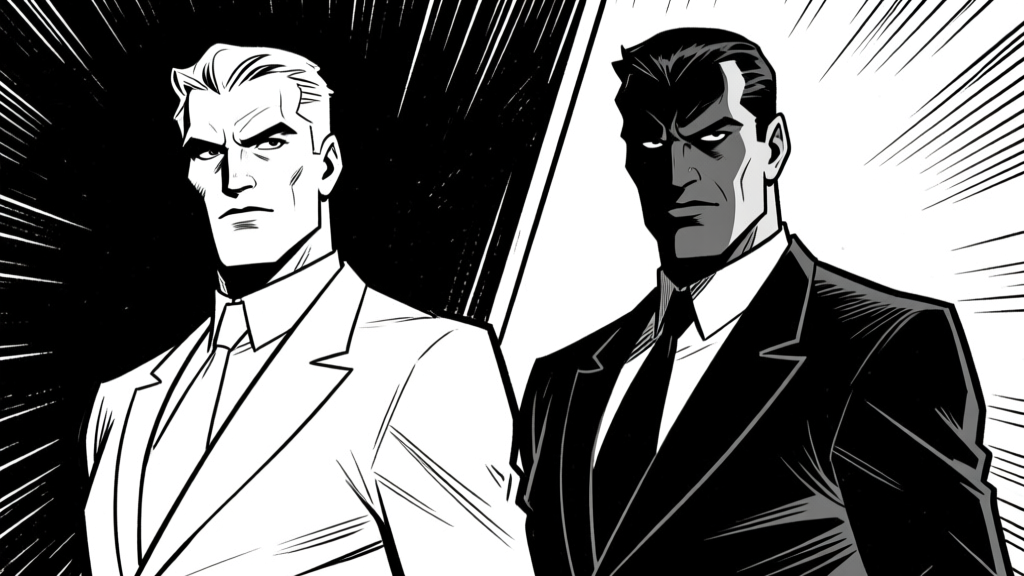
Two characters — dramatic panel
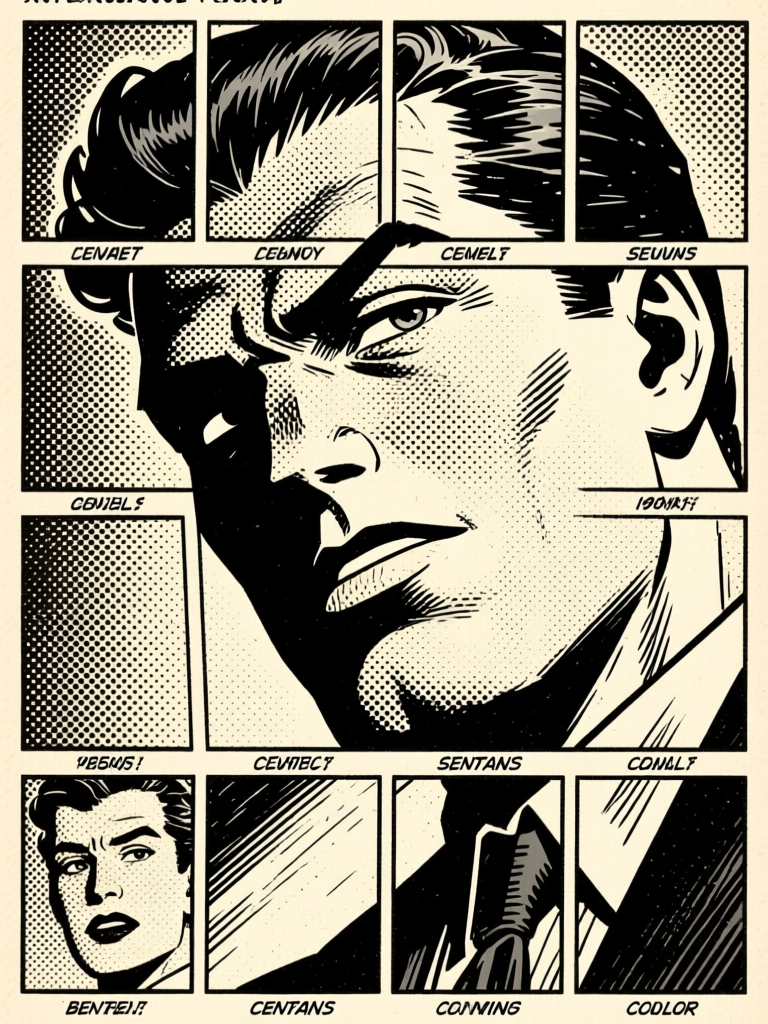
Comic panels — face close-up
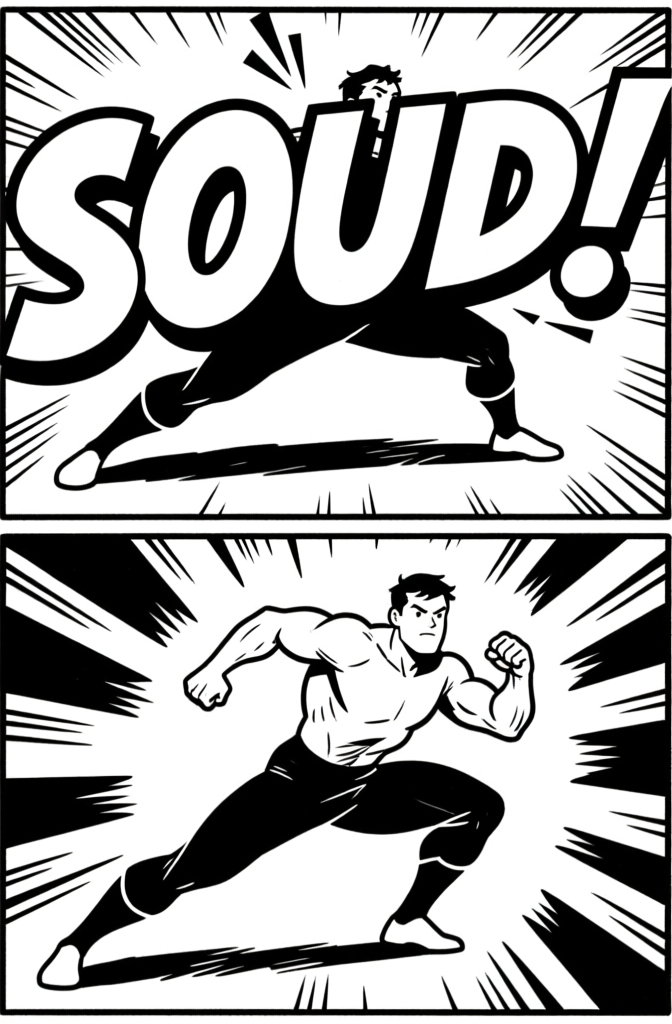
SOUD! — action panel
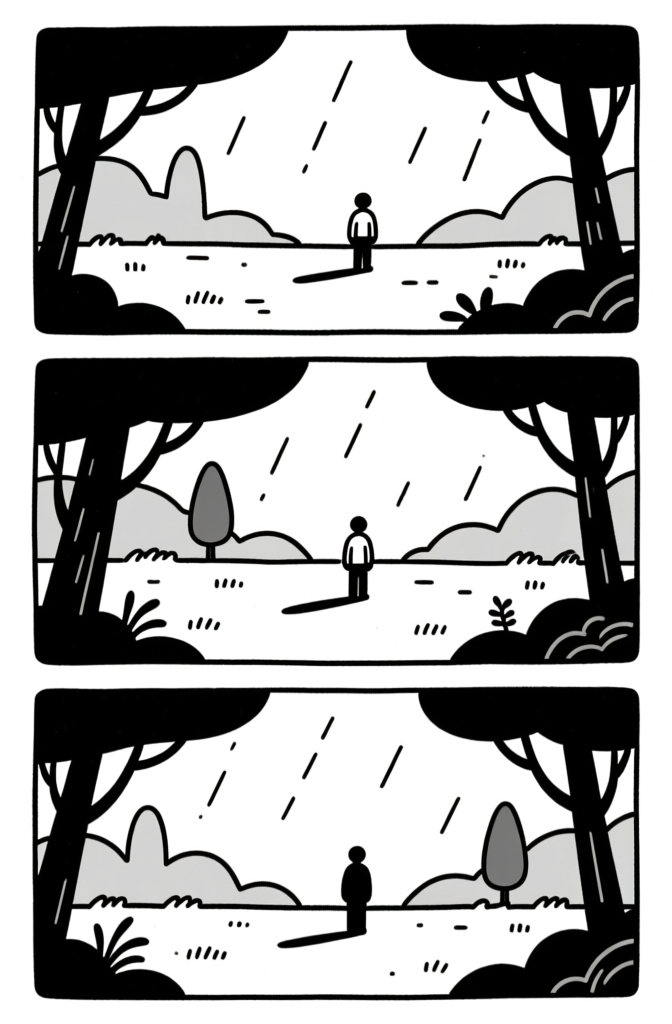
Three-panel landscape — comic
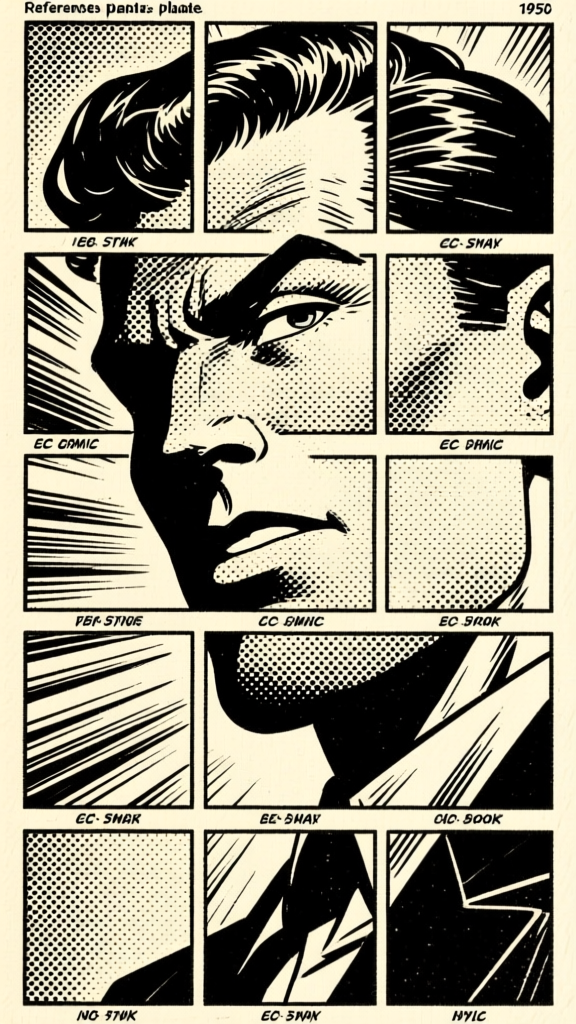
Face panel sequence — comic
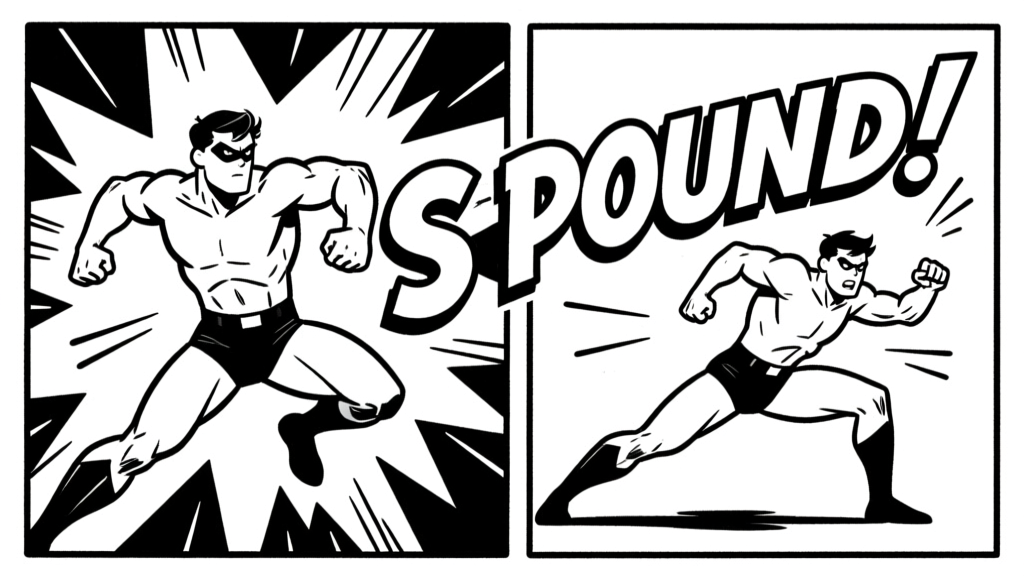
S'POUND! — action panels
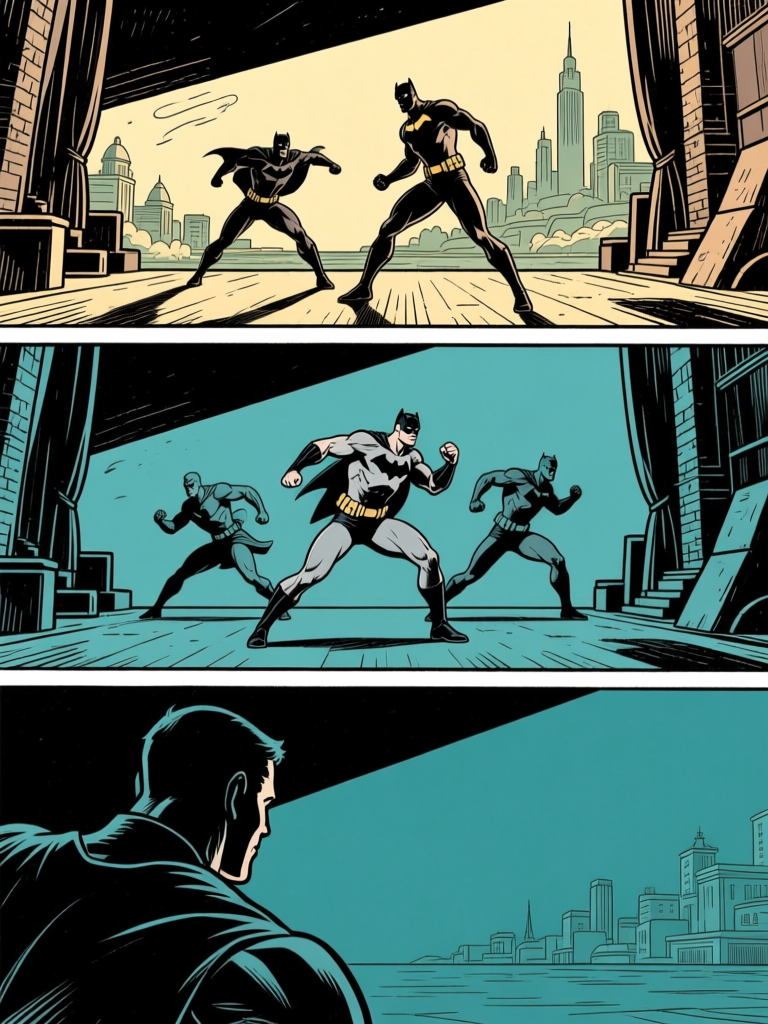
Action fight panels — colored
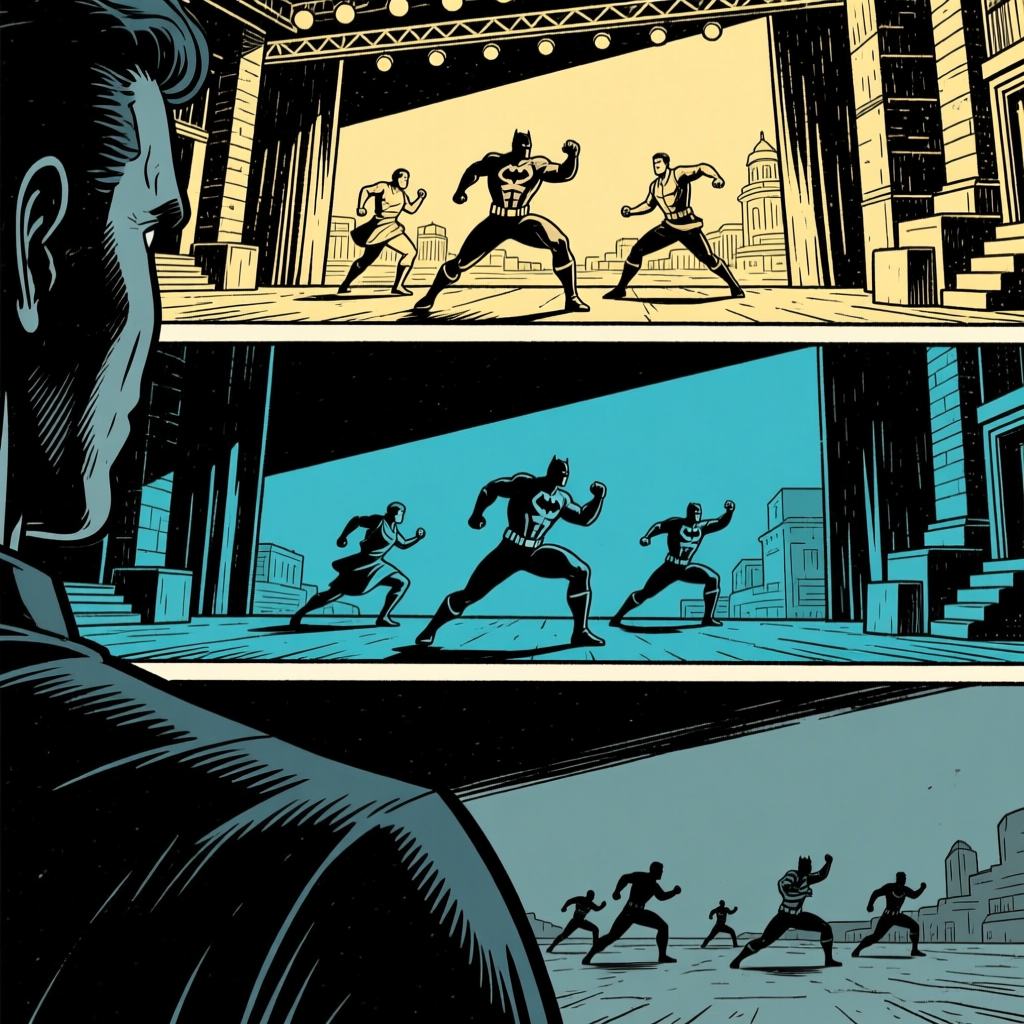
Action fight scene — colored panels
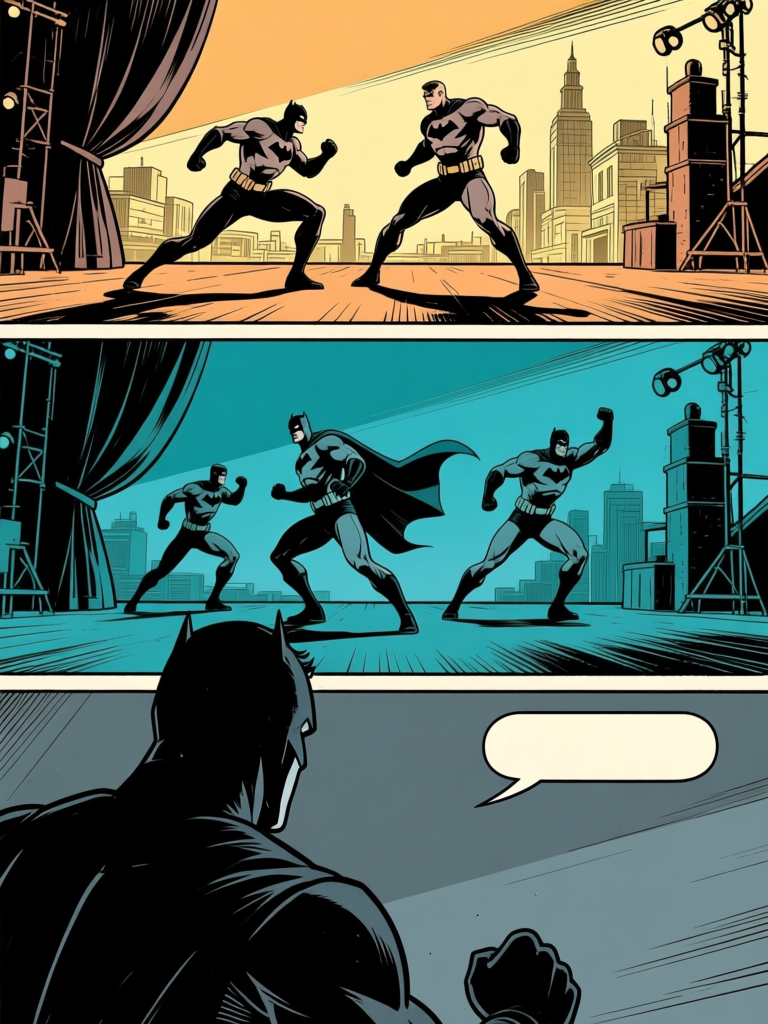
Fight scene — comic panels