KEY CONCEPTS
- Close-up = emotion/intimacy; Medium = action detail; Wide = context/scale
- Worm's eye view: looking up at subject = subject appears powerful and dominant
- Bird's eye view: looking down at subject = subject appears small or vulnerable
- Rule of thirds: place key elements at the four intersection points of a 3×3 grid
- Overlapping forms create depth — always overlap background figures with foreground ones
- Negative space is as important as the figure — use it with intention
The panel is a window. Where you place that window relative to the figure changes everything about how the viewer reads the scene. A face filling the entire panel = intimacy, vulnerability, intensity. The same face drawn at full body scale with empty space around it = isolation, scale, environmental context. Both use the same figure — the framing does all the storytelling work.
TRY THIS — 10 MINUTESDraw a simple hero figure three times in three different panel framings: (1) Full-body power stance — wide shot, (2) Three-quarter shot — medium framing showing face and upper body, (3) Extreme close-up — just the eyes and brow. Add a single background line to each. Notice how the three framings create three completely different emotional reads from the same character. That is the language of sequential art.
REFERENCE GALLERY
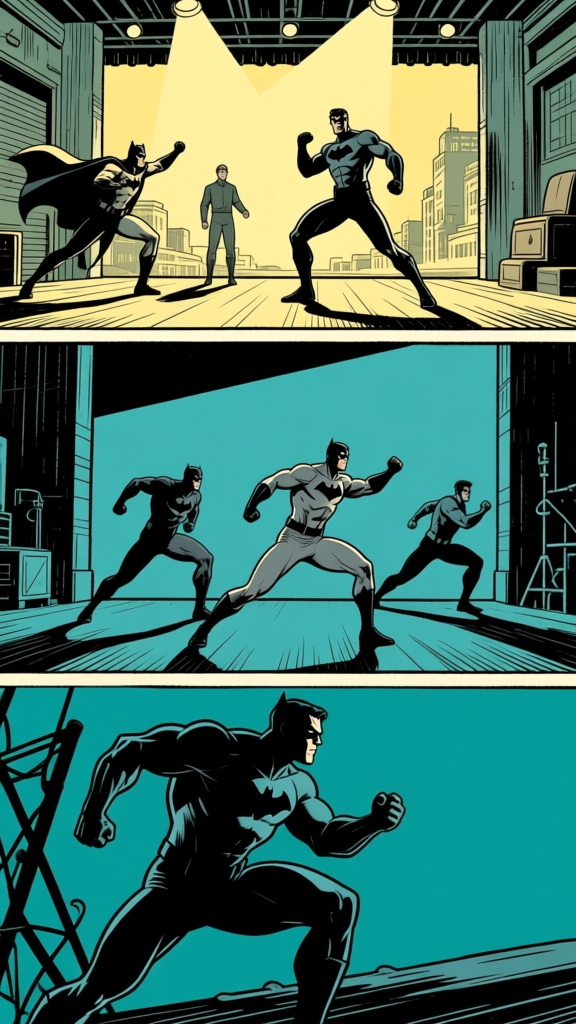
Action 2-panel — speed and direction
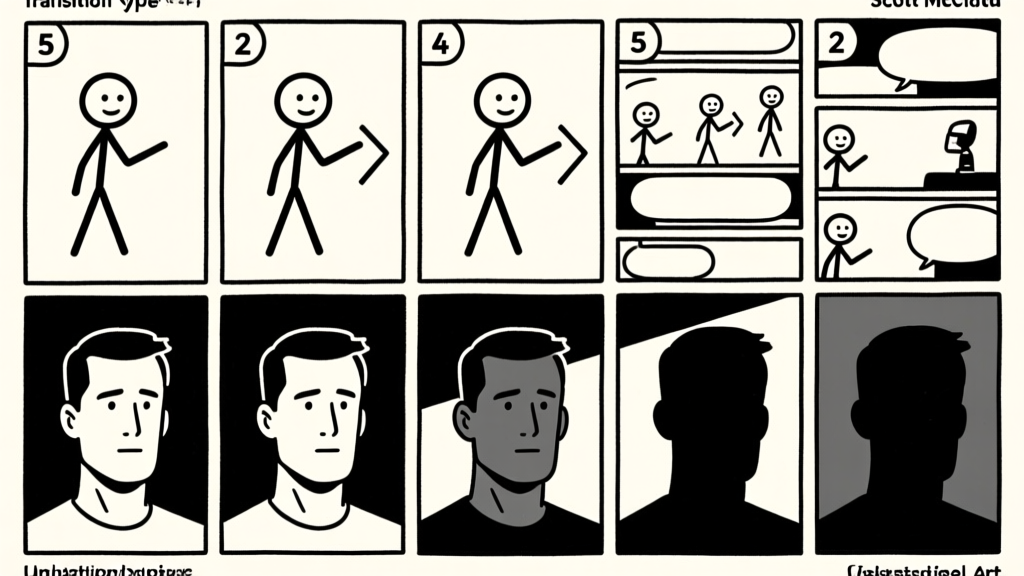
Stick figure to panel progression
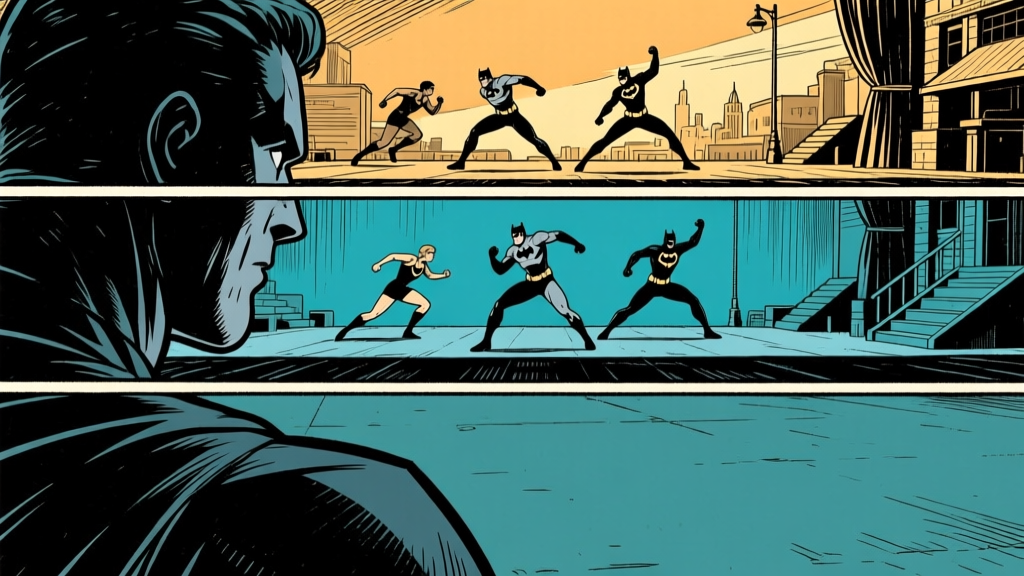
Color action panel sequence
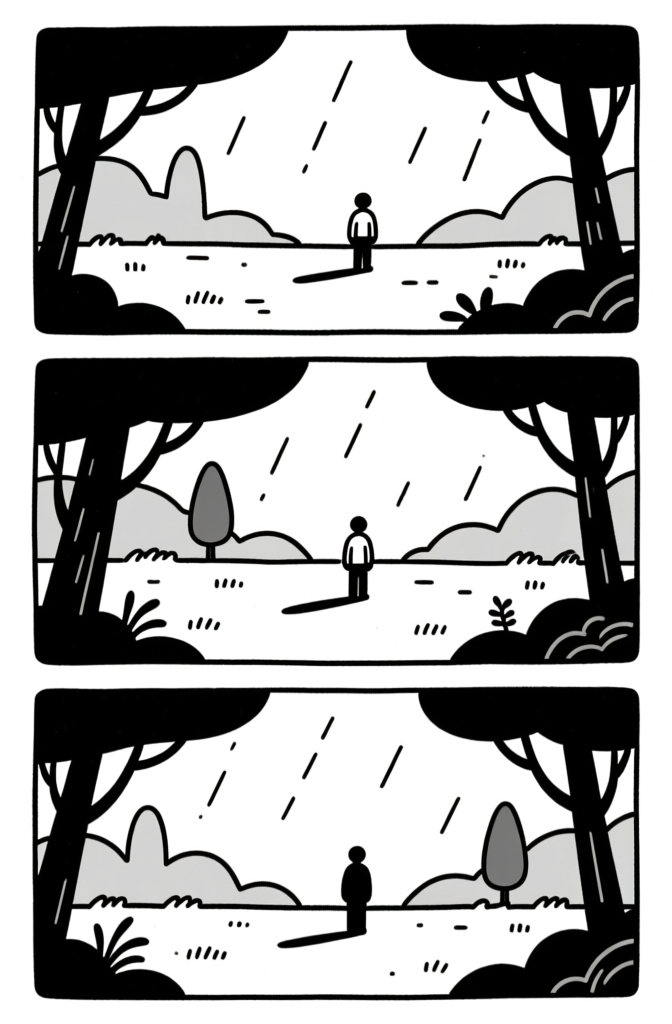
Silhouette panel sequence — environment
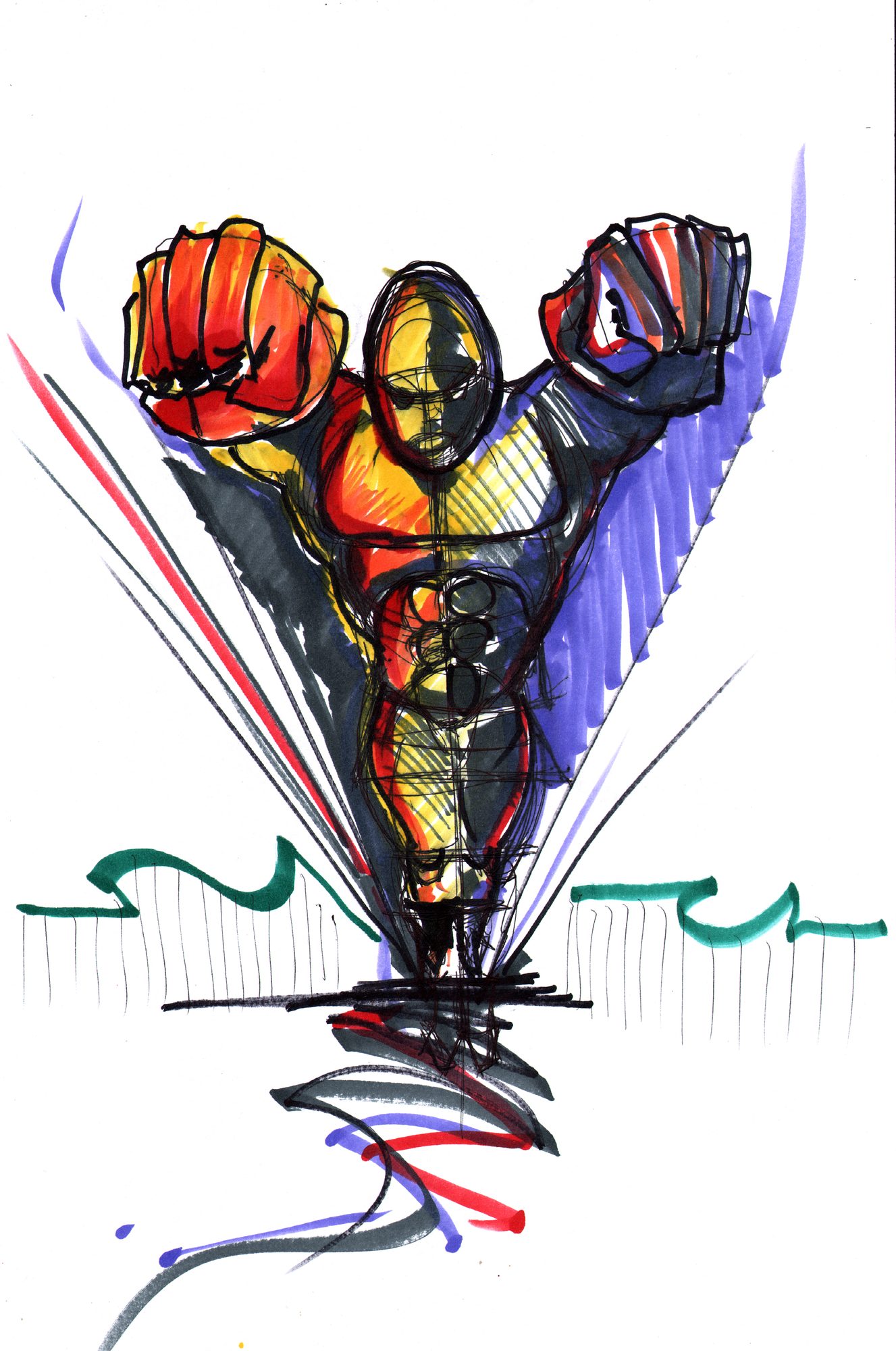
Life drawing — composition/panel reference
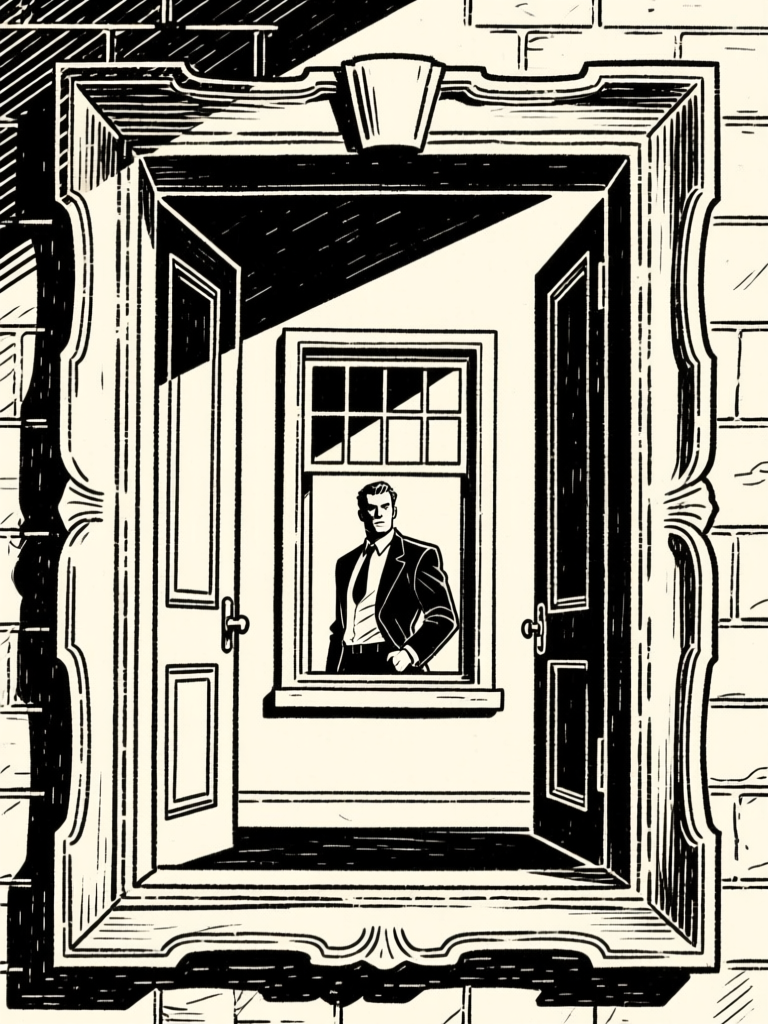
Figure in doorframe — composition
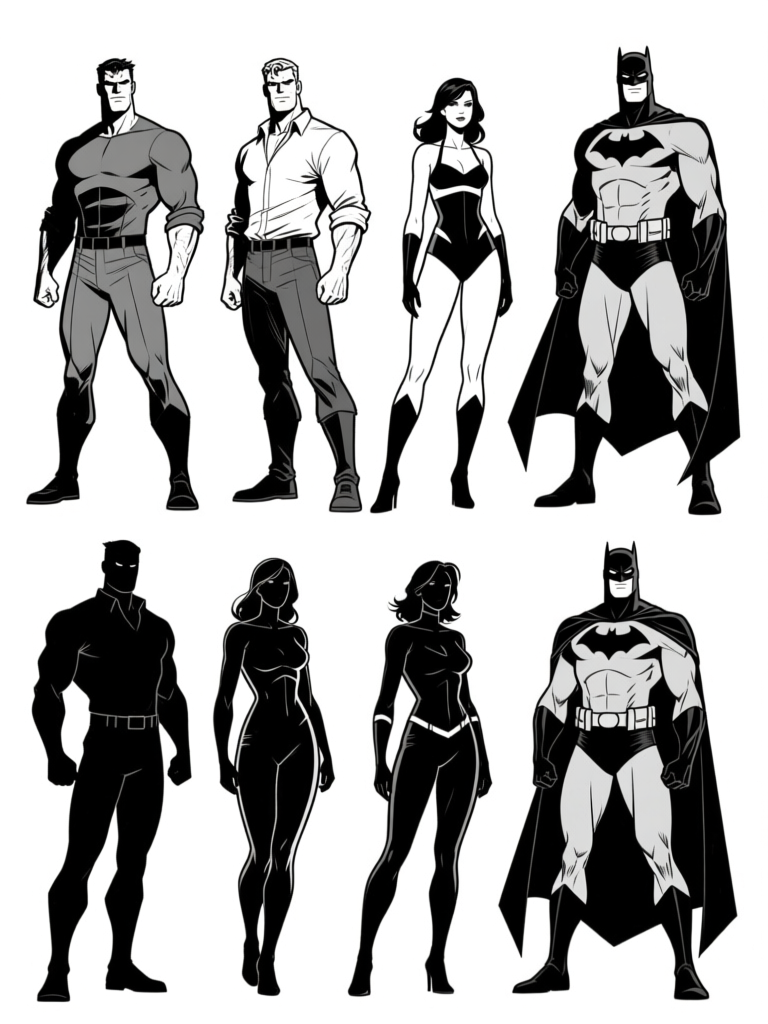
Hero group lineup — ink
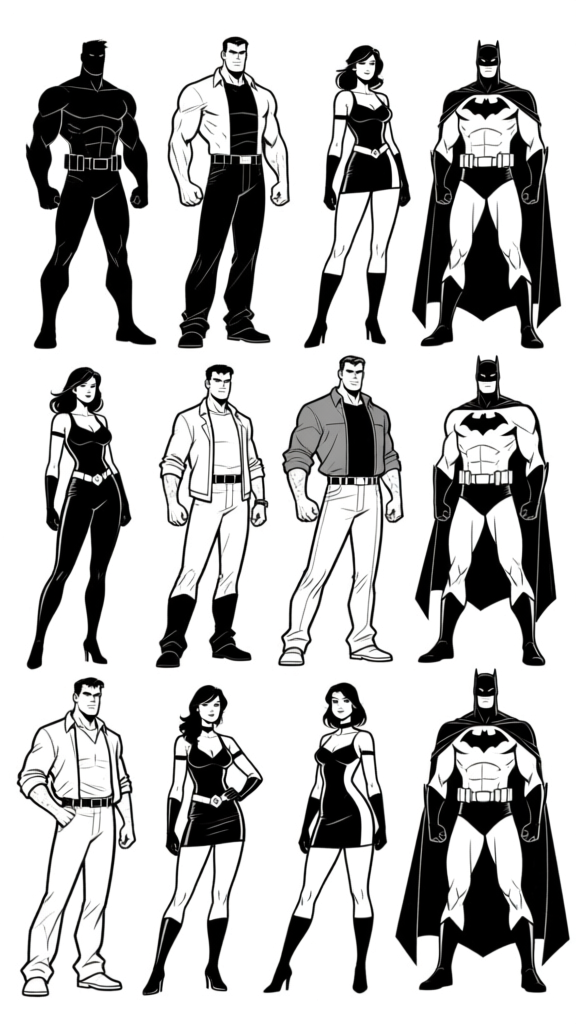
Hero group lineup — silhouettes
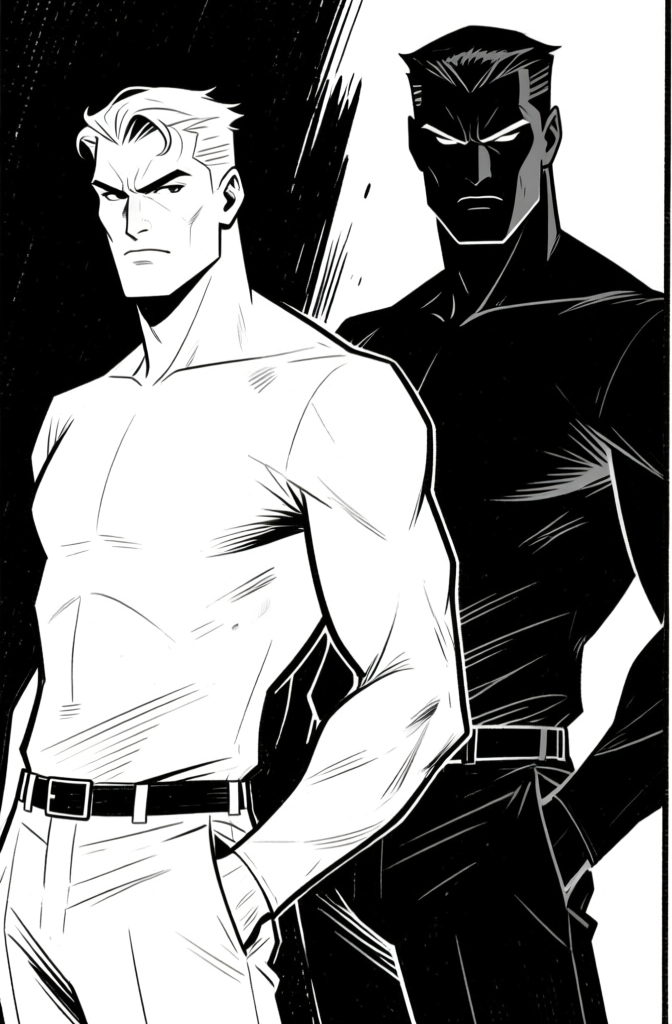
Two figures comparison — ink
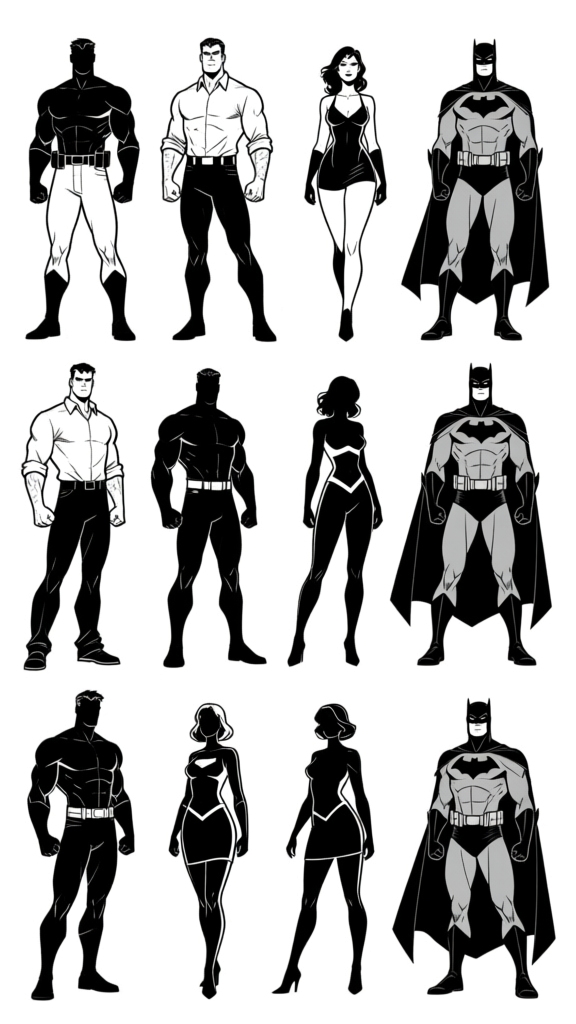
Hero group — silhouettes lineup
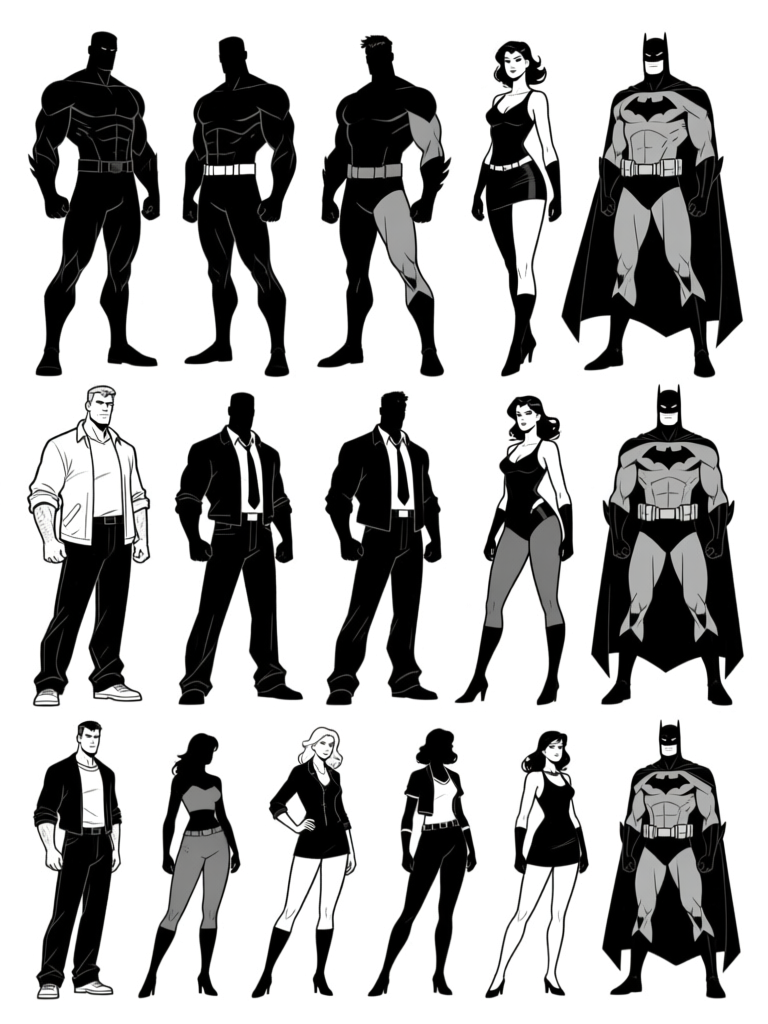
Hero group — silhouettes variety
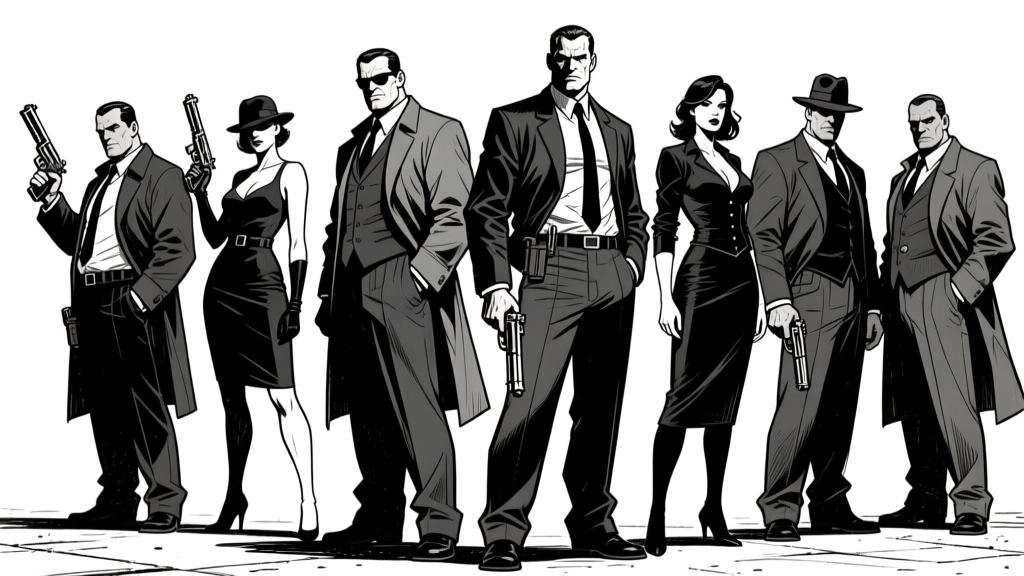
Clothed group — composition
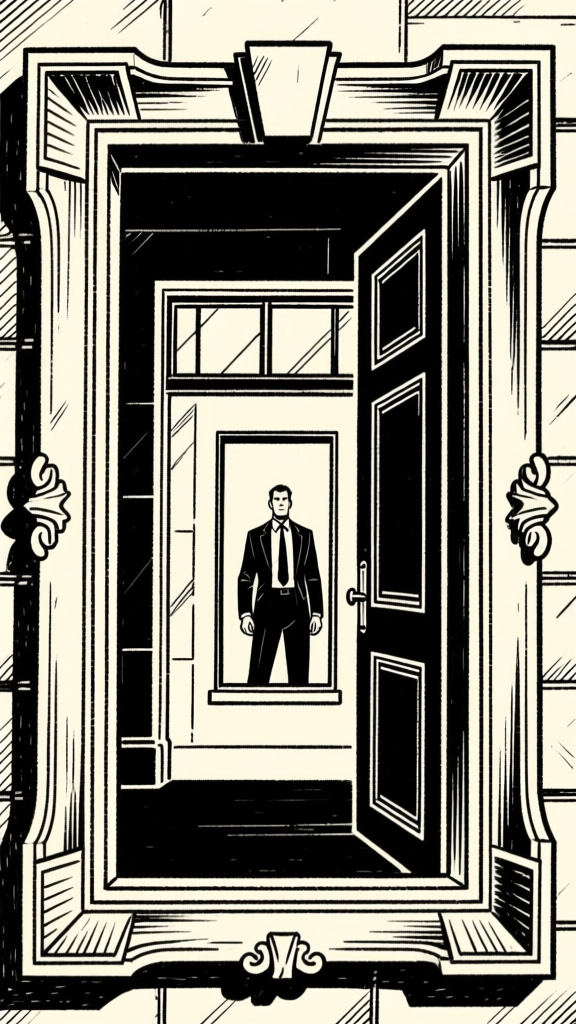
Figure in doorframe — noir
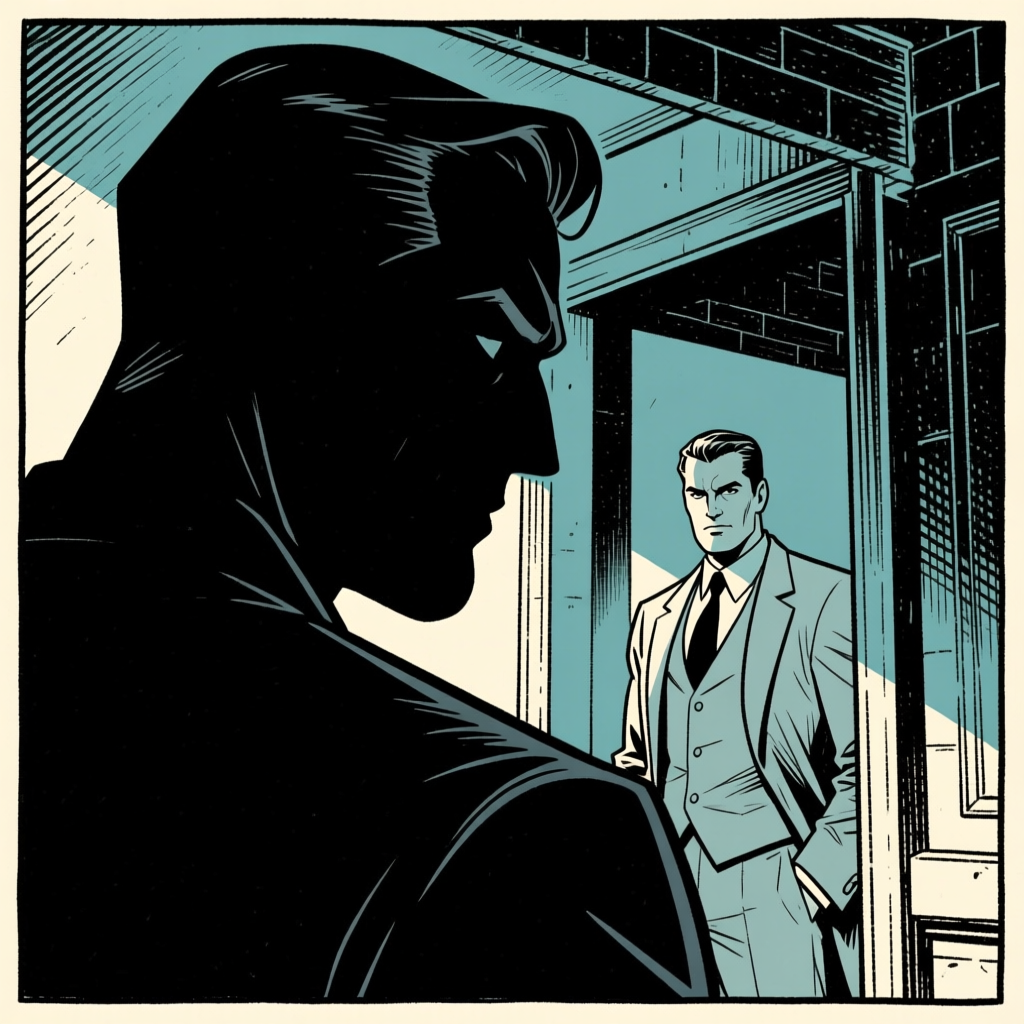
Two figures — doorway composition