KEY CONCEPTS
- The spine stroke is the vertical axis — always drawn first before any other form
- Runs from crown of head to the tailbone
- A natural relaxed spine has a gentle S-curve — not ruler-straight
- In action poses, the spine becomes a pronounced S, C, or diagonal
- Figure height = 1 unit; midpoint = belt; quarter points = armpit and knee
- The spine stroke IS the gesture line of the torso
Before drawing any form, draw the spine stroke. This single line commits you to: the pose direction, the height of the figure, and the relationship between the chest and pelvis. Everything else is built around this line. The spine stroke is your most important drawing act — respect it, and it will guide everything else.
In action poses, the spine stroke becomes more pronounced. A superhero leaning forward aggressively might have a dramatically forward-curved spine. A figure recoiling in surprise curves backward sharply. A sprinter leans their whole spine at 45 degrees toward the direction of motion. The spine stroke IS the pose.
TRY THIS — 10 MINUTESDraw ten spine strokes rapidly on the page — each 6–8 inches long. Make them: straight, gently curved, S-shaped, diagonally leaning, dramatically arched backward, dramatically curved forward, tilted left, tilted right, extreme S-curve, extreme C-curve. Each spine stroke implies a completely different pose. Now try to imagine what figure surrounds each one.
REFERENCE GALLERY
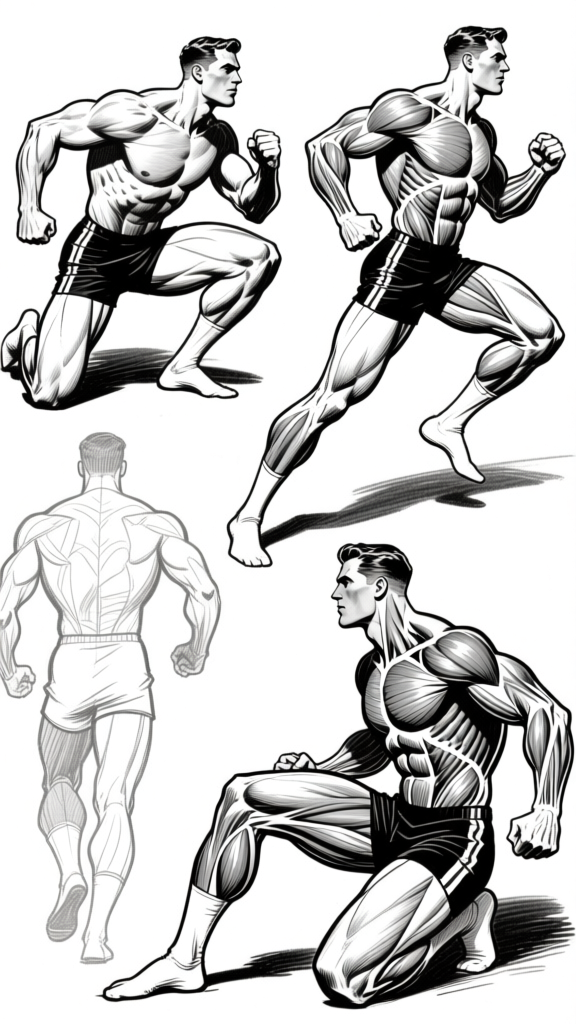
Multiple running figures — spine action lines
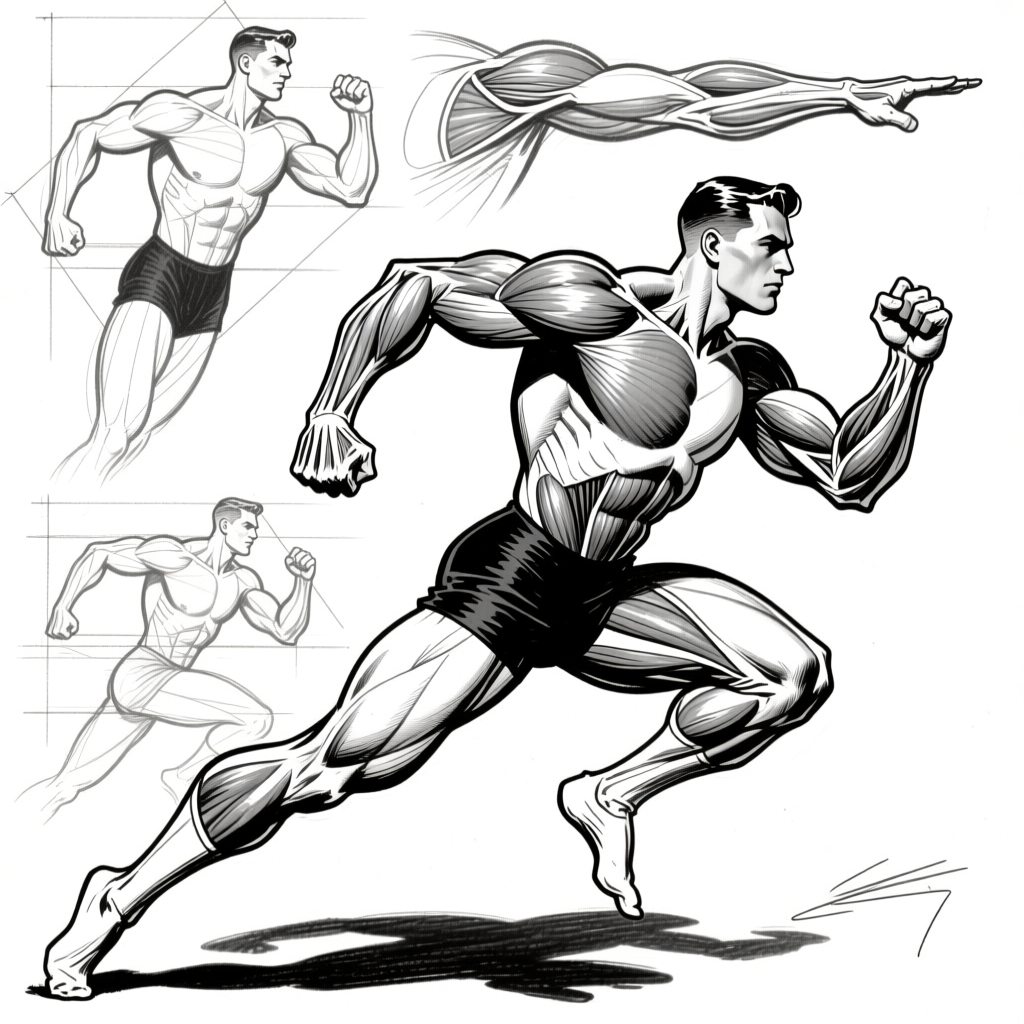
Running hero poses — spine directions
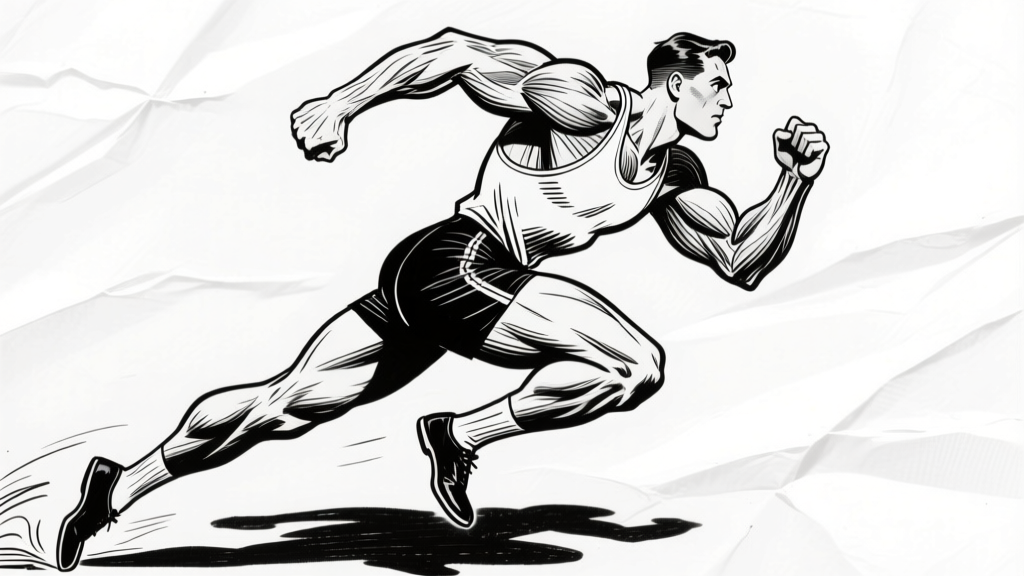
Sprint pose — diagonal spine stroke
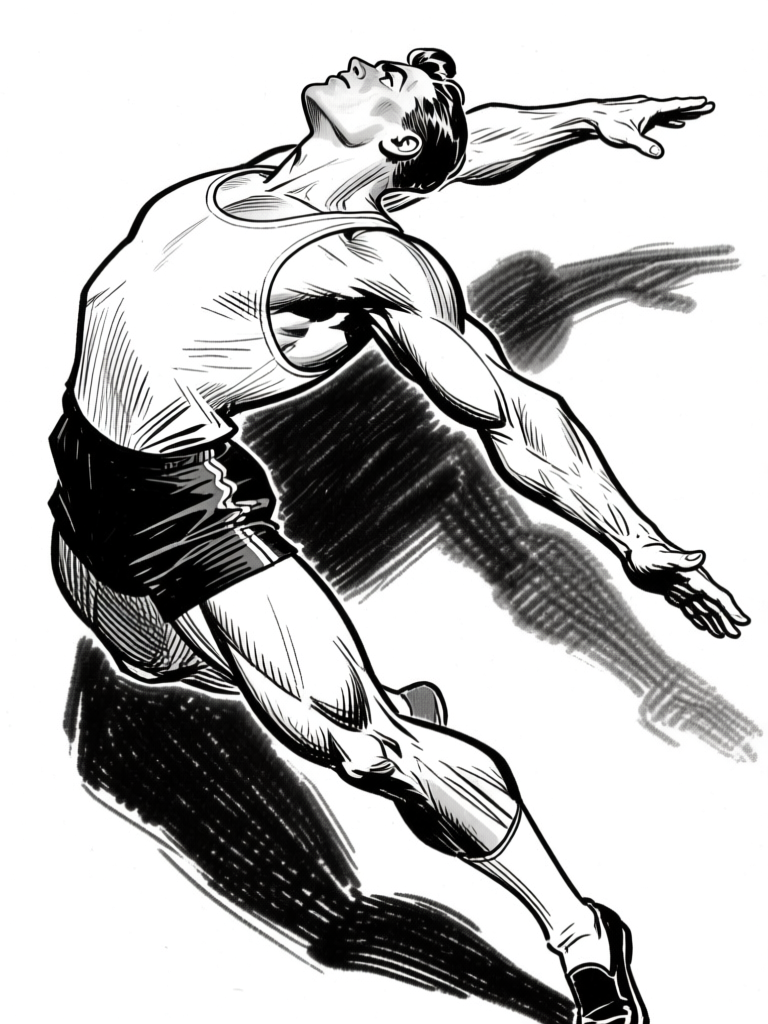
Leaping figure — curved spine action
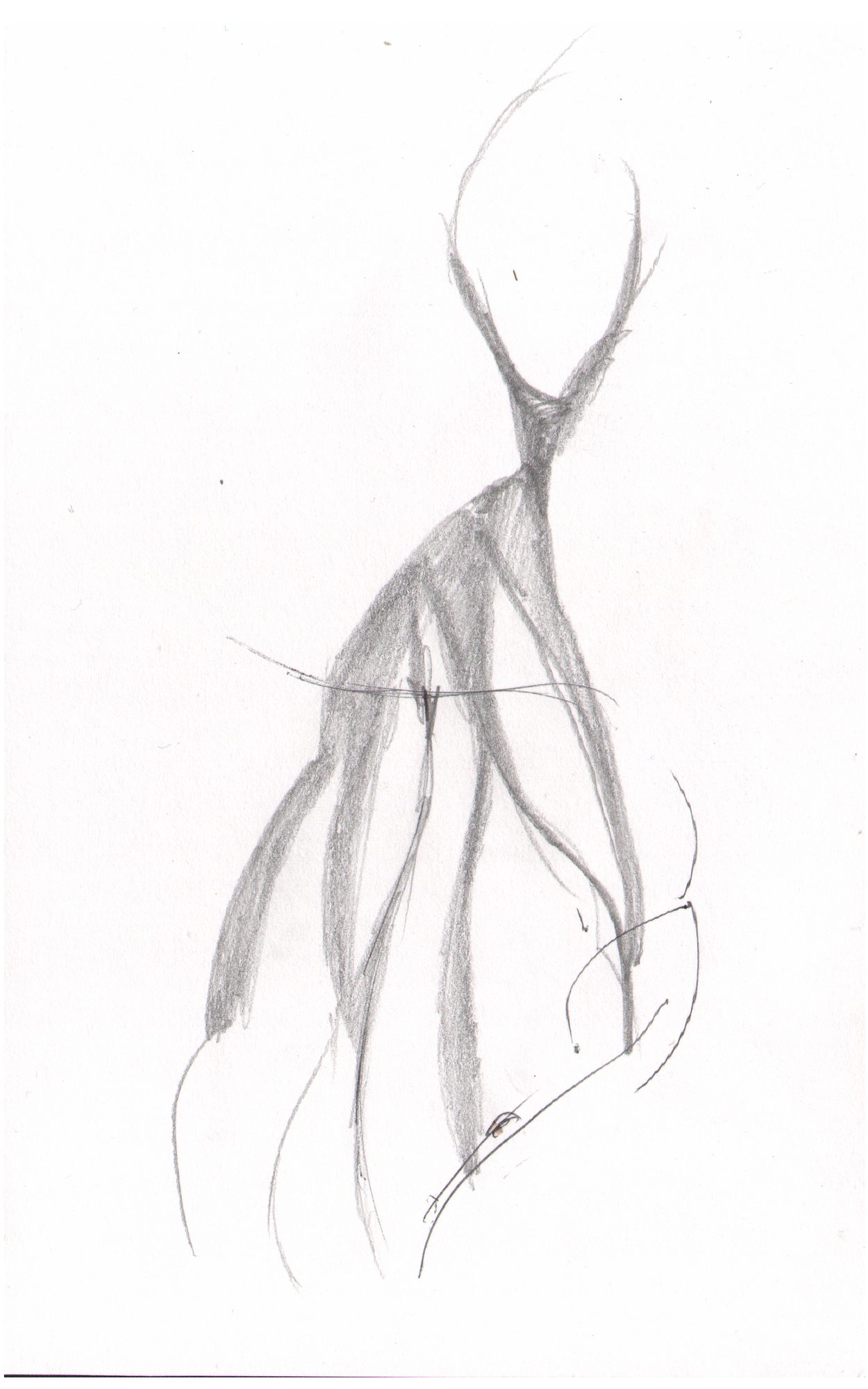
Minimal gesture figure — spine IS the pose
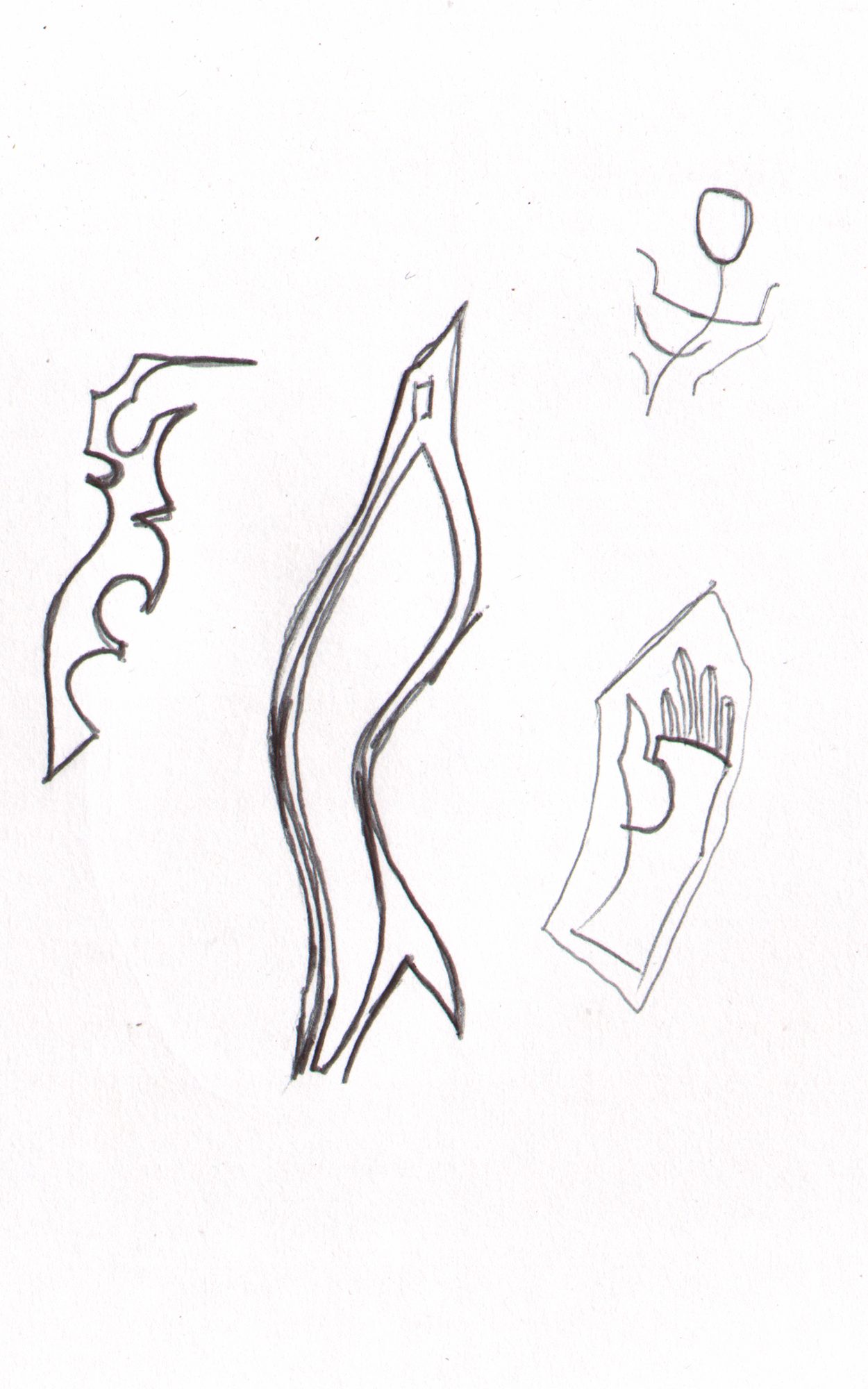
Spine gesture sketches + hand/face thumbnail
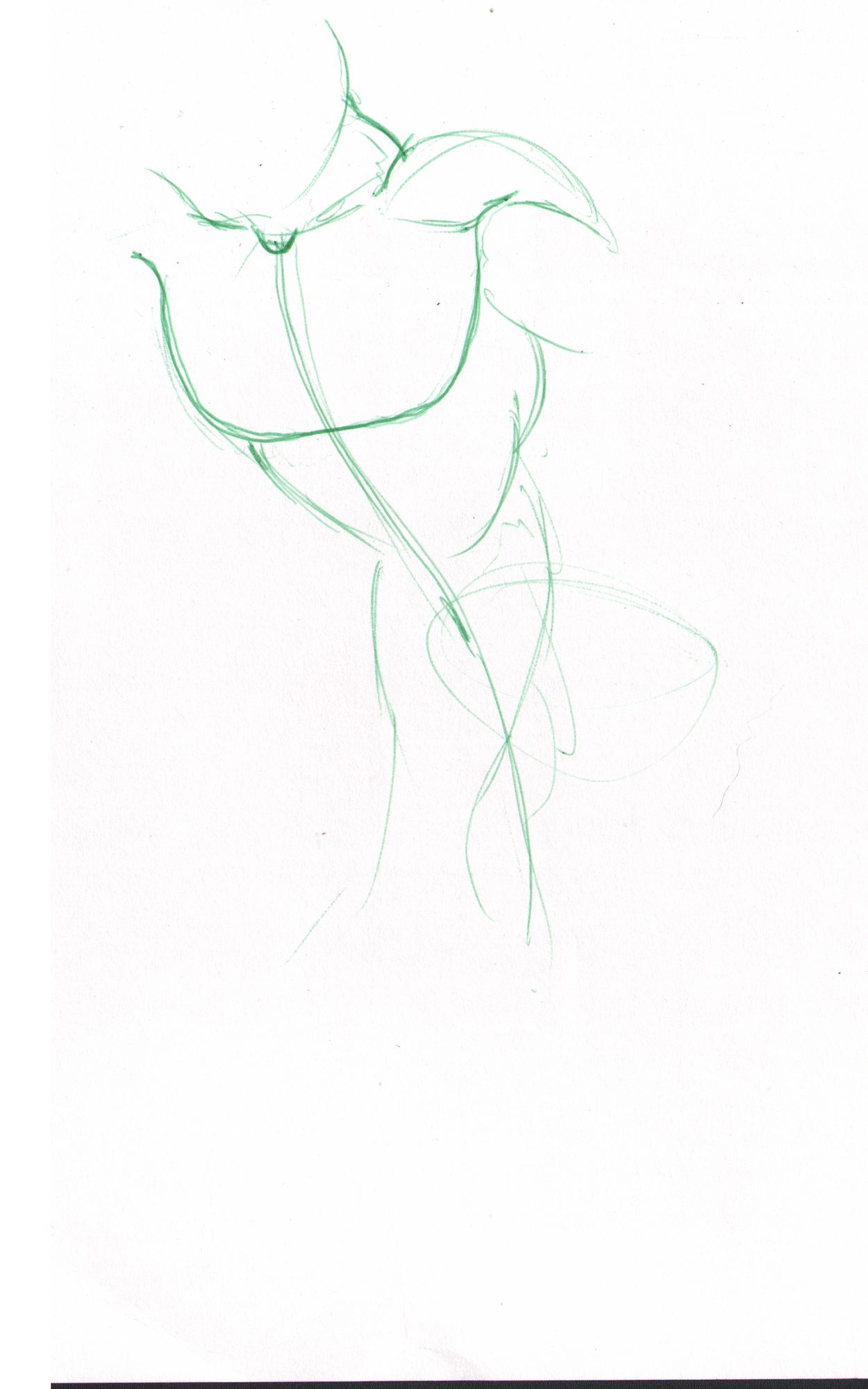
Green gesture figure — spine flow
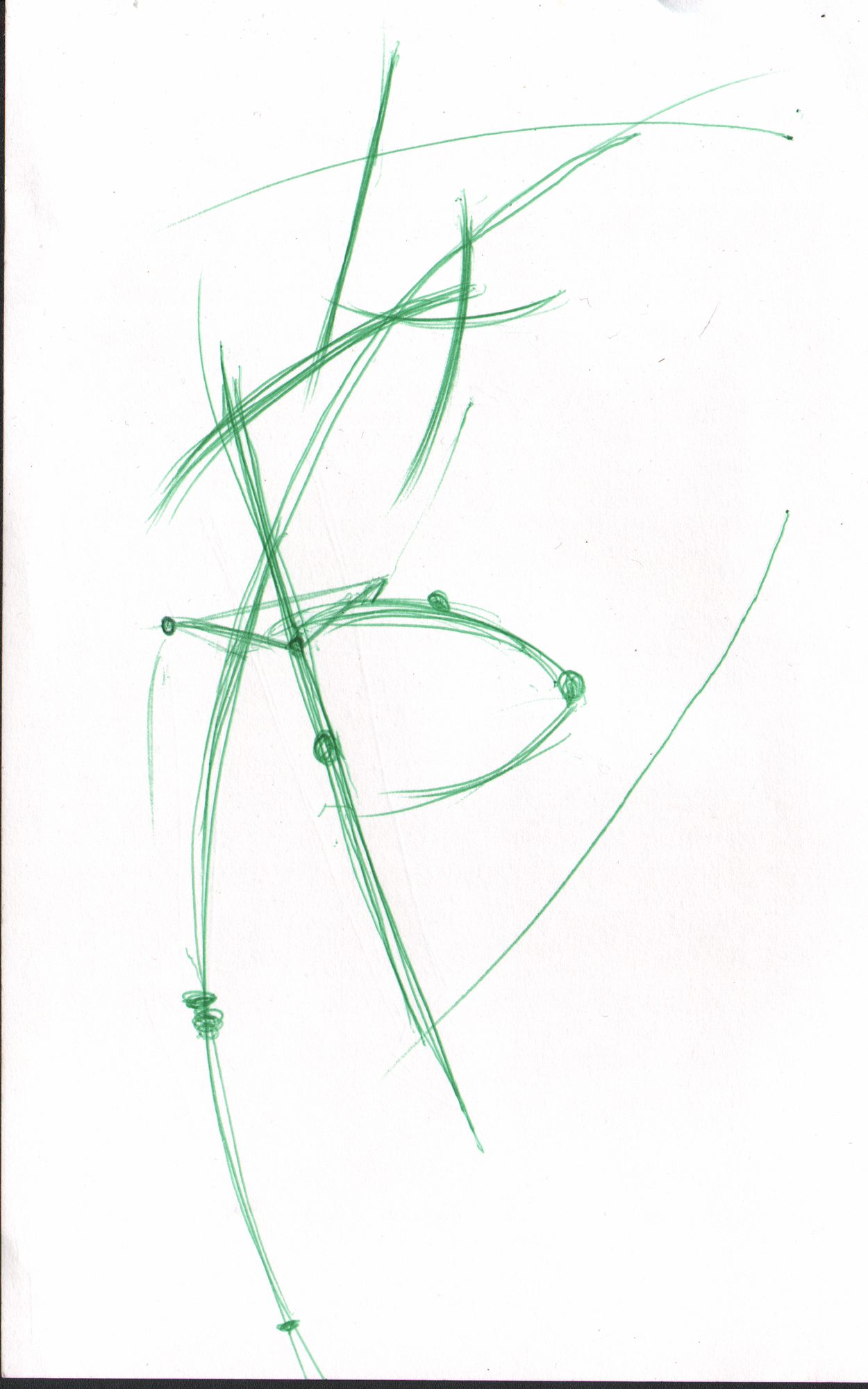
Green gesture — rib/spine line study
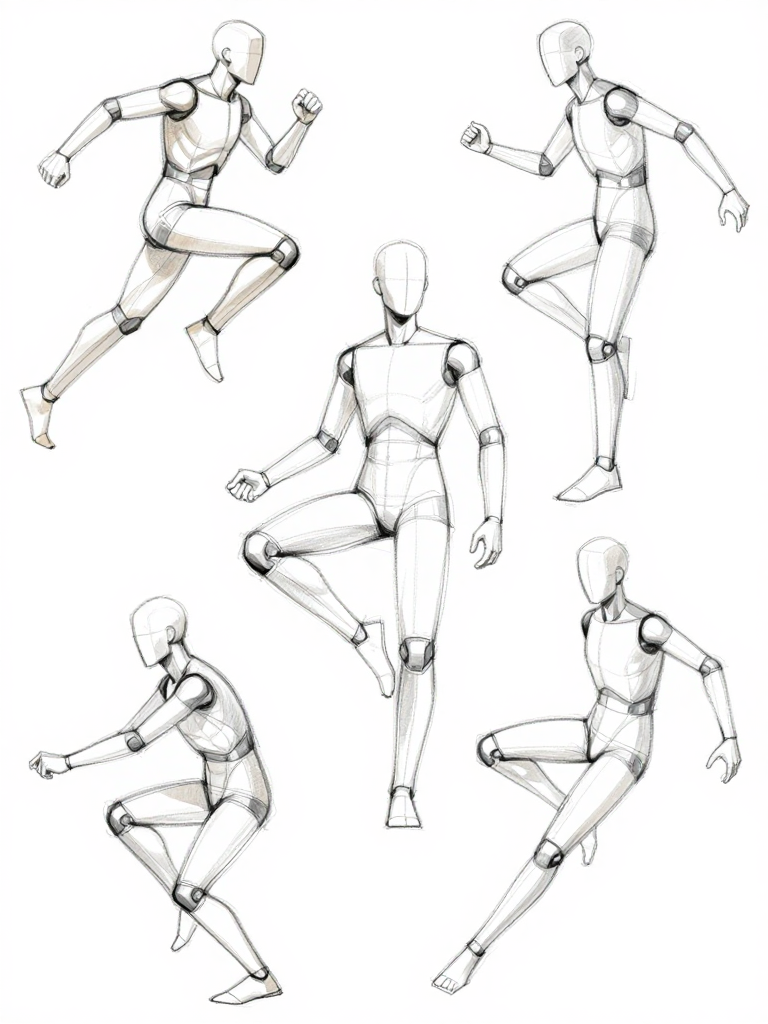
Gesture figure studies — action lines
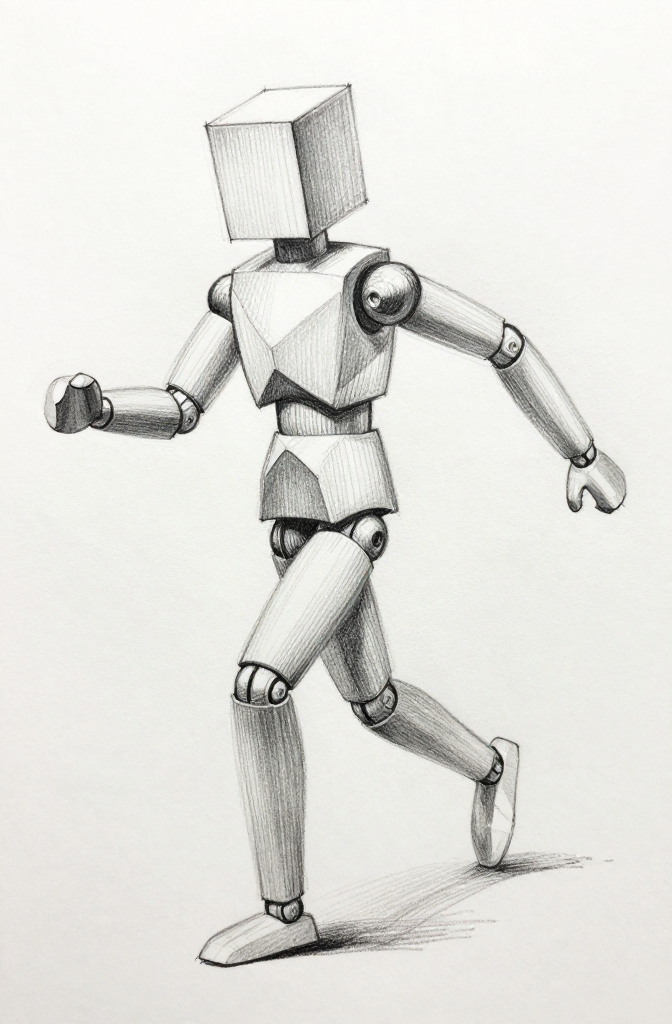
Mannequin figure walking — box method
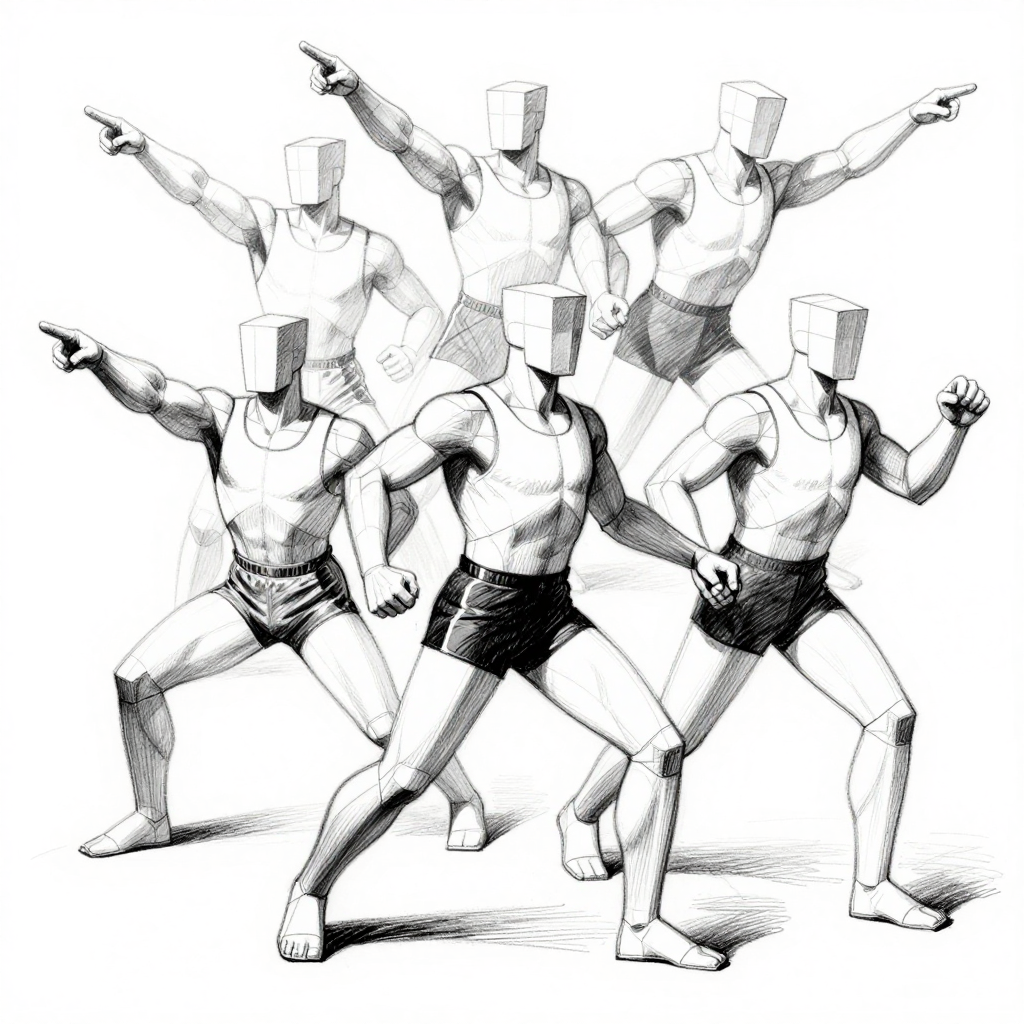
Box-head figures — gesture action
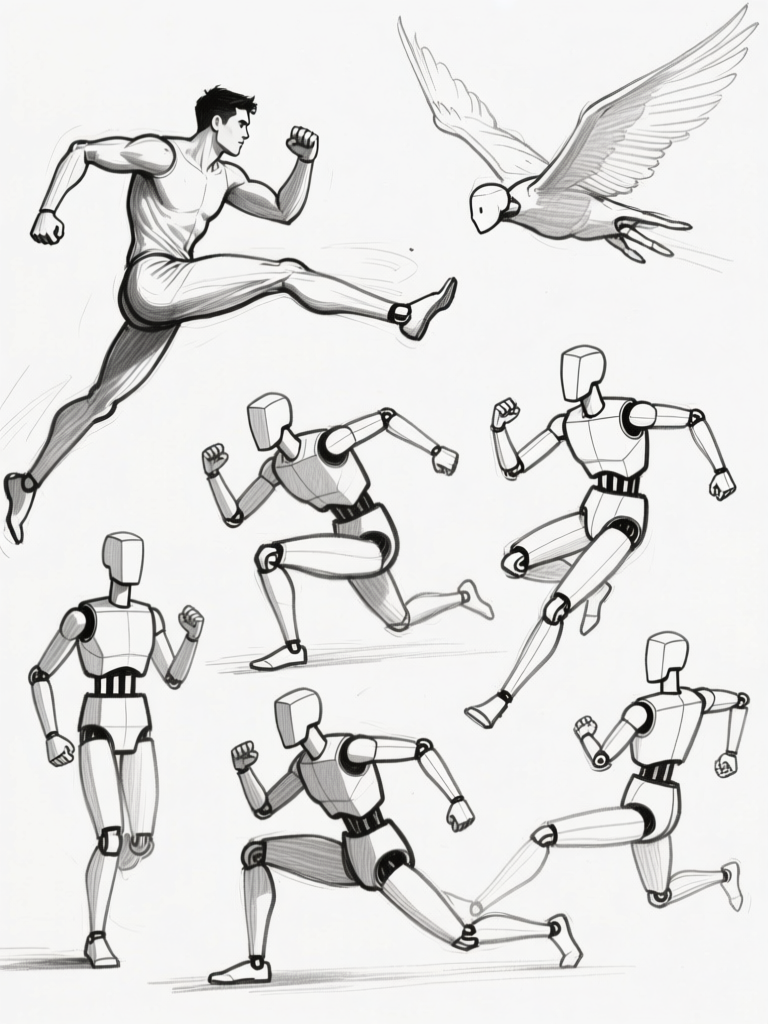
Gesture figures — action poses varied
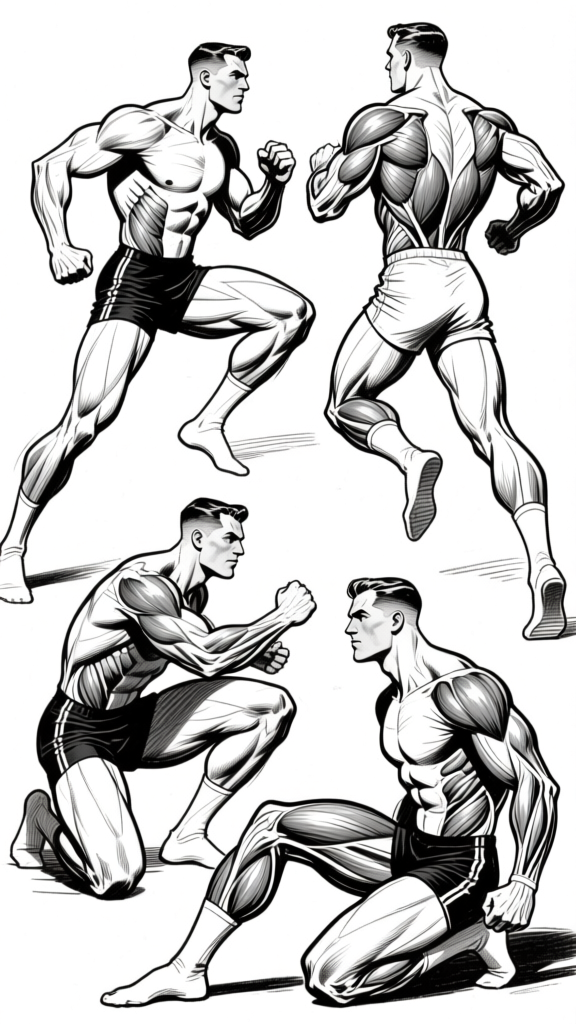
Action figures — gesture variety