KEY CONCEPTS
- The closed fist is a rounded rectangle — the knuckle line is on top
- The thumb crosses the front of the fingers when the fist is closed
- Fingertip pads peek just below the knuckle ridge
- Knuckles are hard, angular peaks — not smooth bumps
- From the front, a fist foreshortens dramatically — it appears very wide and shallow
- The wrist is a narrow wedge that flows naturally out of the base of the fist
For a closed fist: draw a rounded rectangle for the knuckle line across the top. Add another rectangle below it for the palm. Tuck the thumb across the front side. The fingertip pads just peek out below the knuckle ridge. This gives you the classic action fist. The knuckle peaks should read as four separate hard angles — not a smooth dome.
The fist in foreshortening (pointing at the viewer) is one of the most dramatic — and most feared — poses for beginners. The trick: draw the hand LARGE and round, the wrist SMALL and narrow, very close together. The hand appears to be almost as wide as it is tall when fully foreshortened. Trust the perspective.
TRY THIS — 10 MINUTESLook at your own fist. Notice: the thumb crosses in front. The knuckles make four distinct peaks. The wrist flows out of the bottom like a narrow tube. The index knuckle sits higher than the pinky knuckle. Now draw it. Then draw it pointing directly at the viewer (foreshortened). Compare the two — same fist, completely different visual read. That difference is pure perspective at work.
REFERENCE GALLERY
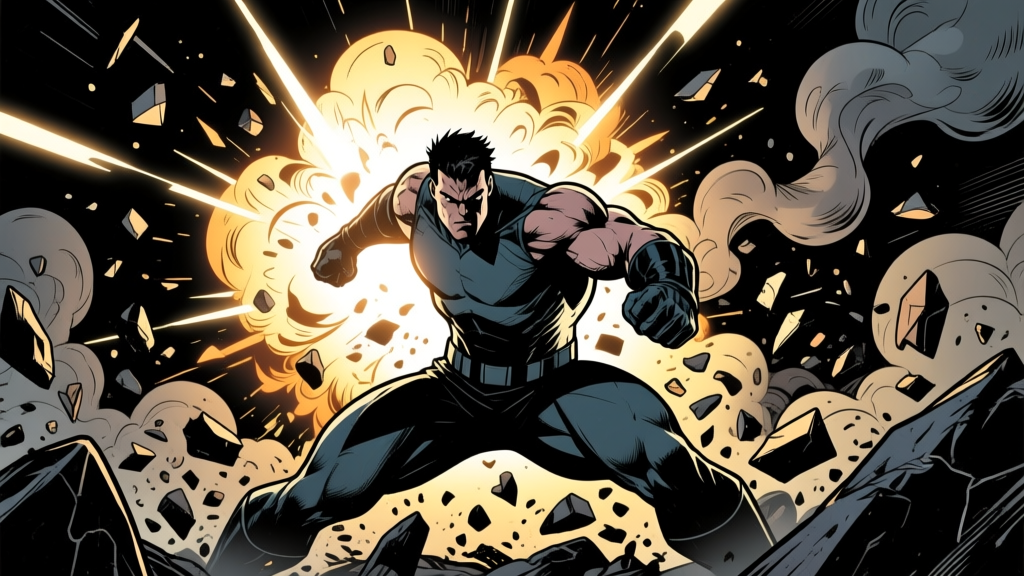
Action comic panel — fist in motion
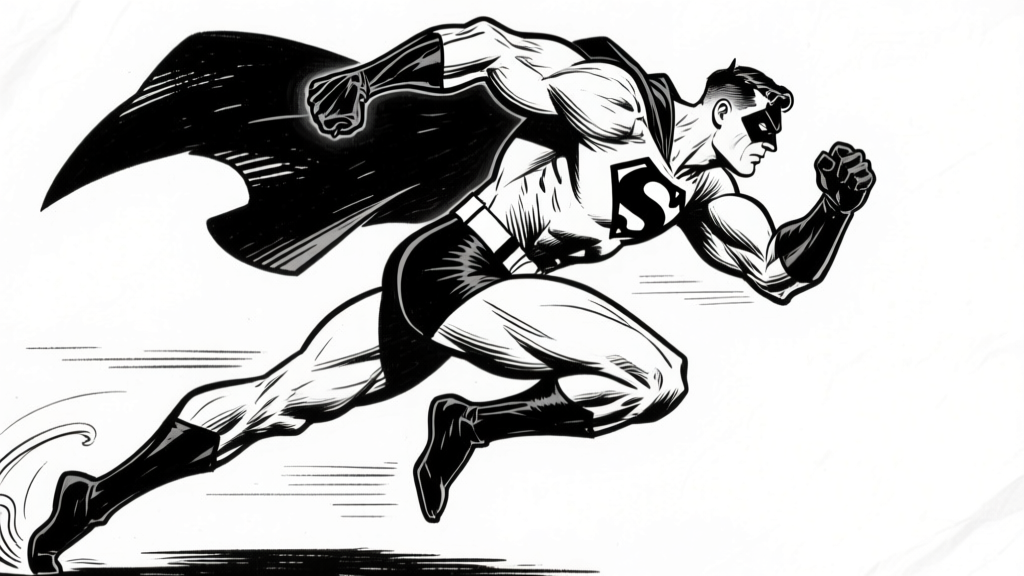
Flying hero — hands and arms in action
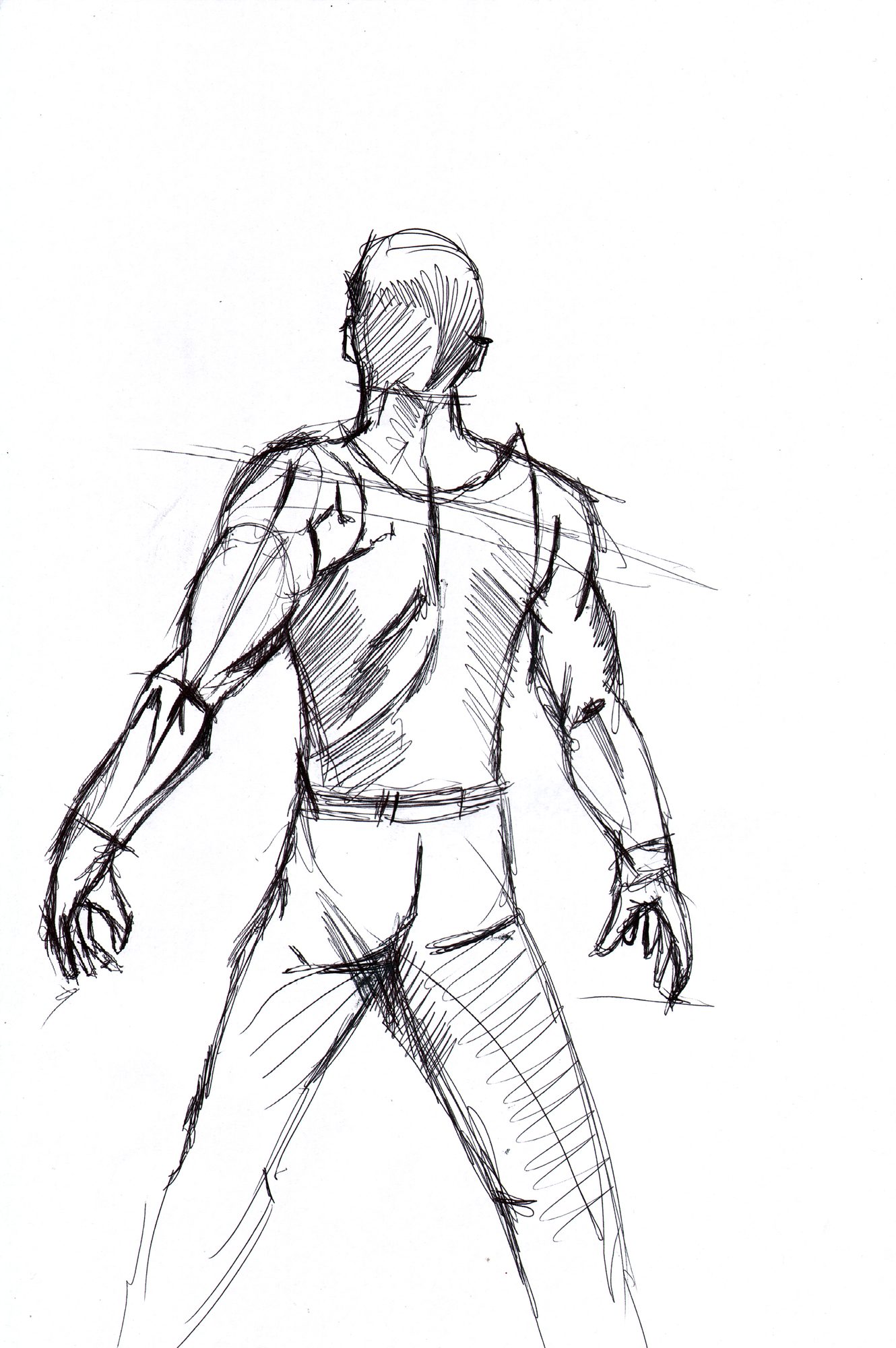
Life drawing — hand/fist study
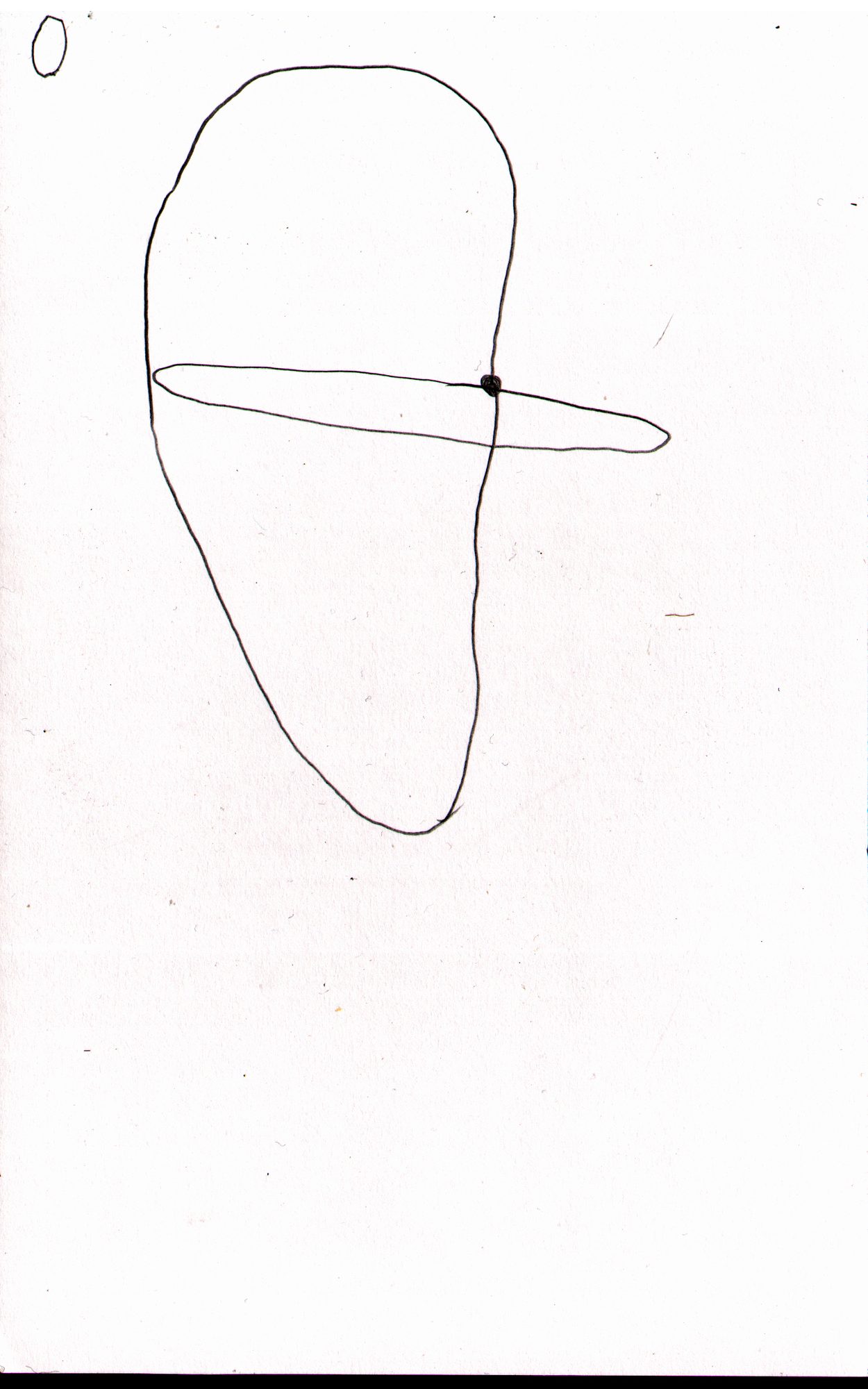
Drawing plate — hand construction detail
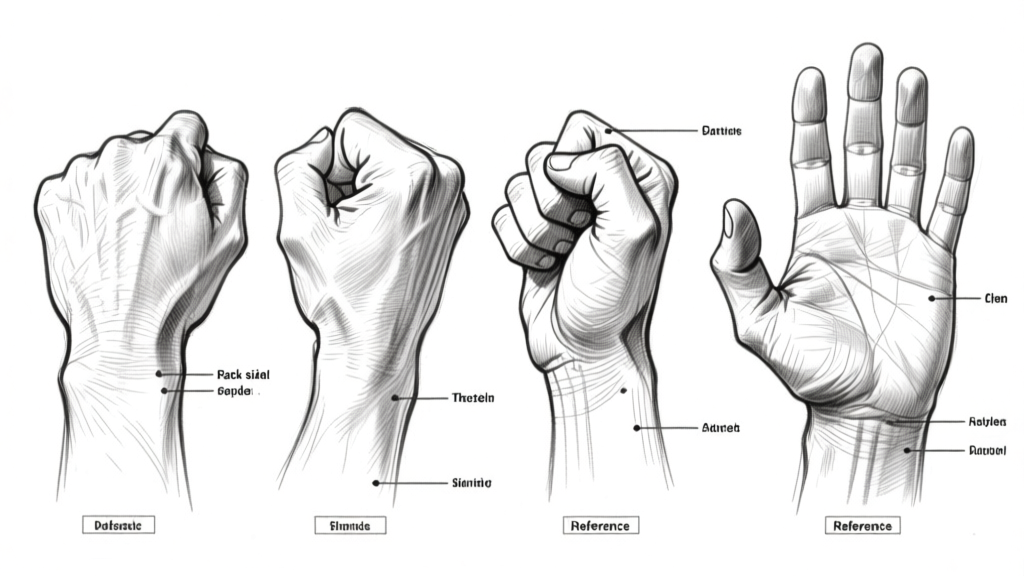
Hands — fist, open, pointing, claw
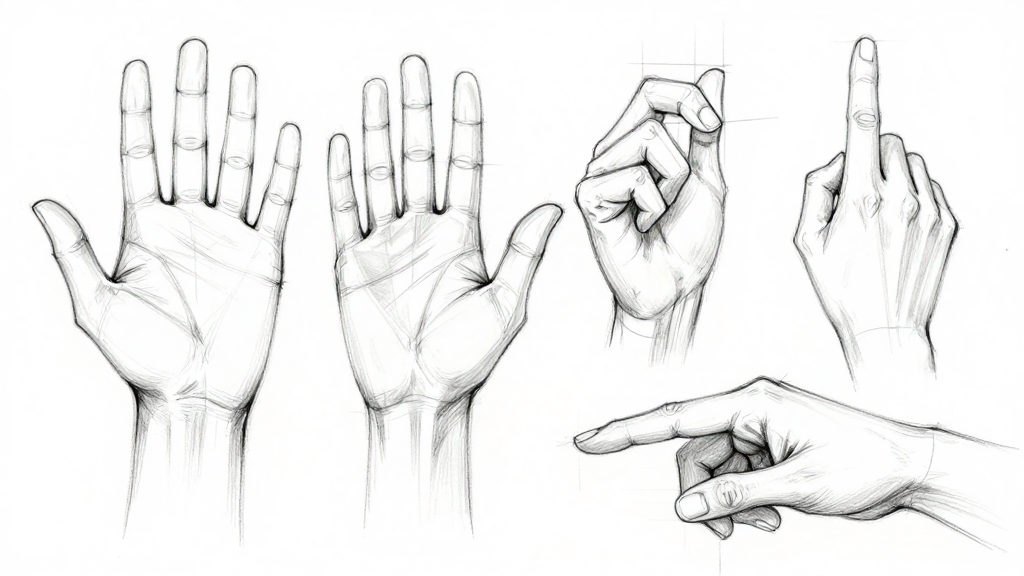
Hands — multiple positions
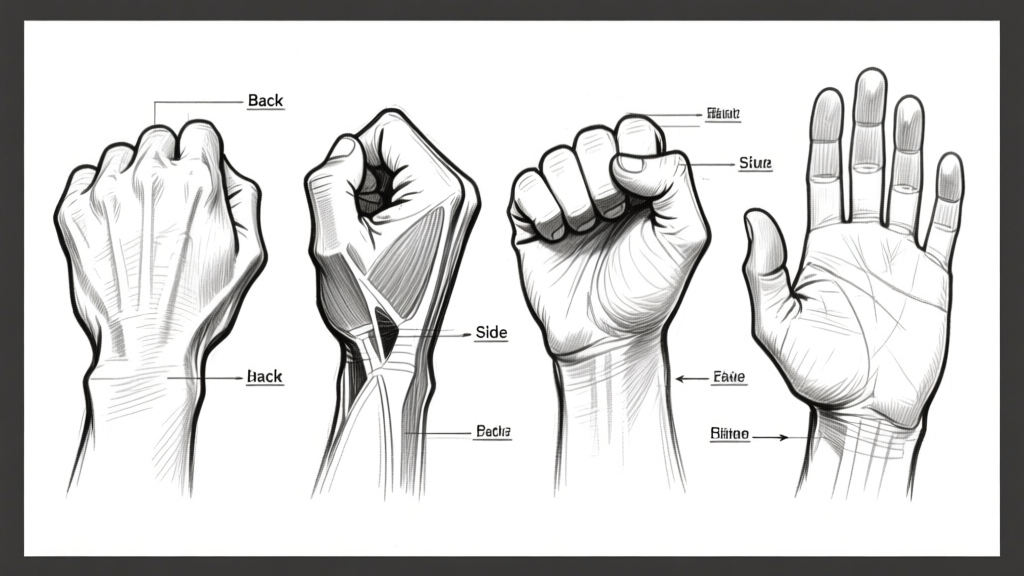
Fist studies — detailed pencil
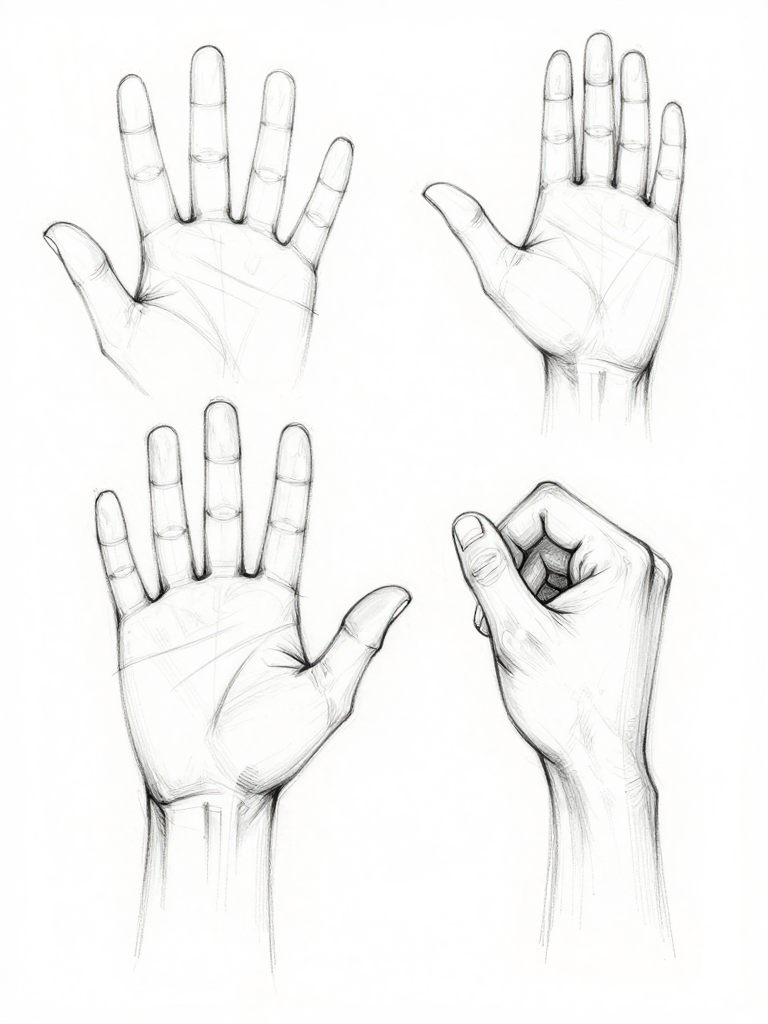
Hands — four-position pencil study